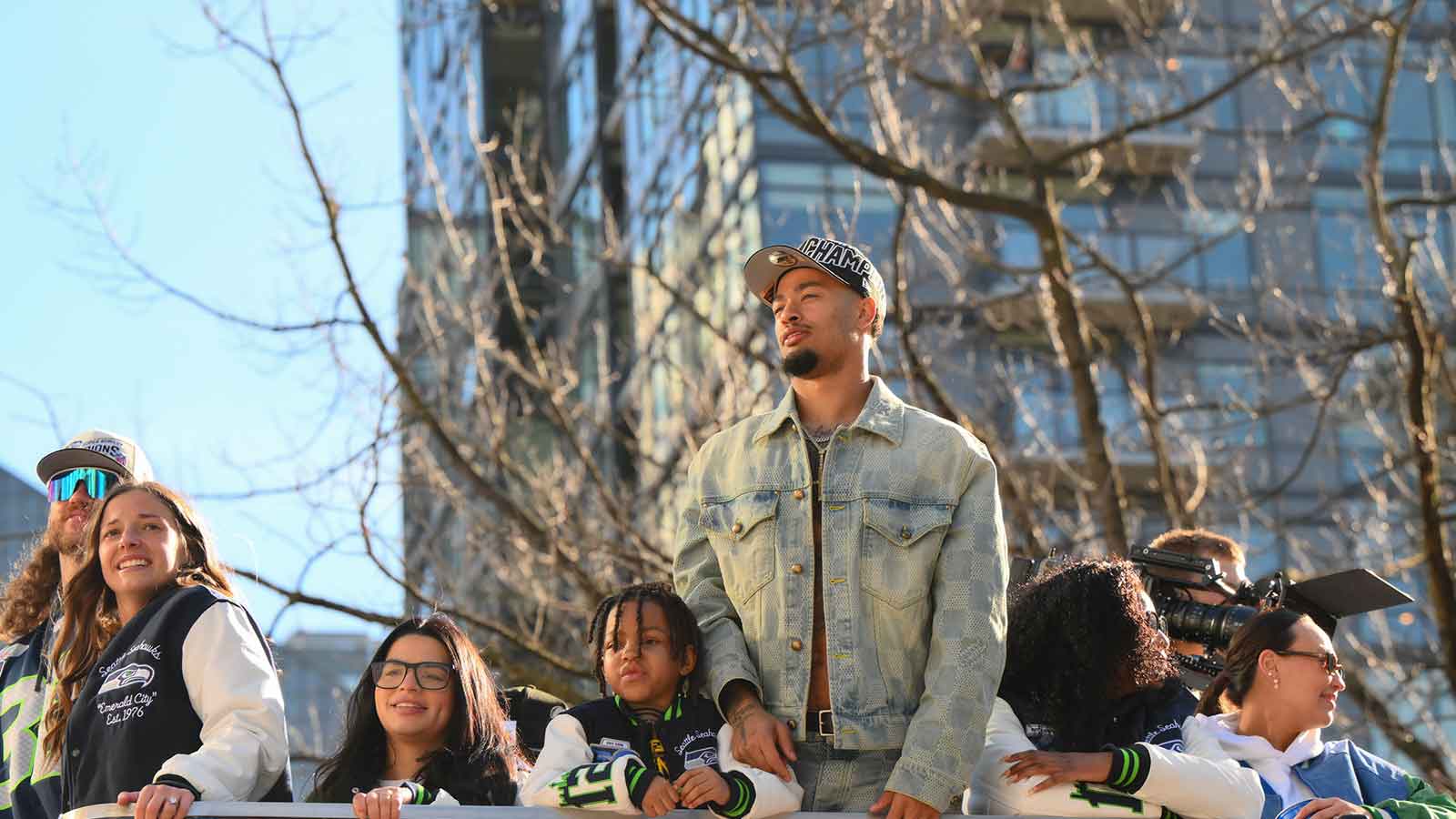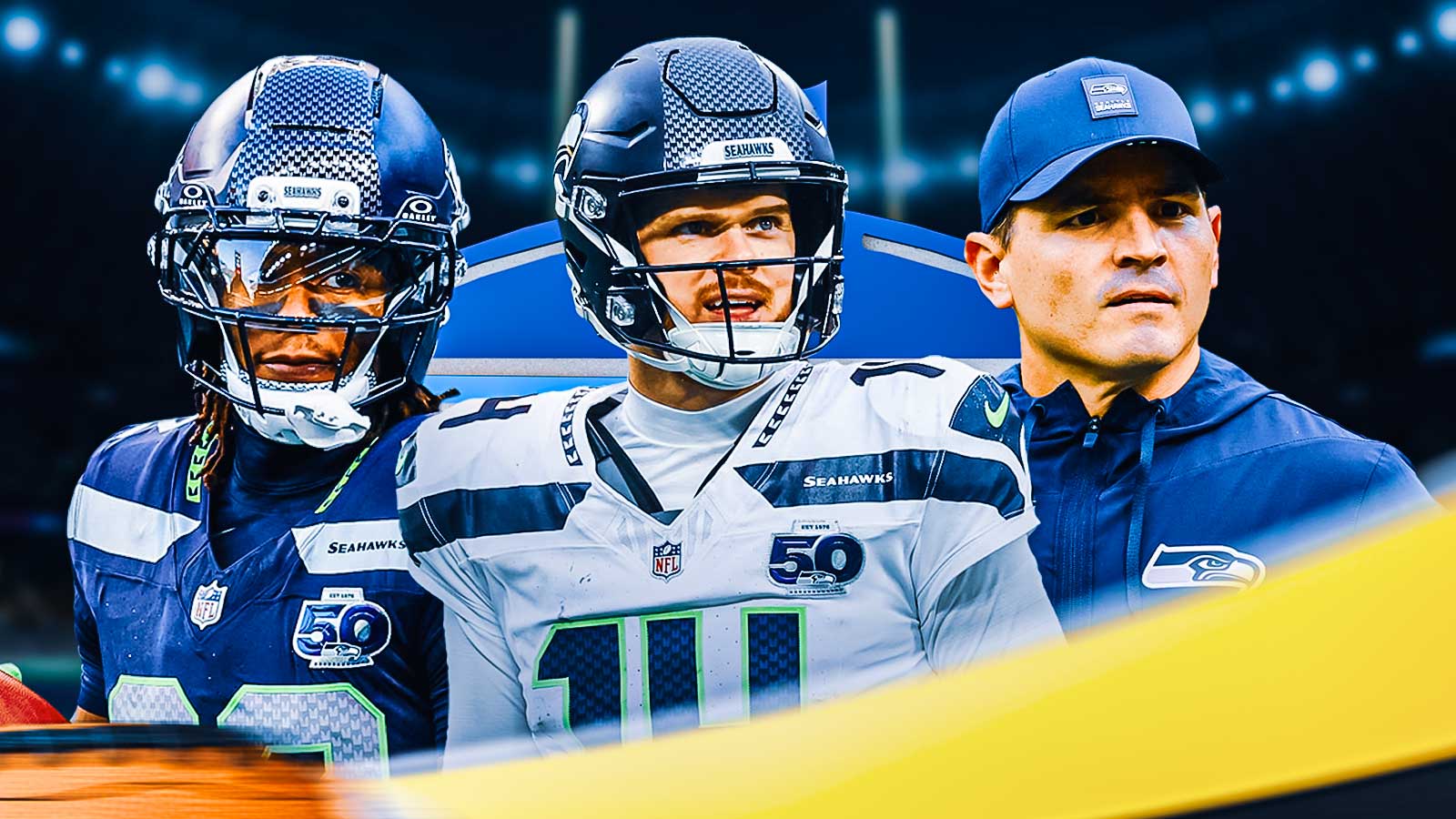
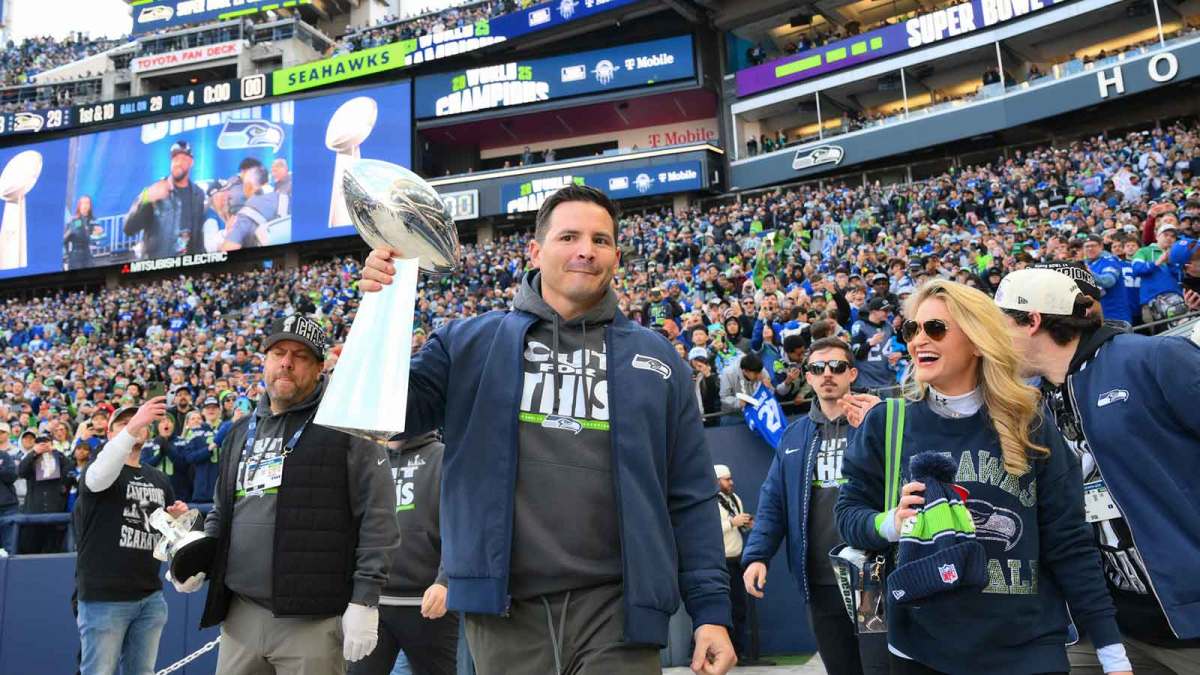
Mock draft season often tries to portray every contender as being just one player away from success, but Seattle finds itself in a more challenging position. As the defending Super Bowl champions, the Seahawks have the No. 32 pick, only four total selections in the draft, and they already know part of their needs after losing Riq Woolen, Coby Bryant, Boye Mafe, and Kenneth Walker III in free agency. Mel Kiper Jr. recently linked the Seahawks to Tennessee cornerback Colton Hood, a connection that makes sense on paper in light of Woolen’s departure.
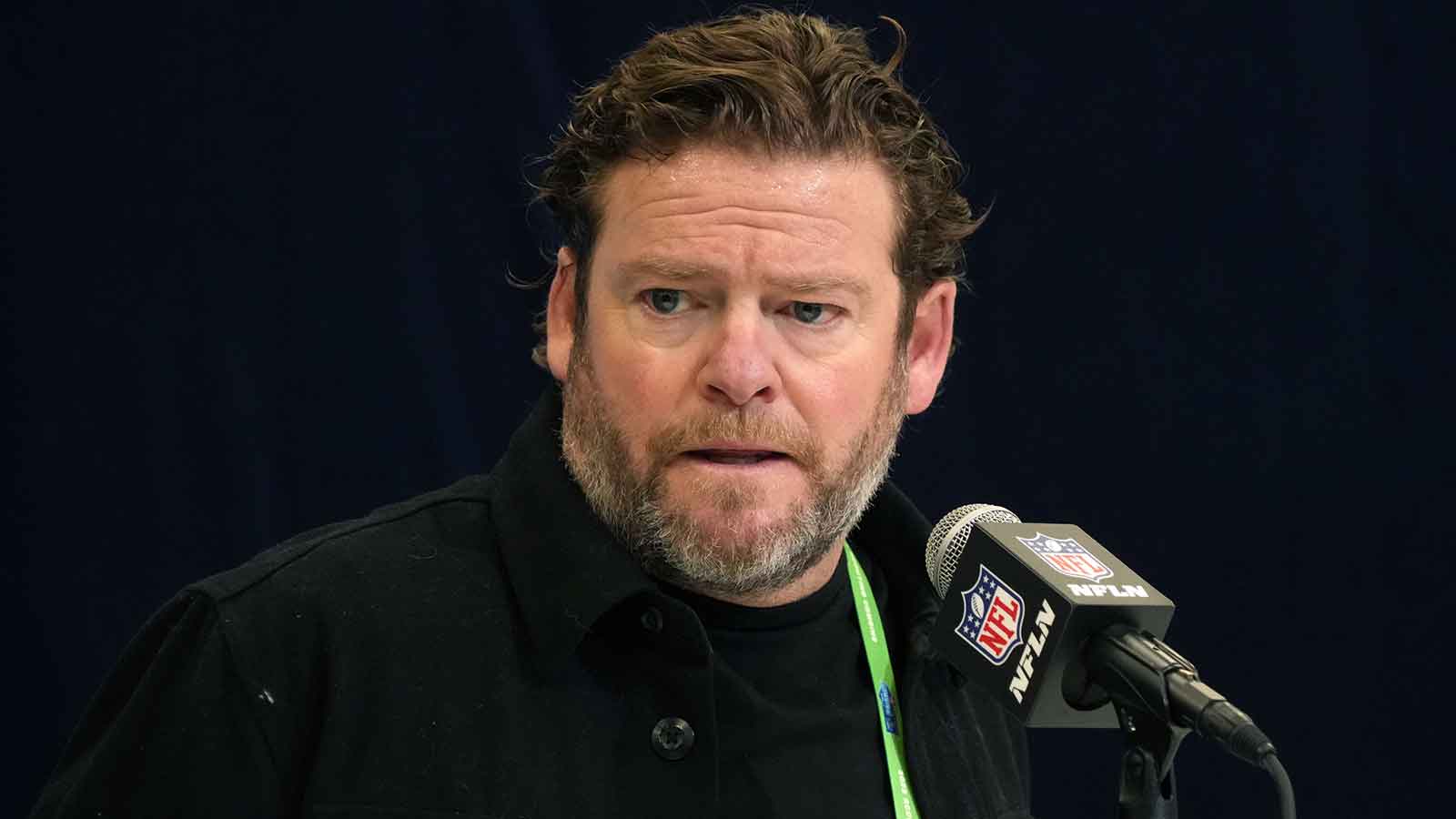
Additionally, John Schneider has stated that he believes Sam Darnold could perform even better in 2026 after establishing himself as a key leader in the locker room.
This combination is more significant than it might initially appear, and a champion with limited draft picks cannot draft like a rebuilding team or a fantasy team looking for flashy players.
Seattle needs impactful players, but those impacts must occur in the right positions, and the offensive line, including guard and center, remain areas that requires strengthening, and the team’s draft tracker consistently highlights cornerback, offensive line, defensive line, and even running back over the more extravagant positions. In other words, while clever ideas might tempt Schneider, cleverness doesn’t always equate to wisdom.
The front office has usually excelled when it avoids superficial solutions and focuses on what wins in the NFC West: line play, depth, physicality at the catch point, and defensive flexibility rooted in the right body types.
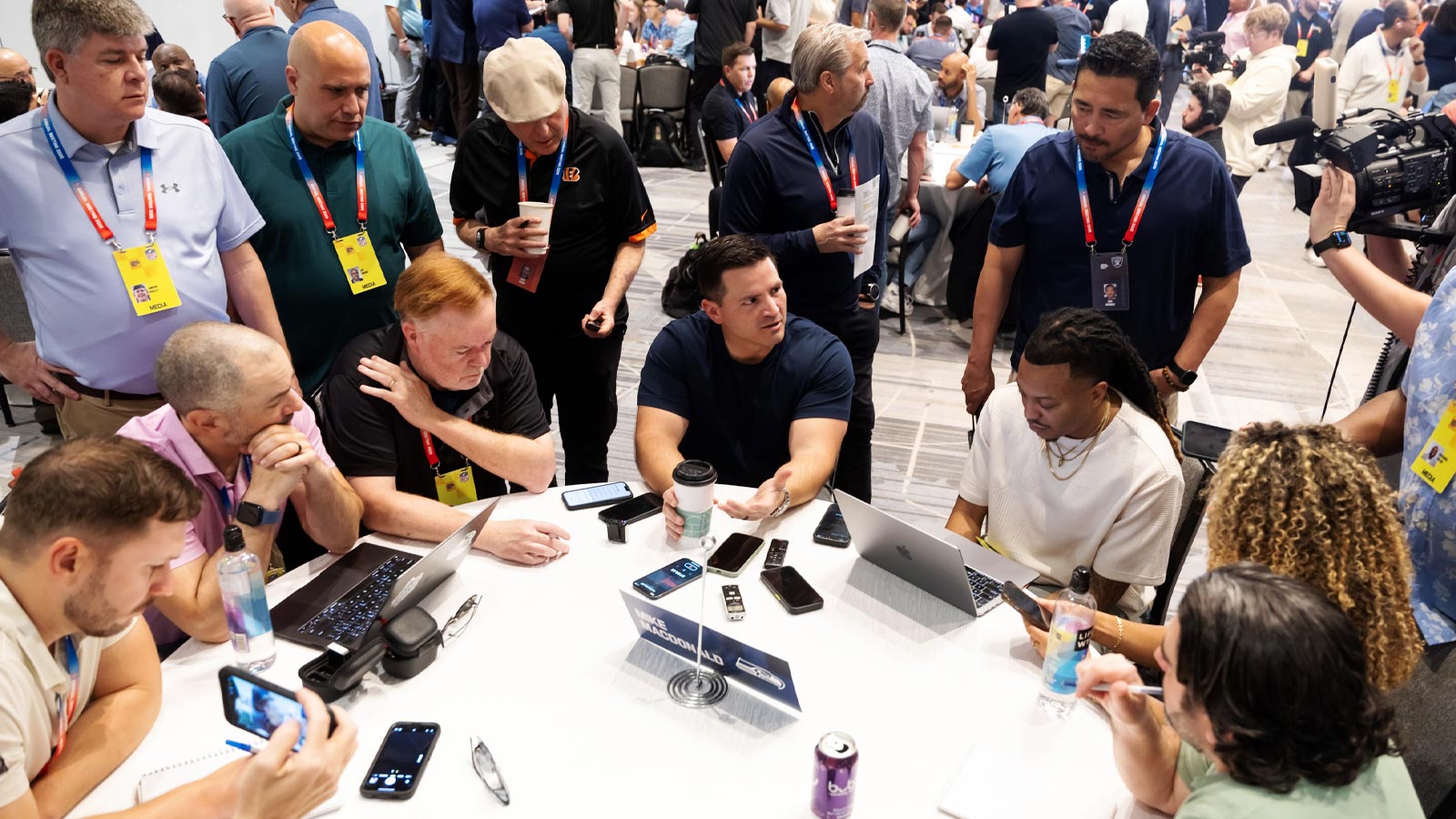
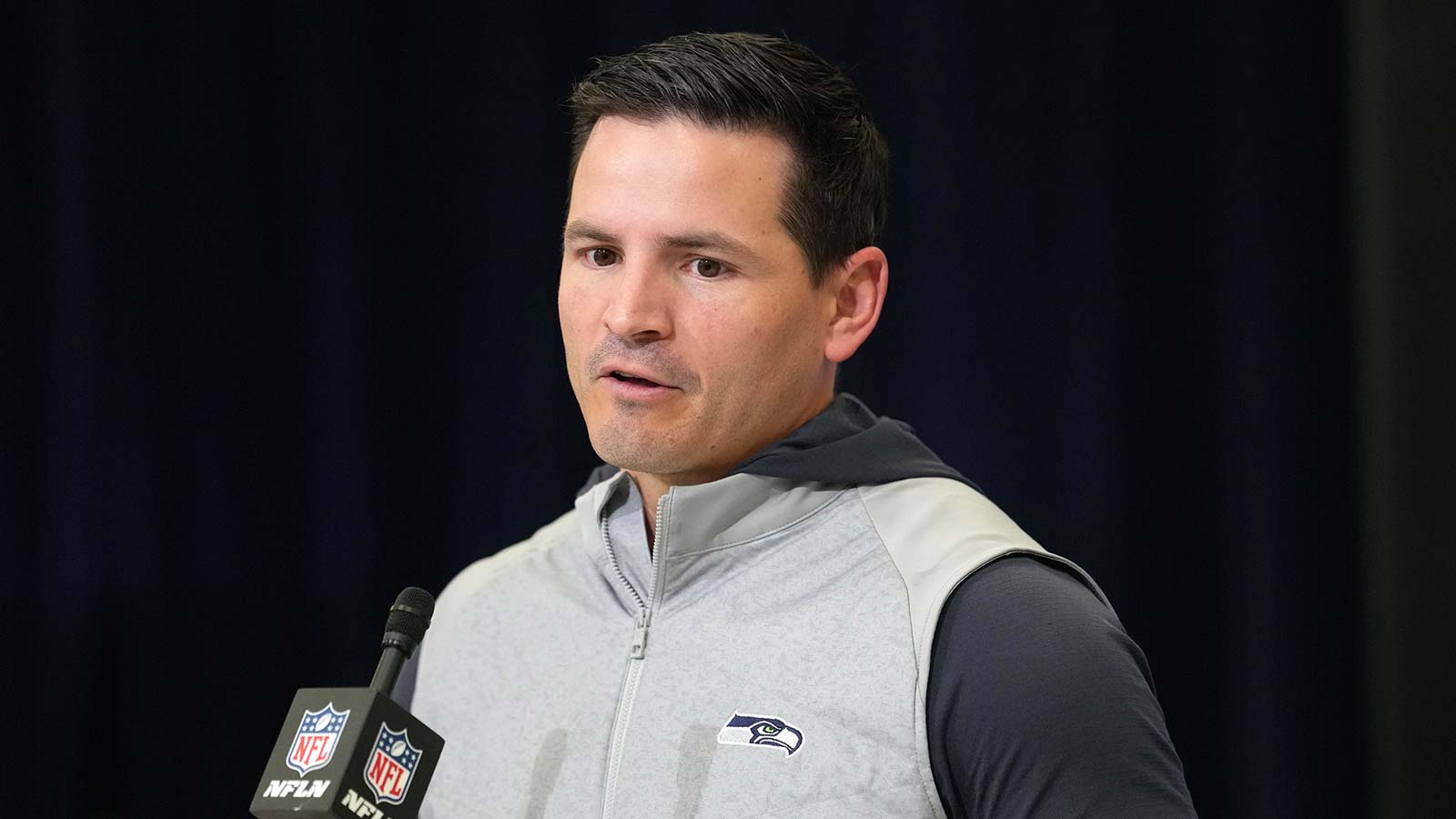
Mike Macdonald can create a lot when the roster provides tools with range and toughness, but even an exceptional coach cannot make up for misallocated premium assets. Pick No. 32 is a critical point, and a miss here could leave the entire draft class feeling weak, especially since the club does not have many additional opportunities later.
Many prospects will appeal to different teams, but a few of them should raise concerns for Seattle.
QB Ty Simpson, Alabama
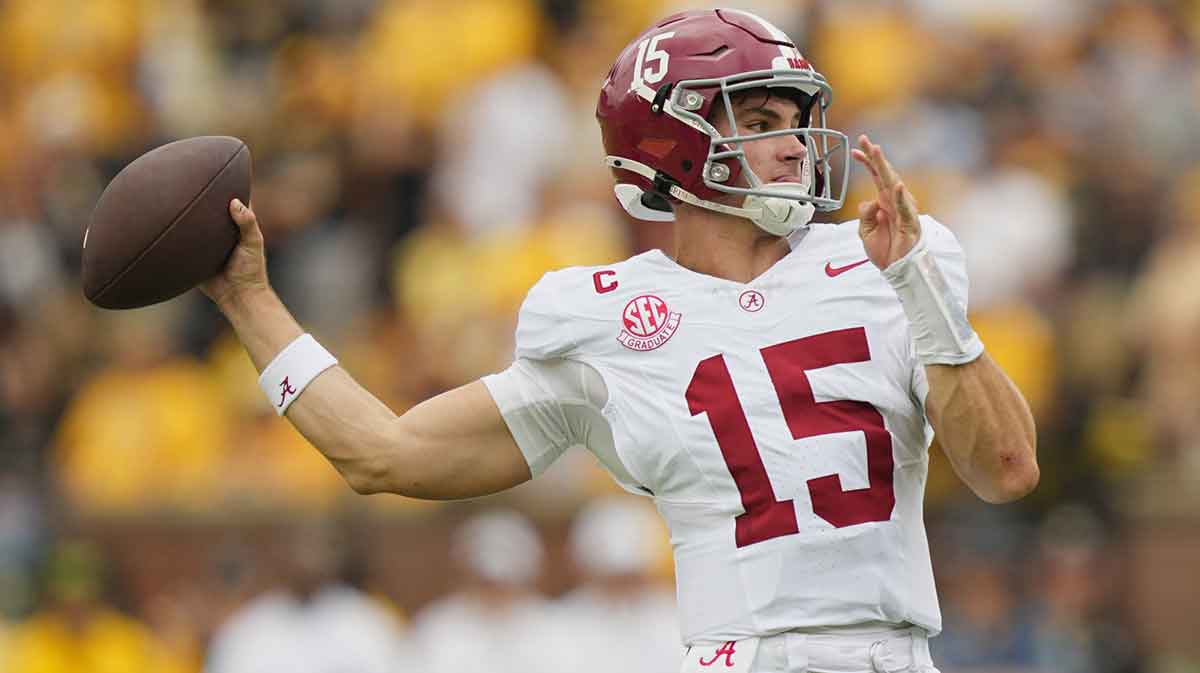
Selecting a quarterback is often the most direct pitch in football, as the position transforms every potential into a compelling theory about what lies ahead, and Ty Simpson embodies this concept perfectly.
With his Alabama pedigree, impressive arm talent, and the polish of a player familiar with a pro-style offense, he has generated enough buzz to keep him in the first-round conversation, even amidst debate regarding the overall class. For many teams, his appeal is evident. However, for Seattle, the timing may not be right.
Sam Darnold is not approaching 2026 as a placeholder awaiting replacement at the first sign of trouble, and General Manager John Schneider's recent comments present a different narrative, one centered around continuity, chemistry, and comfort, with key players like Cooper Kupp, Rashid Shaheed, and Jaxon Smith-Njigba contributing to the case for taking another step forward.
Schneider emphasized that Seattle's offseason strategy focuses on identifying core pieces and addressing needs with intention, rather than pursuing high-profile names unnecessarily, and investing pick No. 32 in a developmental quarterback would contradict this approach, especially for a roster designed to pursue another deep postseason run rather than transition quietly.
There is also a practical consideration that often gets overlooked in draft discussions, and the player chosen at pick No. 32 needs to provide immediate contributions, not just potential.
A quarterback sitting behind a reigning champion could become a valuable long-term asset elsewhere, but they do not have the luxury of stashing premium talent for a year or two, especially with only a limited number of draft picks. The Seahawks cannot afford such indulgence, and even if Simpson eventually emerges as a starter, the immediate cost would be significant, diverting important offseason resources from positions that will be crucial for their title defense.
A savvy front office understands the difference between planning for succession and creating unnecessary distractions, and they would be crossing that line by selecting him.
S Dillon Thieneman, Oregon

At first glance, drafting a safety might appear to be a suitable solution for a defense that recently lost Coby Bryant. Dillon Thieneman is an enticing option because he is rangy, athletic, instinctive, and well-suited for a modern defense that requires defensive backs to rotate, disguise, and close down space quickly. Many teams should be interested in him, but Seattle should pass, as he isn't in the team's mock draft.
Part of the issue lies in positional needs.
While Woolen's departure is a significant concern in the secondary, even mock drafts indicate that outside cornerback is a more pressing need, and Seattle has retained Jobe, added Igbinoghene, and signed Rodney Thomas II after Bryant's exit, providing the coaching staff with various ways to bolster safety depth and competition without using their only first-round pick on that position.
These moves do not mean the safety group is complete, but they indicate that the organization has already taken steps to address safety issues, while cornerback remains the main focus.
Drafting Thieneman would suggest treating the entire secondary as a single interchangeable unit, and strong defenses typically suffer when teams start viewing it that way.
While Macdonald's defense may be versatile enough to make most safeties appealing in theory, this is where mistakes often occur, and Seattle needs a player who contributes on the field rather than merely one who looks good on a whiteboard. A first-round safety, no matter how talented, could push the Seahawks toward a more ornamental style of play.
There is a broader principle at play here, too, because championship teams should resist the temptation to draft based on strengths simply because those strengths are enjoyable to coach. A safety like Thieneman might enhance Macdonald’s schemes, but Seattle should be prioritizing players who will make a tangible impact on game days.
WR Denzel Boston, Washington
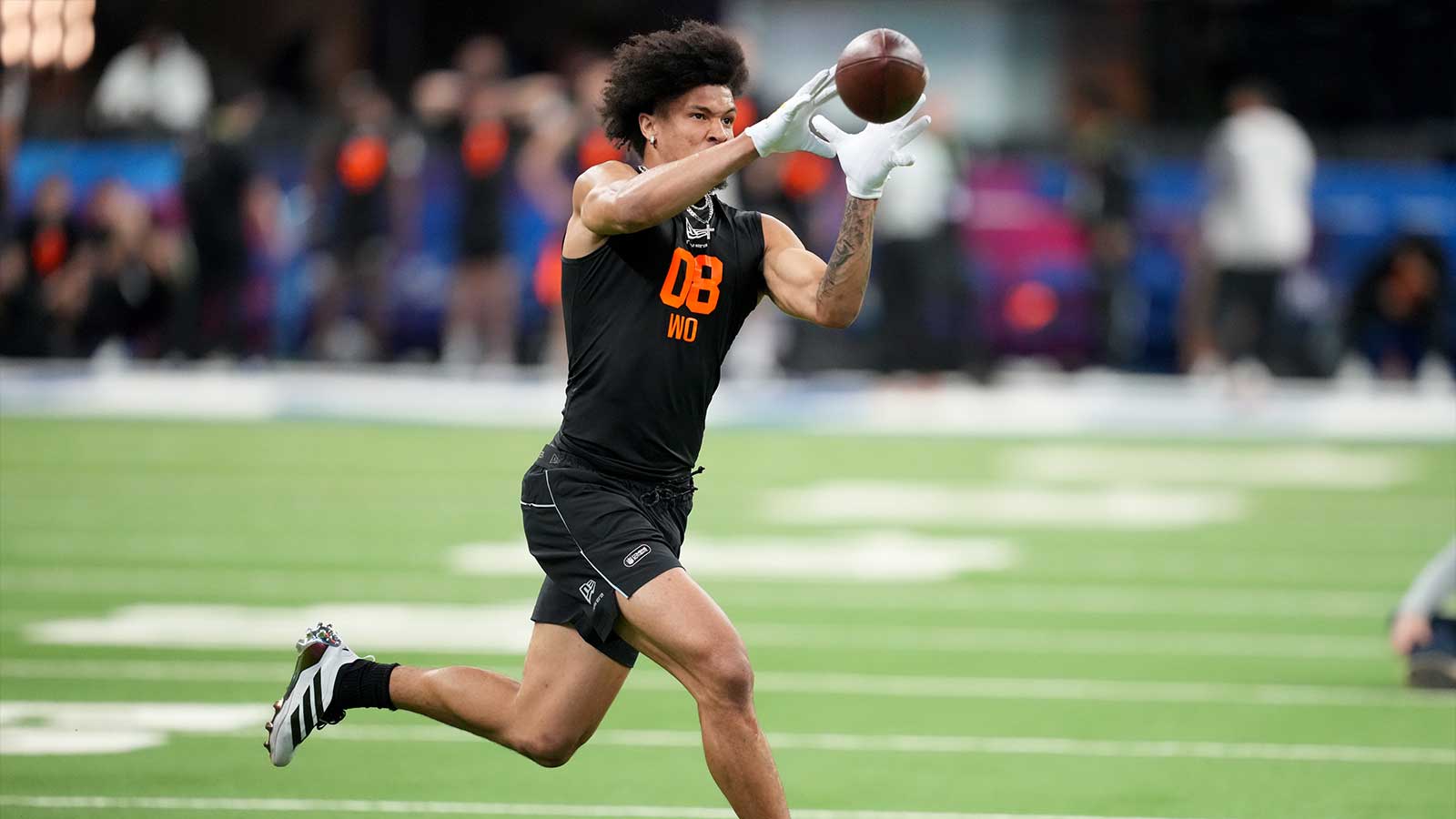
Adding a wide receiver like Denzel Boston in the late first round is an appealing option since the arguments in favor of it seem compelling.
By bringing in another target, the team would provide the quarterback with another weapon, create mismatches, and make the offense even more challenging to defend. With his size, catch radius, and local appeal, Boston becomes a particularly enticing candidate.
He is productive, physical, and easy to envision in a red-zone package as soon as minicamp begins. However, Seattle should resist this temptation, and General Manager John Schneider has already hinted at a counterargument while discussing Sam Darnold.
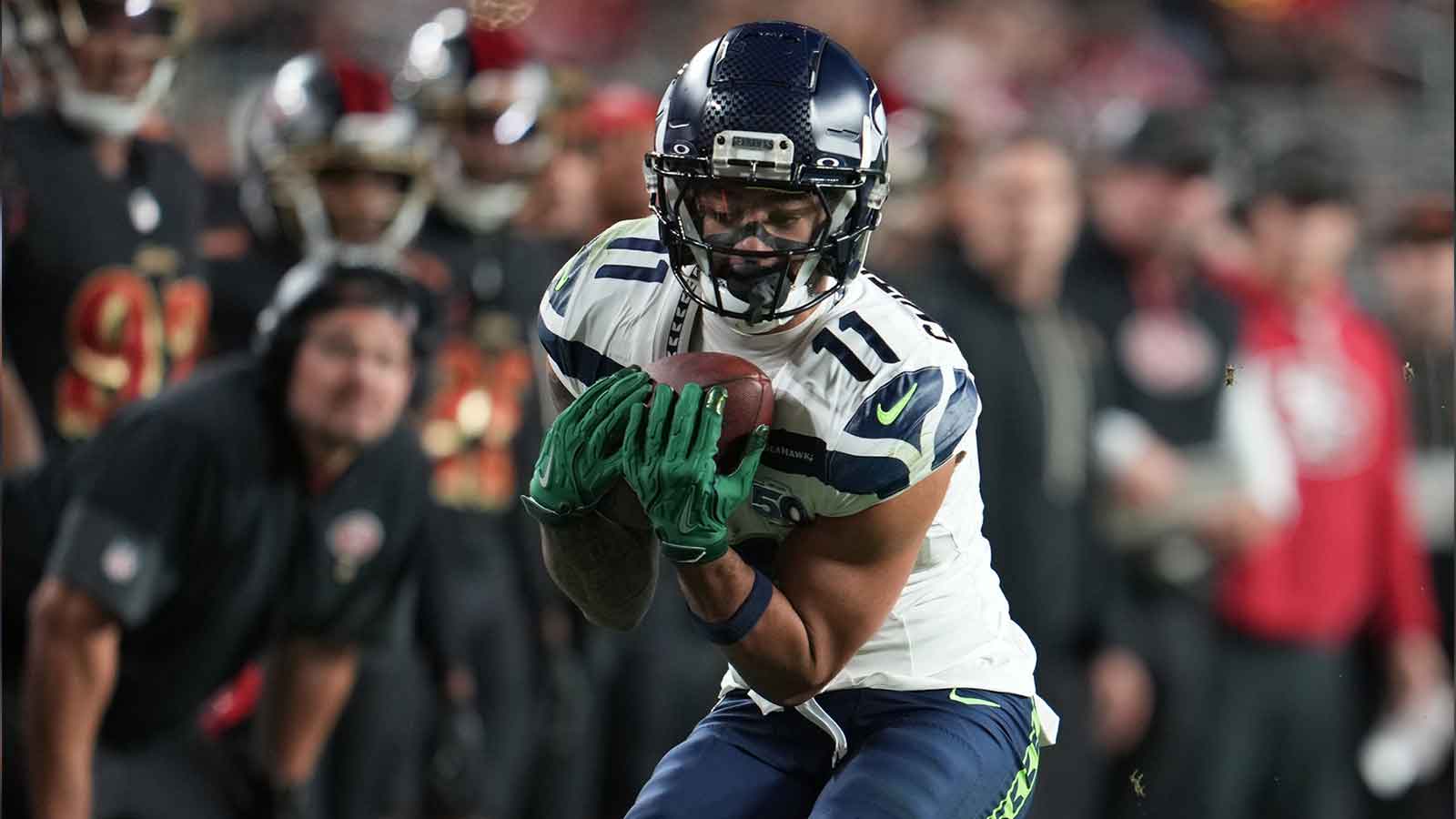
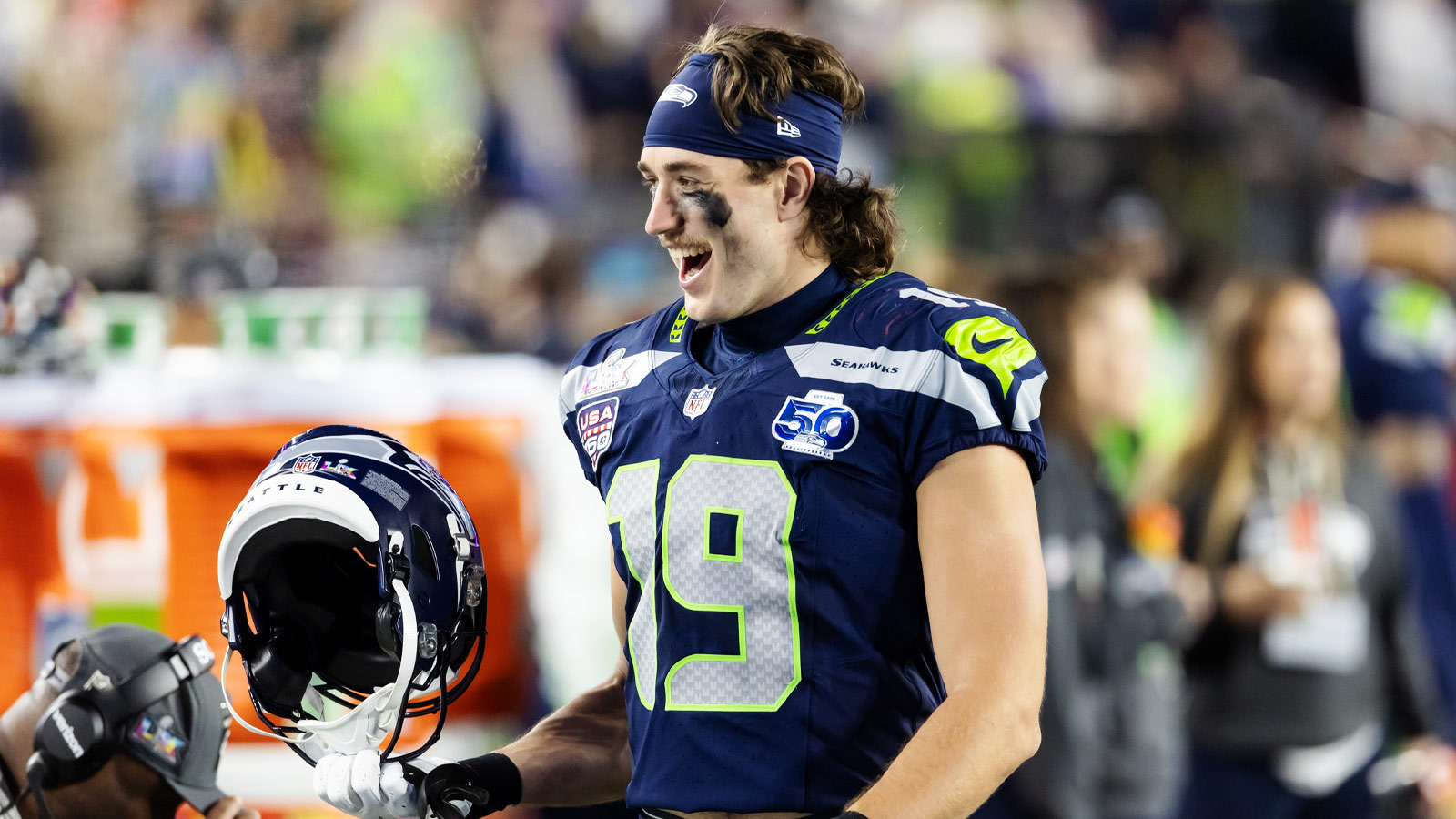
He emphasized the deeper chemistry Darnold has with players like Cooper Kupp, Rashid Shaheed, and Jaxon Smith-Njigba, while also praising the tight end group that includes Elijah Arroyo and A.J. Barner, and these comments indicate that the roster already has solid pass-catching options, rather than being in dire need of a first-round receiver.
Considering Smith-Njigba’s potential as a foundational player and Seattle’s commitment to investing heavily in the core of the offense, the rationale for adding another premium target begins to shift from necessity to mere desire.
While Boston has the potential to become a very good NFL player, that's not the crux of the issue.
The real question is whether Seattle should use its most valuable draft asset on a position group that already has multiple proven or emerging talents, especially when other areas of the roster may be more fragile, and with only four draft picks, each selection must serve a dual purpose: contributing talent while also addressing roster weaknesses.
A receiver selected at No. 32 could enhance the offensive options, but it wouldn't effectively address potential vulnerabilities in the offensive line or the defense, which has lost significant players following a championship season.
There's also a common trap for contenders fresh off a title: once the offense appears stable, the inclination to turn it into a showcase can emerge, and this mindset often distracts teams from the tough, necessary decisions that maintain their strength.
Seattle should not use the final pick of the first round to make an already effective passing game marginally more glamorous. Instead, they should focus on building a roster resilient enough to endure another demanding season.
While a contender with ample draft capital can afford a single luxury pick, Seattle is not in that position, and they are operating with precision and scarcity, especially after losing key contributors in March.
Schneider’s comments regarding roster construction advocate for a disciplined approach that prioritizes position value, competition, and foundational players, and following this logic, the options on the draft board should quickly narrow.
The team should steer clear of selecting a quarterback apprentice, a luxury safety, or an extra receiver that may appear smarter on paper than in real-game situations.
A repeat championship run requires a more pragmatic approach, and the Seahawks would be wise to keep this in mind as the draft clock begins to tick.