Dynasties aren’t built on what you’ve done but sustained by what you do next. The Seattle Seahawks just climbed to the top of the NFL mountain. History, though, has never been kind to teams that assume the view will stay the same. The margin between champion and contender is razor-thin. For Seattle, that margin has quietly widened over the past few weeks. Free agency has stripped away key elements of what made them dominant. Now, as the 2026 NFL Draft approaches, the Seahawks face a familiar but dangerous challenge. They need to replace elite production without losing their identity. Because if they get this next move wrong, the “Dark Side” that terrorized the league could start to fade faster than anyone in the Pacific Northwest is ready to admit.
2025 redefined dominance
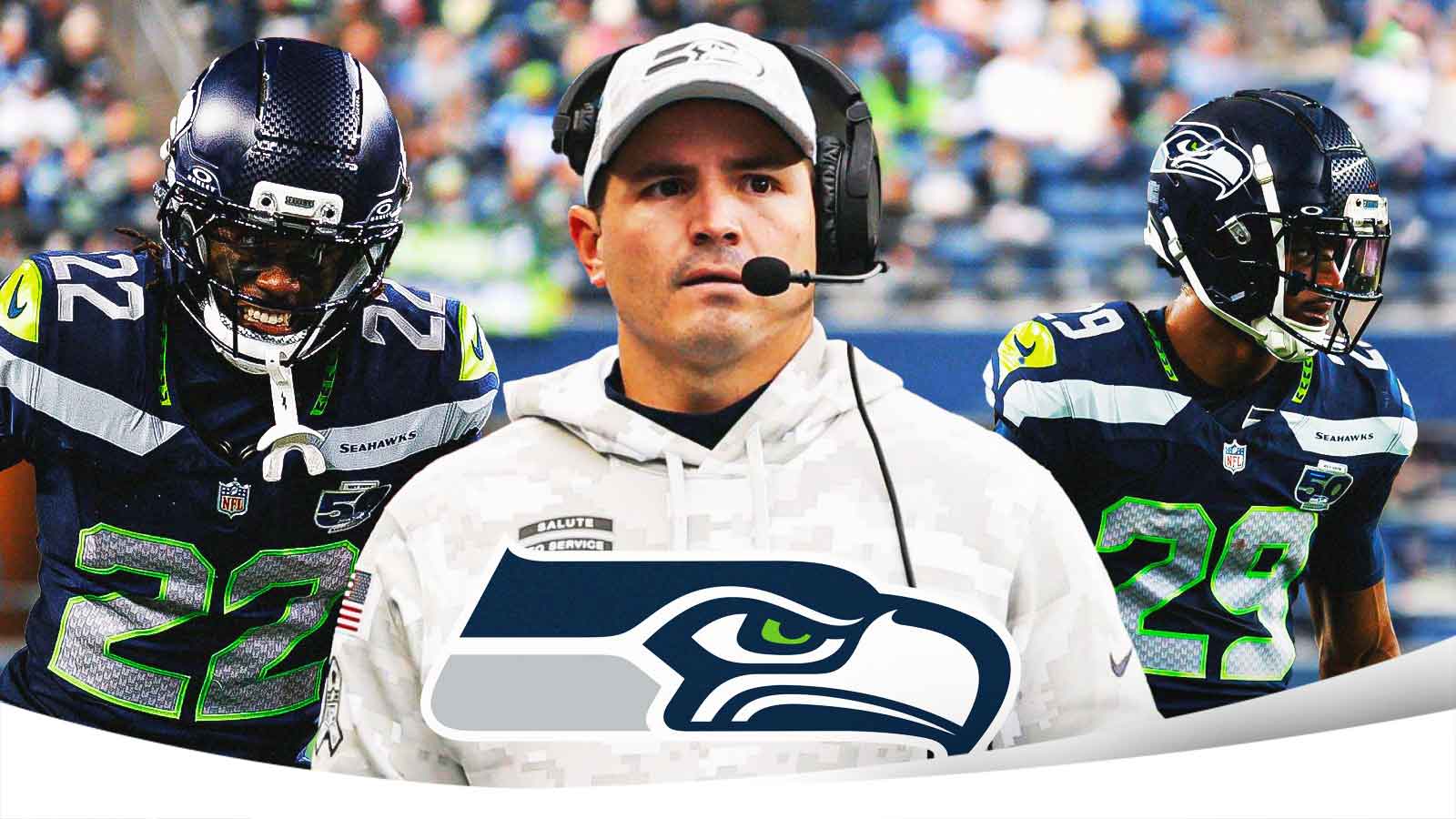
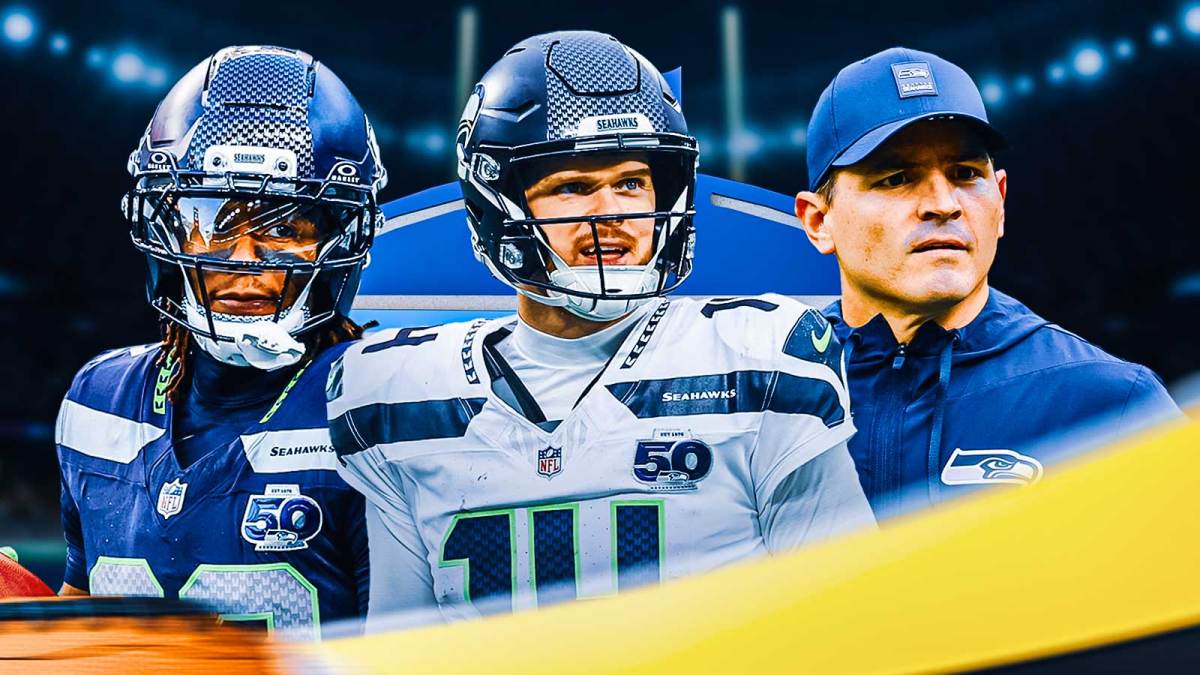
2025 was nothing short of a masterpiece in Seattle. They booked a 14-3 campaign that secured the NFC’s top seed and reestablished the Seahawks as a powerhouse. Mike Macdonald’s defense lived up to its name, allowing the fewest points in the league and suffocating opponents with discipline, speed, and calculated aggression.
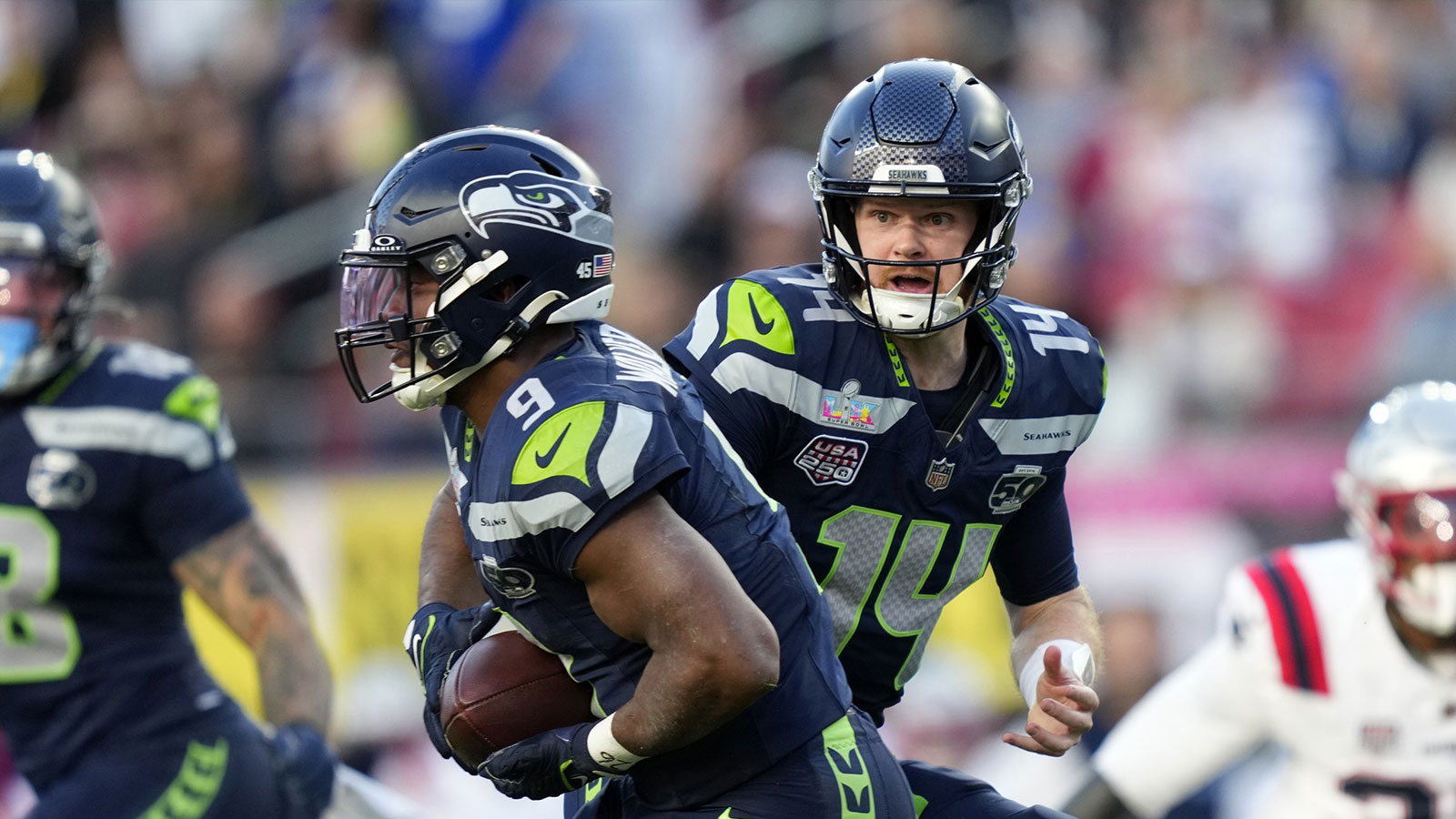
On offense, Klint Kubiak’s system unlocked the best version of Sam Darnold. He operated with precision and confidence. Meanwhile, Jaxon Smith-Njigba ascended into superstardom. He captured Offensive Player of the Year honors and rewrote franchise records. The Seahawks controlled games, finishing with a staggering +191 point differential.
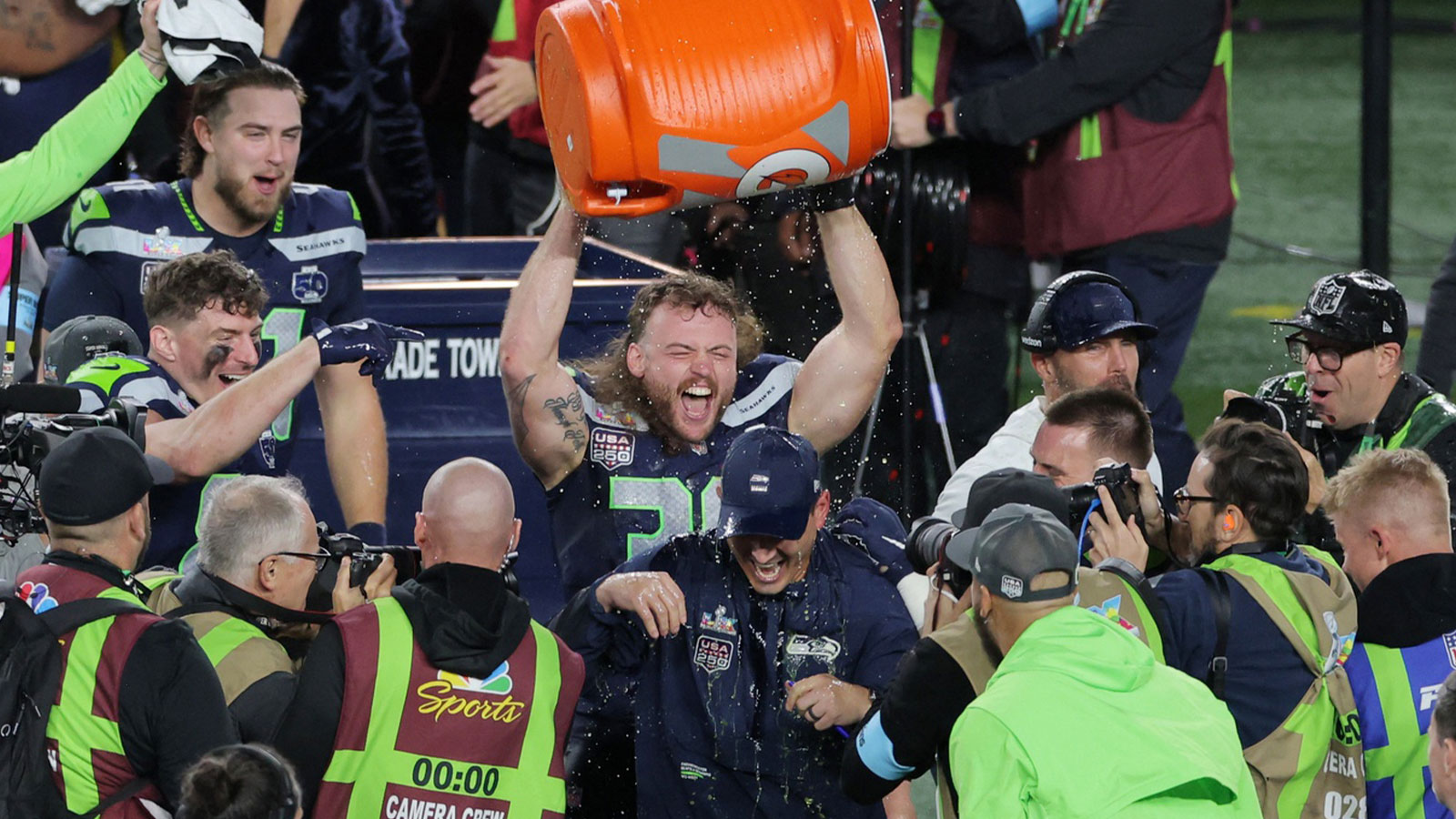
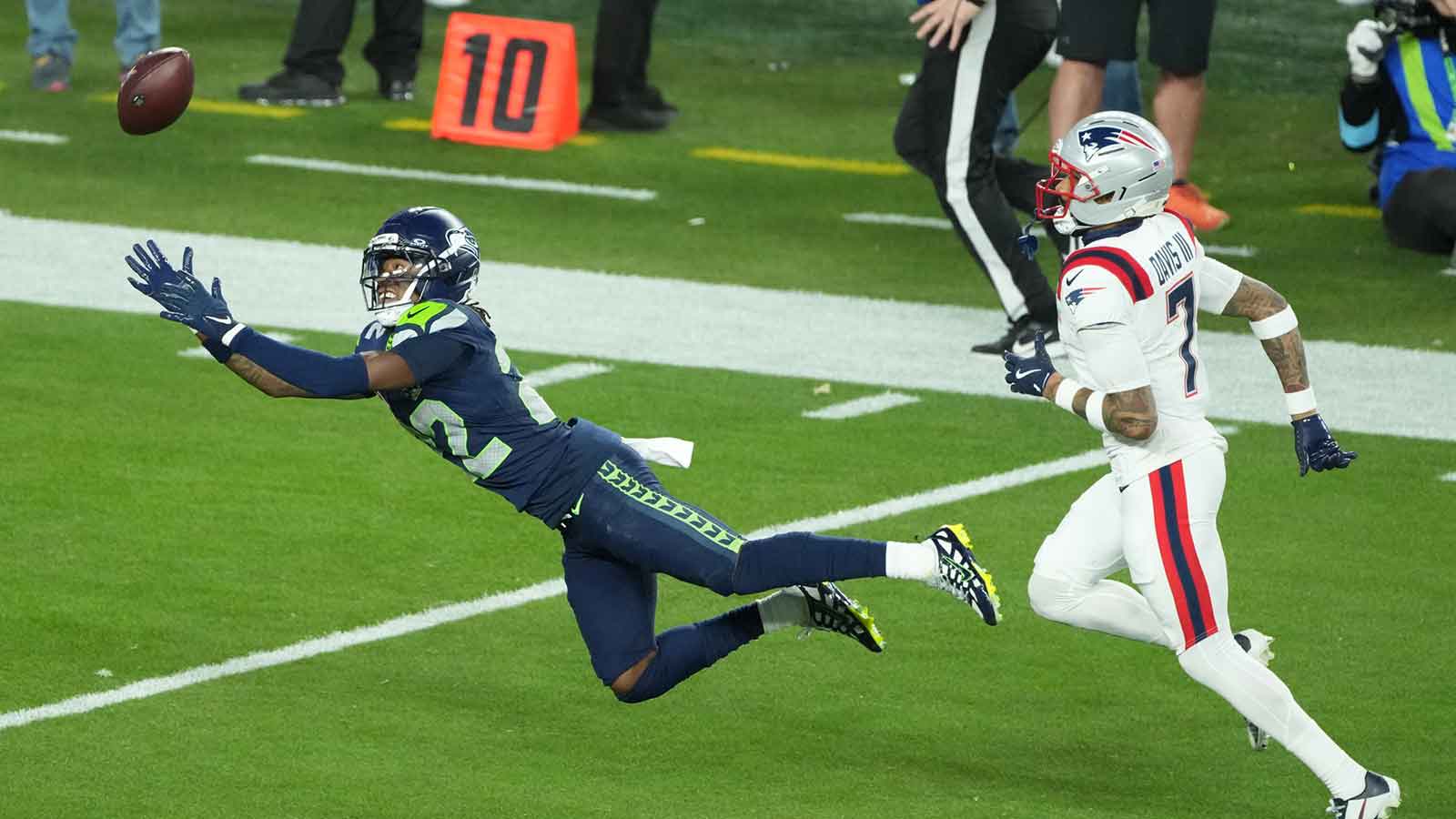
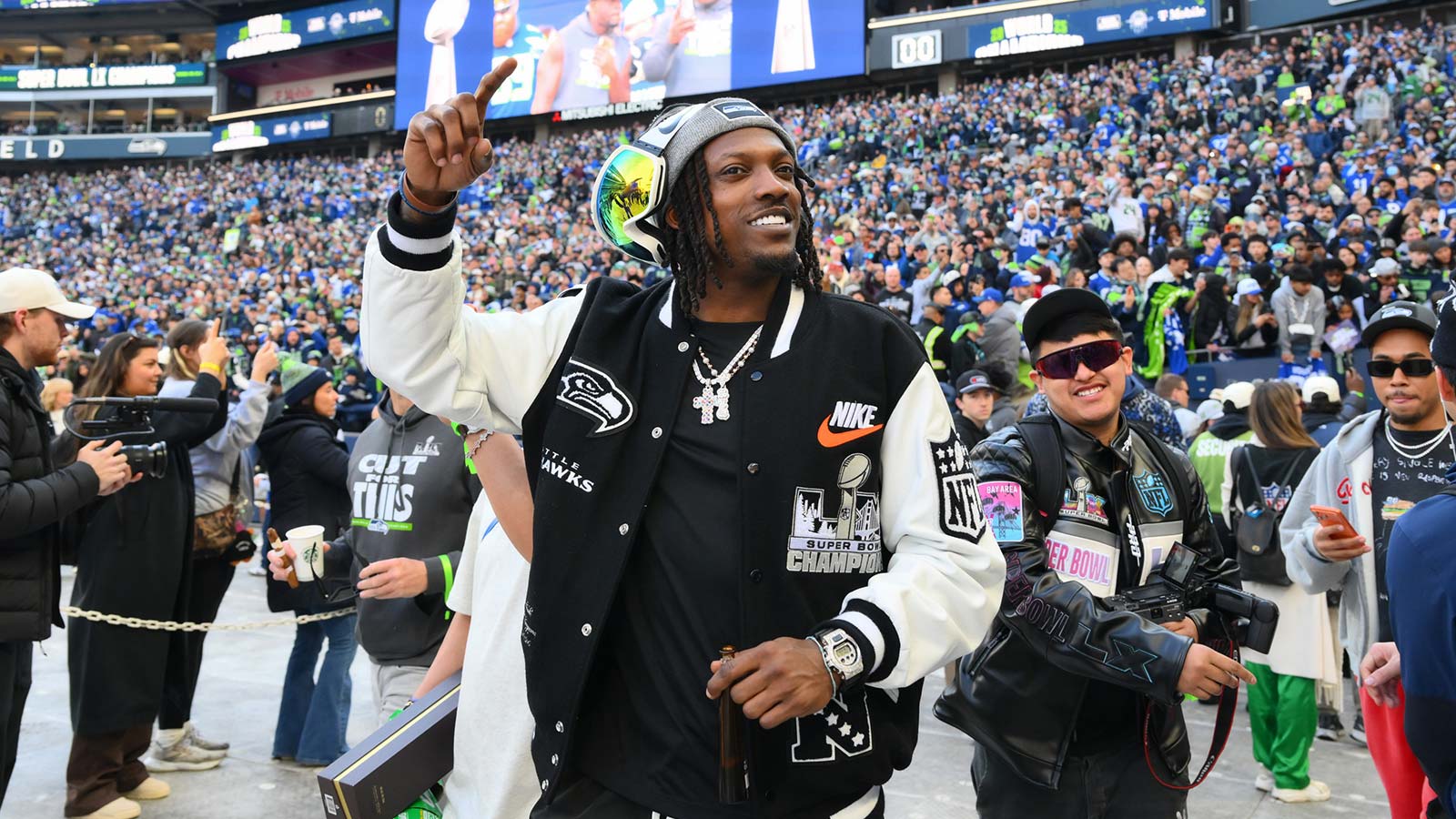
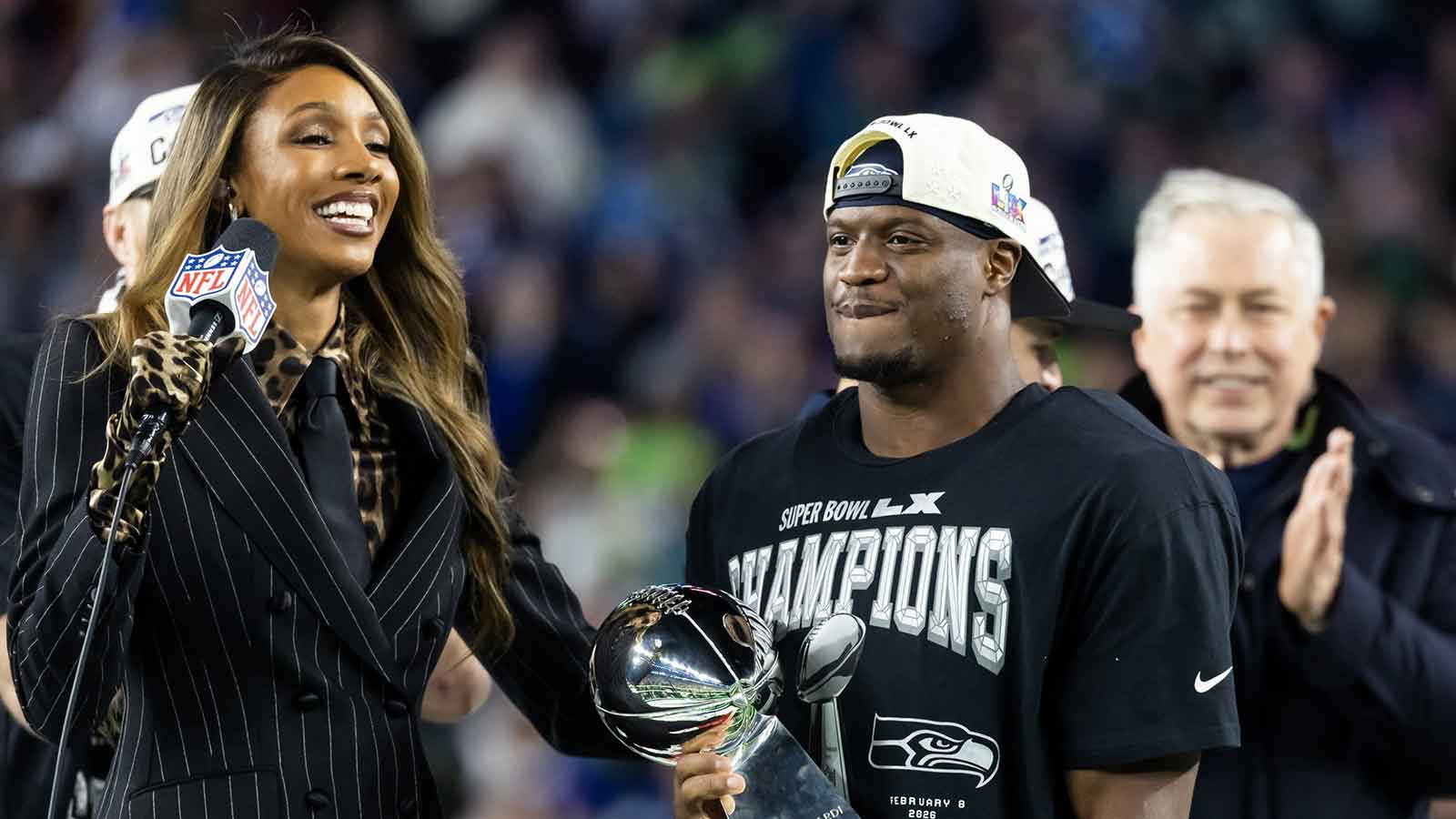
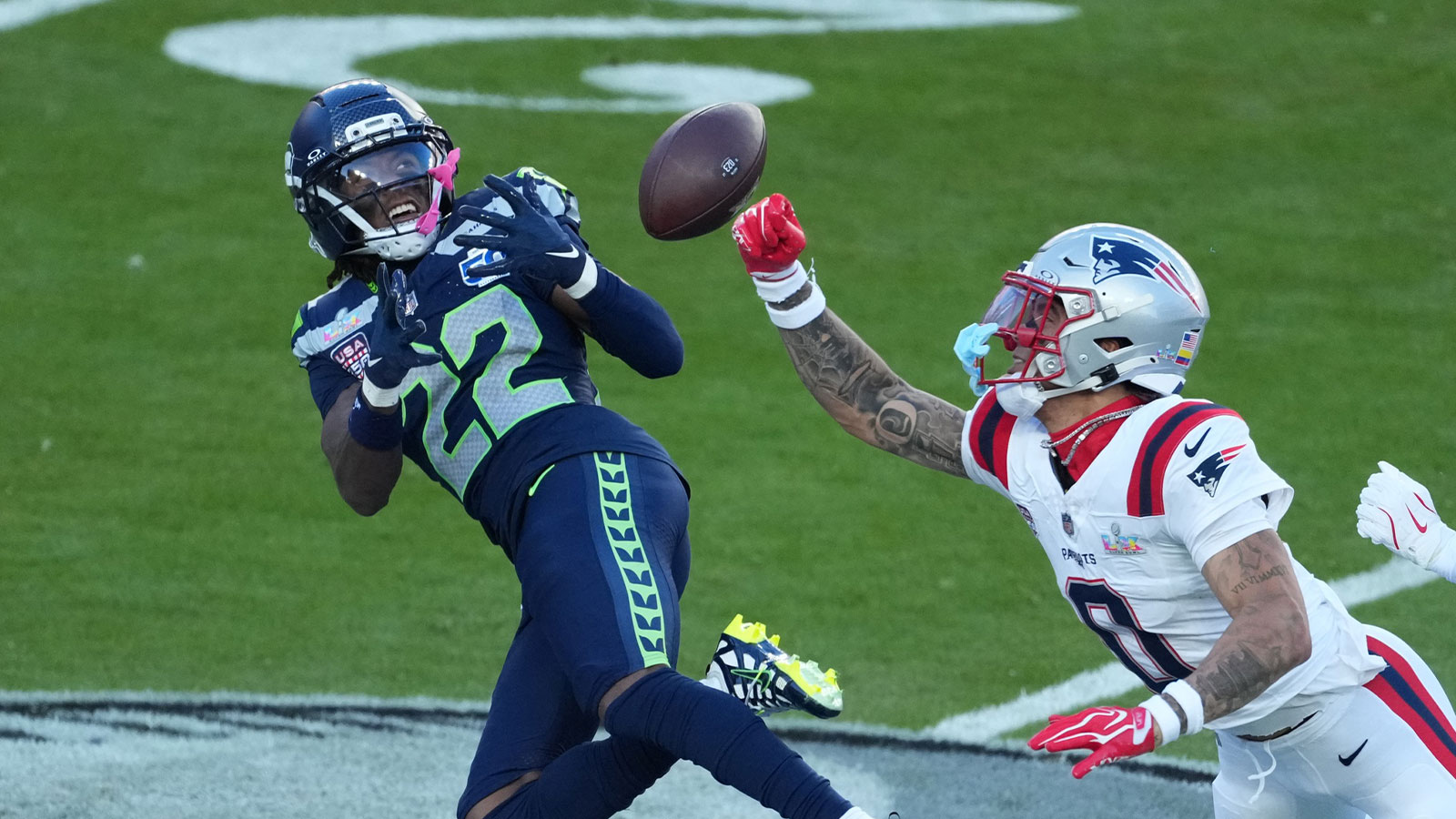
The season’s crowning achievement came in Super Bowl LX. Seattle dismantled the New England Patriots 29-13 behind a relentless run game and a historic kicking performance from Jason Myers. It was an outstanding statement. Seattle had arrived as the NFL’s next great power.
Free agency dismantled pillars
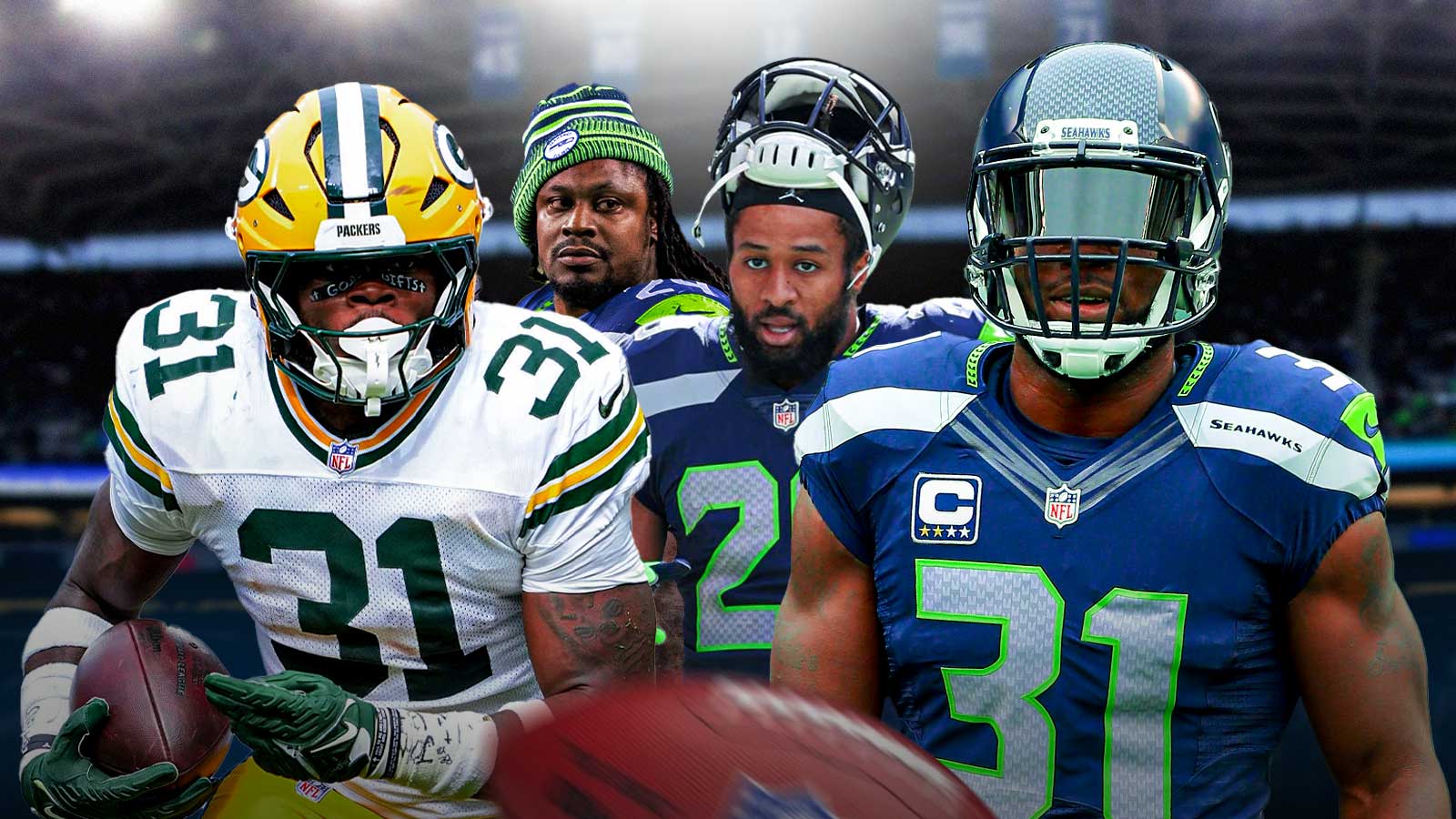
And yet, success comes at a cost. The 2026 free agency period has felt less like a celebration and more like a necessary teardown. The salary cap forced difficult decisions, and Seattle paid the price. Super Bowl MVP Kenneth Walker III departed for Kansas City, removing a foundational piece of the offense. On defense, the loss of Boye Mafe to Cincinnati stripped the pass rush of its most dynamic edge presence.
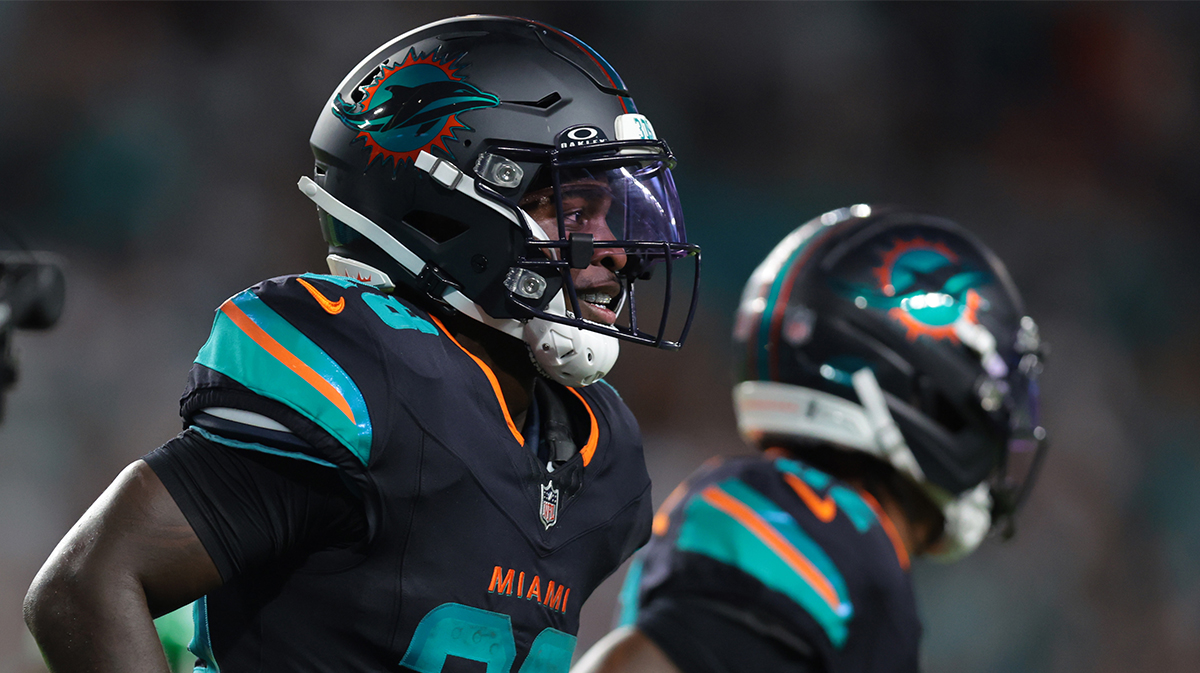
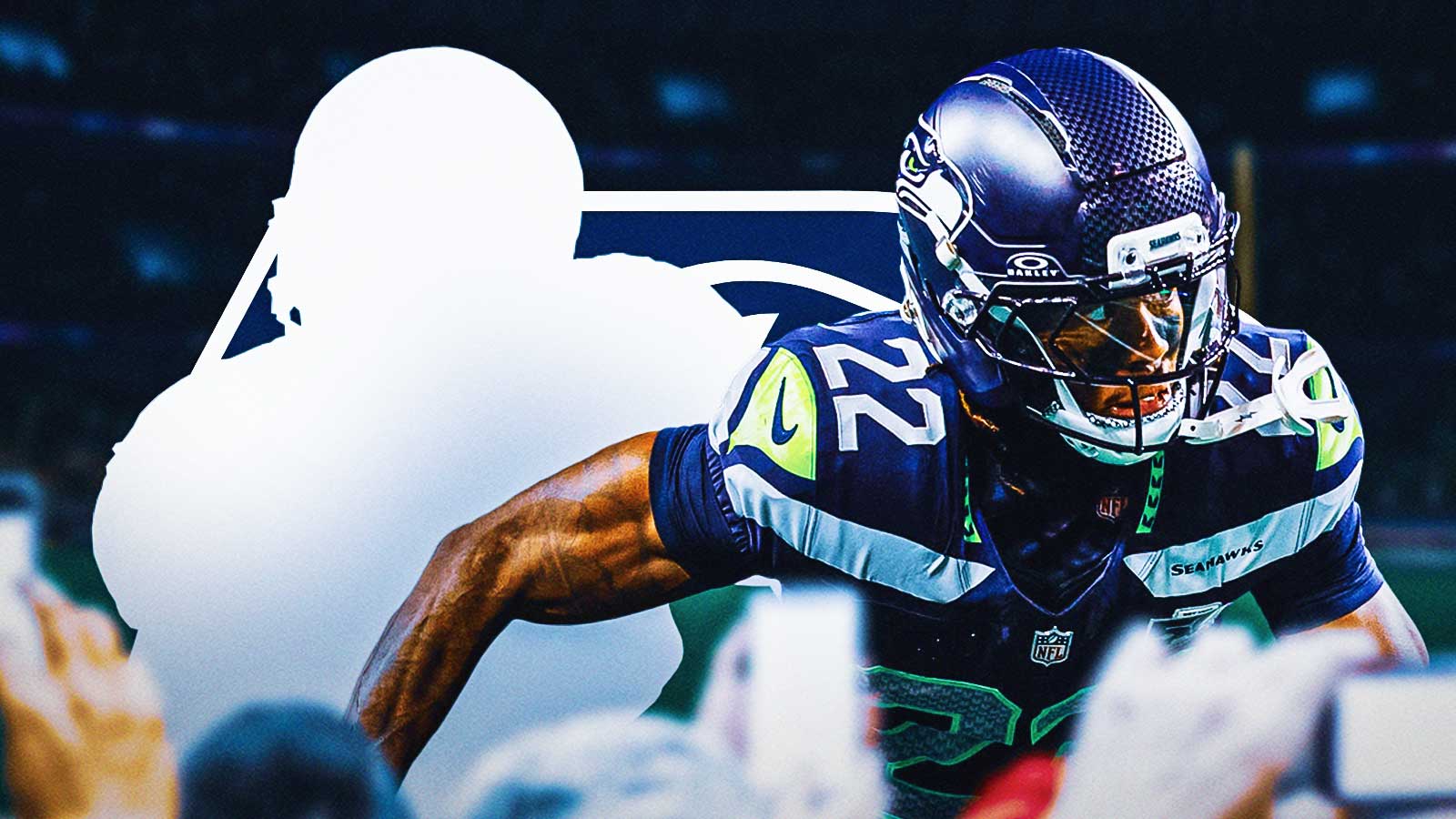
The secondary also took hits. Riq Woolen signed with Philadelphia, while Coby Bryant moved on to Chicago. These weren’t fringe contributors but core pieces of a championship formula.
GM John Schneider did what he could to stabilize the roster. They retained Rashid Shaheed and brought in veterans like Noah Igbinoghene and Rodney Thomas II. These moves, though, felt more like maintenance than momentum. Now, the Seahawks need to recalibrate because of a new vulnerability.
Biggest need
That vulnerability is clear: the Seahawks need a high-impact, blue-chip edge rusher. The departure of Mafe didn’t just remove production but identity. Seattle’s defense thrived because it could generate pressure with four. It allowed Macdonald to deploy complex coverages behind a disciplined front. That formula depends on having edge players who can consistently win one-on-one matchups.
Right now, that certainty is gone. DeMarcus Lawrence remains a respected veteran presence. Uchenna Nwosu brings experience and toughness. Lawrence, however, is in his mid-30s. Asking aging players to carry the pass rush in a division loaded with offensive firepower is a gamble. The Seahawks no longer have that explosive, twitchy edge threat who forces offenses to adjust protection schemes.
In the modern game, that’s a critical loss. Without consistent edge pressure, quarterbacks get comfortable. They step up, extend plays, and eventually find openings even against elite secondaries. Seattle’s defensive success in 2025 was built on shrinking those windows. Without a premier edge presence, those windows widen.
Draft a game-wrecker
The Seahawks’ approach to free agency suggests this outcome was anticipated. Elite edge rushers rarely hit the open market. When they do, they come with massive price tags. Seattle chose not to overextend financially. Instead, they bet on their ability to develop talent through the draft.
Now that bet must pay off. Holding the No. 32 overall pick, the Seahawks are in position to find their next defensive cornerstone. That will only happen if they approach the draft with urgency and clarity. This is not the time for developmental prospects or rotational depth. Now is the time to identify and secure a player who can make an immediate impact.
Seattle needs a true “game-wrecking defender” with the explosiveness, bend, and power to disrupt offenses from day one. The Seahawks need someone who demands attention, commands double teams, and creates opportunities for the rest of the defense. Without that presence, the entire system changes.
Macdonald’s scheme works best when it can dictate terms. Without edge pressure, it becomes reactive. Blitz rates increase. Coverage responsibilities stretch. And eventually, even the best defenses crack.
Protecting the identity of a champion
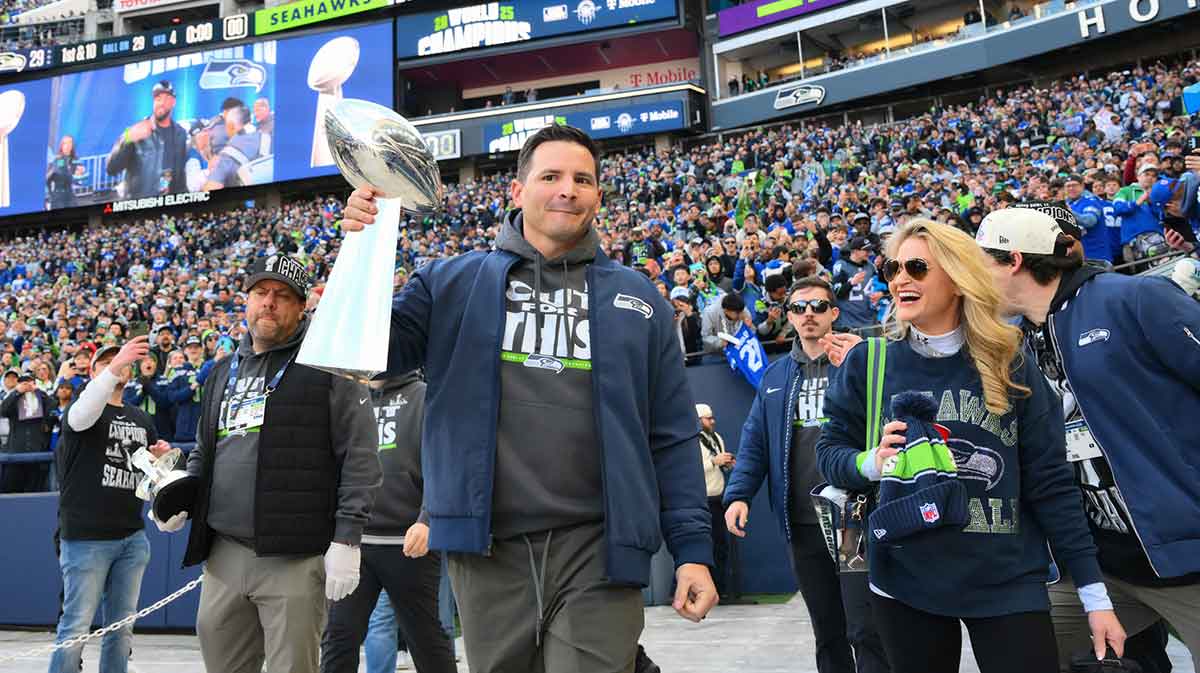
The Seahawks are still a championship-caliber team. Their core remains strong, and the coaching is elite. The culture is intact.
Of course, the NFL doesn’t reward yesterday’s success. The loss of key contributors in free agency has created a narrow but critical gap that must be addressed before the season begins. If Seattle finds the right edge rusher in the draft, the transition becomes seamless. The defense reloads, and the Seahawks remain firmly in control of their destiny.
If they don’t, the consequences will show up quickly and painfully. Seattle built its championship run on pressure, discipline, and identity. Now it must rebuild the one piece that made all three possible.