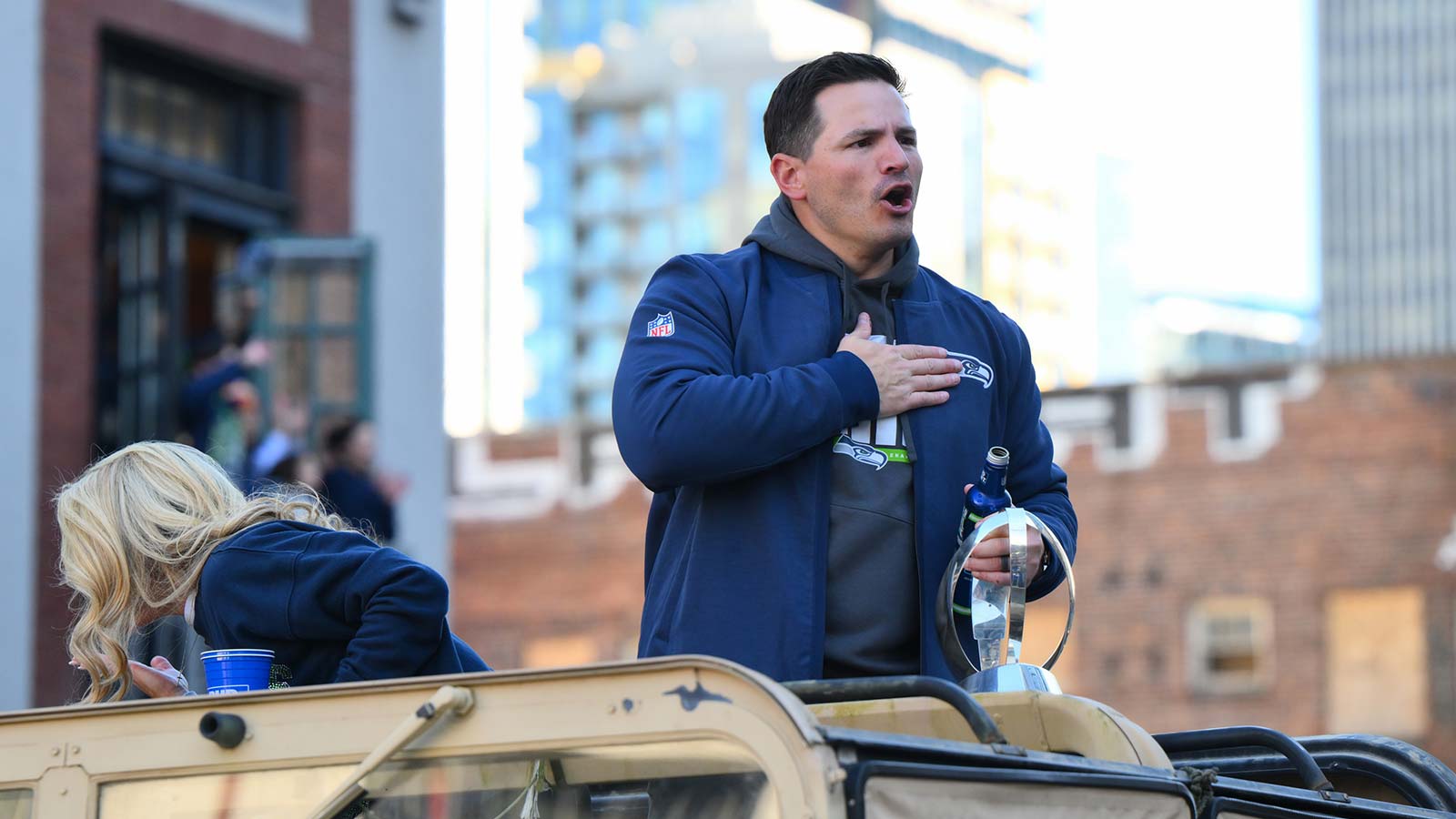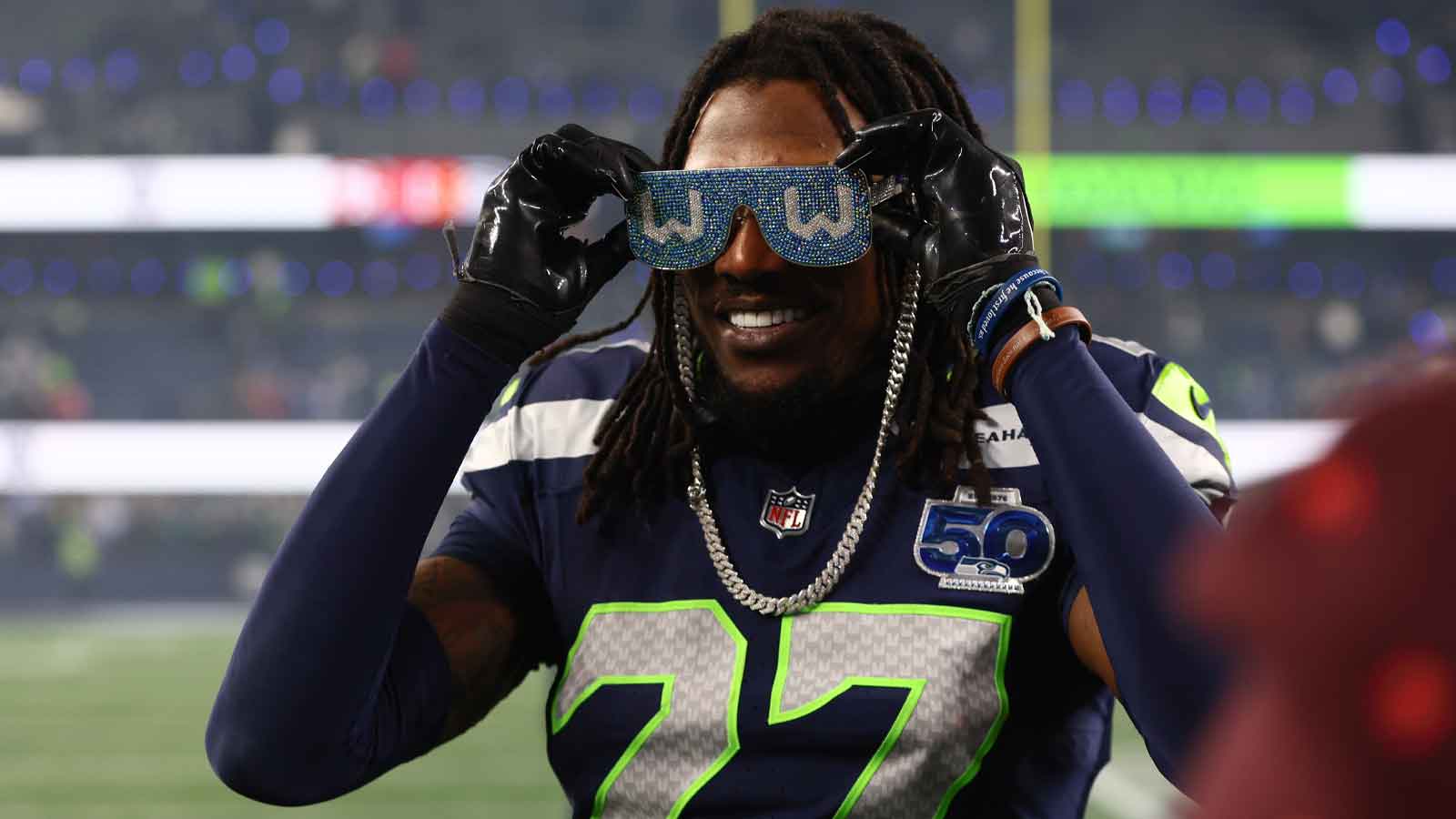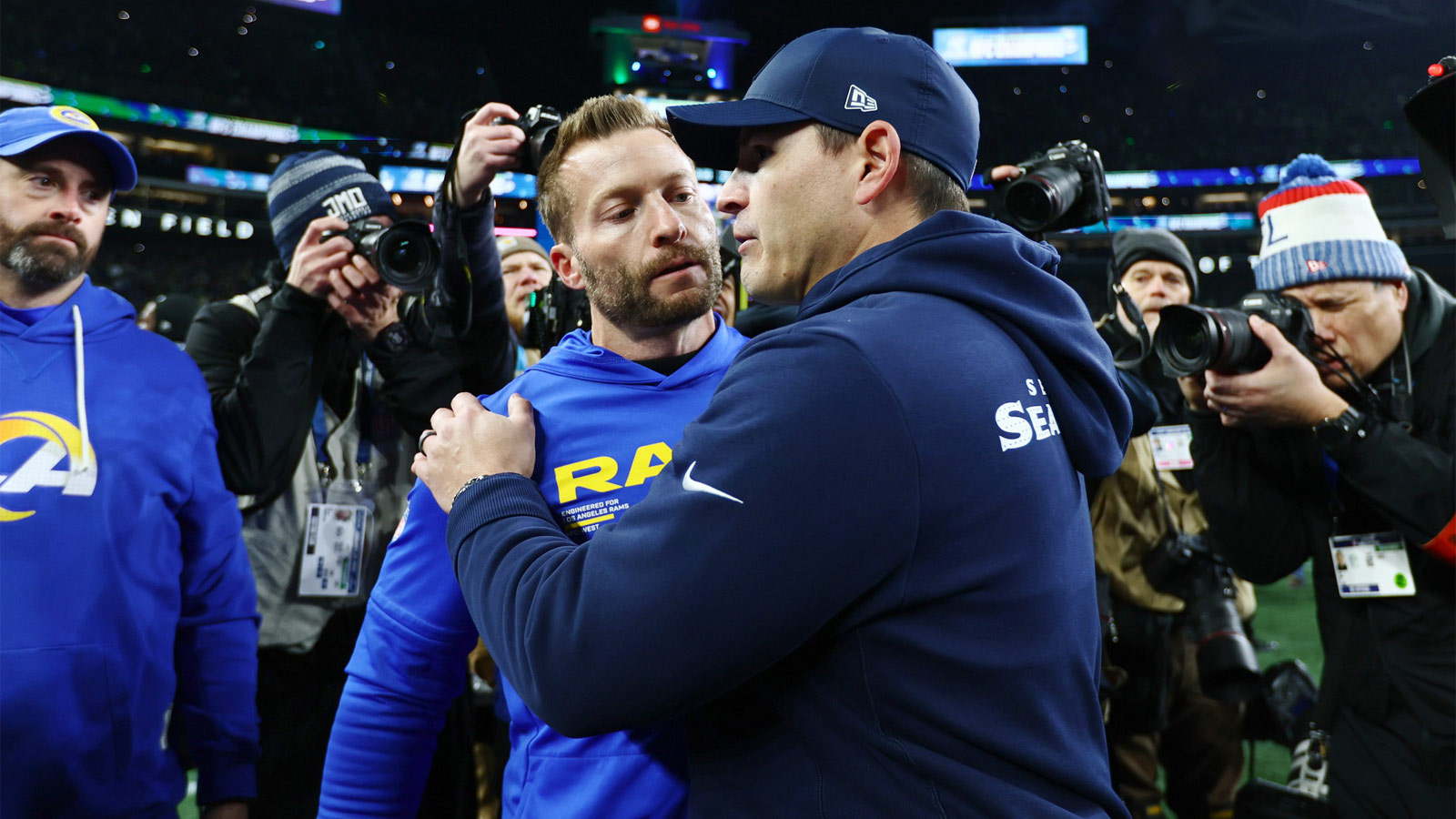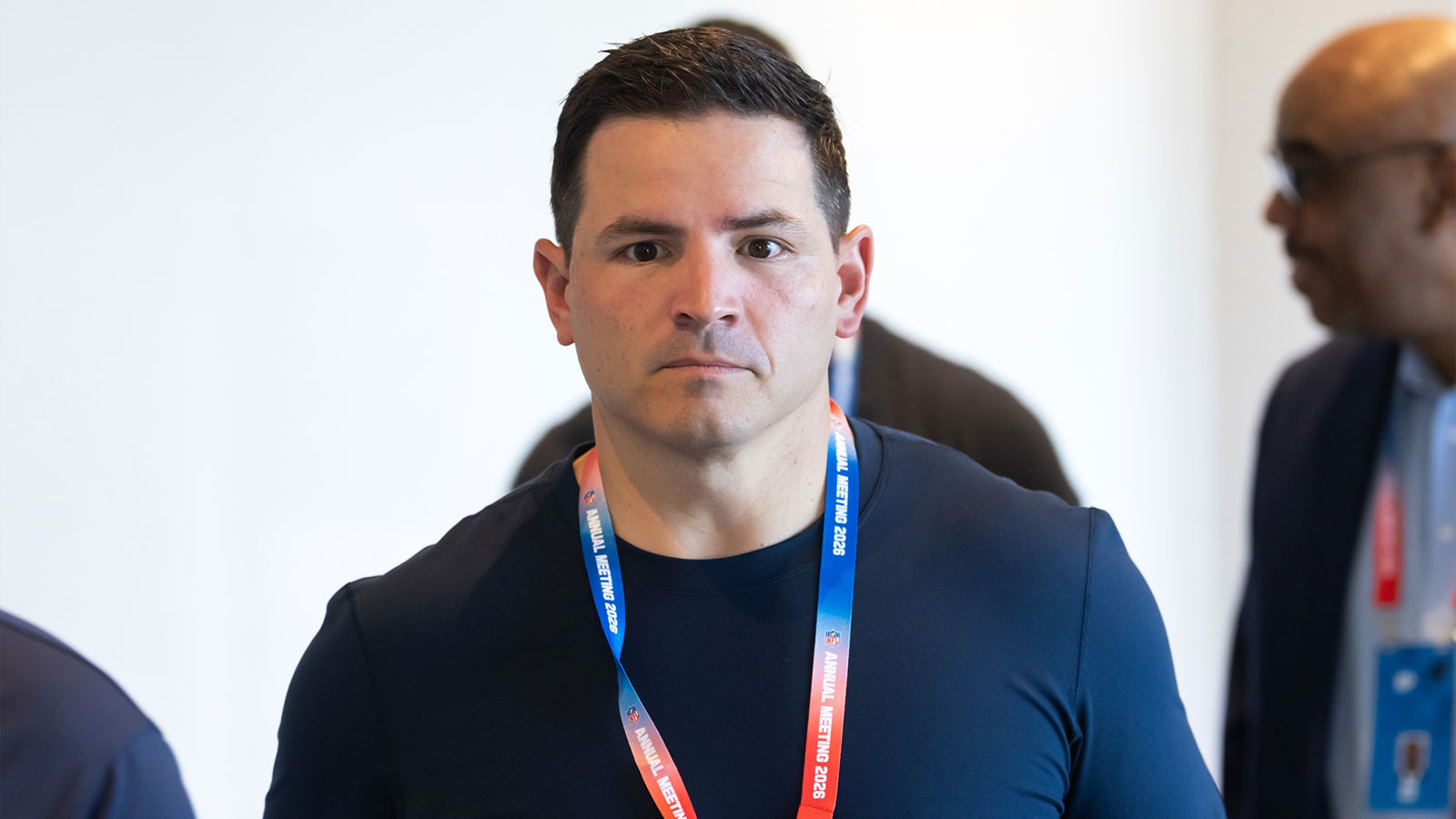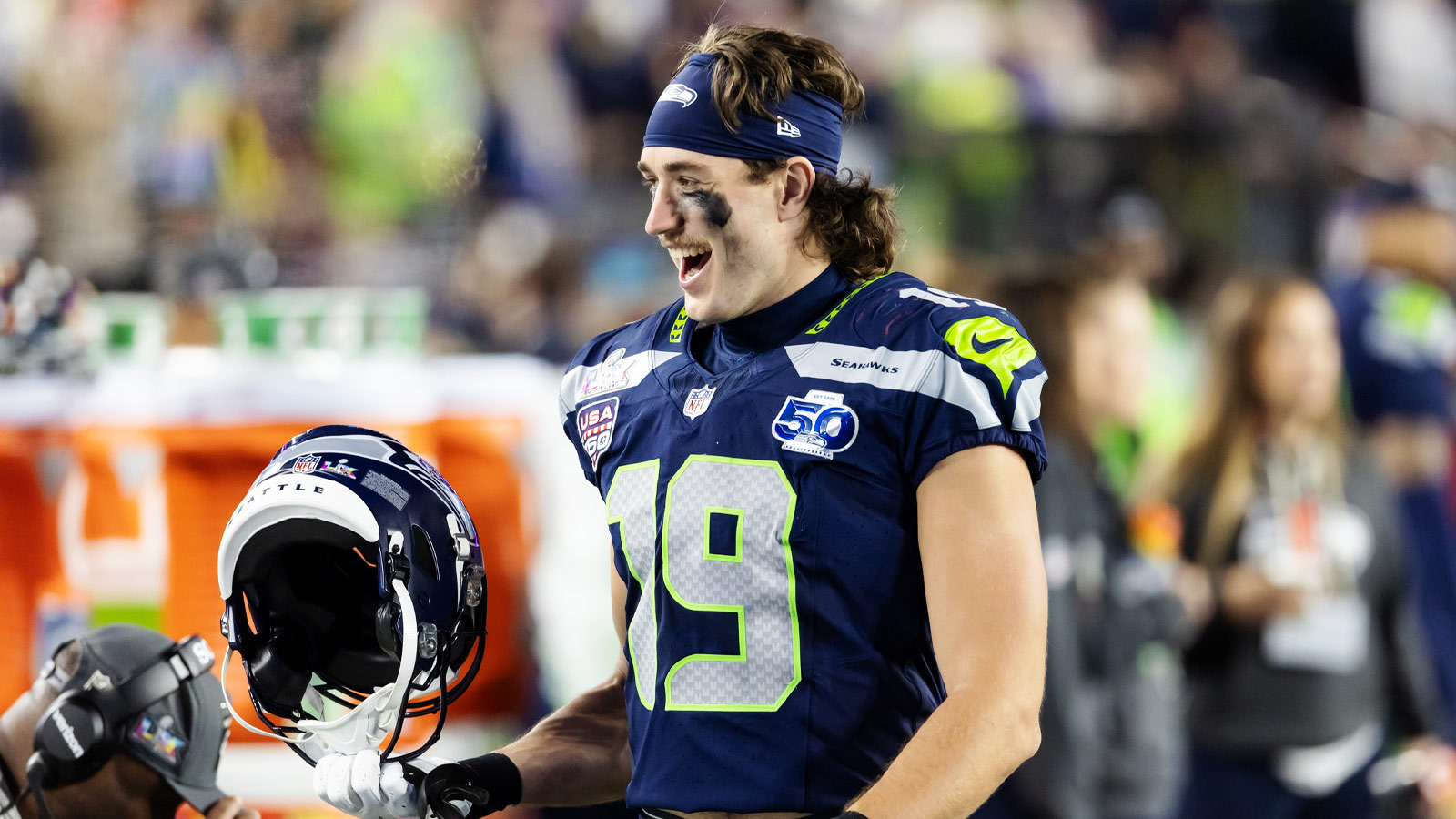

In this new year, the Seahawks managed to retain some key players during the offseason, with Josh Jobe signing a three-year deal after Coby Bryant left for Chicago, and Rashid Shaheed returned on a three-year, $51 million contract, despite concerns that he might leave. On paper, this gives the reigning Super Bowl champions continuity in the secondary and keeps one of their most dangerous special teams players. However, this overview only tells part of the story of Seattle’s first week.
The larger context reveals that the Seahawks also lost Kenneth Walker III, Boye Mafe, Riq Woolen, and Bryant. Thus, this situation was about determining which losses the team could endure.
To me, the most significant mistake Seattle made was allowing the running back position to become a problem so early in the offseason.
This isn’t about running back being the most valuable position in football, it's not. Nor is it that Kenneth Walker III is irreplaceable; no player is.
The mistake lies in the timing, the roster context, and the way this offense is structured. They did lose a luxury piece and also the key running back who had become central to the offense's ability to stress a defense.
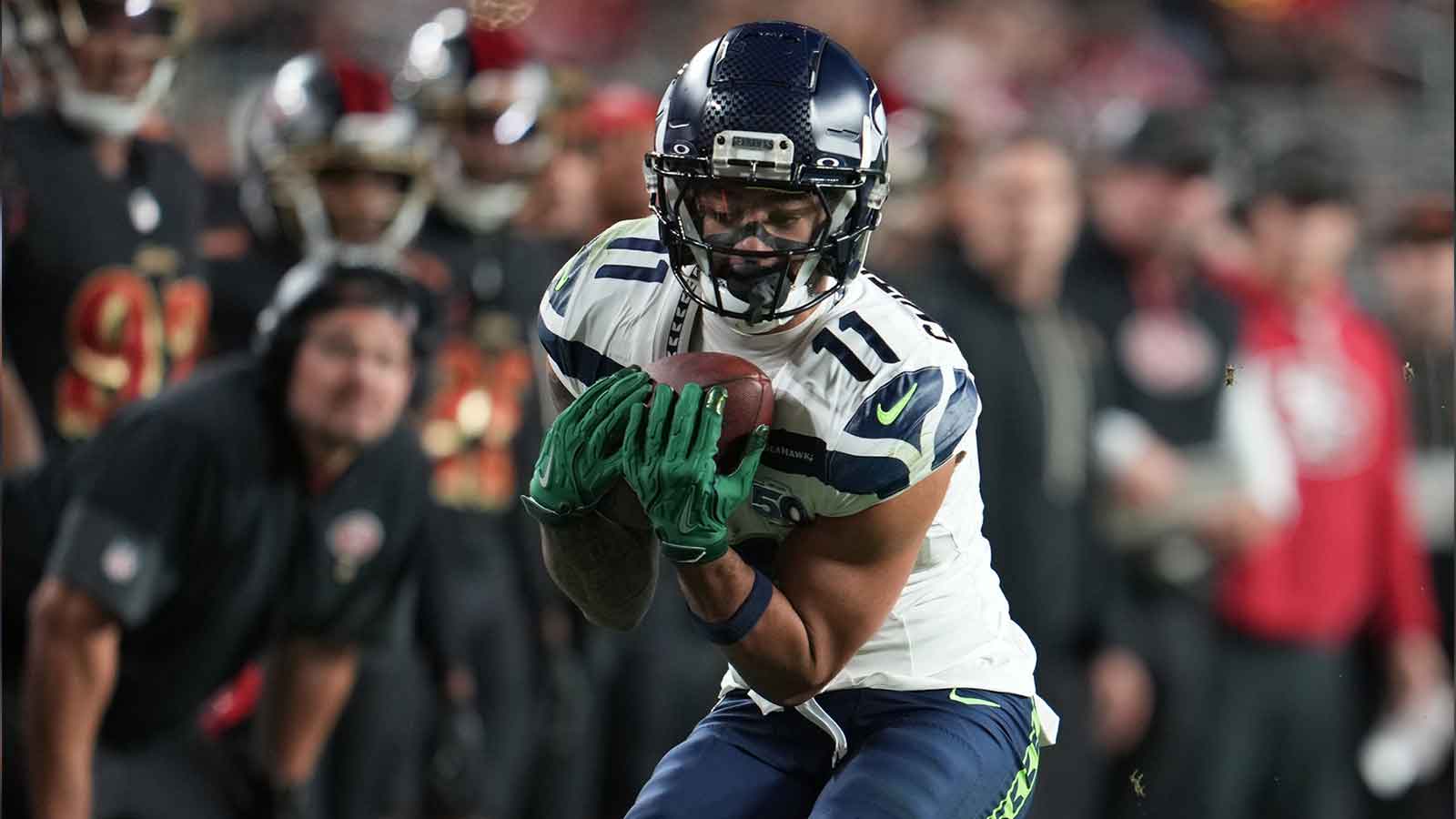
Furthermore, this loss came at a time when Zach Charbonnet’s health already made the backfield less stable than it appeared.
During the opening week, the only external addition was Emanuel Wilson on a modest one-year deal, which is not a complete solution, but merely a temporary fix.
This distinction is crucial because Mike Macdonald’s Seahawks did not win the Super Bowl by relying on the quarterback to throw 45 times and solve all their problems.
They succeeded through balance, with a defense that forced opponents into uncomfortable situations, and an offense capable of being aggressive when necessary, surprising the Patriots with an awesome game, and Walker was vital to that strategy because he was productive but also the type of back who altered how defenses approached the game.
There is a significant difference between a runner who can consistently gain four yards and one who makes linebackers hesitate, transforming a routine play into a potential 40-yard gain. Walker was the latter type of runner.
They were fully aware of Walker's value, and this wasn't a case of a front office being blindsided by the market.
Walker's value had been rising for months, especially after his playoff performance and the Super Bowl spotlight.
The Seahawks opted not to franchise him, monitored the shaping of the market, and then saw Kansas City award him a three-year deal worth over $43 million.
If that price was too steep, that's understandable; teams should know their limits.
However, if you establish that boundary, you need to have a plan in place for your next steps.
You must have the position defined and the room structured so it feels like there’s a real strategy at play, rather than just relying on temporary fixes.
This is where Seattle’s Week 1 activities troubled me the most, to be honest.
The Seahawks acted like a team that believed it could maintain the backfield's integrity without paying premium prices, but the situation was already precarious before Walker’s departure. Charbonnet had knee surgery in late February, and despite public optimism about his recovery, the timing should have urged them to be more aggressive in securing additional options.
Instead, the backfield went from being a strength to a significant question mark in just a few days. Emanuel Wilson is a decent player, but he is not Walker, and he doesn’t provide the level of assurance a contending team needs.
One could argue that the Seahawks' more substantial losses occurred on defense.
The departures of all those players this year are indeed painful, and if the Seahawks had taken no action at cornerback, I would be much more critical of that aspect of their week.
However, at least there is a semblance of reasoning. Jobe was retained, Devon Witherspoon is still on the roster, and Mike Macdonald has shown he can effectively manage a secondary.
The front office is already linked to potential cornerback prospects in the draft, indicating they are aware of their vulnerabilities, and while the plan may not be ideal, there is a clear rationale behind it.
Did the Seahawks make a lot of mistakes?
In contrast, the reasoning concerning the running back situation is much harder to justify because the team did not find itself in a position of overwhelming depth and simply chose a more economical route.
Instead, they lost their most explosive back, their Super Bowl MVP, and a crucial component of their identity.
Their response indicated a belief that they had more time than they truly did, and with only four draft picks available, they faced a significant challenge.
This limited capital means they cannot casually assume they will find a suitable replacement in April.
Perhaps they will, but the uncertainty surrounding unresolved needs becomes more pronounced. They can no longer count on the draft to cover all their gaps.
The Shaheed deal is a key reason why this situation stands out to me.
I understand why the Seahawks decided to bring him back, obviously. He changed games as a returner, brought speed to the team, and was clearly valued in the locker room.
However, committing $51 million to him while losing Walker indicates a very specific bet about the source of the team's offensive strength.
They are betting that explosive speed on the perimeter and in the return game is more important than keeping the running back who made their run-first offense feel dangerous.
This is a legitimate philosophical choice, but I believe it's the wrong one for this team.
As I reflect on this, I do see the real mistake lies not in losing a good player in free agency, as that happens to championship teams regularly.
The mistake was allowing the offense to drift away from what made it difficult to defend and then assuming that the solution would present itself later.
Seattle's free agency week wasn't a disaster; it's important to note that.
The front office didn't operate blindly, but there’s a significant difference between avoiding disaster and actually strengthening your roster. The Seahawks managed to avoid disaster, but I don't think they did enough to enhance their championship pursuit.
What made last season’s Seahawks team special was its ability to adapt its playing style.
The team could play strong defense and focus on field position, allow the quarterback to manage the game, and hand the ball to a player who could disrupt a defense in a single snap.
This brings me back to my main point. The biggest mistake they made during the first week of free agency wasn't merely losing players; this is completely normal, as good teams often lose players every March.
Rather, it was allowing one of the most difficult positions to replace to leave, while treating that need as something that could wait.
For a championship team trying to defend its title, this kind of misjudgment may seem minor in March but can feel monumental at the end of the year, when the season truly starts.
Could the Seahawks be a title contender once again, aiming for their next championship win?