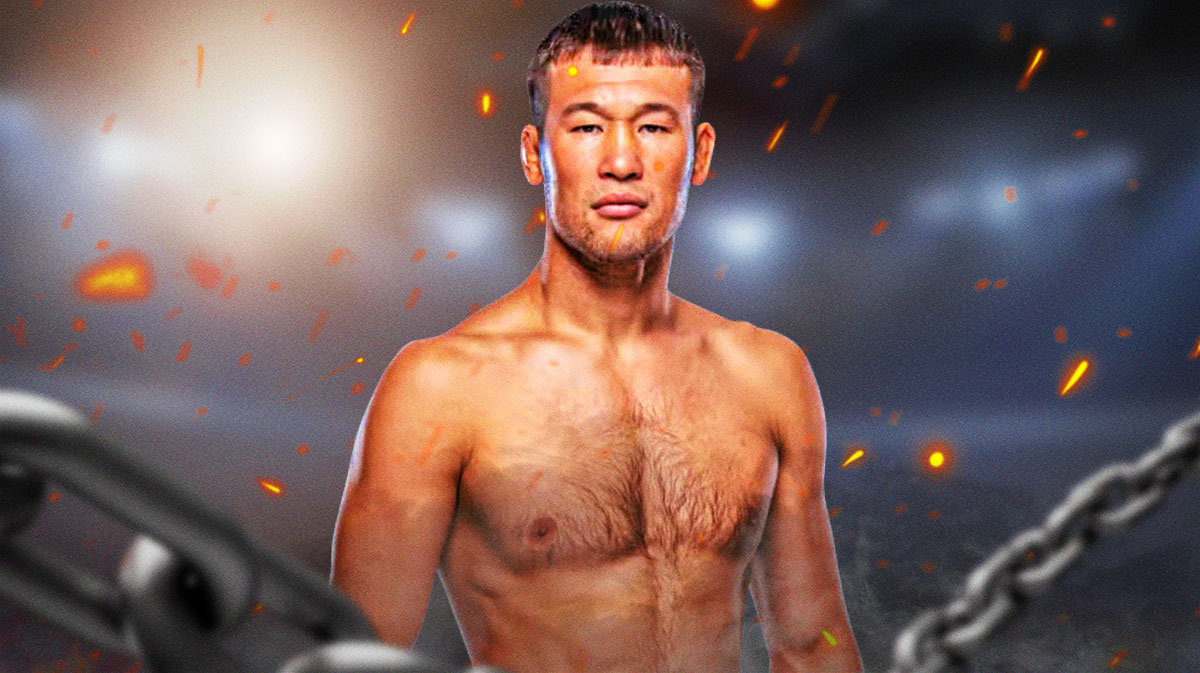
The MMA world received unfortunate news Monday when Shavkat Rakhmonov's management confirmed that the elite welterweight has re-injured the same knee that sidelined him since December 2024. According to manager Danny Rubenstein confirmed by Ariel Helwani, “Nomad” has undergone surgery once again, with an expected recovery timeline of 9-10 months — a devastating blow to both the fighter and the UFC's welterweight landscape.
🚨BREAKING🚨
Shavkat Rakhmonov has re-injured the same knee that has kept him out of action since December of 2024, according to his manager Danny Rubenstein.
“Nomad” has had surgery again and is expected to be out for 9-10 months😞
(first reported by Ariel Helwani) pic.twitter.com/xWW4M8Jf2T— Fighters Only (@FightersOnly) January 31, 2026
The Kazakh grappling specialist's injury troubles began over a year ago, forcing him to withdraw from competition at a critical juncture in his career. Rakhmonov was rapidly ascending the welterweight rankings, riding an undefeated UFC record and establishing himself as a legitimate threat to the division's elite. His unscheduled absence created a vacuum in the title conversation and left fans questioning whether “Nomad” would ever return to his devastating form.
Now, facing another surgical intervention on the same knee, Rakhmonov confronts a far more troubling narrative. Recurring injuries of this nature raise legitimate concerns about long-term durability—a critical variable for any fighter aspiring to championship gold. In a division as competitive and unforgiving as welterweight, 9-10 months away means missing significant momentum opportunities and watching contenders leapfrog him in the rankings.
The timing couldn't be worse for Rakhmonov's trajectory. While he's been recovering, the welterweight division has continued to evolve. Rising contenders have capitalized on the opportunity to stake claims for title shots, forcing Rakhmonov to essentially restart his push when he finally returns. For a fighter of his caliber, this represents not just physical rehabilitation but a psychological and strategic recalibration.
What makes this situation particularly concerning is the uncertainty surrounding Rakhmonov's physical condition moving forward. Knee injuries that require multiple surgical interventions sometimes create cascading biomechanical issues. Even after rehabilitation, fighters often struggle to regain their pre-injury explosiveness and confidence—elements that defined “Nomad's” game.
The UFC welterweight division waits for Rakhmonov's return, but the window for capitalizing on his momentum has undoubtedly narrowed. His management and medical team will have their work cut out for them, not just in the operating room and physical therapy clinic, but in rebuilding a career that appeared destined for championship contention just months ago.