
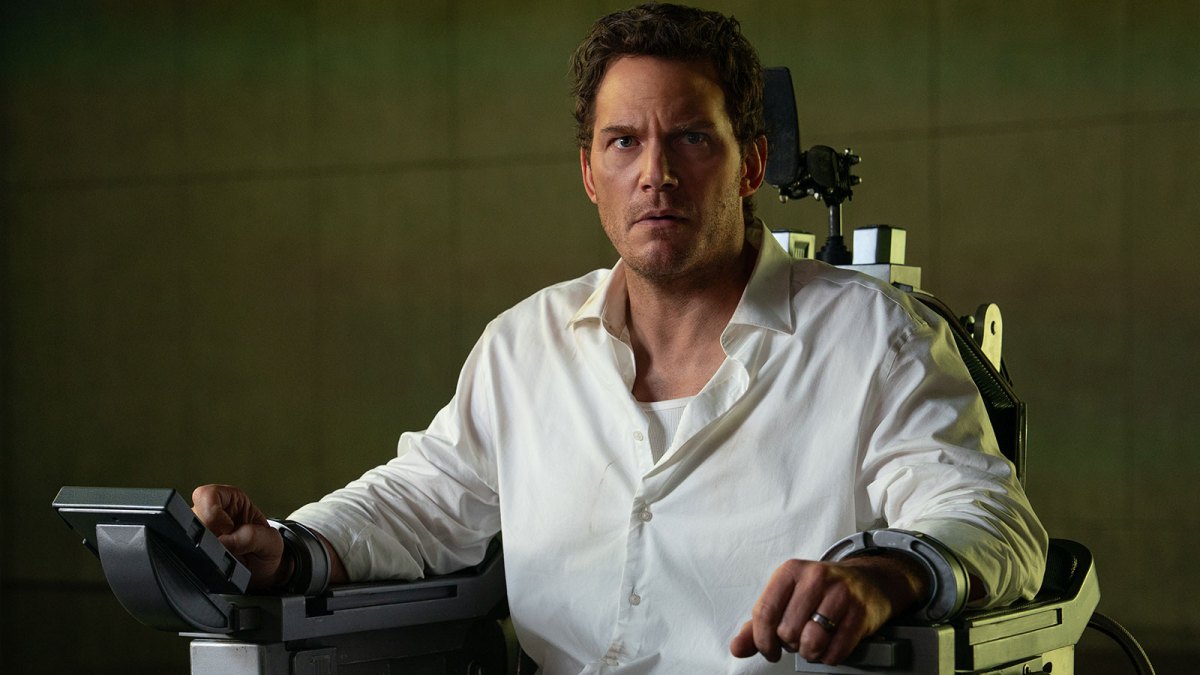
In 2026, making a movie about AI starring Chris Pratt called Mercy could have been a home run, especially given how prominent the rise of AI is.
It's something that even made its way into Mission: Impossible, scaring then-President Joe Biden. Unfortunately, the same won't likely be said about this new movie.
Mercy, an unconventional courtroom drama, follows the trial of Chris Raven (Pratt), a detective accused of his wife's (played by Annabelle Wallis) murder. An extremely advanced AI judge, played by the great Rebecca Ferguson, gives him 90 minutes to prove his innocence, giving Raven all-access to cell phone data, security cameras, etc.
On paper, it's a brilliant premise, and credit is due to Marco Van Belle, who wrote the script. However, everything clicks when you realize Mercy's director is Timur Bekmambetov, who directed the War of the Worlds adaptation that used a screenlife technique (which told its story through computer and phone footage). The most skippable episode of Modern Family uses this technique; make of that what you will.
Mercy review: What's it about?
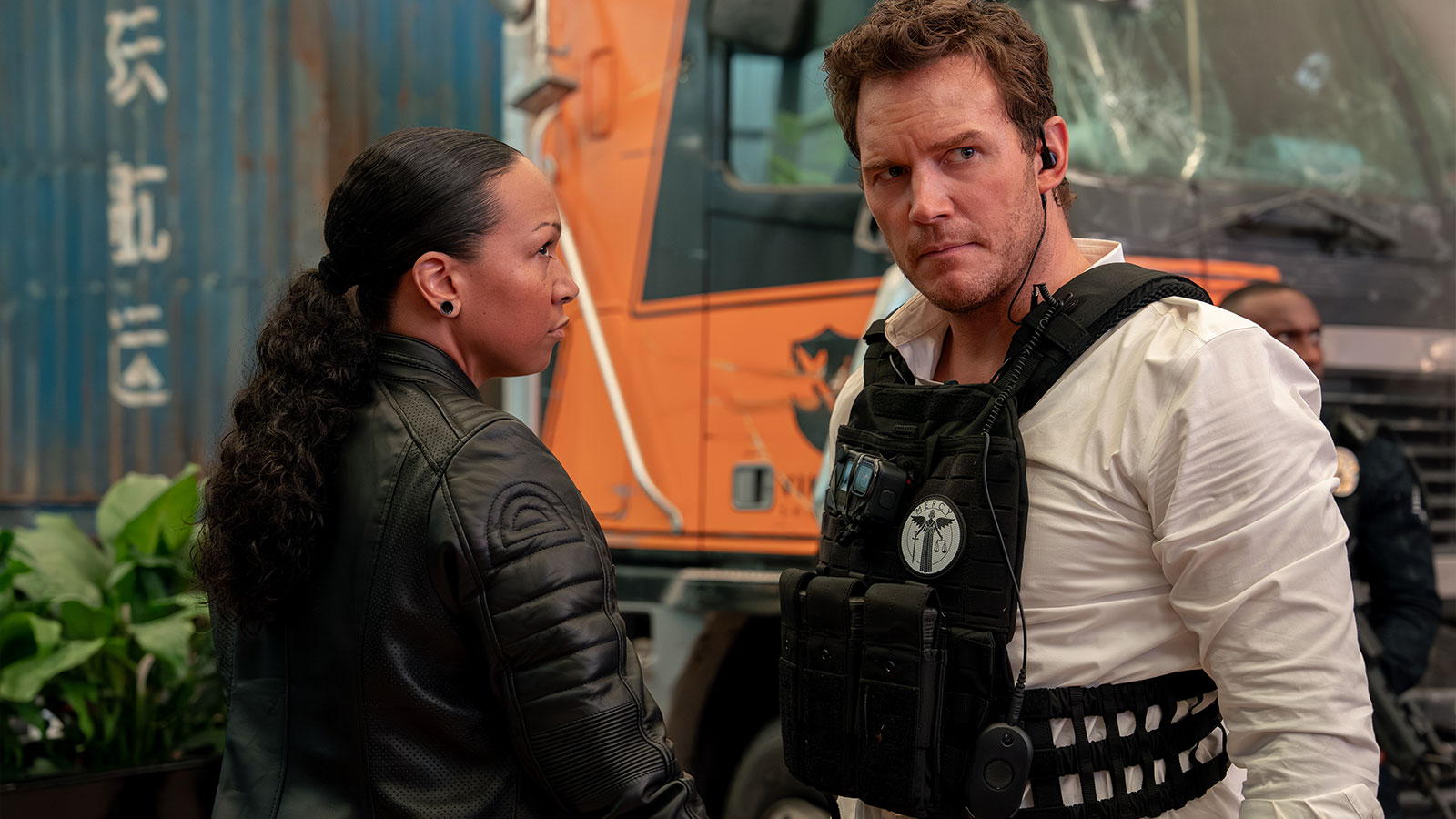
Mercy follows the 90-minute trial of Raven. He wakes up locked in the courtroom chair, and the rules of the trial are explained, serving as exposition for the viewer.
Raven wakes up unable to recall the events right before his arrest. Add in his well-established anger issues, and he appears to be the perfect convict.
However, there is more to the case than what meets the eye. Raven has 90 minutes to prove his innocence, going to every extreme to do so.
The themes of AI
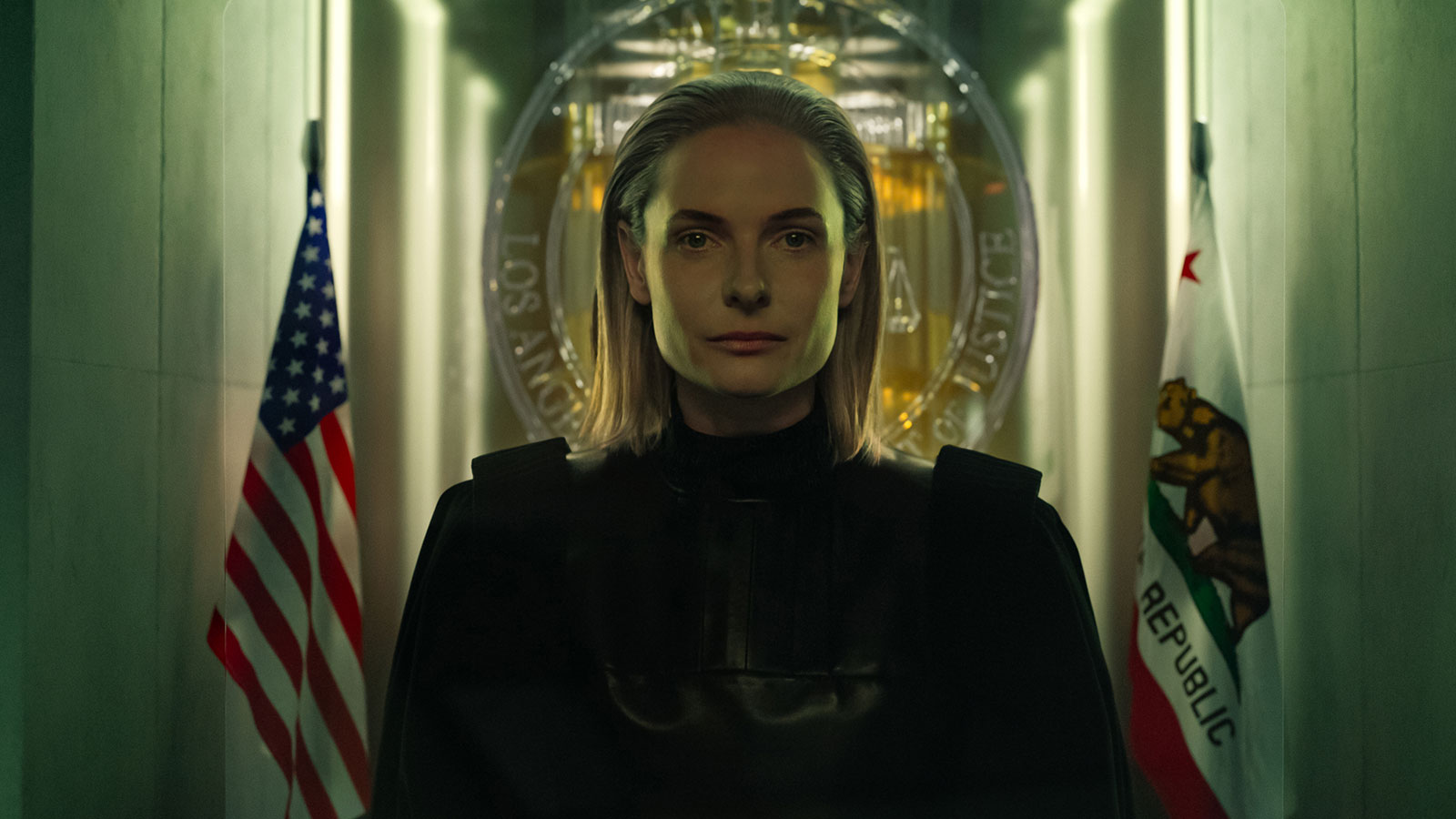
Again, Mercy has some great ideas with its AI concepts. Much like Blade Runner did decades ago, Mercy tries to explore the humanity and mortality of AI.
Judge Maddox, played masterfully by Ferguson in a stone-cold performance, is decisive in its decisions, but there may be flaws in the system. Ironically, Raven is a detective who has helped deliver guilty convicts in the past. Now, he's being tried and is on the chopping block.
Initially, it appears there's no convincing Judge Maddox of his innocence. To even get consideration to avoid the death penalty, he has to get his suspicion level under 92% (it begins at 96% and isn't eager to move).
Most of what works in Mercy is due to Ferguson's performance and the script. Ferguson plays the apathetic judge so well, calling out any of Raven's underhanded tactics to pander.
Somehow, Ferguson — who's usually a very impassioned performer — is able to flush the emotion out of her facial expressions. Her line delivery and aura perfectly portray what an AI judge would likely be like.
Pratt is surprisingly good in his role as well. He excels at playing the everyman, and that's what Raven is. Pratt is convincing enough as a guy who feels he's wrongly accused of murder.
The biggest crime committed by the movie
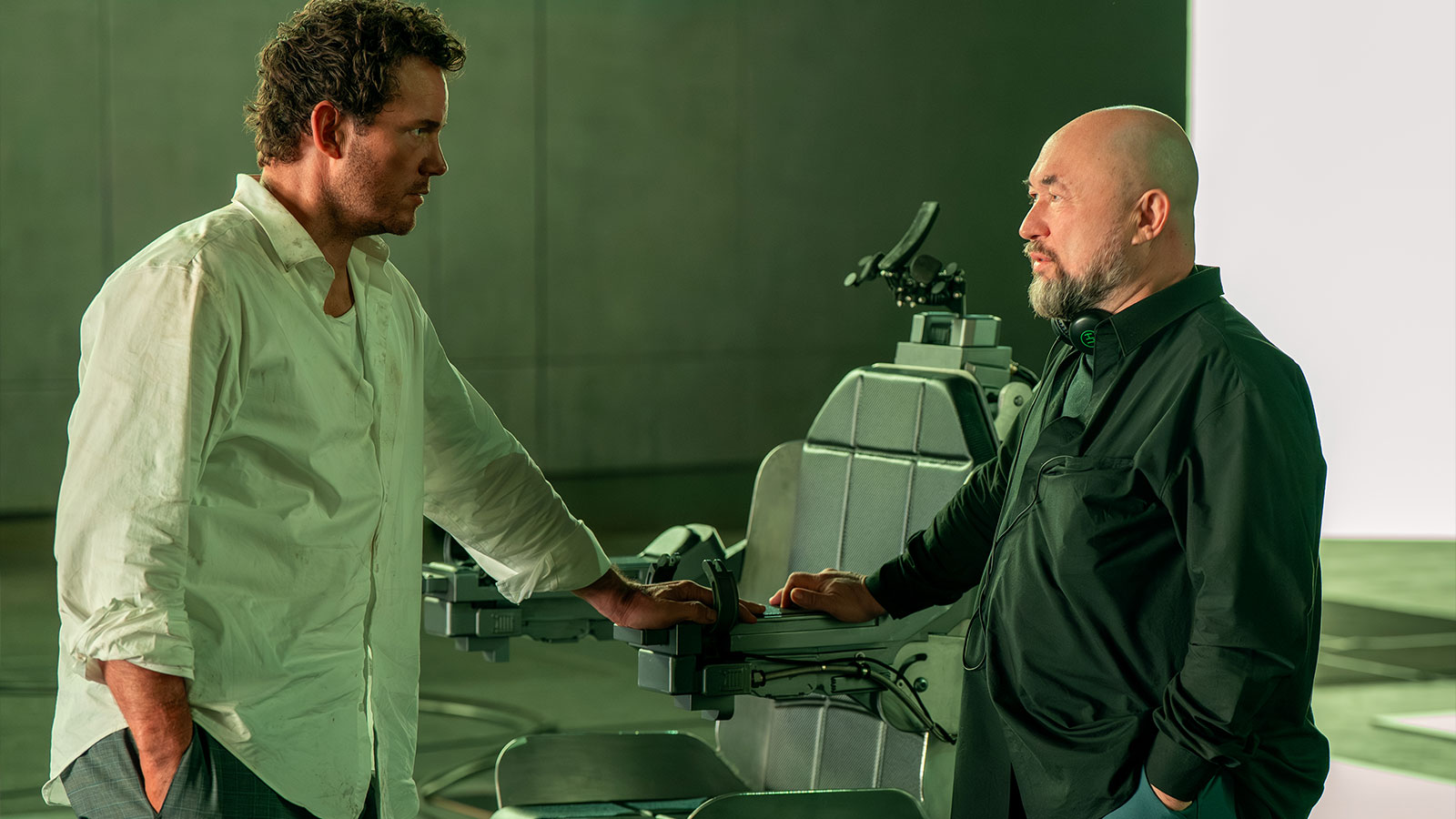
The biggest crime Mercy commits, though, is having such a limited scope. While Bekmambetov doesn't run it back with the screenlife technique, the scope feels almost as limited as War of the Worlds.
There are flashbacks during the trial, but unfortunately, Mercy never feels big. It takes place in Los Angeles, but the futuristic “City of Angels” is hardly explored. Mercy takes place in 2029, only a few years into the future, but mostly feels the same as 2026. Maybe that was by design, making the concept of AI judges even scarier.
It's not until the third act that Mercy really steps outside of the courtroom. By then, it descends into a very generic action movie that the prior 80 minutes try so hard to avoid.
Should you watch Mercy?
Mercy attempts to be a timely thriller about the threat of AI. It's timely, but in more capable hands, it would have landed with the intended impact.
Pratt and Ferguson hold up on their end of the bargain. They deliver good performances, especially the latter, but most of the movie's negatives come outside of the courtroom, where both of them excelled.
The topic of AI is certainly going to continue inspiring future projects. Some will be star-studded like Mercy, and others will not. It's certainly not a topic that's off the table, but future movies with this subject matter will hopefully not rely on the lead actors' performances as heavily as Mercy does.
Bekmambetov, being somewhat of a gimmick director in recent years, is a blessing and a curse. Yes, Mercy is at its best in the courtroom, which is the hook of the movie's high-concept. But it is unremarkable outside of the courtroom. The story merely checks off the boxes, doing the bare minimum with every storyline. The sci-fi genre, more than any other, allows for the full use of imagination. Mercy feels stuck in a courtroom-sized box.
It'd be unfair and disingenuous to say Mercy was created by AI. However, the accusations will likely come in fast and furious, and it can't be said with 100% certainty that Mercy could exonerate itself.
Grade: C+
Mercy will be released on Jan. 23.