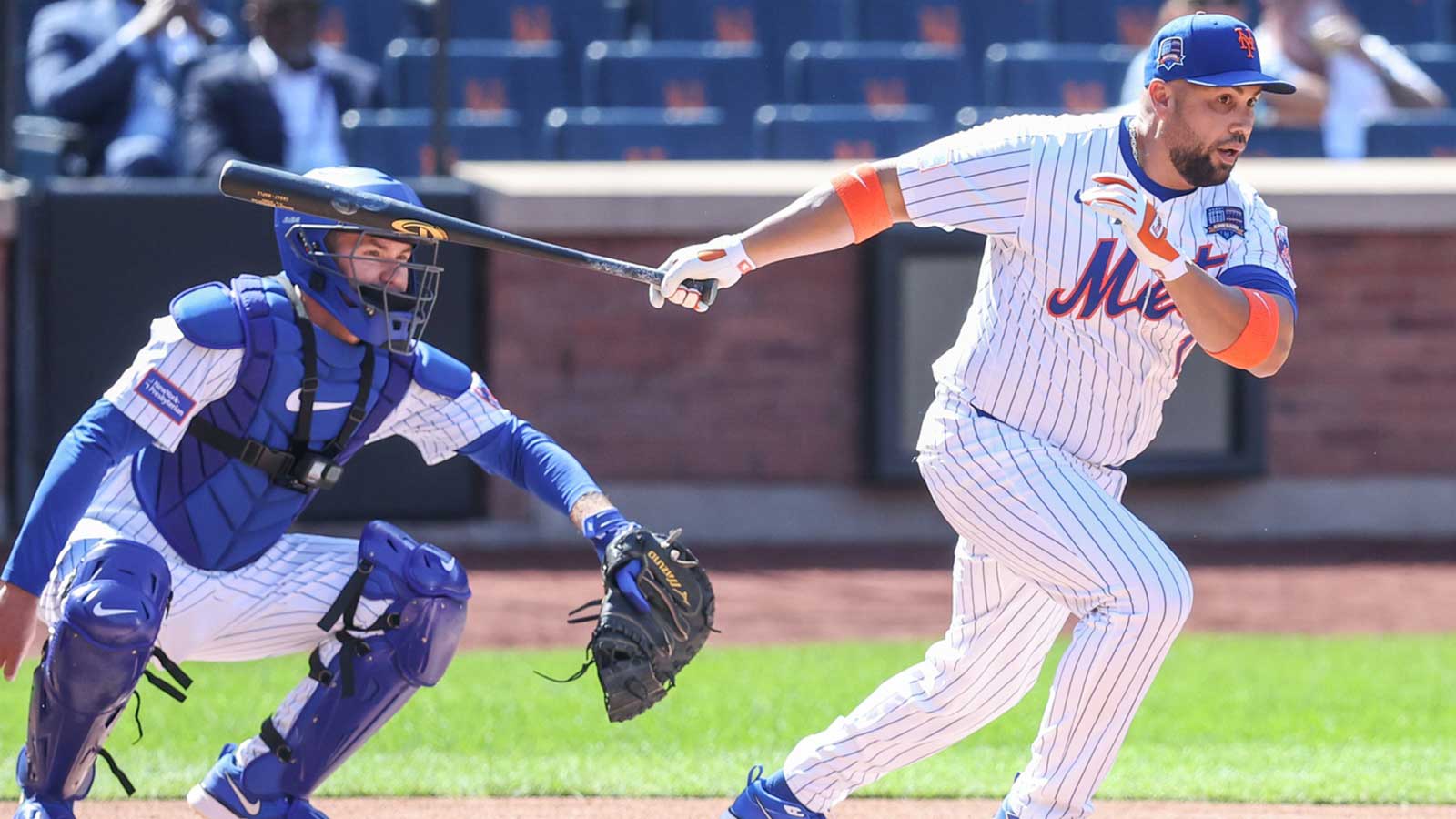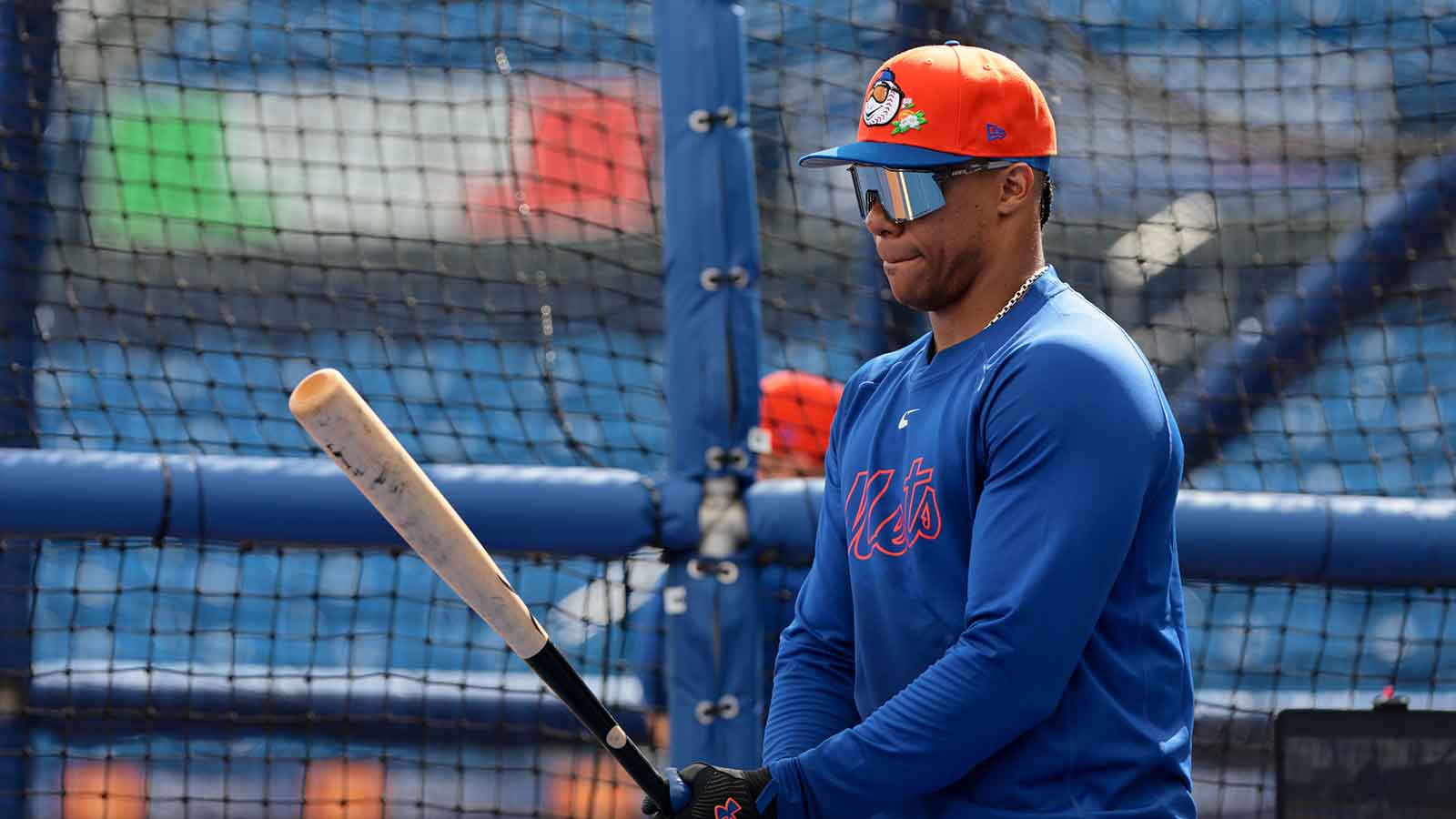

The New York Mets entered the 2025 MLB offseason searching for answers and found one in second baseman Jorge Polanco. The veteran infielder agreed to a two-year, $40 million contract, a move that ushers in the first major step of David Stearns’ 2026 plan. The signing came just days after the team lost slugger Pete Alonso to the Baltimore Orioles on a five-year, $155 million deal, signaling a clear organizational shift.
The departure of Alonso was both a financial and emotional blow for New York. Alonso left Queens as the franchise’s all-time home run leader and one of the most recognizable faces in the clubhouse. Polanco, by contrast, represents a versatile switch-hitting bat on a shorter commitment, aligning with Stearns’ preference for roster flexibility. Last season with the Seattle Mariners, Polanco hit .265 with 26 home runs, 78 RBIs, and a .821 OPS, helping propel the club to within three outs of its first World Series appearance.
USA Today’s Bob Nightengale took to his X (formerly known as Twitter), to point out how the storyline surrounding the veteran second baseman will unfold and why comparisons to Alonso will be unavoidable throughout the 2026 season.
“It will be an ongoing narrative all season comparing Jorge Polanco’s stats to Pete Alonso after Mets president David Stearns unveils the first step of his 2026 plan with the signing of Jorge Polanco to a 2-year, $40 million deal.”
The quote from Nightengale underscores the reality facing the Mets as the season approaches. Every Polanco homer, RBI, and defensive play will be weighed against Alonso’s production in Baltimore as fans track box scores nightly.
For Stearns, the decision reflects a broader vision tied to roster balance and long-term payroll control. The Mets have shifted away from long, high-dollar commitments in favor of shorter deals that preserve future flexibility.
As December carries on and the new calendar year approaches, the pressure will be immediate. Polanco does not need to replicate Alonso’s home run totals, but his performance will serve as the first real measuring stick for the Mets’ new direction.