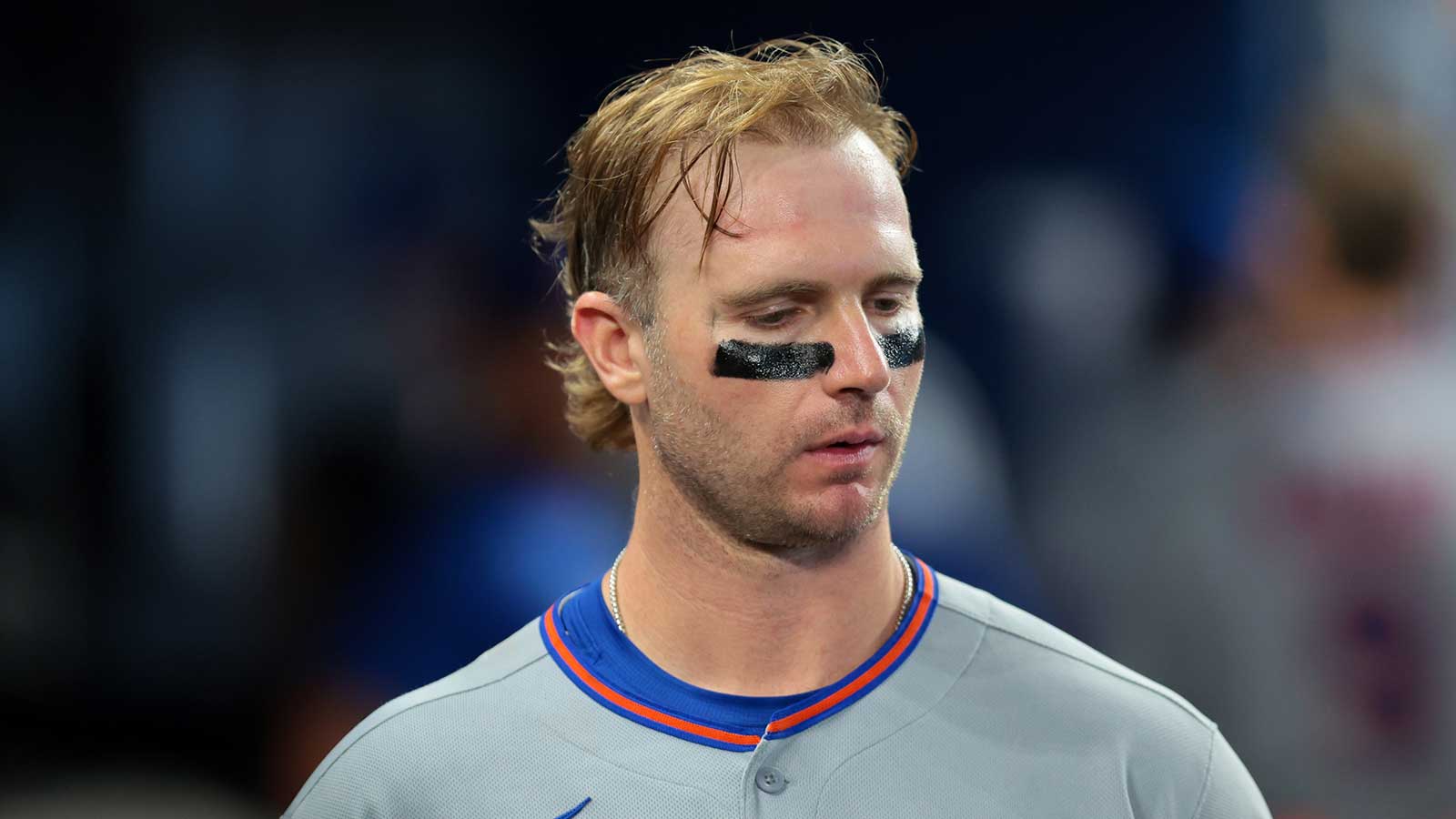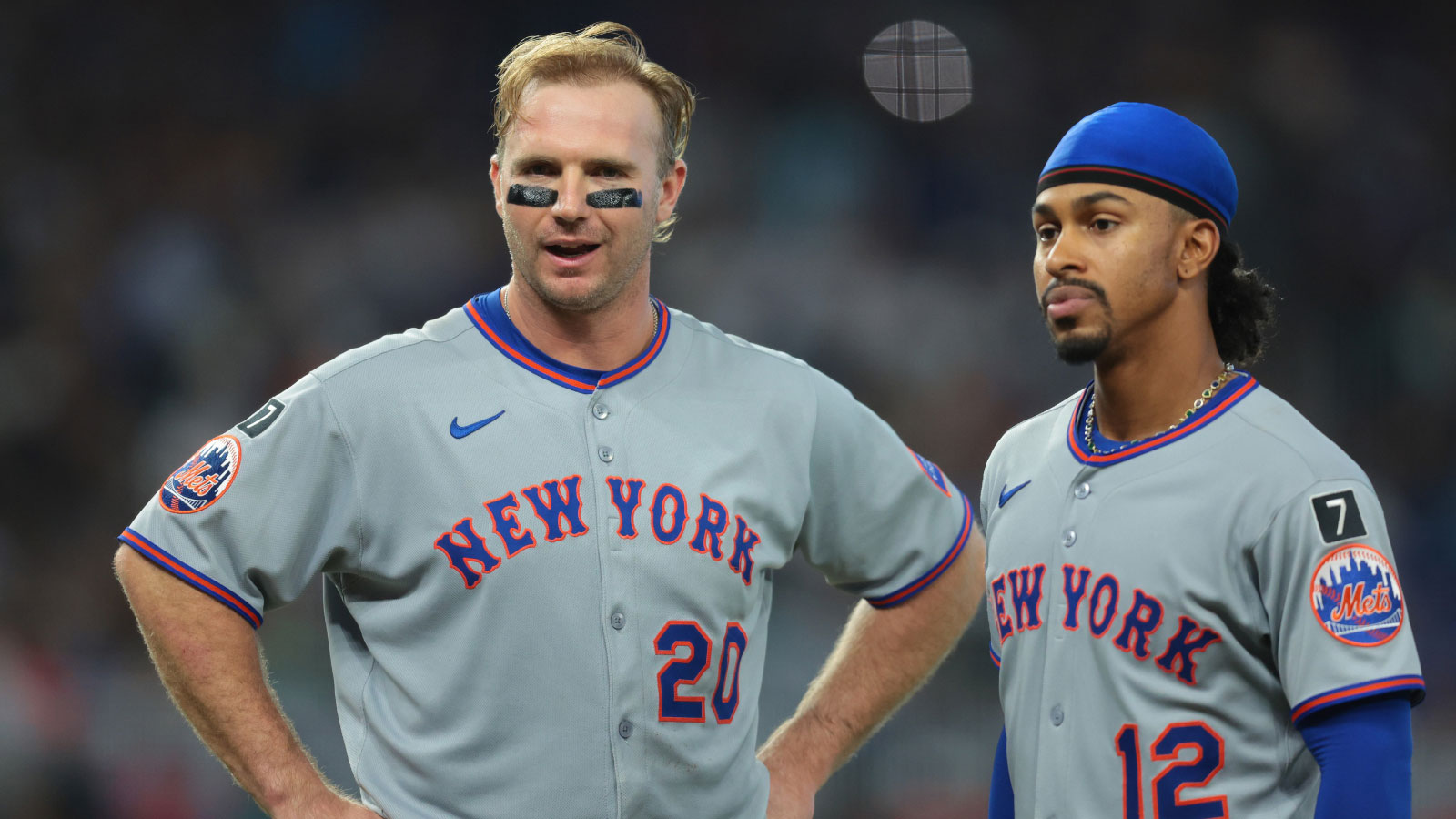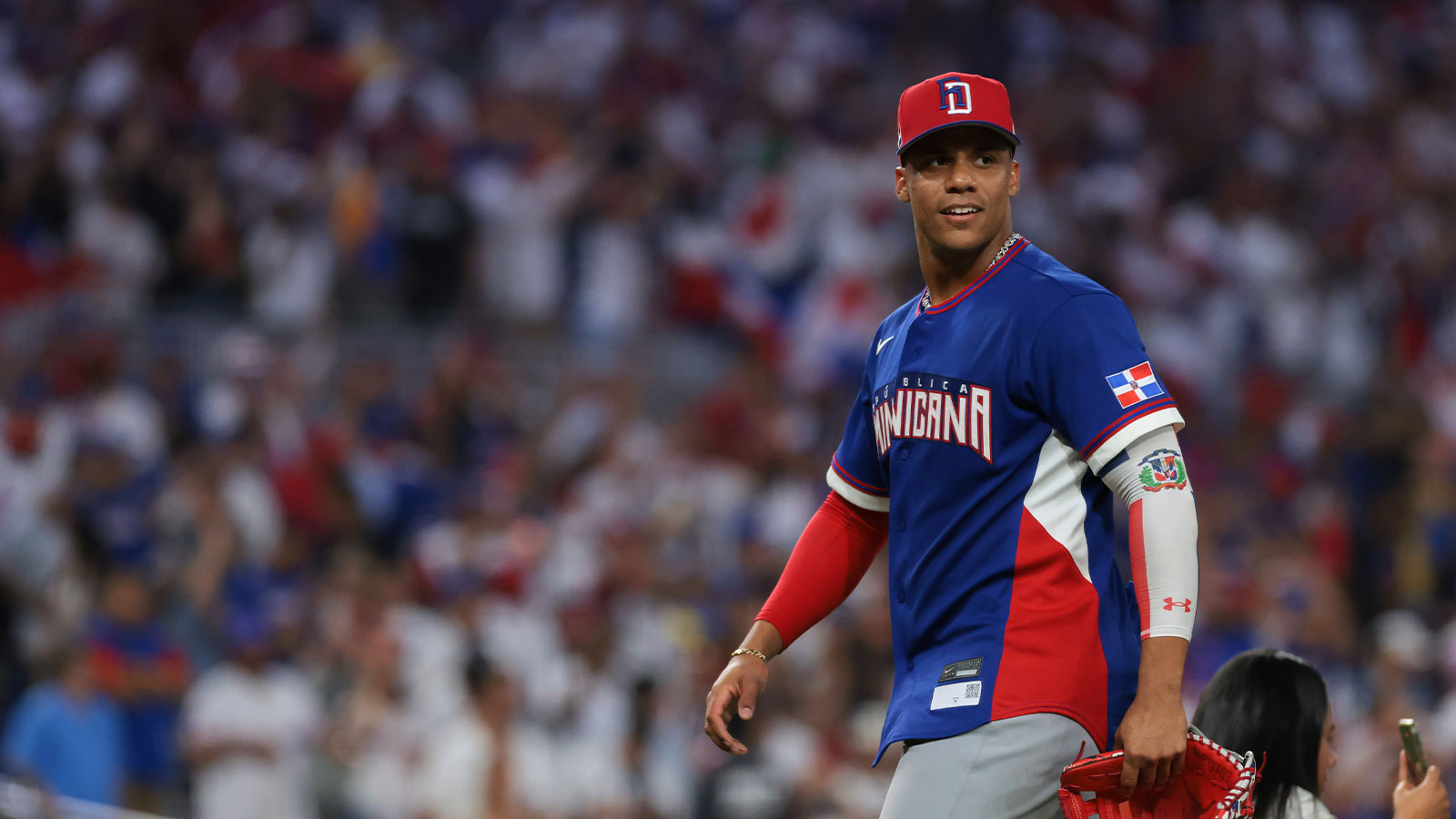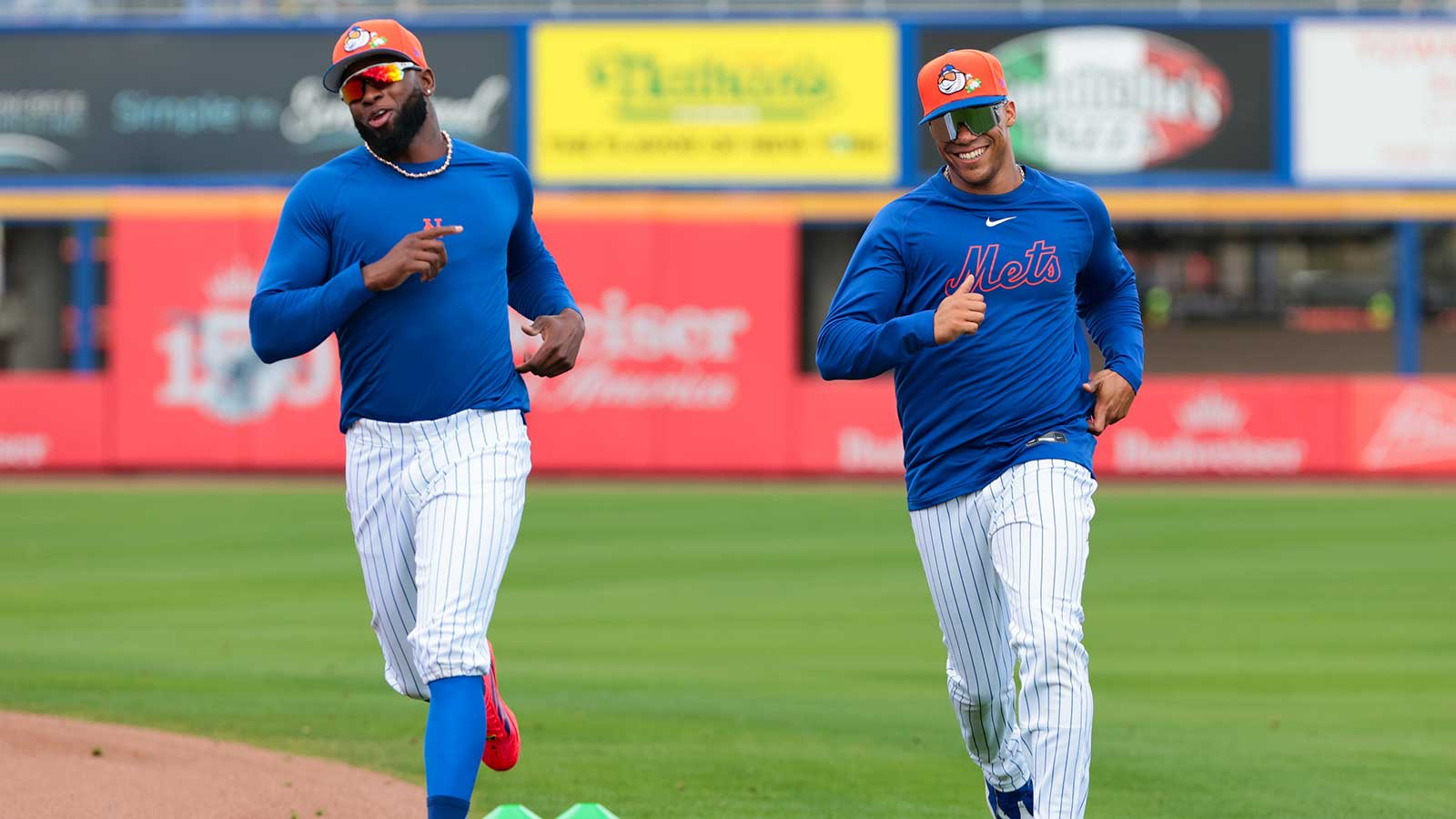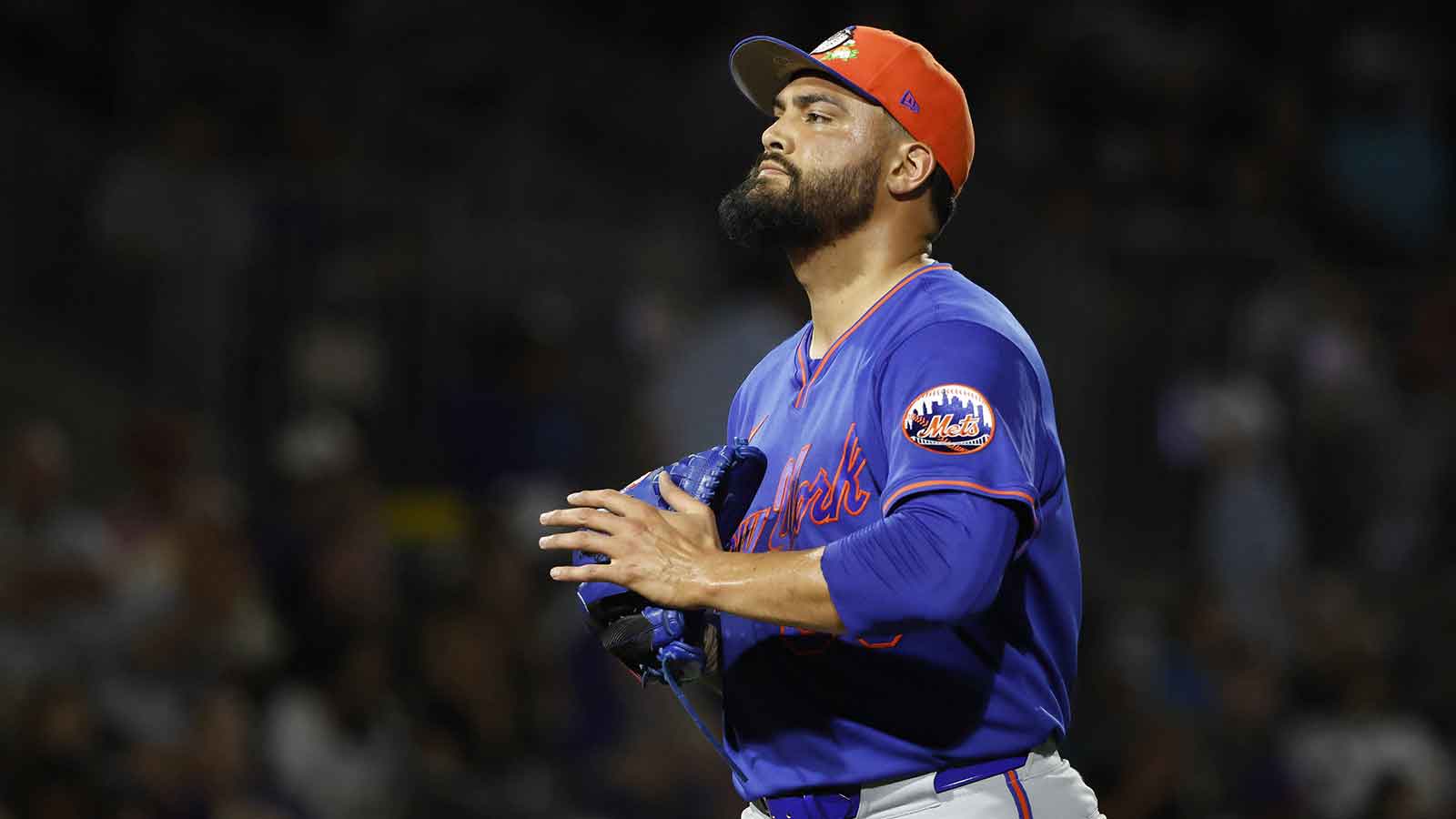

Pete Alonso, the Polar Bear, reached into baseball history and claimed a record that had stood for nearly forty years on August 12, in front of the home crowd at Citi Field, breaking Darryl Strawberry's all-time Mets home run record with his 253rd career home run in orange and blue—a moment of pure authenticity in a season that otherwise felt artificial and hollow. The 2025 New York Mets season will be remembered as one of baseball's most perplexing stories.
New Mets HR King 👑 Pete Alonso Breaks the Record!#PeteAlonso#MetsNation#MLBHighlights#HomeRunKing#BaseballTikTok#NYMets pic.twitter.com/fcRgGxbPLo
— My Song is in @nba2k ‘Lights Out’ (@Bashworld2K) August 16, 2025
This milestone is the most startling event of the 2025 season. The reason for that is not the surprise from Alonso himself the guy has been a steady source of runs since he came to Queens but the fact that it happened during the collapse of the organization. The Mets going down in flames while a player wrought individual brilliance is the summation of the 2025 Mets' existential crisis.
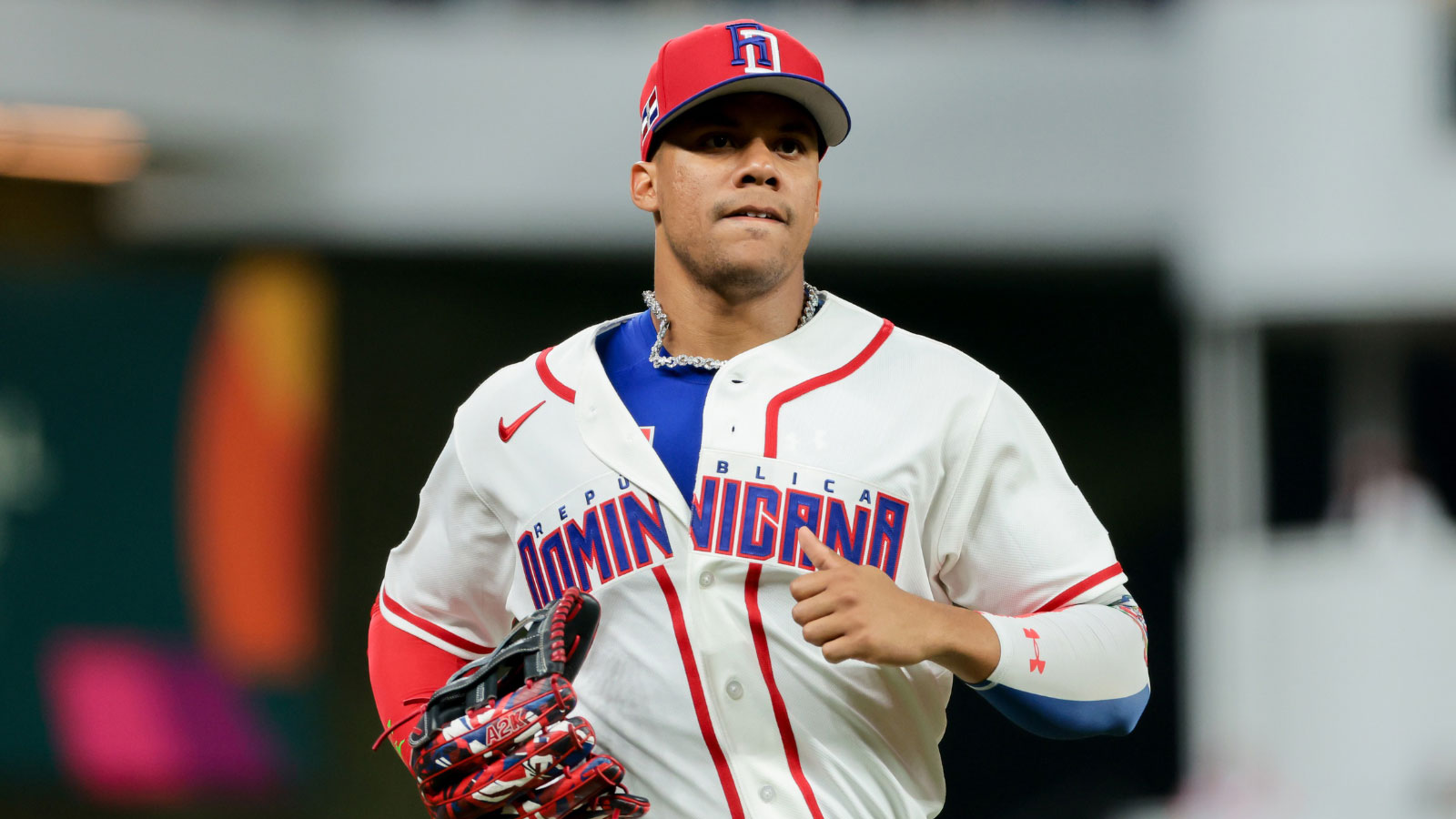
Alonso put up numbers, Francisco Lindor played like a perennial All Star, and Juan Soto was the league leader in walks. But none of it counted when the last game was played.
The Paradox of Offensive Fireworks Without Success
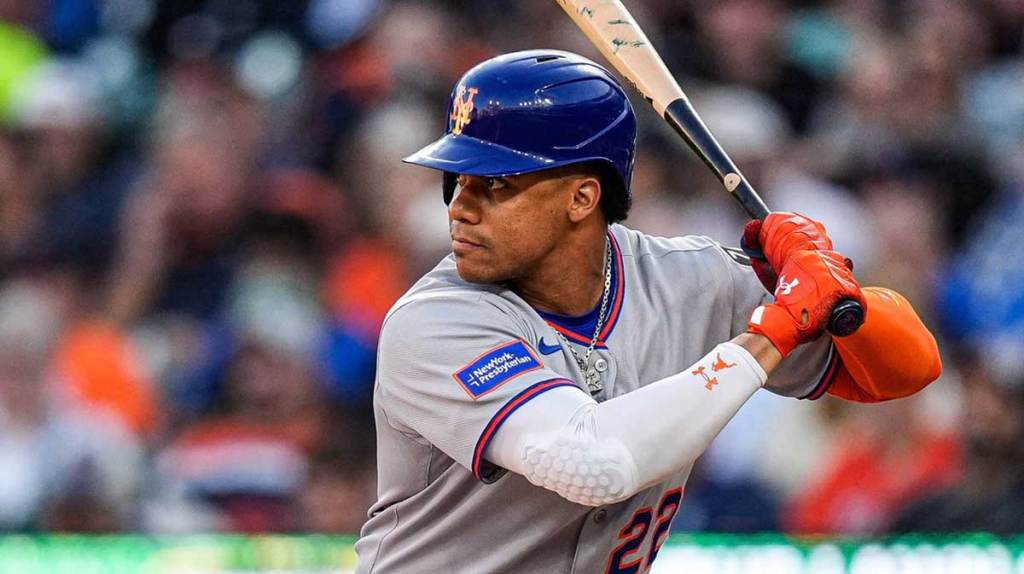
The Mets' offensive prowess throughout 2025 largely concealed a less flattering reality that was ‘lurking' under the surface. In August, the team led all of Major League Baseball in batting average, on-base percentage, and OPS. Francisco Lindor ended the season with a .267/.346/.466 line, hitting 31 home runs and 31 stolen bases while at the same time, maintaining elite-level defense that was featured in highlight reels regularly. Alonso racked up 126 runs batted in with 38 home runs, while maintaining a .272 batting average that would be the foundation of any championship-caliber offense. Soto contributed 43 home runs, 105 RBIs, and league-leading walks to become the team's most complete hitter.
However, the Mets scored runs on all the wrong nights in spite of these individual honors. Lindor drove in 86 runs overall but only contributed 19 RBIs in losses, and he scored 82 runs in wins but only 35 in losses. This statistical disparity was striking and telling. Pete Alonso hit a 116-mph laser that was caught in left field, and the Mets went 0-for-8 with runners in scoring position when their offense was most needed—down to their final game against the Marlins, where a victory would allow them to sneak into the playoffs. For a season marked by plenty that never came together to form sufficiency, it was arguably the cruelest visual metaphor.
Pitching Depth and the Bullpen's Implosion
The Mets' inability to support elite-level talent due to organizational depth is what really caught them off guard. The pitching staff took on the role of executioner for the season. After Luis Severino left, Frankie Montas signed a two-year, $34 million contract, but he didn't make his debut until June 24 due to a lat strain sustained during spring training. Even so, he struggled all season long, failing to deliver the quality innings that the front office had expected. Due to elbow and oblique injuries, Sean Manaea was sidelined for three and a half months before making a limited comeback. Griffin Canning suffered injuries that further reduced the depth of his rotation.
The Mets had a 60-game span during which only David Peterson was able to pitch six innings, making him the least unfortunate starter since 1901. Due to the short outings, the bullpen was overused every night, a problem that eventually led to its complete breakdown. Dom Hamel ended up being the 46th pitcher to be used by the team, thus the Mets set a new MLB record. The bullpen additions at the trade deadline Ryan Helsley and Gregory Soto gave up significantly after a brief good impression. Edwin Daz, the closer, made mistakes in the most important times when the team needed him to be a source of stability.
The Collapse Nobody Saw Coming (Or Did They?)
The Mets started 2025 at 45-24, seemingly poised to contend for both their division and the postseason. By late July, they had the best record in the National League and were 20 games over.500. What followed was one of baseball's most spectacular collapses: a 38-55 record the rest of the season, three consecutive losing streaks of seven or more games, and — most damning of all— zero wins when trailing after the eighth inning (0-70), making them the third team in the Wild Card era to start at 45-24 or better and still miss the postseason.
The Mets not failing is not the shock. The shock is that they failed so dramatically when they had the roster to prevent it. Pete Alonso's home run record is the perfect monument for the season, a moment of individual brilliance that will be looked at in isolation, forever kept apart from team victory. The Polar Bear's move to Baltimore next season is a sign of the end of a time, but his record for the franchise still stands: a reminder that the biggest surprise can be that so little of the right was enough.