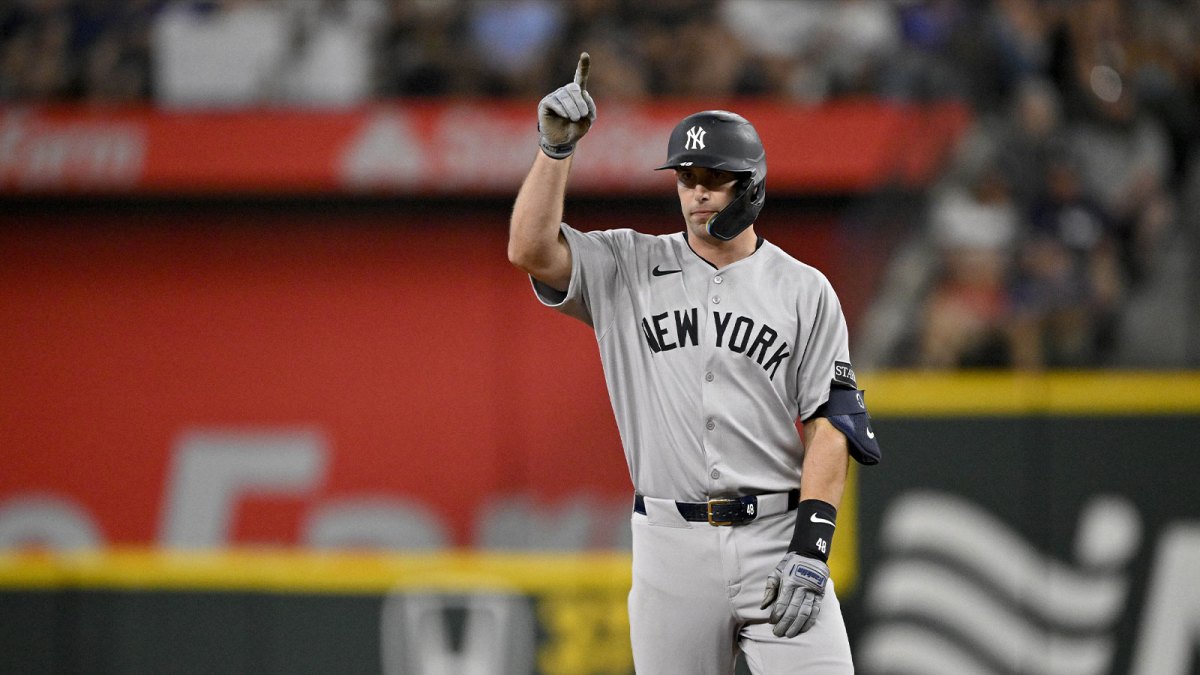
The New York Yankees clarified their offseason plan at first base as contract details surrounding Paul Goldschmidt’s return came into focus. The agreement highlights a calculated approach to roster construction, allowing the Yankees to retain financial flexibility while shaping their lineup ahead of the 2026 season.
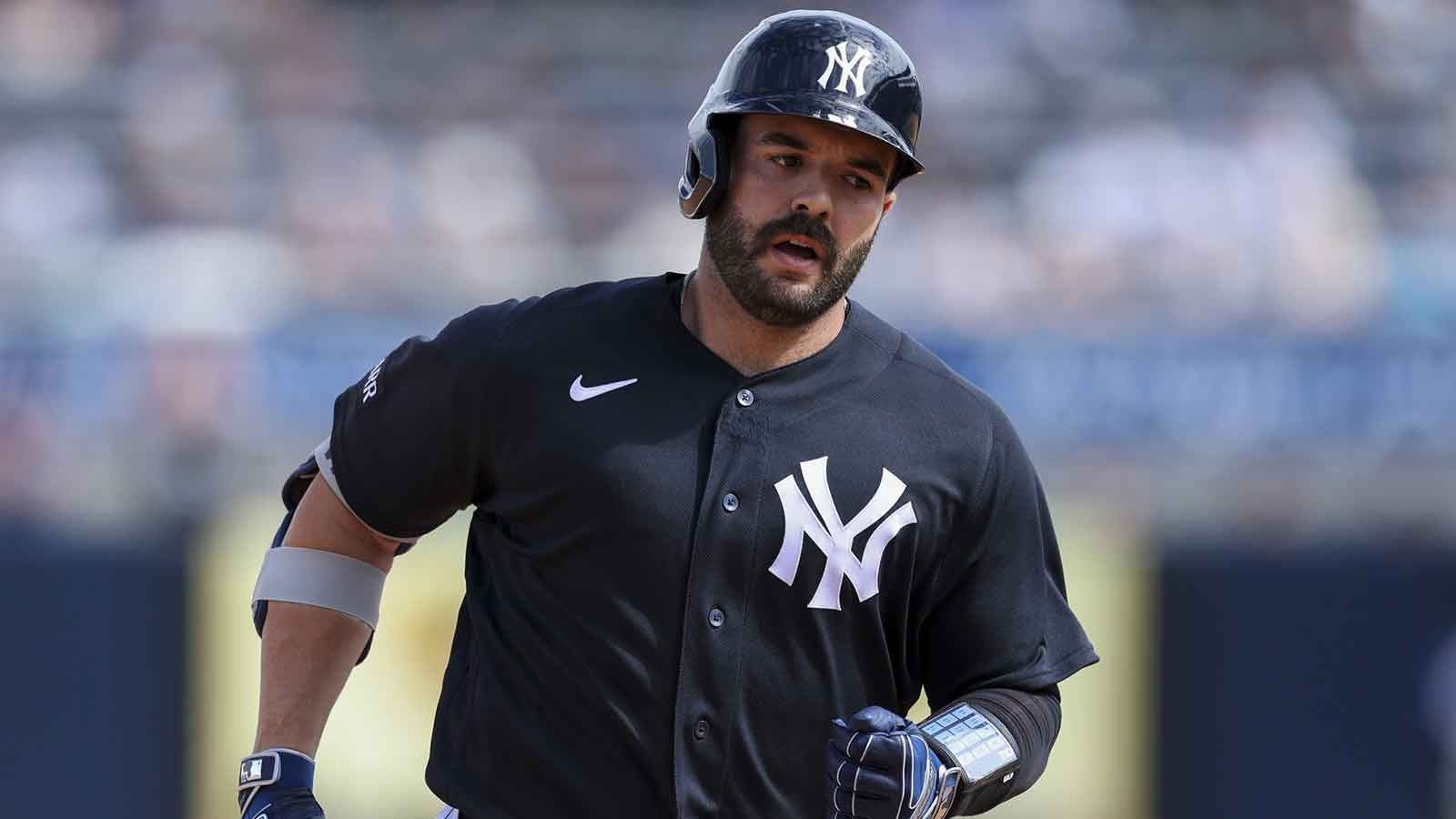
Goldschmidt reunited with New York on a one-year deal following his 2025 stint in the Bronx. The structure of the contract reflects his evolving role within the organization and the club’s desire to balance veteran reliability with emerging talent. At 38, the former MVP remains productive, but the deal positions him more clearly as a complementary piece rather than a guaranteed everyday fixture.
Financial clarity arrived Saturday morning. When The New York Post Sports’ Joel Sherman took to X (formerly known as Twitter), he shared the finalized contract details while crediting colleague Jon Heyman for first reporting the figures tied to Goldschmidt’s return.
“As @JonHeyman reported Paul Goldschmidt’s contract with the Yankees is for $4M. There’s also $2M additional available in plate appearance bonuses.”
The incentive-heavy structure reinforces how the team views the deal. Rather than locking in everyday at-bats, the Yankees tied additional earnings directly to availability and usage, protecting the club while still rewarding performance and durability if the veteran earns consistent opportunities.
The deal also speaks to the Yankees’ long-term first base planning. Ben Rice remains a key part of the position’s future, and the contract signals competition rather than obstruction. Goldschmidt’s presence adds leadership, experience, and right-handed balance without blocking developmental pathways.
As spring training approaches and roster decisions sharpen, the incentives reflect the Yankees' flexible mindset. The five-time Silver Slugger Award recipient must remain productive to reach the deal’s maximum value, allowing the club to stay agile as they evaluate depth and performance.
Ultimately, the move reflects pragmatism. New York secures a proven veteran at a modest base cost while preserving roster and payroll flexibility. For a franchise balancing contention with transition, the strategy fits precisely.