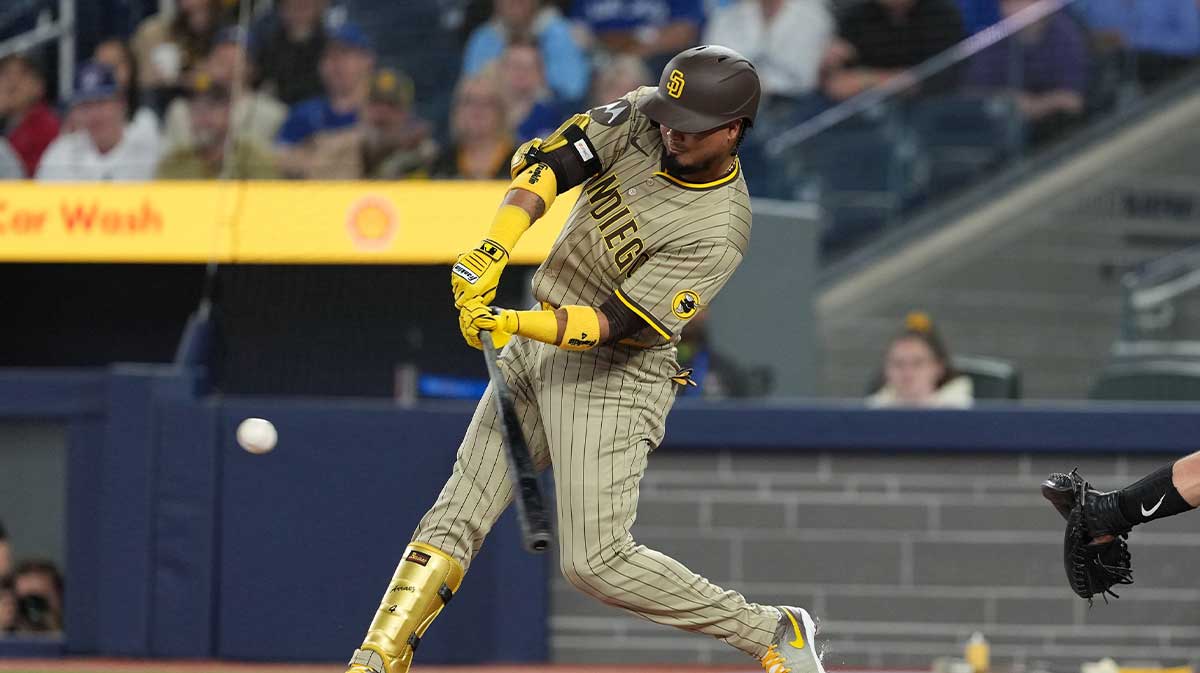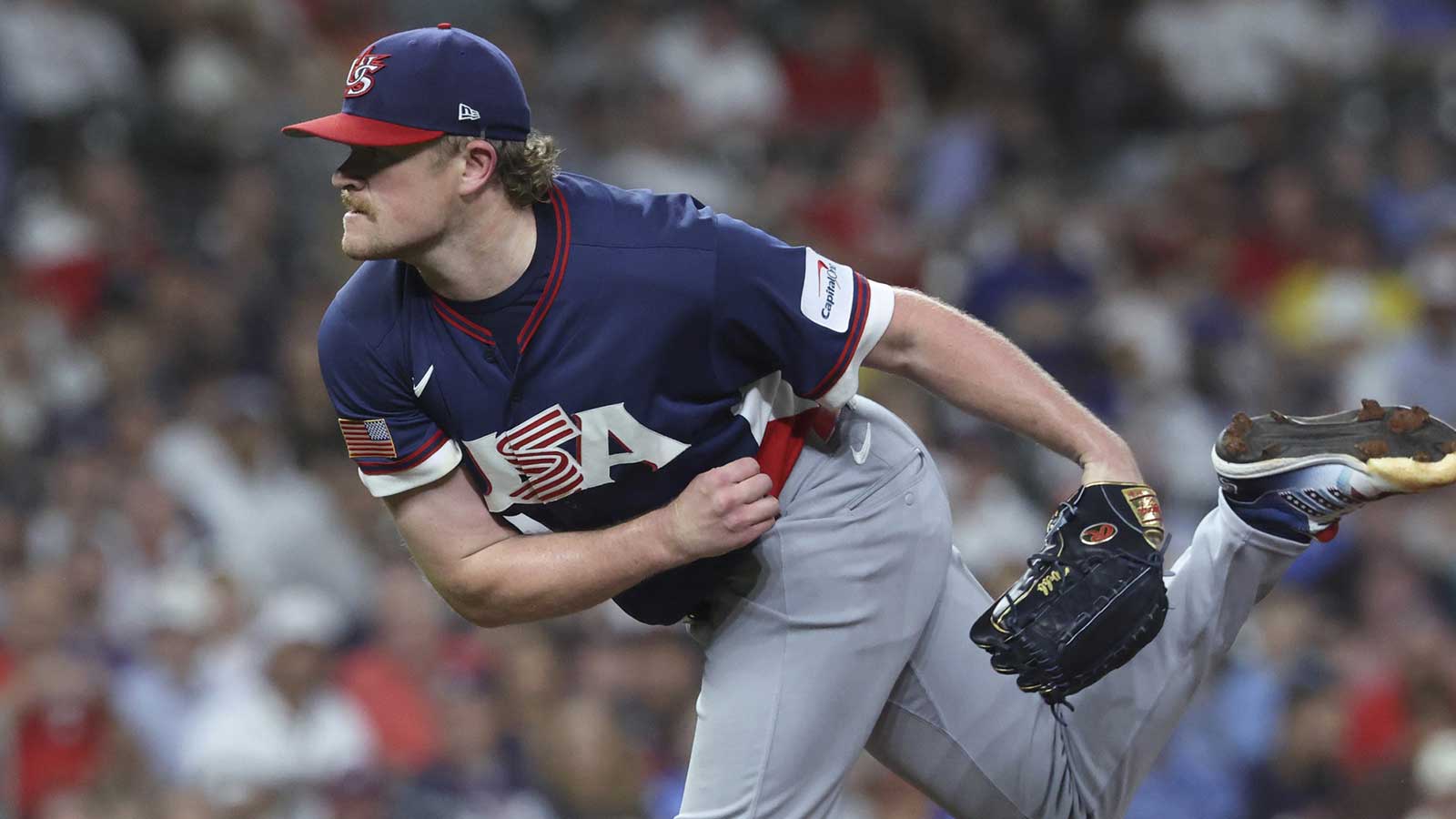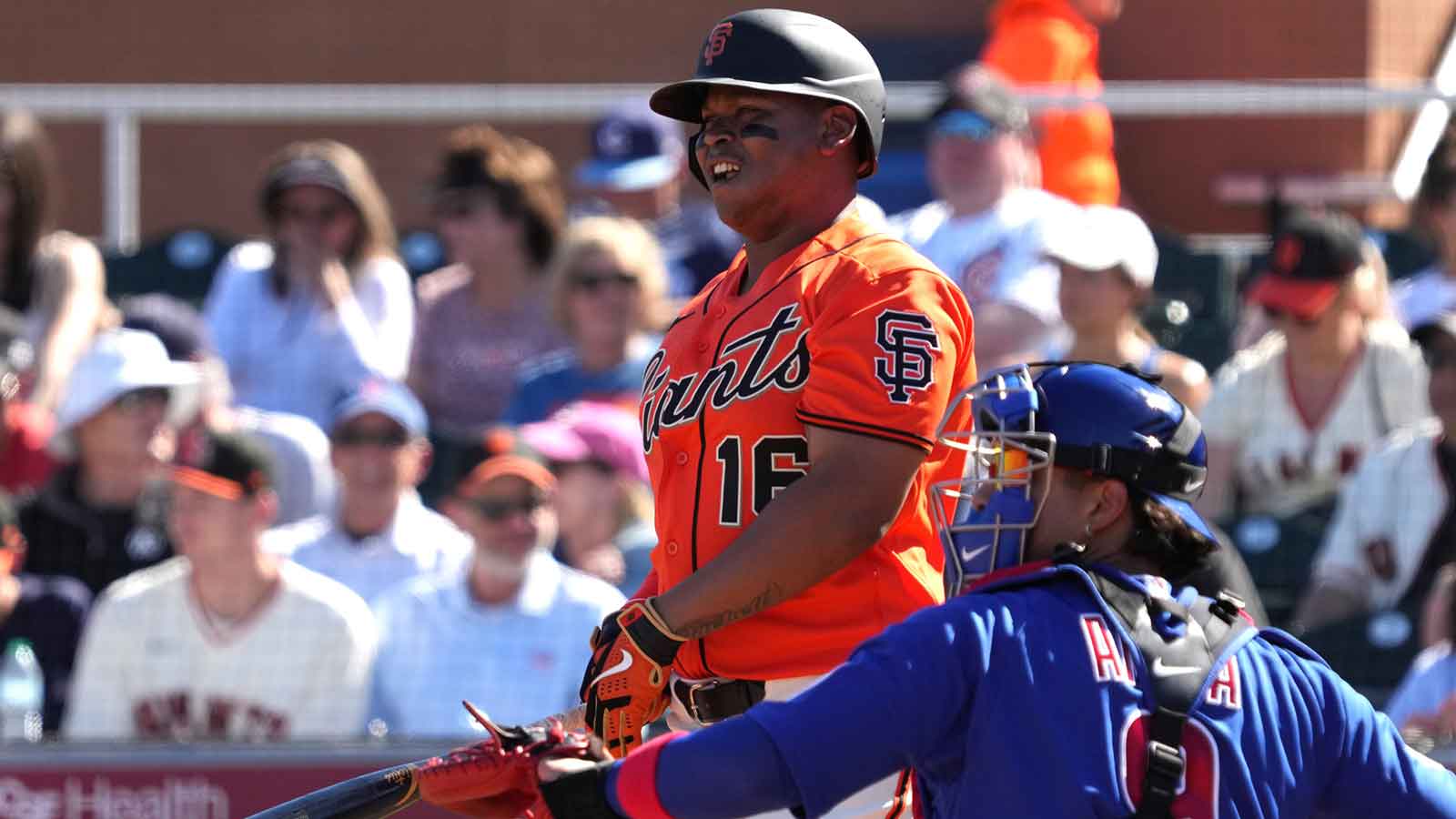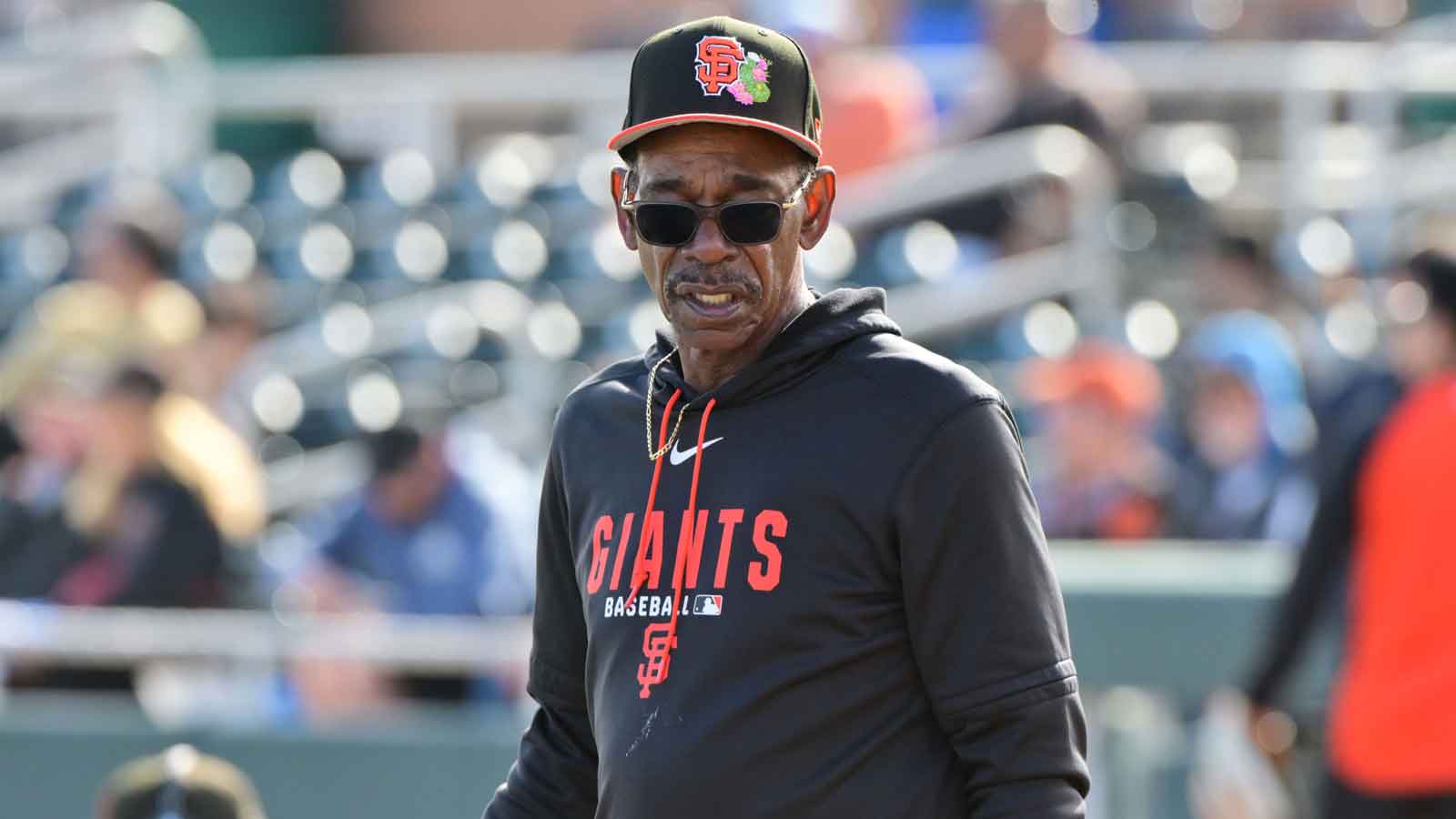

The San Francisco Giants enter the 2026 offseason with a familiar issue to address, and one logical path forward may come through proactive roster balancing rather than headline moves. As the front office evaluates ways to stabilize the offense, a potential trade with the Colorado Rockies emerges as a practical option. A deal centered around Tyler Freeman would represent strategic compensation for the Giants rather than speculative rumor.
The Giants finished 2025 as one of baseball’s most volatile offensive teams. Power production frequently obscured structural issues, but the absence of consistent on-base pressure repeatedly short-circuited rallies. San Francisco ranked in the league’s lower tier in on-base percentage, leaning heavily on isolated power instead of sustained lineup flow.
That is why the following deal with the Rockies deserves serious consideration. Colorado’s roster construction has quietly shifted, creating surplus in areas San Francisco desperately needs. The Rockies are no longer hoarding assets. They are reallocating them, even if it means moving a productive player earlier than expected.
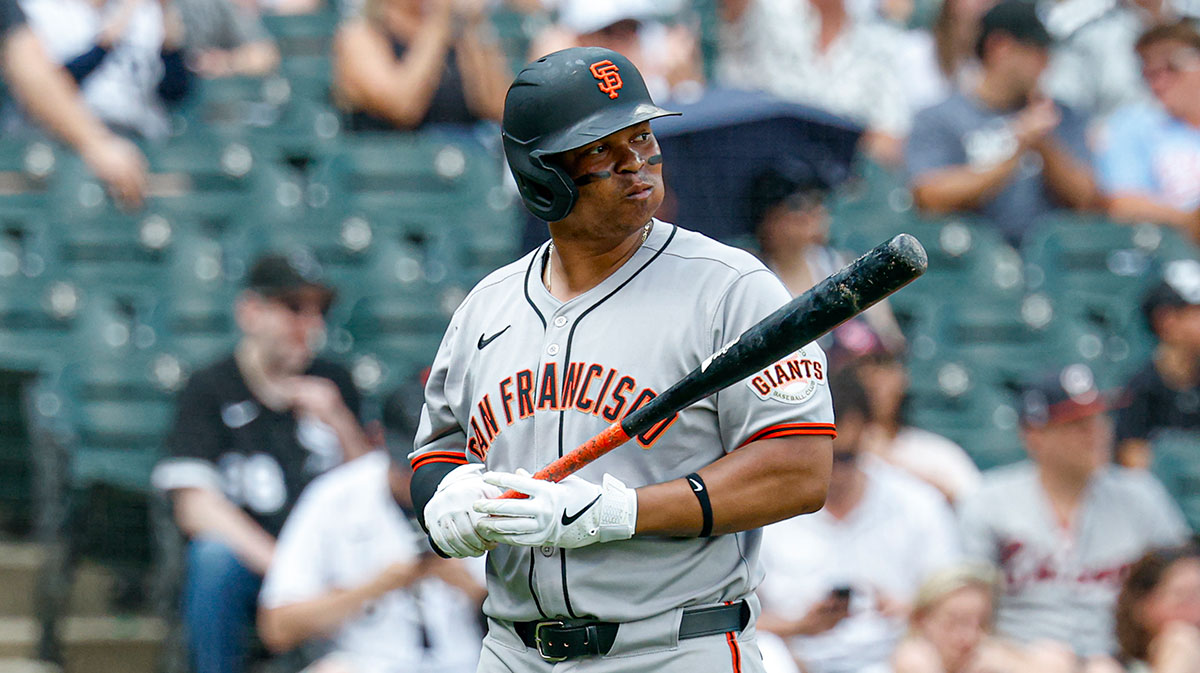
The centerpiece of this discussion is Freeman. Acquired by the Rockies in a surprise 2025 challenge trade, he delivered exactly what the organization hoped for. Freeman reached base at a .354 clip, put the ball in play consistently, and stabilized multiple positions. Still, production does not always guarantee permanence, especially on a roster focused on long-term development.
Colorado’s depth chart tells the story. With younger players pushing for opportunities and veterans already entrenched in everyday roles, Freeman has become more of a luxury than a necessity. For the Rockies, moving him would not signal retreat. It would represent roster optimization, creating space for higher-ceiling talent without sacrificing the organization’s long-term vision.
For the Giants, the appeal is immediate. The 26-year-old profiles as the connective piece the lineup lacked throughout the season. He limits strikeouts, extends at-bats, and converts empty plate appearances into sustained pressure. That profile directly counters the all-or-nothing approach that defined San Francisco’s offense in 2025.
Defensively, the fit is just as clean. Freeman’s ability to cover the middle infield and corner outfield aligns with a roster formula the Giants have leaned on in the past. He can shift between positions, absorb injuries, and provide the coaching staff with flexibility over a 162-game season. That versatility carries real value for a team with postseason aspirations.
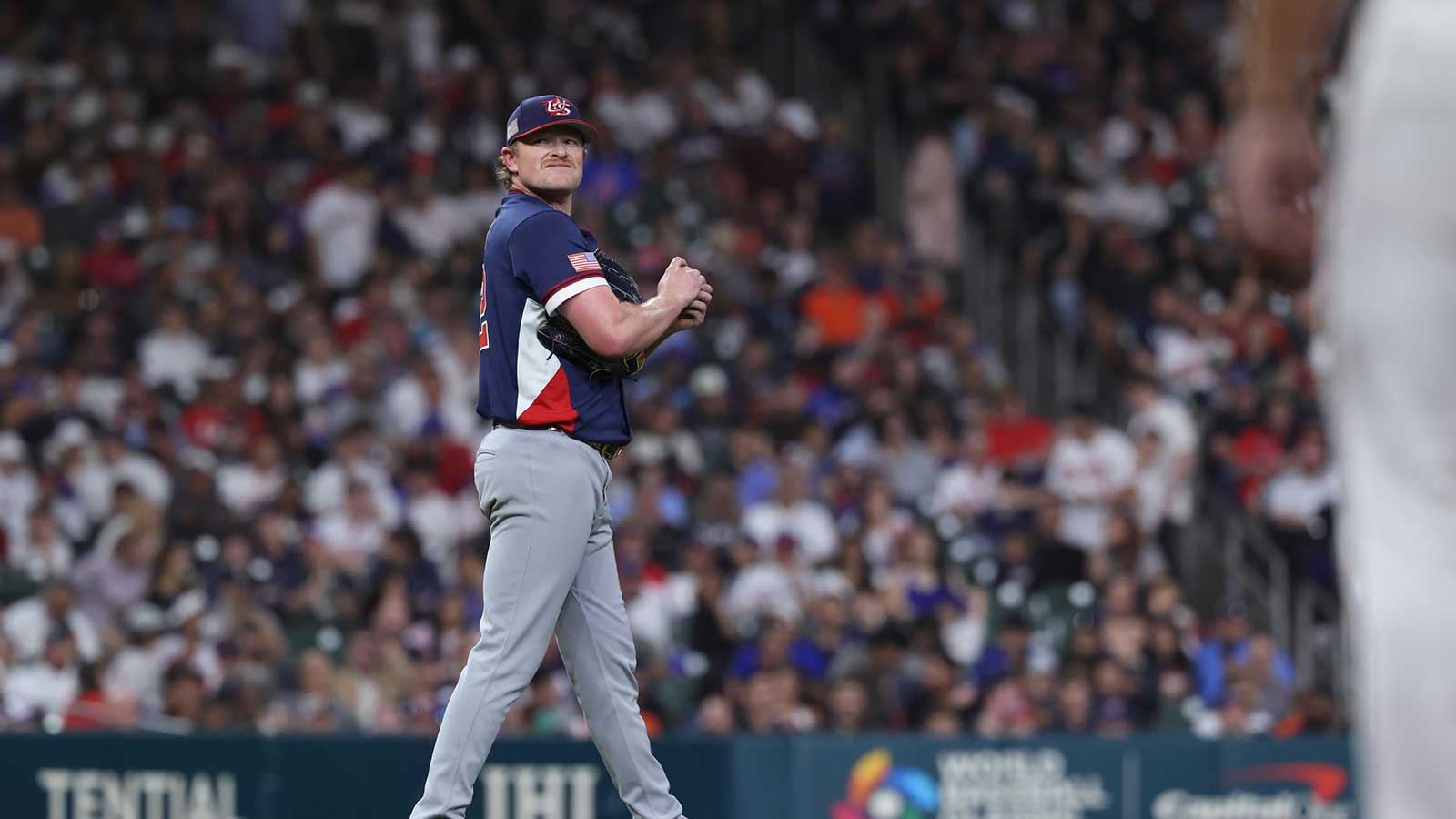
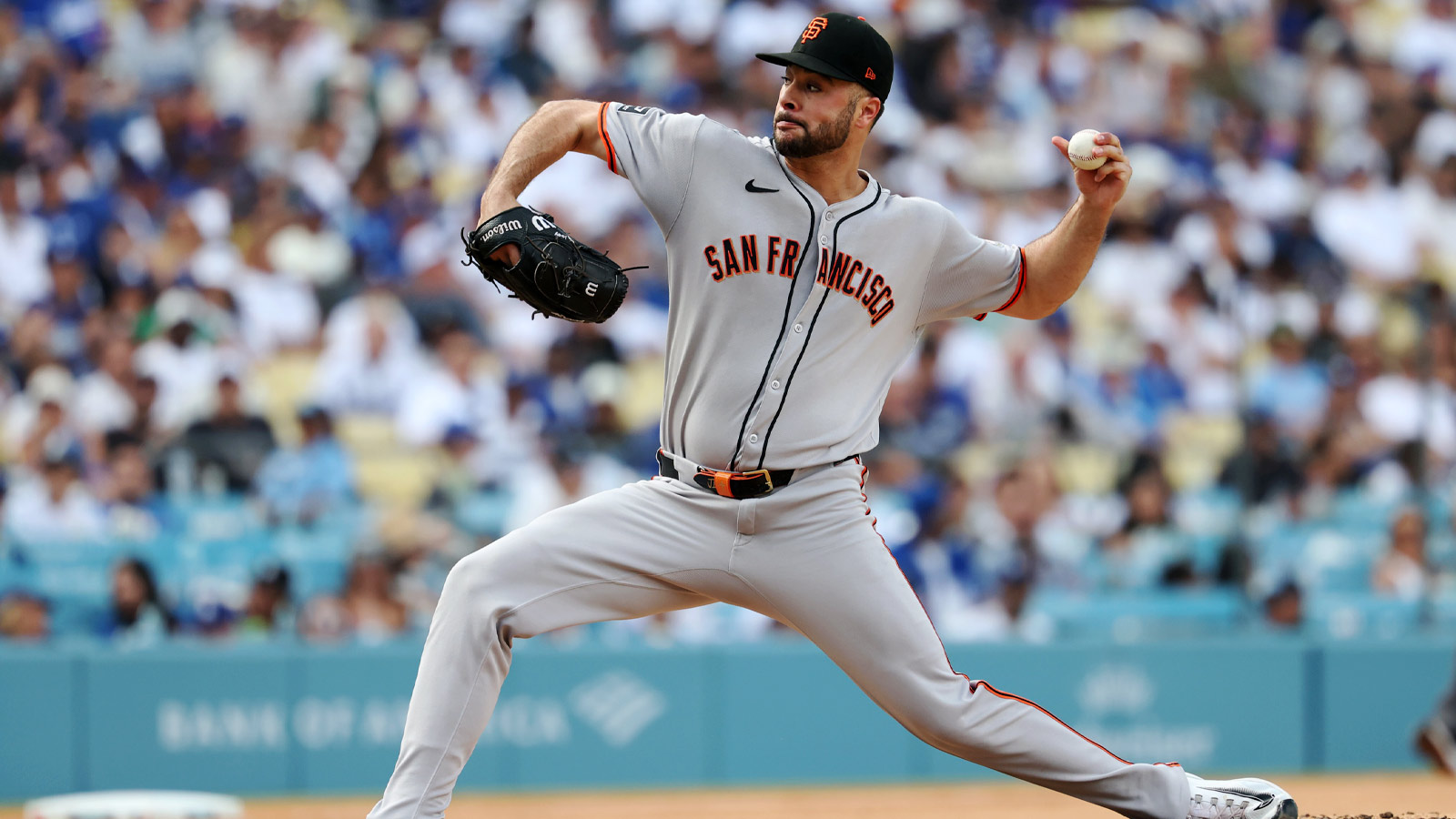
The proposed return explains why the Rockies would listen. The Giants could part with right-handers Carson Seymour and Kai-Wei Teng, two arms better suited for altitude-specific development. Seymour's heavy sinker profile generates ground balls at an elite rate, a premium trait at Coors Field, while Teng’s elite spin rates offer a rare opportunity for breaking pitches to survive in thin air.
The approach aligns with Colorado’s evolving organizational philosophy under Paul DePodesta’s influence at the front-office level. While manager Warren Schaeffer oversees day-to-day operations, the Rockies are no longer chasing traditional pitching archetypes. Instead, the organization is prioritizing traits that translate to its unique environment, even if those pitchers struggled in more conventional settings.
The Giants, meanwhile, can afford the cost. Seymour sits behind younger rotation options like Hayden Birdsong and Landen Roupp, while Teng faces mounting roster pressure. Converting surplus pitching into a high-contact everyday player reflects efficient asset management rather than desperation.
A Freeman trade would not dominate headlines, but it could quietly reshape the Giants’ offensive identity. In an NL West defined by narrow margins, teams that string together quality at-bats often outlast those waiting on the long ball. Over a long season, that approach creates pressure, forces mistakes, and stabilizes run production. This deal moves beyond plausibility and into the realm of sound roster construction.