For years, the Chicago Bulls lived between relevance and reinvention. They weren’t bad enough to bottom out, nor good enough to matter in May. The 2026 NBA trade deadline was supposed to end that limbo. It was meant to be the moment the franchise chose clarity over comfort. Sure, Chicago did pull the trigger on a long-awaited roster teardown. However, the execution revealed structural miscalculations that may have complicated their rebuild rather than accelerated it.
Began with belief
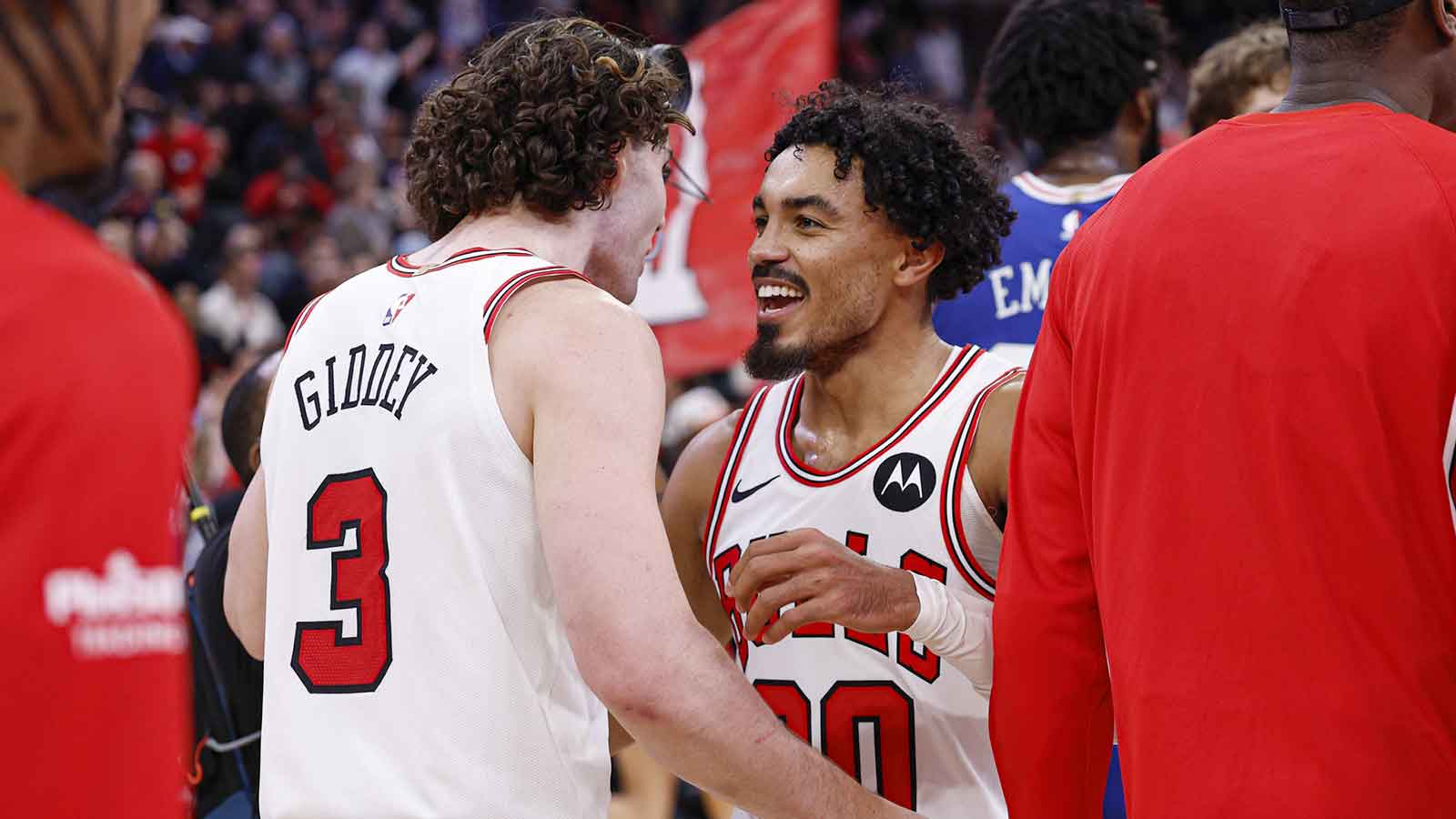
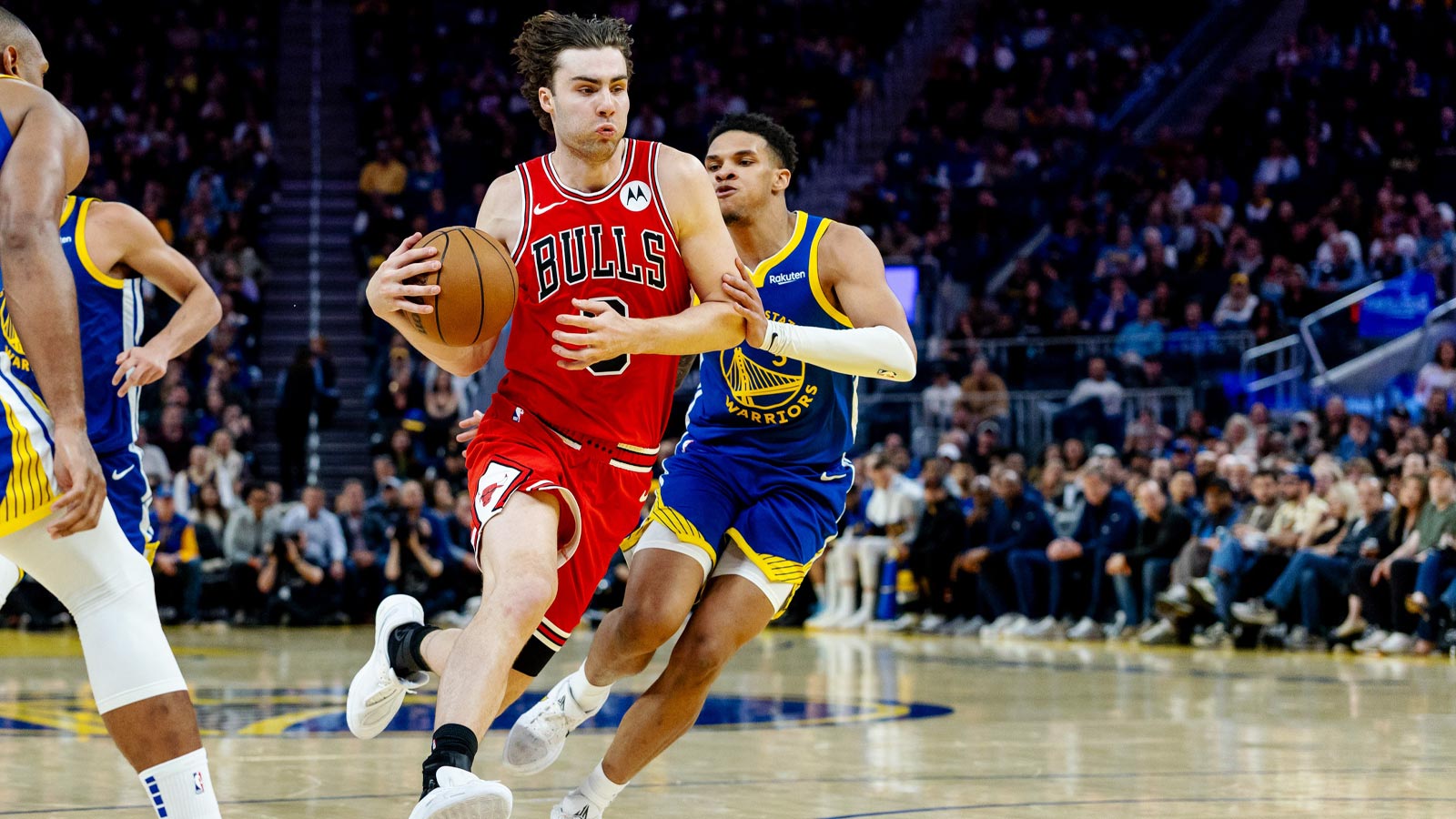
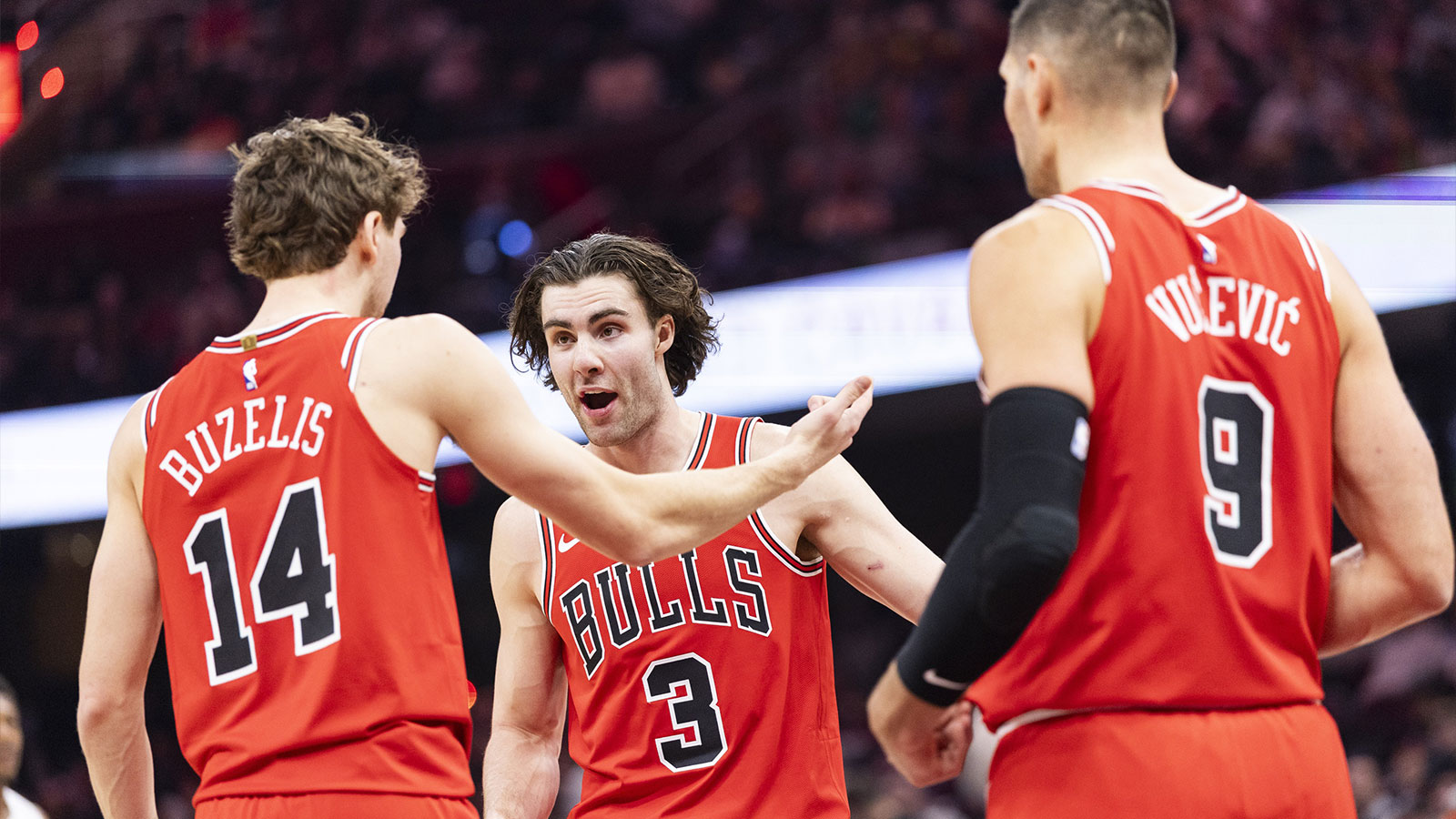
The Bulls’ 2025-26 campaign opened with a surge of optimism that briefly revived echoes of the franchise’s championship past. Chicago stormed out to a 5-0 start, which was its best opening since the 1996-97 title season. They were fueled by the all-around brilliance of Josh Giddey.
Newly empowered as the offense’s lead orchestrator, Giddey blossomed into a nightly triple-double threat. He is averaging nearly 19 points, nine rebounds, and nine assists. His size, tempo control, and playmaking vision unlocked a faster, more creative offensive identity that energized both teammates and fans.
Early momentum, though, masked deeper flaws. Defensive breakdowns surfaced quickly as the schedule hardened. Chicago’s inability to protect the rim or contain dribble penetration sent them spiraling into a seven-game losing streak spanning November and December. Rotational instability and inconsistent point-of-attack defense also pushed the Bulls near the bottom tier of the league in points allowed.
By the time February arrived, the early glow had faded into familiar mediocrity.
Deadline positioning
Entering the trade deadline, the Bulls sat at 24-27 and drifting further from Play-In viability. The front office faced a defining choice: chase short-term competitiveness or pivot toward a youth-driven rebuild.
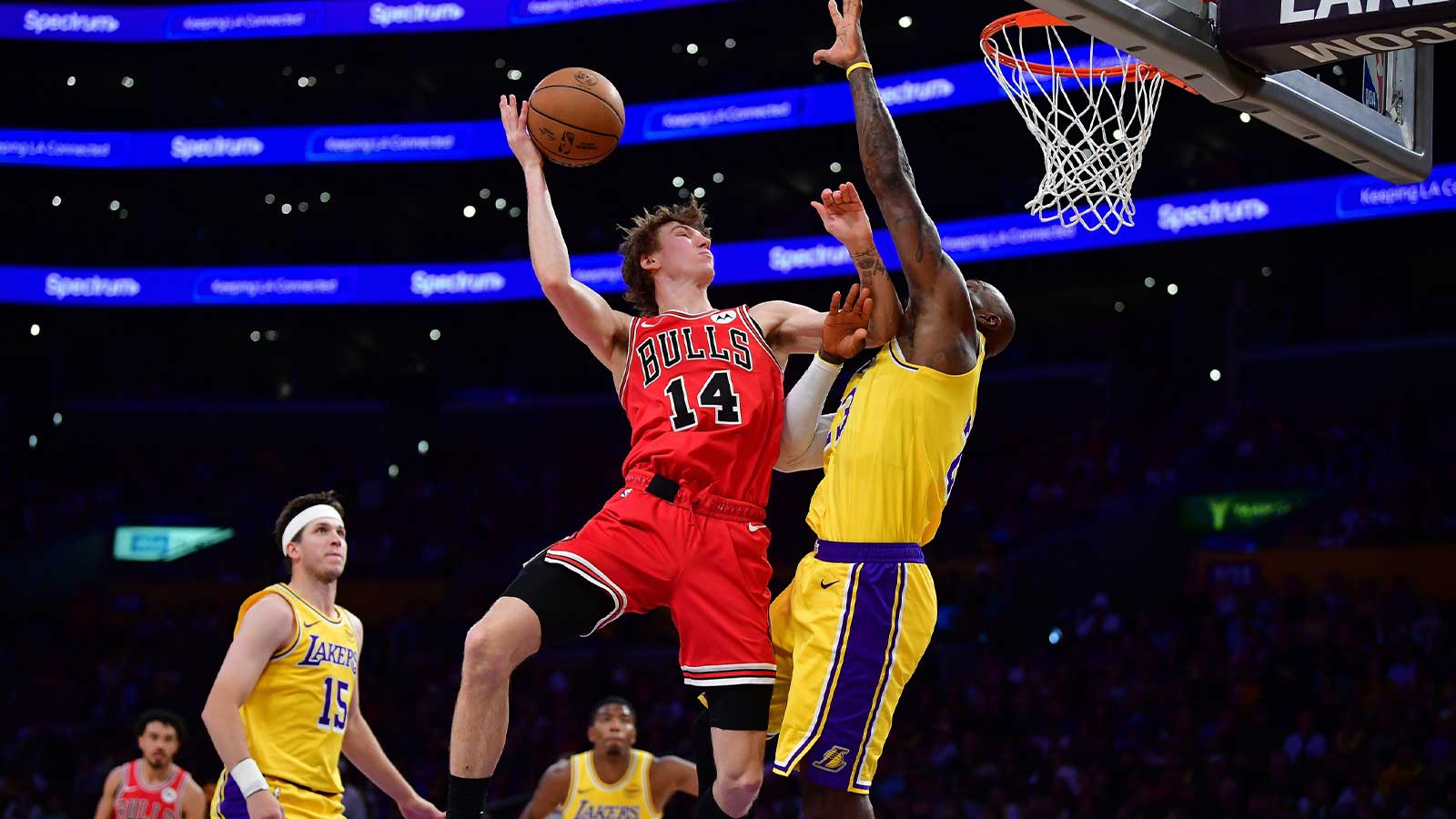
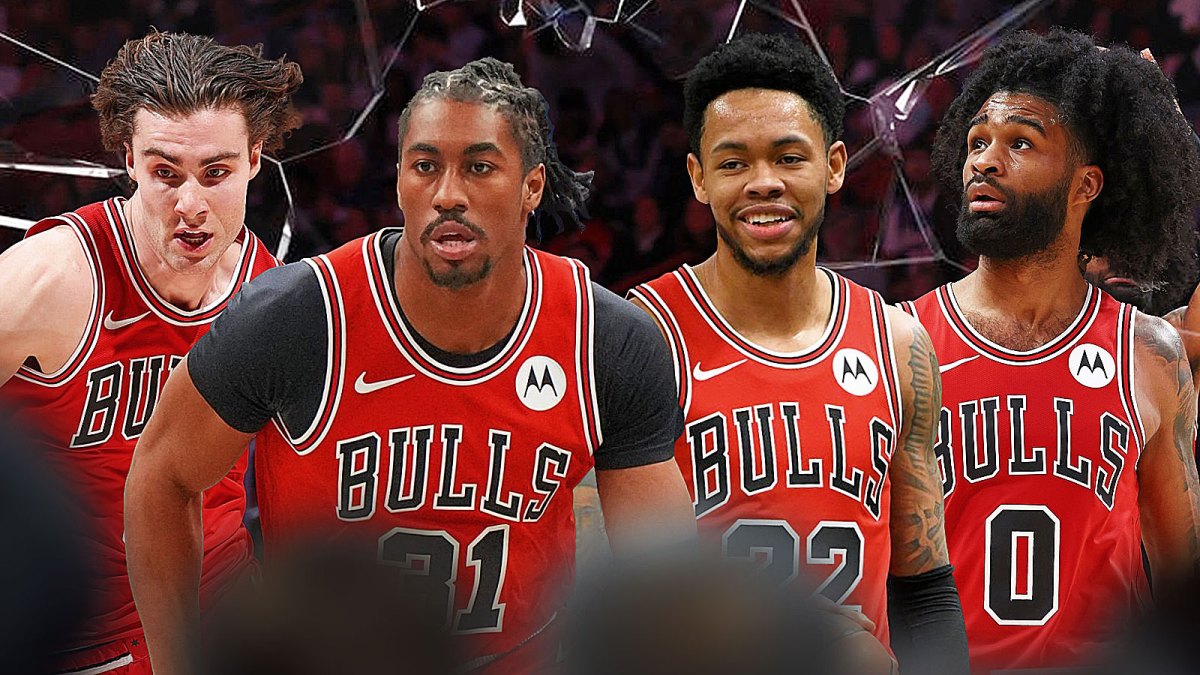
They chose the latter and quite decisively, too. In a whirlwind stretch of transactions, Chicago dismantled its veteran core. Leading scorer Coby White was moved. Veteran center Nikola Vucevic was dealt. Homegrown guard Ayo Dosunmu was also shipped out.
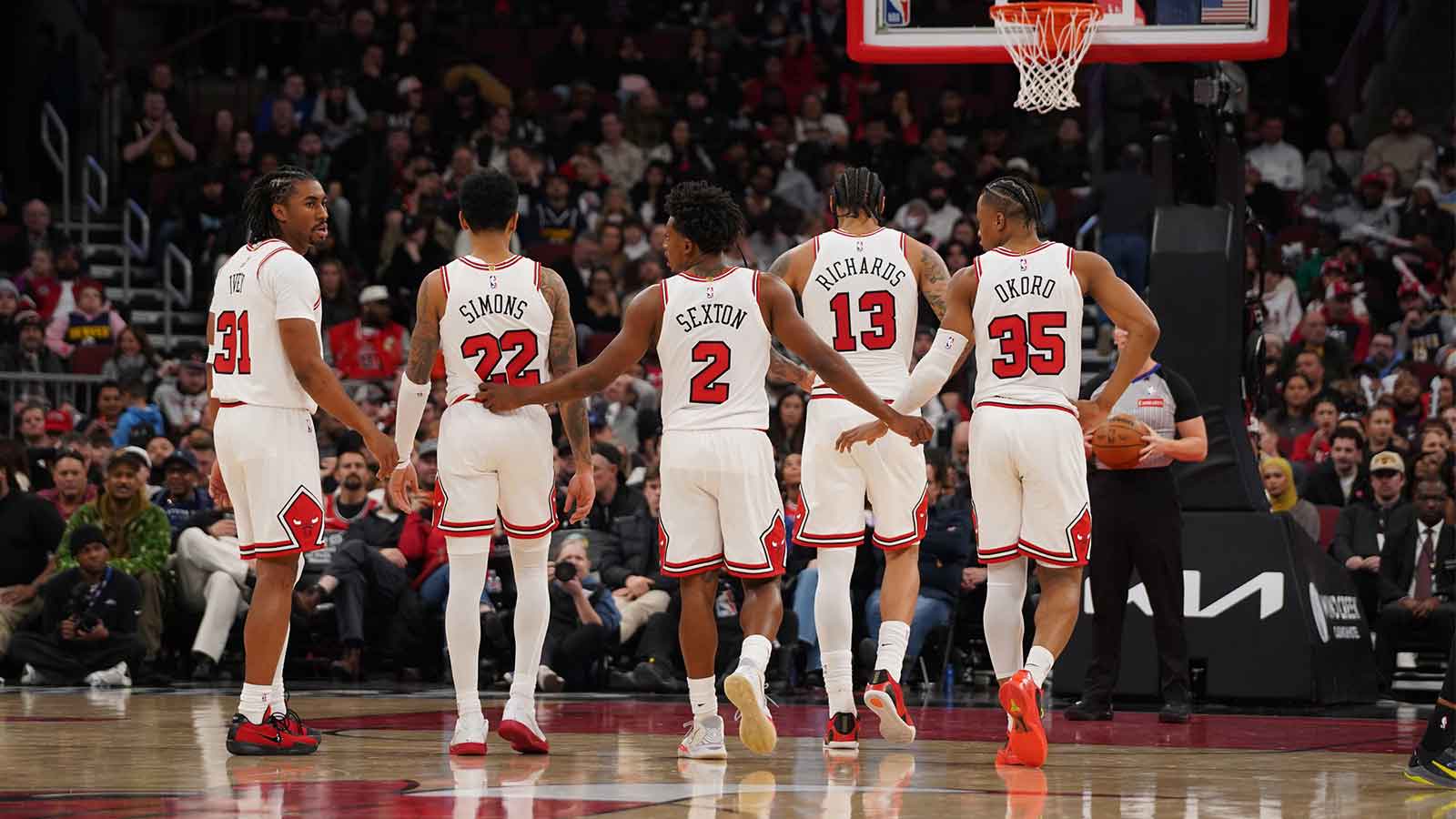
In return, the Bulls assembled a youth-heavy haul headlined by Jaden Ivey, Anfernee Simons, and Collin Sexton. That's along with an eye-popping stockpile of nine second-round picks. The messaging was clear: development over immediate wins.
Yet as the new-look roster stumbled into a three-game skid, which has been compounded by hamstring injuries to Giddey and Tre Jones, questions emerged about whether Chicago had truly reset or simply reshuffled imbalance.
Clearings and questions
The 2026 deadline will be remembered as the moment Chicago finally embraced change. Of course, change alone does not equal direction. Chicago’s biggest mistake wasn’t choosing to rebuild but how they structured the teardown. That's particularly true in relation to timing, positional value, and asset optimization.
Waiting too long to sell high
The most glaring misstep was that Chicago waited too long to move its most valuable trade chips. Eighteen months earlier, both White and Dosunmu were outperforming team-friendly contracts. Their production-to-salary ratios made them premium assets capable of commanding first-round picks or blue-chip prospects.
By delaying action until the 2026 deadline, which is when contract leverage had diminished and free agency loomed, Chicago negotiated from a position of reduced strength. Instead of netting cornerstone draft capital, they settled for a surplus of second-round selections. Useful, yes. Transformational, no. The difference between first-round equity and second-round volume is seismic.
Point guard logjam
If the timing error was strategic, the roster construction that followed bordered on chaotic. In the span of a week, Chicago acquired Ivey, Simons, Sexton, and Rob Dillingham. Those are four high-usage guards who require on-ball reps to maximize development.
Now layer that influx onto a backcourt already featuring Giddey and Jones. The result is now a historic positional logjam. At one point, Chicago rostered ten guards on standard deals while carrying only one healthy center above 6-foot-10 in Nick Richards.
Developmental rebuilds require clarity of roles. Instead, Chicago created competition for minutes without complementary frontcourt infrastructure to support lineup balance. The result risks stunting growth rather than accelerating it.
The Coby White medical snafu
As if the structural concerns weren’t enough, Chicago’s handling of the Coby White trade introduced an avoidable public relations stumble.
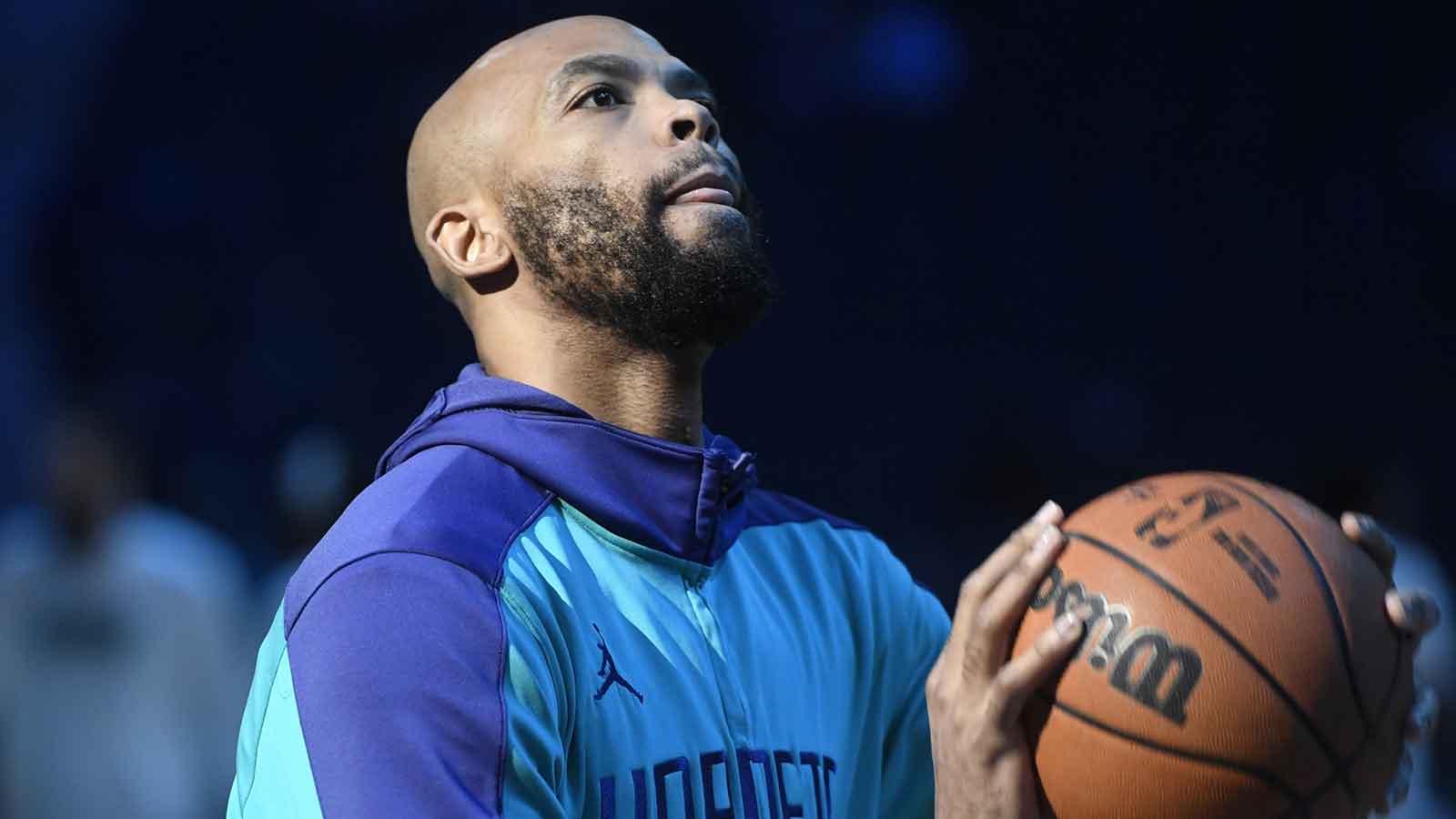
White’s deal to the Charlotte Hornets was amended post-deadline after medical evaluations revealed a left calf issue that Charlotte believed had not been fully disclosed during negotiations.
Chicago was forced to return one of the three second-round picks it had acquired in the transaction. That was a minor asset loss on paper but symbolically damaging.
Positional value versus asset volume
The cumulative effect of Chicago’s deadline strategy highlights a tension between asset accumulation and roster functionality. Stockpiling second-round picks provides trade flexibility and developmental darts to throw. However without positional equilibrium — particularly size and rim protection — those assets risk orbiting an imbalanced core.
Modern rebuilds are less about quantity and more about strategic fit. Chicago may have gathered pieces without fully mapping how they coexist.
Rebuild begins, questions linger

The 2026 trade deadline ended one era of Bulls basketball. It handed the keys to youth, pace, and developmental upside. Yet, the foundation remains uneven. Chicago must consolidate its guard surplus into frontcourt reinforcements and future first-round equity. With that, this deadline can age gracefully.
If not, the “Great Clearing of the Ranks” may be remembered not as the day the rebuild began-but as the day it lost structural balance before it even took shape.