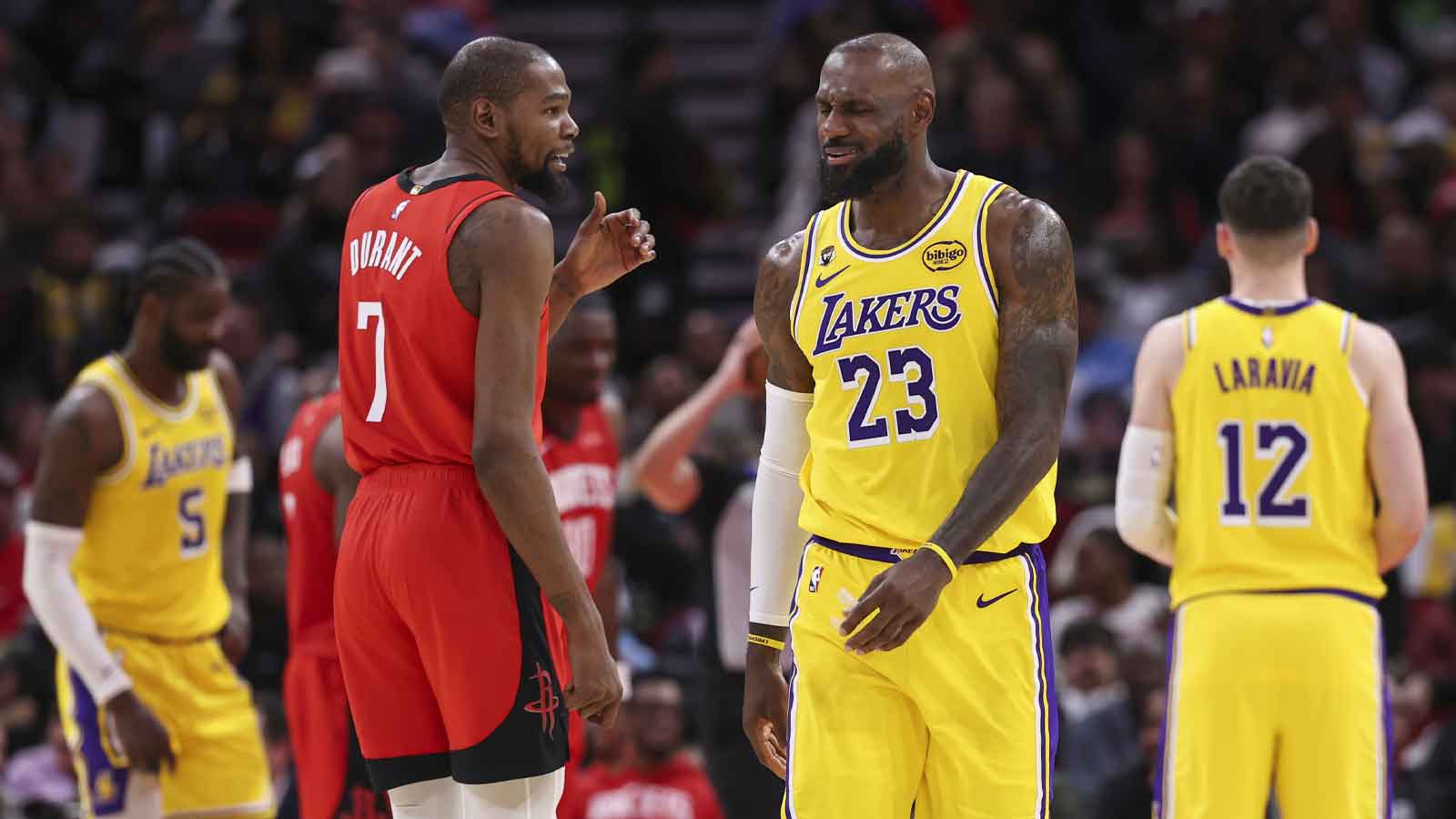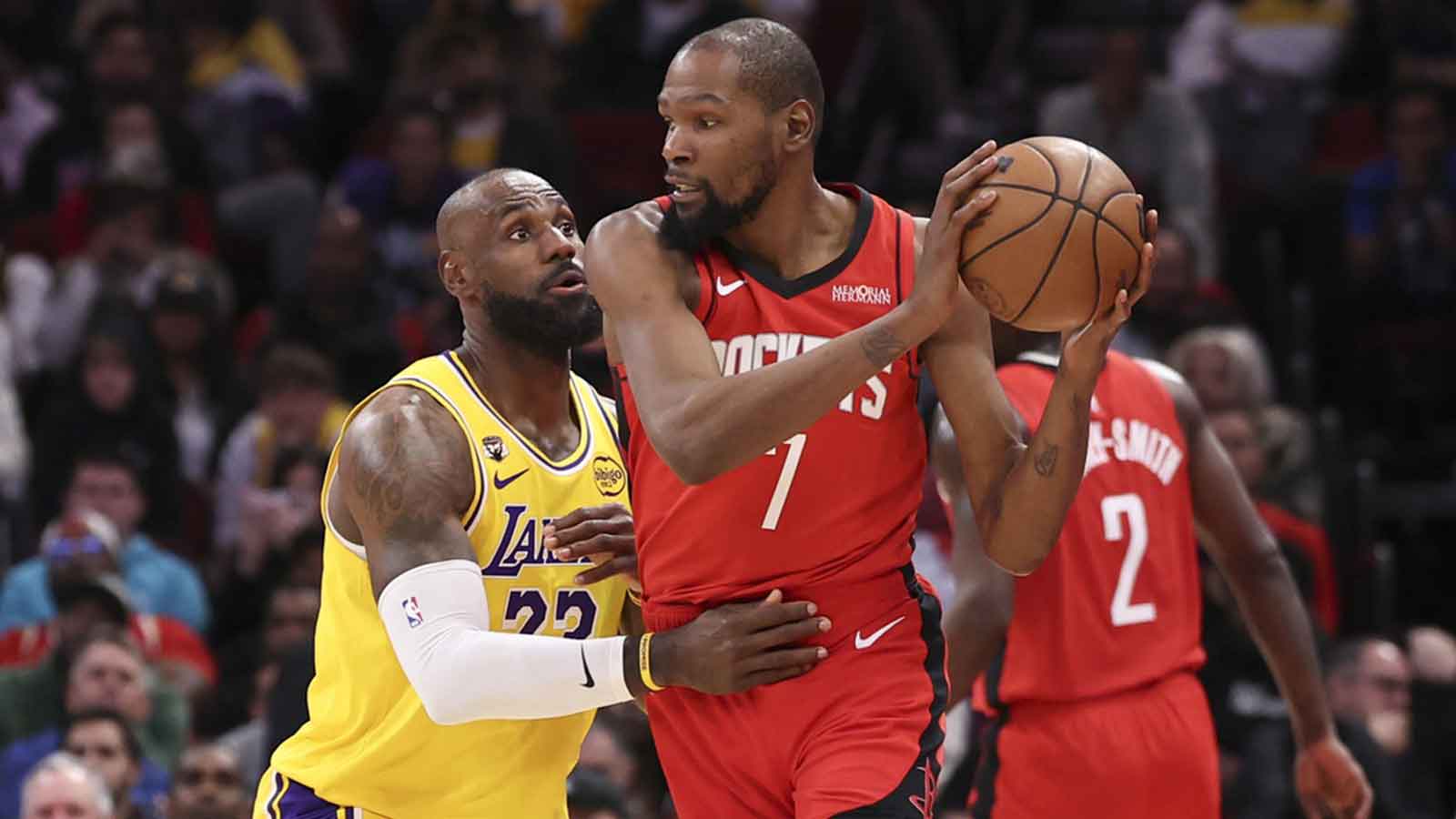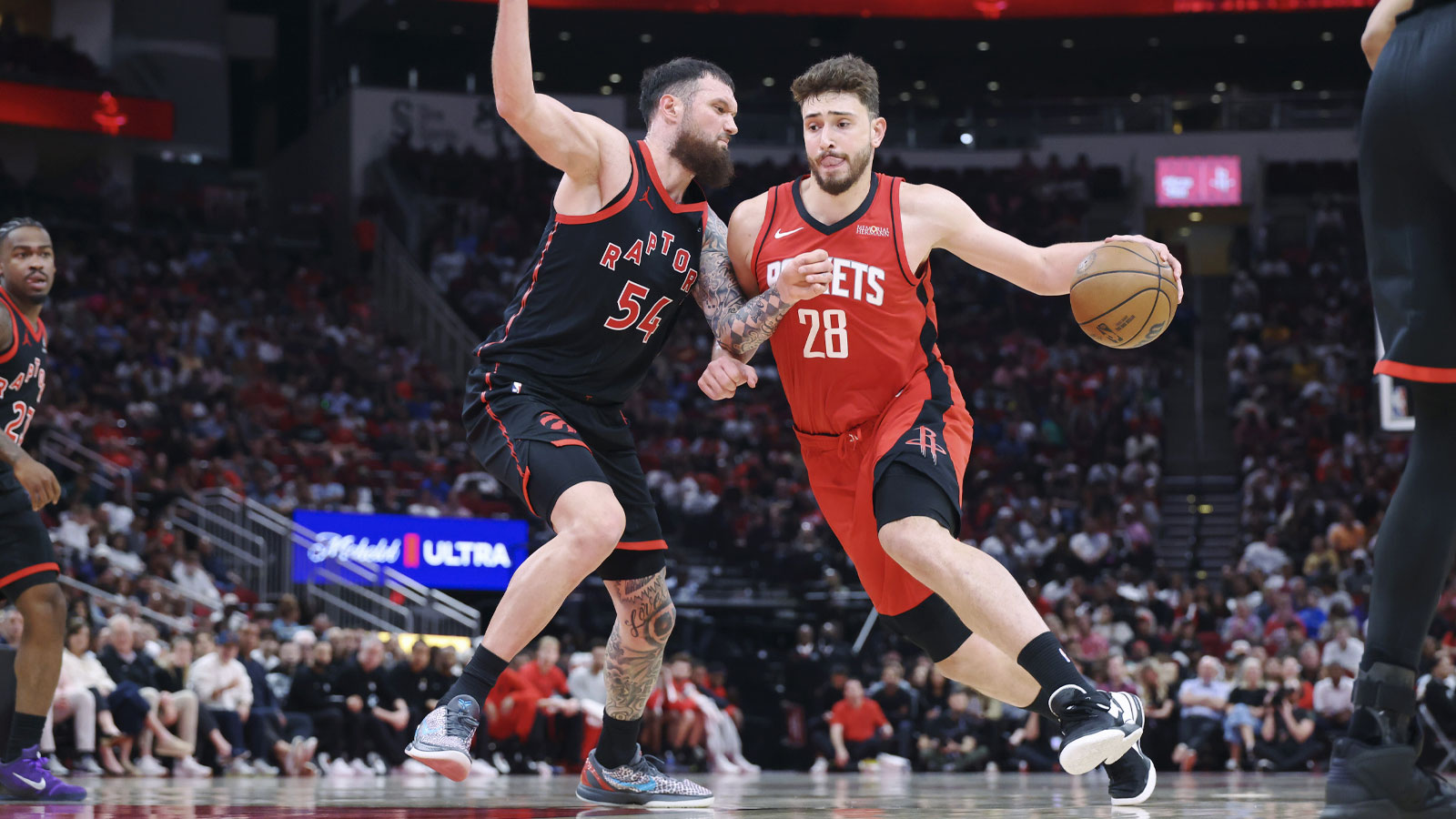
Steve Nash and LeBron James marveled at the Houston Rockets’ elite offensive rebounding ability on their latest “Mind the Game” podcast, a strength that has helped redefine their identity.
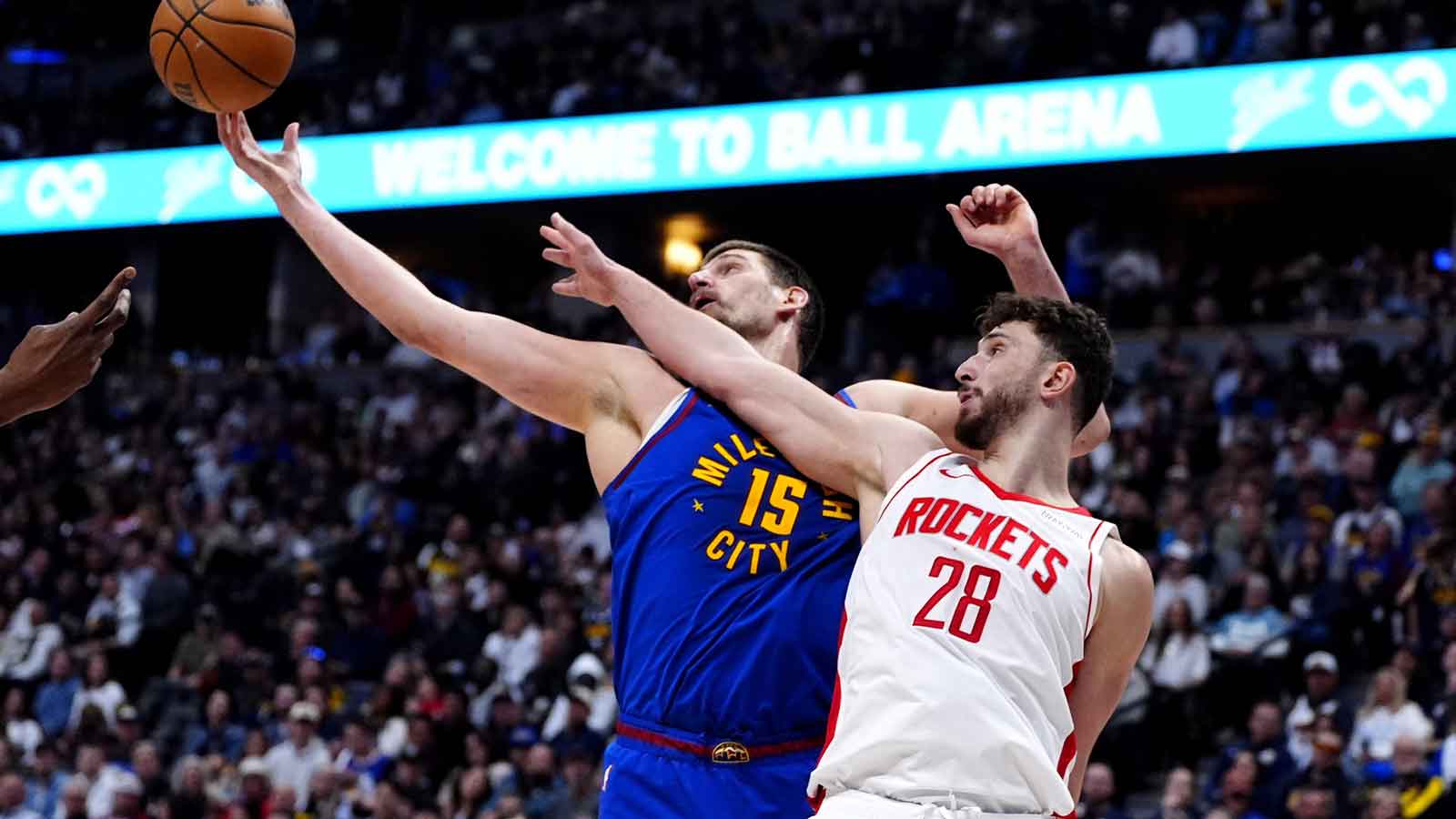
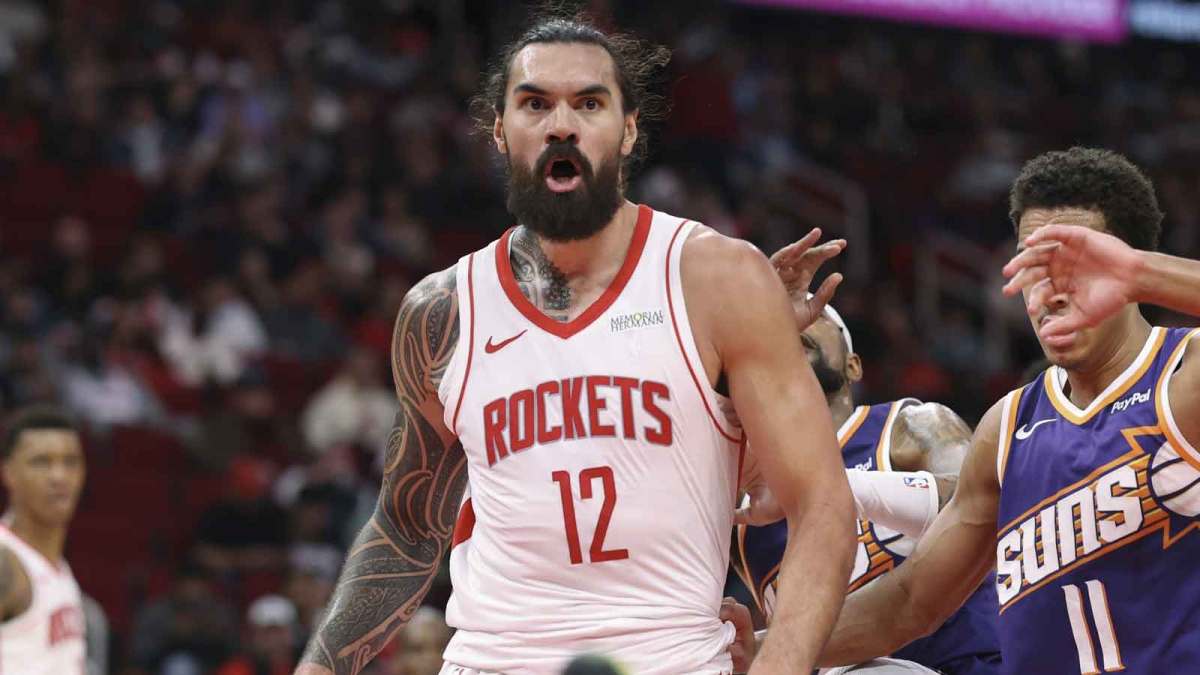
“Steven Adams is getting over one in four offensive rebounds when he is on the court,” Nash explained. “Our highest values are lay-ups, free throws, then offensive rebounds. Because offensive rebounds lead to more lay-ups, more free throws, or kick-out threes. So you can see the value of Steven Adams to that offense, when we don’t really consider him an offensive player.”
LeBron followed by emphasizing just how disruptive Adams is on the glass.
“You know, as an opposing team, when you face Houston, one of the main focuses is Steven Adams,” LeBron said. “You need the whole team, plus the bench, and the coaching staff, you’re your security team, to box him out. He’s ridiculously strong. You can’t box him out with two people; you need three or four guys around him.”
Nash added that Adams’ gravity directly helps his teammates.
“Then other guys get opportunities, because you have to double, triple him on the glass,” Nash said. “He puts himself in position that he can make a play on the ball even when three guys are trying to box him out… incredible impact. It’s a pretty cool adjustment [for the league].”
The Rockets’ new identity
In a league that has been dominated by three-point shooting for a decade, the Rockets currently own the No. 2 offensive rating by being the best rebounding team in the league. Despite shooting the fewest threes and playing at the second-slowest pace in the league, Houston succeeds by flirting with the best rebounding rate of this century.
“Not sounding mean or anything, but if you know your team isn’t that great at shooting, you’re gonna need more attempts,” explained Adams.
And while he gets a lot of deserved attention for that, New Zealand’s impact goes far beyond the 32-year-old center.
New Zealand’s influence
Paul Henare was the head coach of New Zealand’s national team from 2015 to 2019. He viewed offensive rebounding like the triple-option offense in college football: a way for less-talented teams to level the playing field. While NBA teams steered away from crashing too many players on the offensive glass, theoretically making them more vulnerable in transition defense, Henare taught his group to be ultra-aggressive, sending all five players to the rim.
To address the transition defense, Henare added an element to offensive rebounding called “tagging up,” in which his players don’t just crash the glass recklessly, but instead approach defenders at specific areas of the floor and block their pathways to leaking out in transition, a term you’ll hear throughout college basketball nowadays, too.
Current New York Knicks coach Mike Brown was one of the coaches who hopped on a video call with Henare in 2021 to learn more, as he prepared to coach the Nigerian national team in the Tokyo Olympics. Which makes it no coincidence that the number of NBA teams who rebounded more than 30% of their misses climbed from just one in 2020-2021, to five the following season. And this year? 20 teams are doing it. But none more effectively than the Rockets.
Ime Udoka’s early adoption
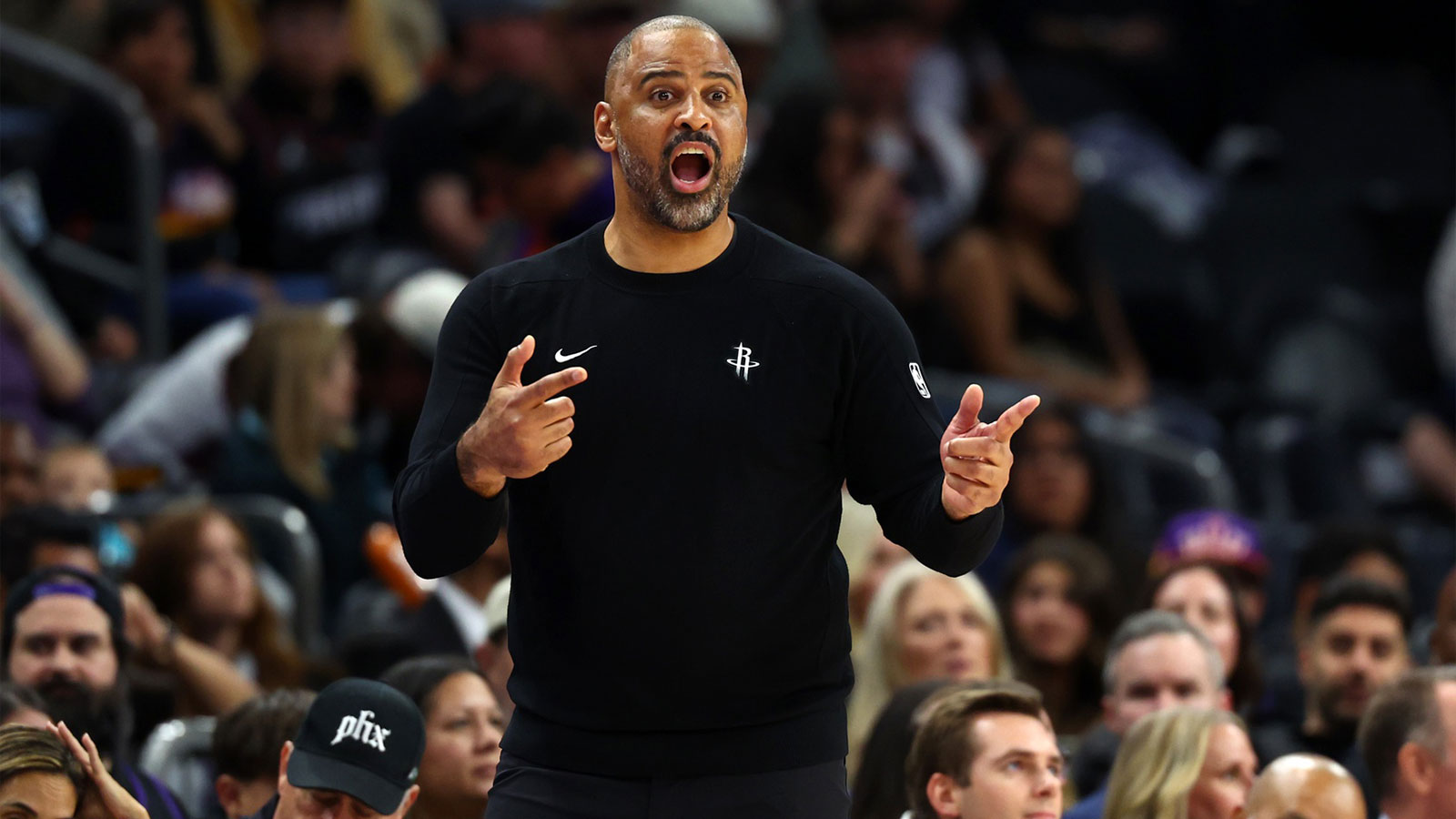
For Houston’s head coach, Ime Udoka, his interest also began in 2021, while still coaching the Boston Celtics. Udoka experimented with a larger emphasis on offensive rebounding with the Celtics summer league team that year by sending three players to the glass on each shot. That eventually extended to their G-League team, where Maine started to send four guys to crash.
It's no coincidence that Udoka’s former team is now fifth in offensive rebounding. Meanwhile, the Portland Trailblazers, led by Tiago Splitter, Udoka’s former assistant coach in Houston, rank second, only behind the Rockets.
And when Udoka took over in Houston, the Rockets traded for New Zealand’s own Steven Adams mid-season, even though he was injured and unable to play that year. Still, the trade has paid off enormously since.
Historic Numbers in Houston
This year, Houston opened the season with the tallest starting five in NBA history, and, through 21 games, is recovering 41% of their missed shots, which would annihilate the modern-era single-season record (dating back to 1996 when the NBA began play-by-play tracking).
According to Second Spectrum, the Rockets have won the offensive rebound battle 56% of the time when sending three players to the glass. For some veterans, the shift requires unlearning years of habits and coaching.
“There are certain guys that are a little older, more seasoned,” Udoka said. “They are who they are at this point, but we still want them to go and be a body. We see the numbers and how it impacts us.”
The league seems to be transitioning toward offensive rebounding, but no team is doing it better than the Rockets. For Udoka, this change has been four years in the making. For Adams, it’s a natural fit. And for Houston, it might just be enough to carry them into championship contention.