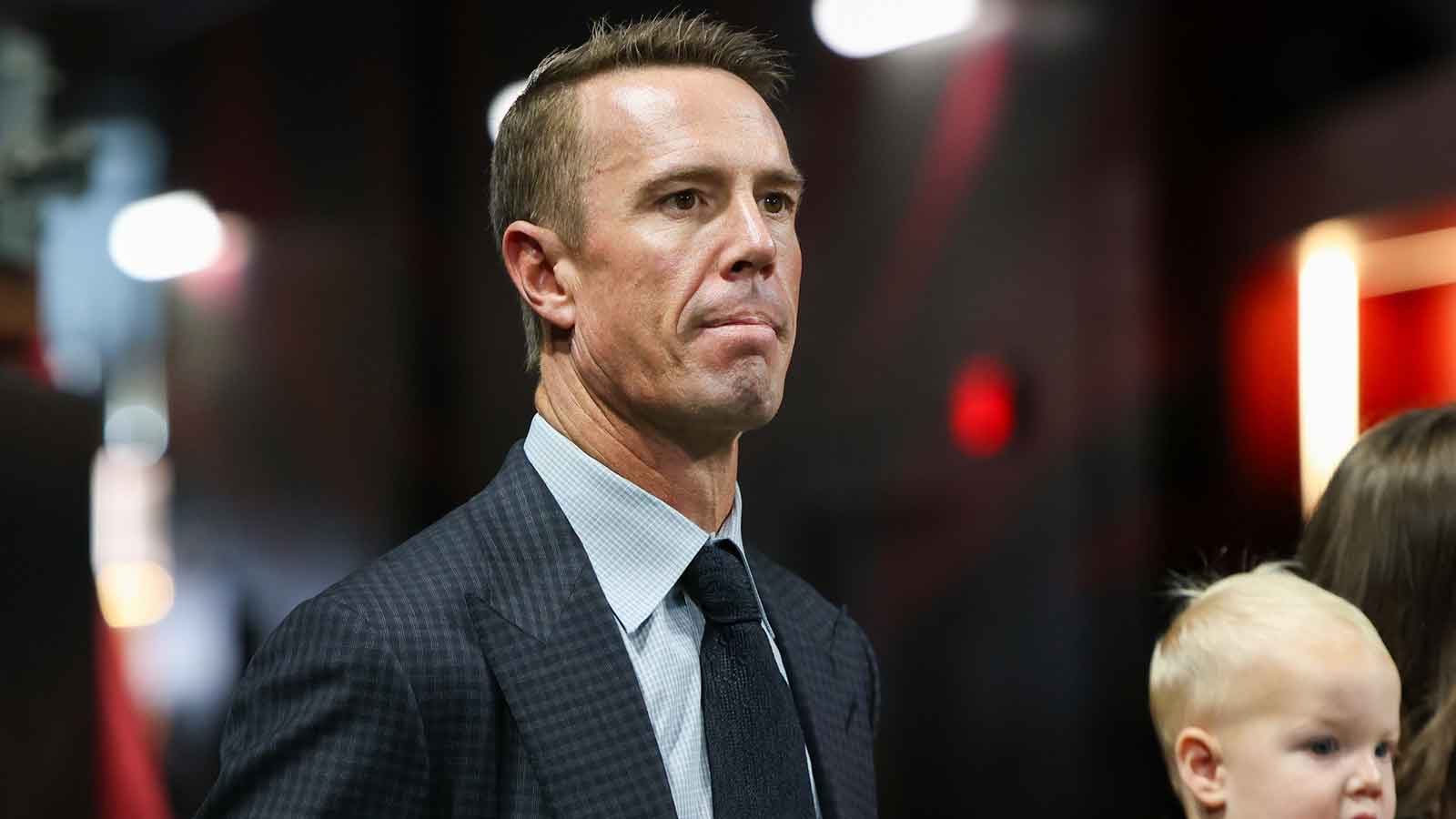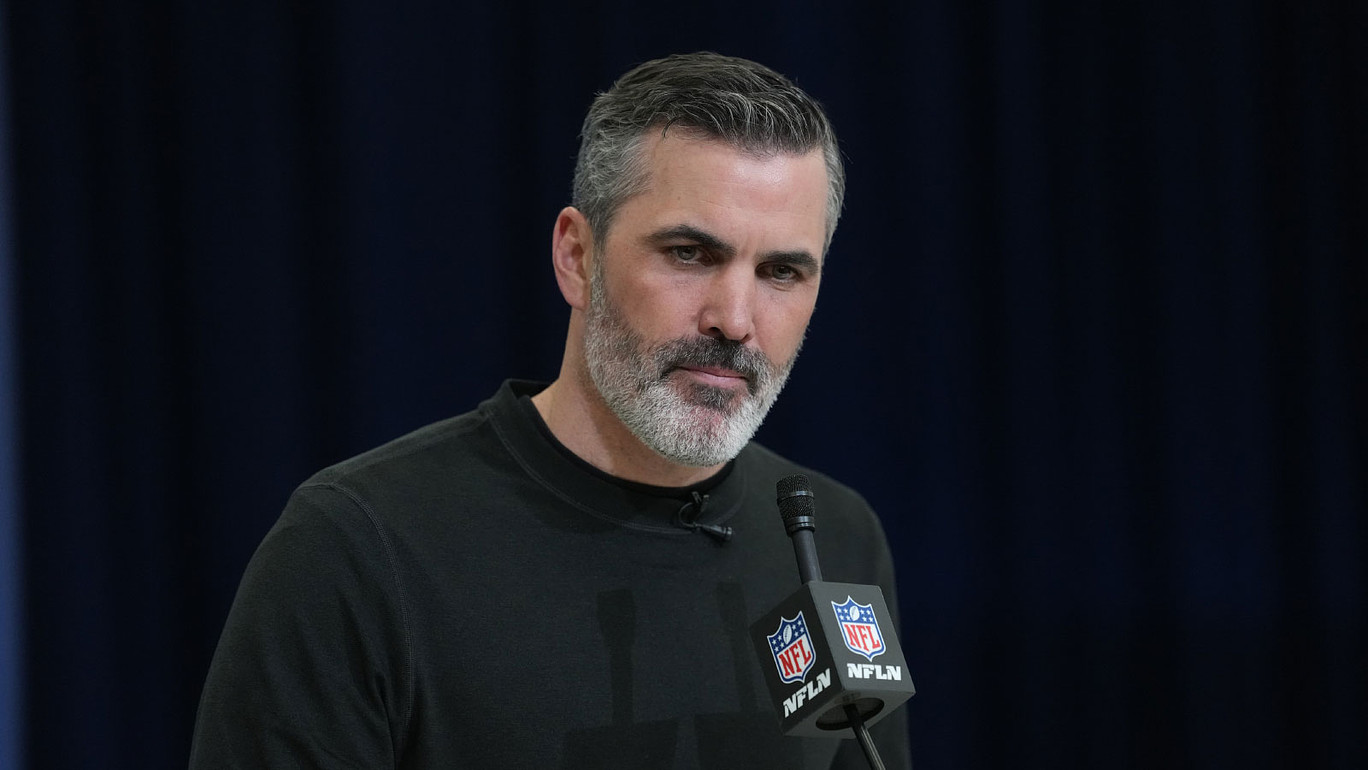

As the NFL calendar flips fully into draft season, the Atlanta Falcons find themselves at a fascinating crossroads. This is about reshaping the identity of a franchise entering a new leadership era. Kevin Stefanski now steers the sideline and franchise icon Matt Ryan oversees football operations. As such, Atlanta’s 2026 draft approach carries organizational symbolism. Every projection, every prospect link, and every front-office whisper points toward a central question. How aggressively will the Falcons build around Michael Penix Jr? Early mock draft patterns suggest the answer may lean heavily toward offensive weaponry and trench reinforcement. That signals a structural pivot designed to accelerate Atlanta’s competitive timeline.
Transition year
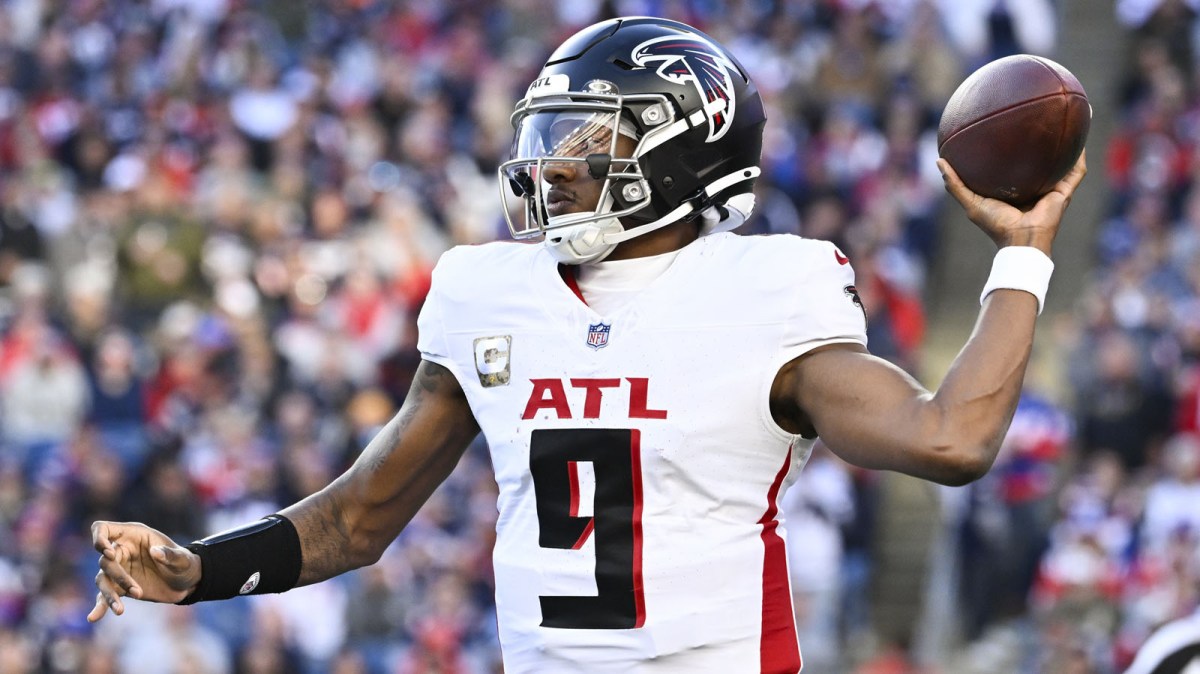
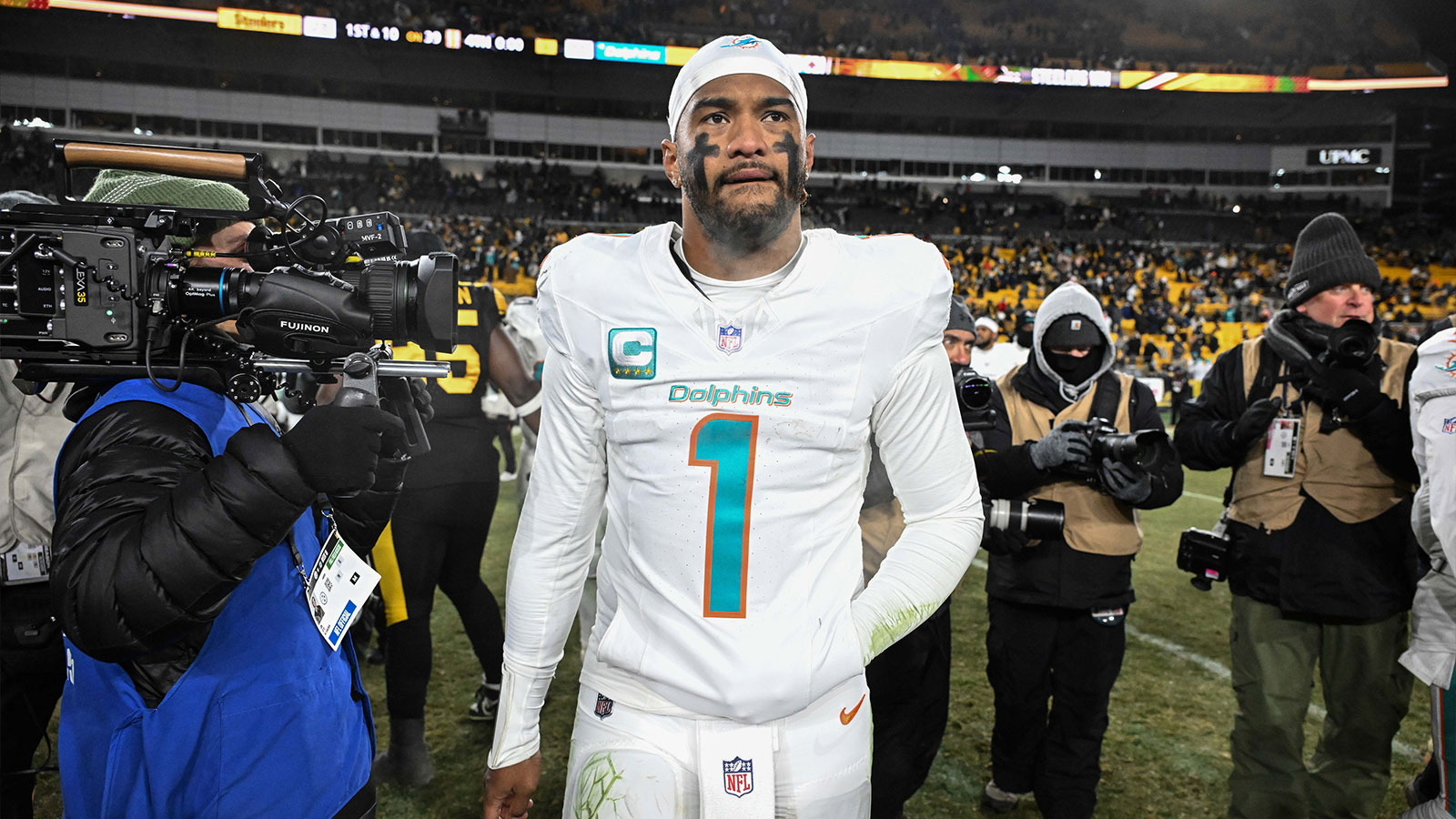
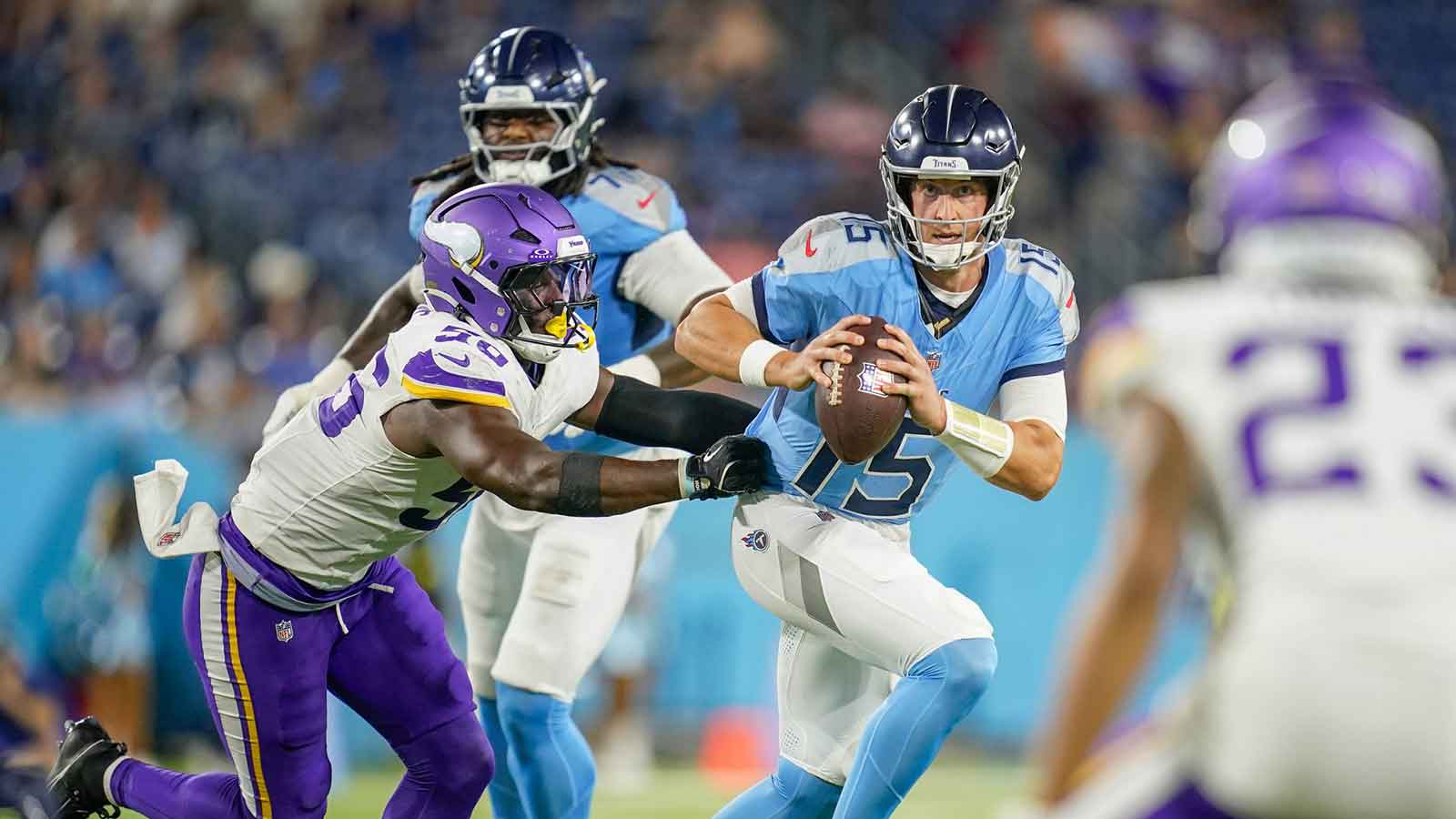
The Falcons’ 2025 season was a year of transition that ultimately ended in a familiar 8-9 record and a third-place finish in the NFC South. The campaign was defined by the official passing of the torch at quarterback. Penix took the reins as the full-time starter over veteran Kirk Cousins. He did show flashes of elite accuracy and leadership despite the team's struggles for consistency. Sure, the Falcons clawed their way to a four-game winning streak to close the season. However, their playoff hopes were extinguished early following a dismal 4-9 start. The lack of postseason progress led to a massive organizational overhaul immediately following the season finale. Owner Arthur Blank relieved head coach Raheem Morris and GM Terry Fontenot of their duties. That ushered in a new era led by the recently hired Stefanski and Ryan.
Roster needs
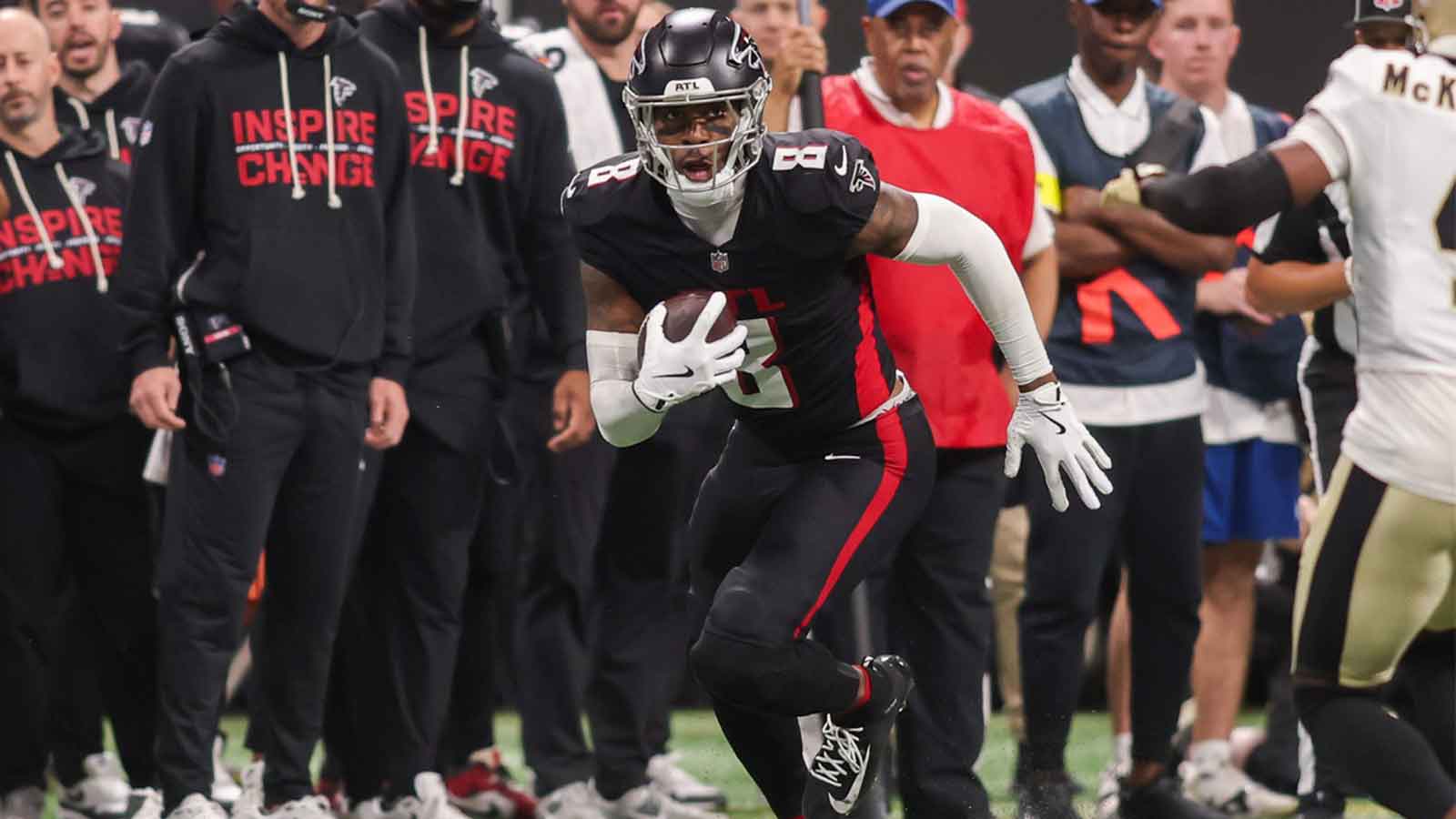
Heading into the 2026 NFL Draft, the Falcons’ roster construction is a puzzle defined by a lack of high-end draft capital. There is also a looming void at the pass-catching positions. Kyle Pitts enters a contract standoff and Darnell Mooney comes off a statistically disappointing, injury-plagued season. With that, finding a legitimate secondary threat to pair with Drake London is priority number one. Defensively, the interior line faces a massive regression risk if veterans like David Onyemata depart in free agency. Furthermore, starting tackles Jake Matthews and Kaleb McGary are both on the wrong side of 30. As such, the Falcons must use their limited picks to find long-term anchor talent on the offensive line. They also need a reliable cornerback to start opposite AJ Terrell.
Here are some intriguing draft possibilities, though the Falcons start picking no earlier than Day Two.
Edge LT Overton, Alabama
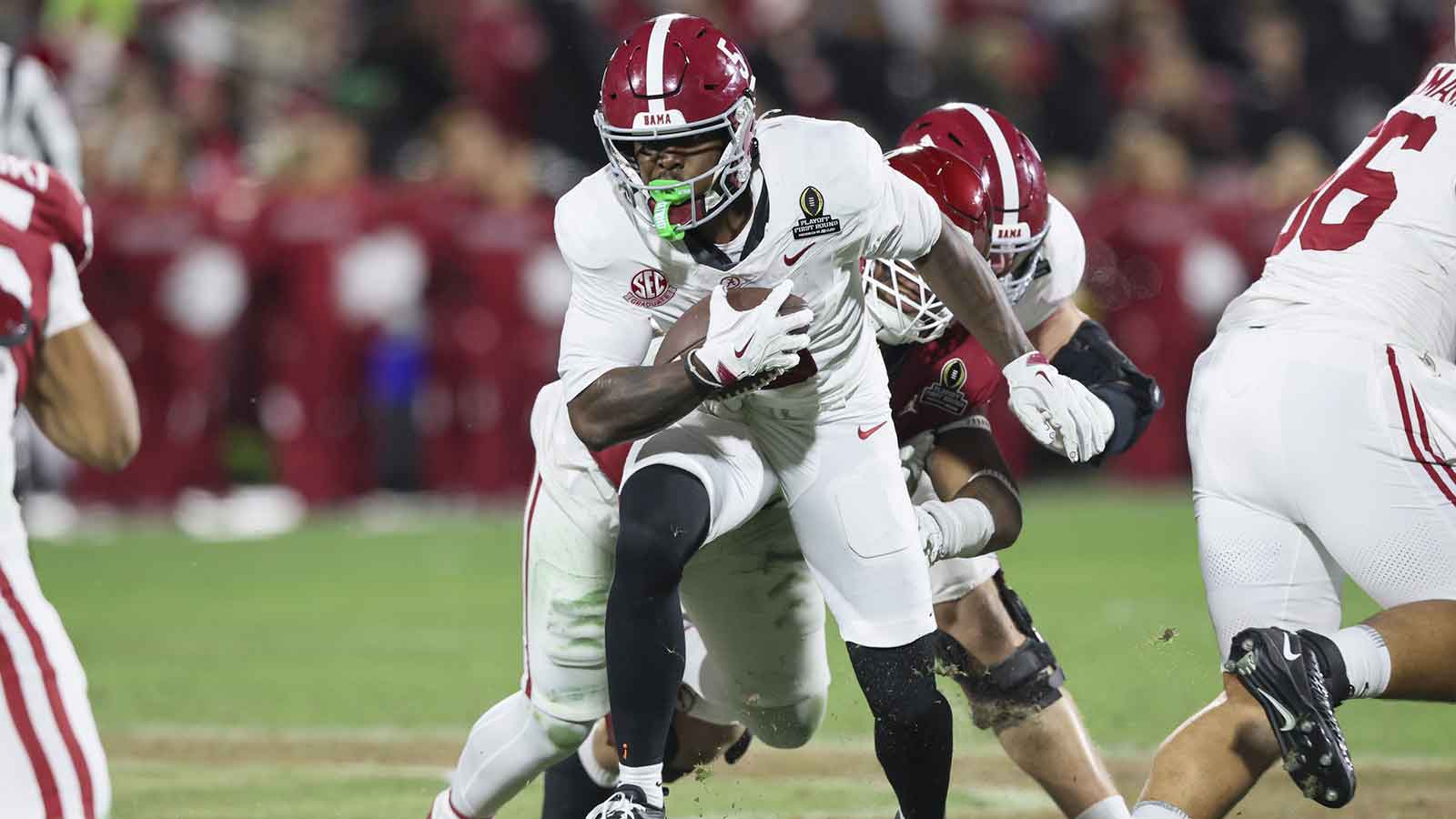
Alabama defensive lineman LT Overton is a prospect whose profile aligns cleanly with the Falcons’ evolving defensive identity. Despite Atlanta’s pass-rush production surge in 2025, depth concerns linger. That's especially true with veterans like Leonard Floyd approaching free agency.
Overton projects as a heavy-handed, power-based lineman. He can line up across multiple fronts. At 6-foot-5 and over 280 pounds, he offers the structural mass to function as a 5-technique. Overton can also slide inside during sub-package alignments. Scouts consistently highlight his motor and ability to reset the line of scrimmage with violent hands.
The comparison to current Falcon Zach Harrison surfaces frequently in evaluations. That's a high-pedigree tools player whose impact often extends beyond the stat sheet. For defensive coordinator Jeff Ulbrich, adding Overton would not simply maintain pass-rush depth. It would also fortify a run defense that showed vulnerability against downhill rushing attacks.
TE Eli Stowers, Vanderbilt
If Atlanta leans offense early, Vanderbilt tight end Eli Stowers has become one of the most intriguing projections in Round 2. The Falcons’ uncertainty surrounding Pitts’ contractual future only amplifies the logic behind targeting a dynamic pass-catching tight end.
Stowers’ background as a former quarterback adds schematic intrigue. His spatial awareness, route pacing, and coverage recognition translate into elite separation ability. Those traits helped him capture the John Mackey Award in 2025. Rather than functioning as a traditional in-line blocker, Stowers operates as a movable chess piece. He can align in the slot, out wide, or motioning pre-snap to dictate defensive matchups.
For a precision passer like Penix, Stowers represents an ideal seam-stretching outlet. His presence would also allow Stefanski to deploy heavier “12 personnel” formations without sacrificing vertical explosiveness.
TE Michael Trigg, Baylor
Another name circulating heavily in Atlanta mock projections is Baylor tight end Michael Trigg. His draft range typically spans late Round 2 into early Round 3. Where Stowers represents finesse and separation, Trigg embodies physical dominance and catch-radius intimidation.
After a collegiate journey that included stops at USC and Ole Miss, Trigg’s breakout 2025 campaign at Baylor elevated his draft stock significantly. His contested-catch ability stands among the most impressive in the class. He can routinely win above the rim and shield defenders with elite body positioning.
Atlanta's offense is already built around size mismatches, most notably Drake London. As such, Trigg would double down on that philosophical approach. His vertical threat profile makes him particularly dangerous in condensed red-zone spacing. That's where Penix often relied on high-point throws during his collegiate rise.
Yes, past evaluations questioned his week-to-week motor. Still, his final collegiate season reflected improved consistency and route discipline. In Stefanski’s offense, Trigg projects as a specialized weapon capable of tilting goal-line efficiency.
Offensive commitment
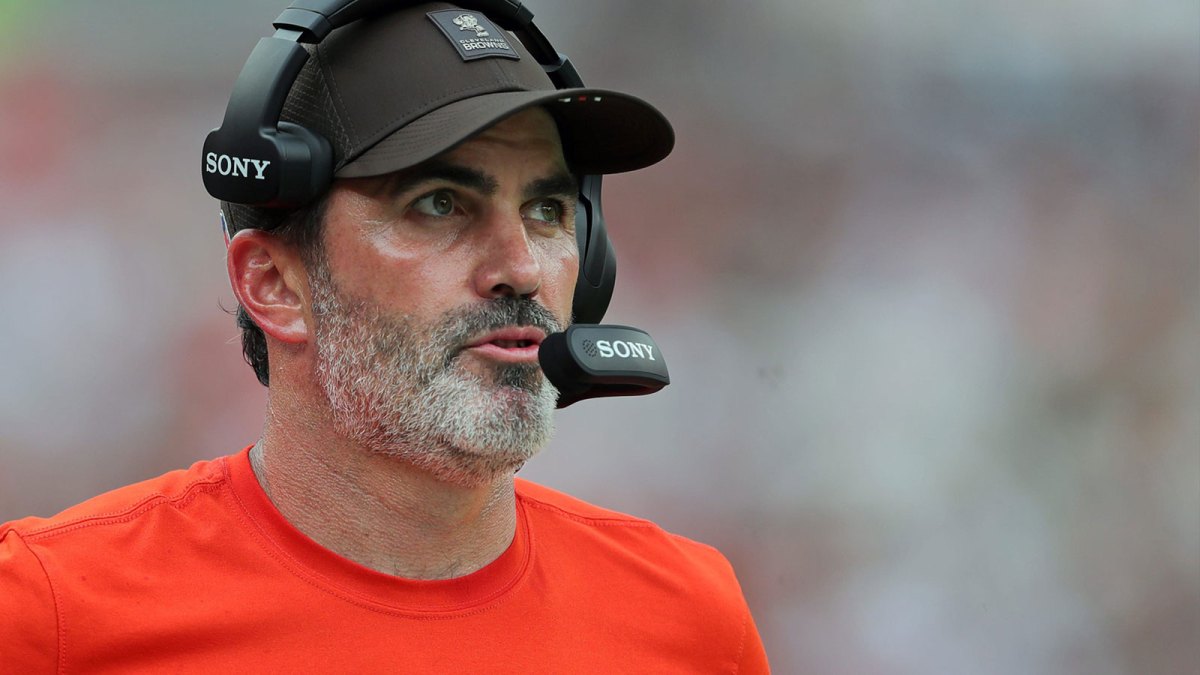
As mock drafts continue to crystallize, Atlanta appears poised to prioritize offensive infrastructure around Penix. Whether through tight end weaponry, trench fortification, or pass-catching depth, the Falcons’ projected selections reflect a franchise determined to accelerate quarterback development rather than delay it.
This strategy aligns with Stefanski’s historical offensive philosophy. That's built on layered personnel groupings, tight end versatility, and play-action efficiency. Surrounding Penix with matchup advantages would insulate the offense against contractual uncertainty surrounding existing weapons.
Ultimately, Atlanta’s 2026 draft should be remembered for what it represents organizationally. It is the first personnel blueprint of a new regime. If executed correctly, it could transform the Falcons from NFC South fringe contenders into legitimate postseason threats and perhaps faster than many expect.