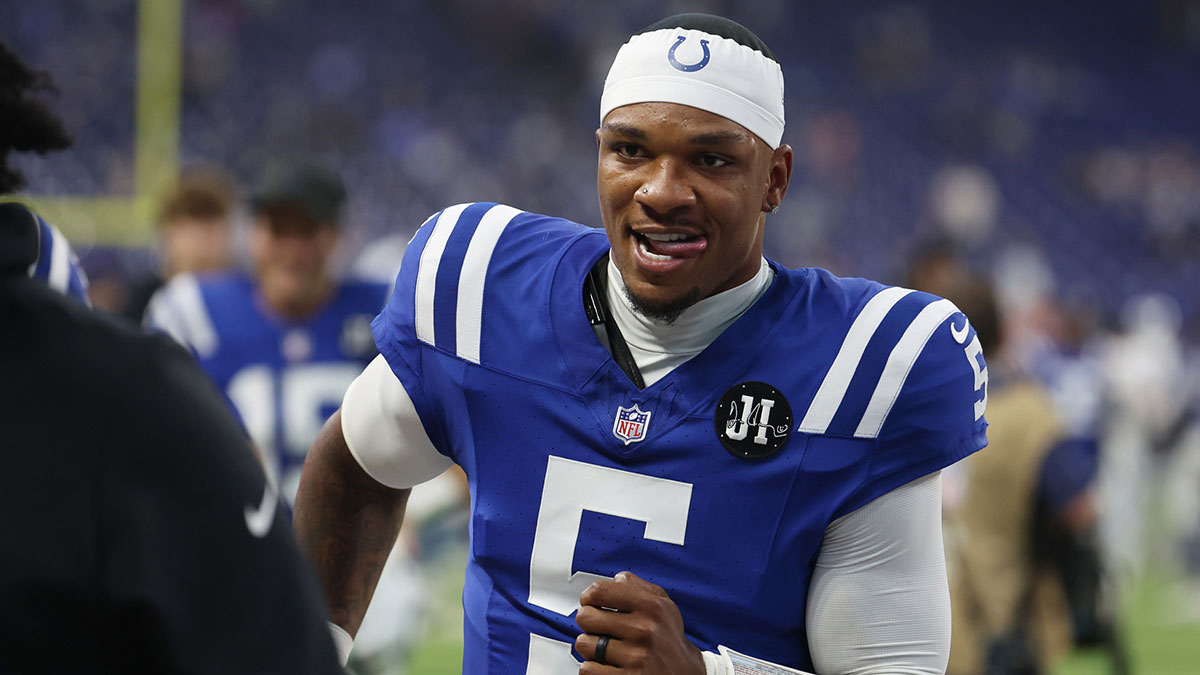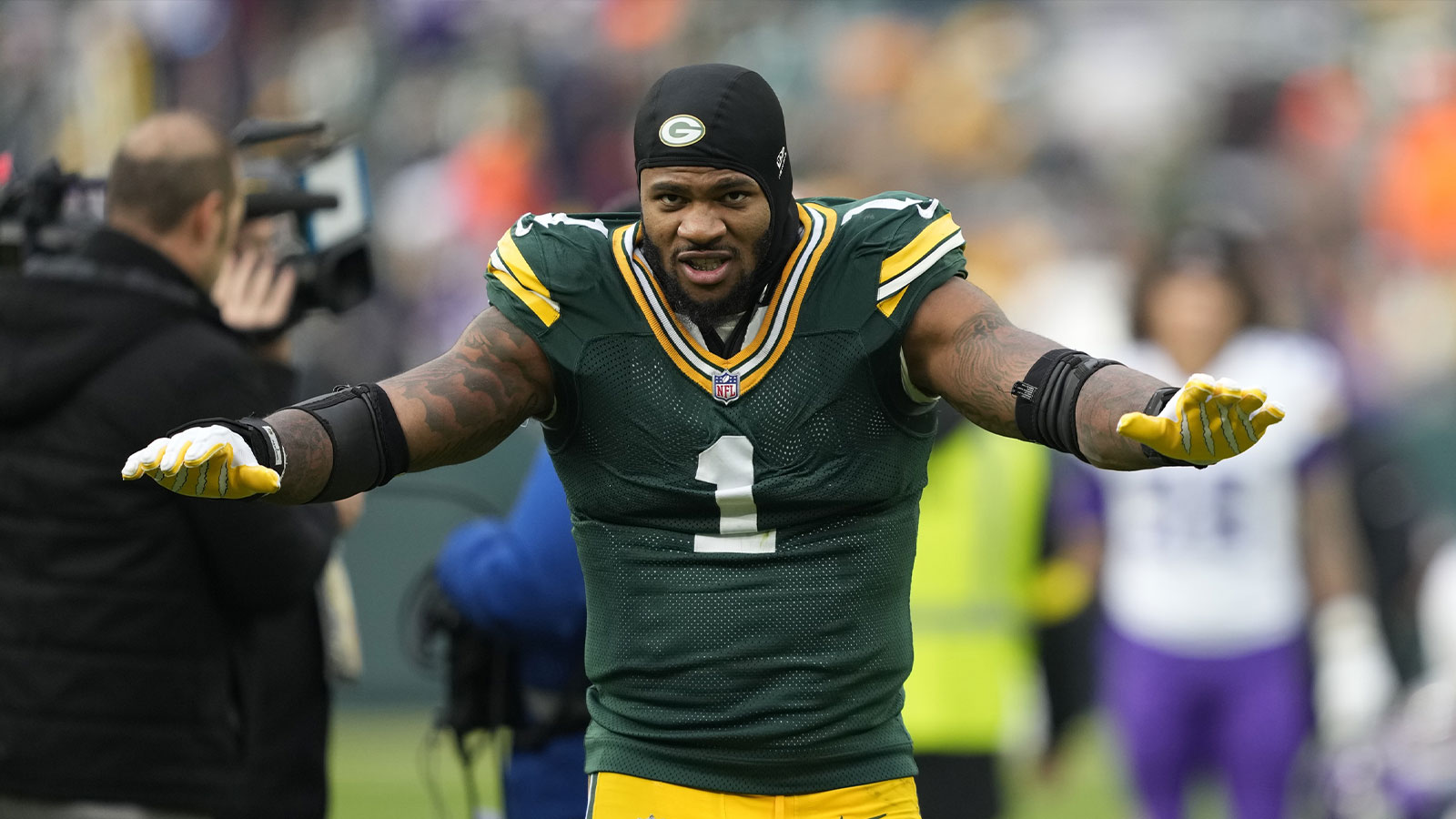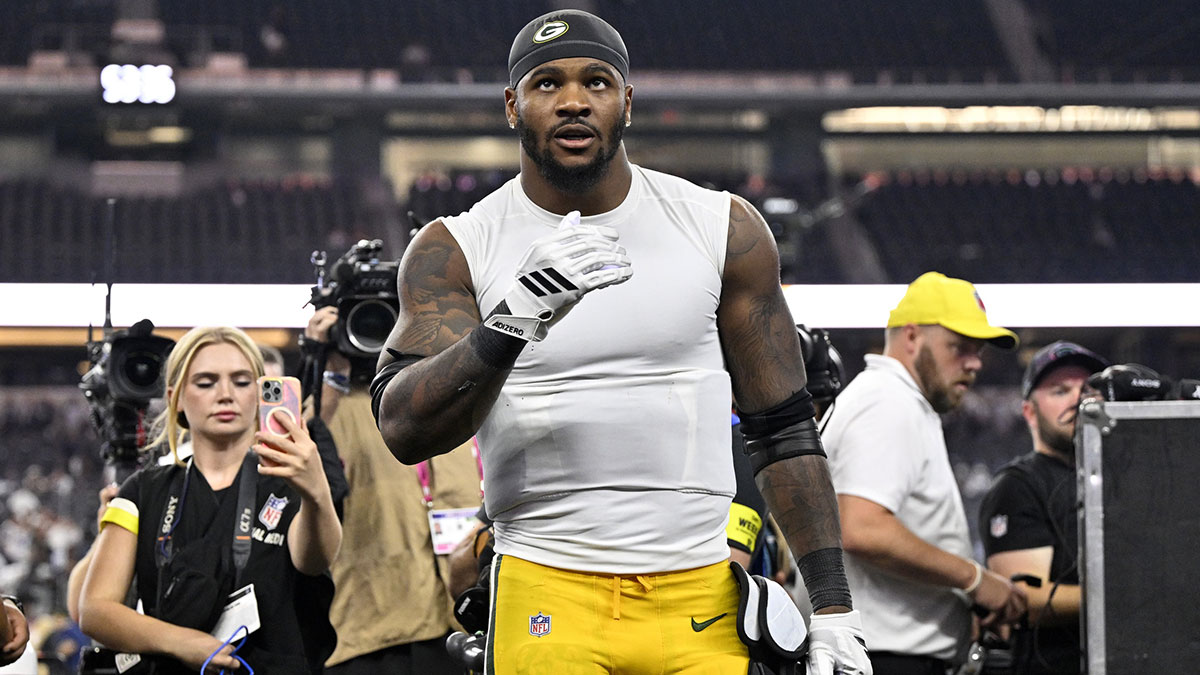
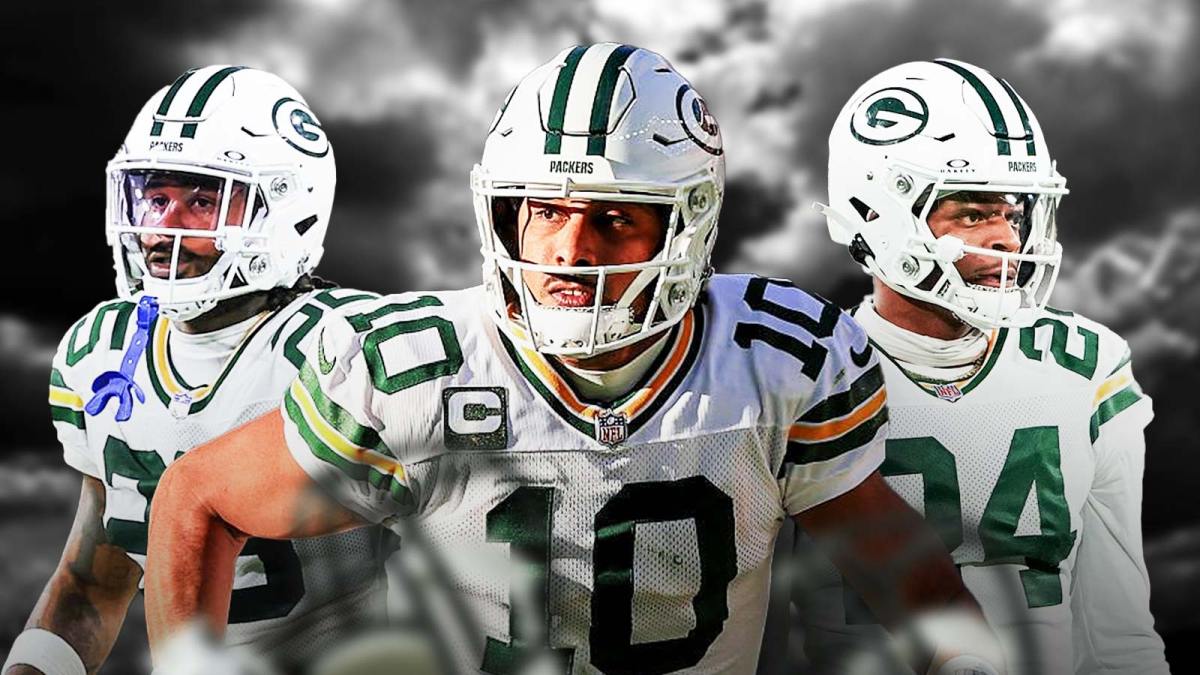
The Green Bay Packers didn’t lose in Denver because the Broncos were invincible. They lost because once adversity hit, everything just crumbled. What began as a poised, confident road performance turned into a bruising reminder of how fragile margins can be in December. A nine-point second-half lead disappeared. Their offense sputtered, the defense collapsed, and discipline went out the window. By the time the clock hit zero on a 34–26 loss, the Packers were reckoning with how quickly a promising season can tilt when execution, health, and composure fail together.
Blew it

The Packers lost after blowing a nine-point second-half lead in one of the season’s more jarring momentum swings. Green Bay entered halftime ahead 16–14 and appeared to seize control early in the third quarter. That was after Josh Jacobs powered in for a touchdown to make it 23–14. From there, though, the game flipped.
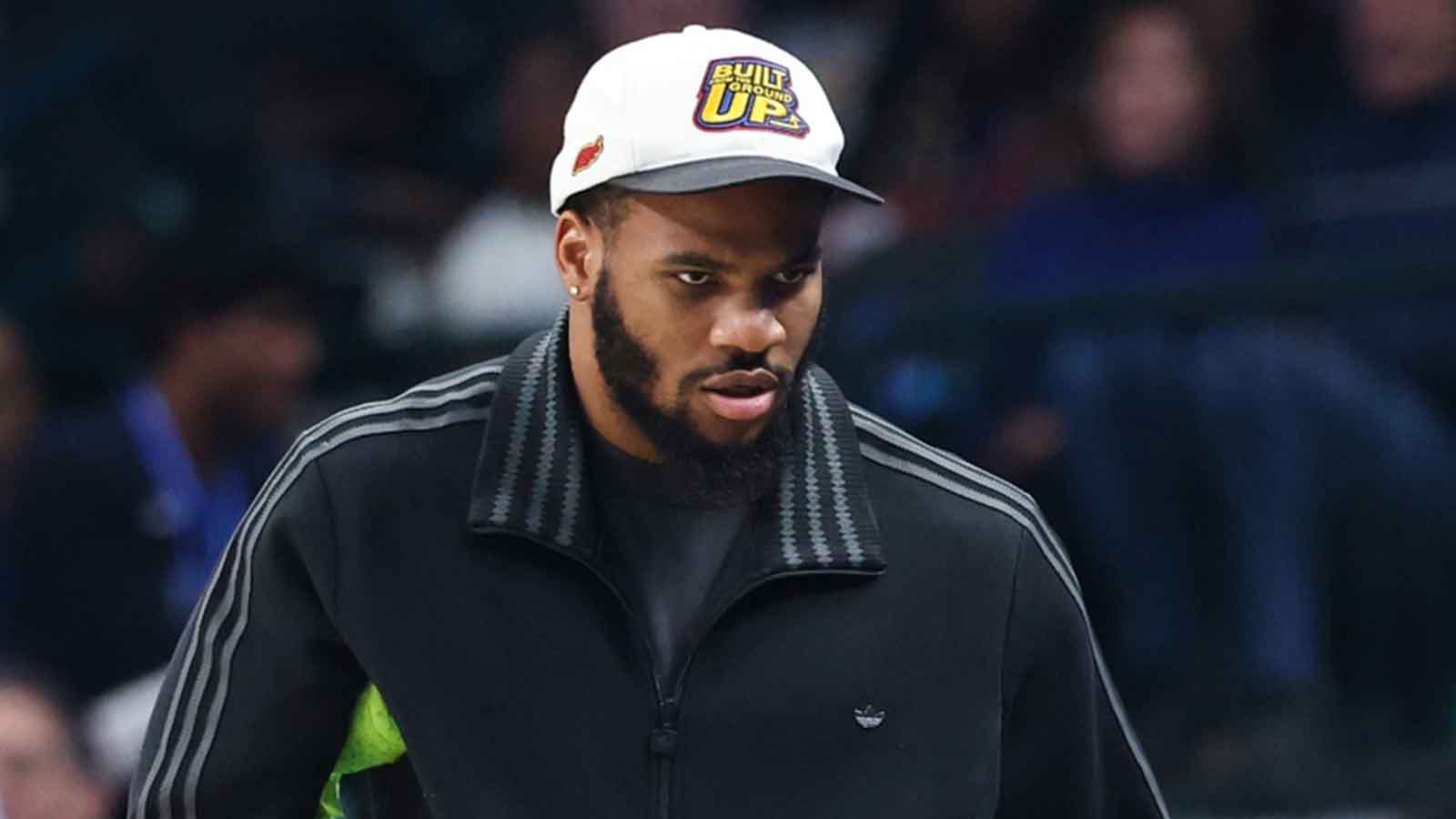
Jordan Love threw two second-half interceptions, while Denver capitalized on defensive breakdowns, special teams miscues, and short fields. The loss dropped Green Bay to 9–4–1. It was also compounded by injuries to several key contributors, most notably Micah Parsons. His non-contact knee injury late in the third quarter coincided with the Packers’ defensive collapse. Once Parsons exited, Denver dictated terms. The Broncos scored repeatedly and pushed Green Bay down to the NFC’s seventh seed.
Here we'll try to look at and discuss the Green Bay Packers most to blame for their Week 15 loss to the Broncos.
QB Jordan Love
Love was excellent until he wasn’t. For two quarters, he looked completely unfazed by Denver’s relentless pass rush. He delivered throws on time and guided an offense that consistently moved the chains. Green Bay’s first-half 16 points could have been more if not for a handful of self-inflicted mistakes.
The turning point came with the Packers up by nine points early in the second half. Love took a deep shot toward Christian Watson with pressure closing in. He tried to give his top target a chance downfield. Patrick Surtain II read it perfectly. He stepped in front for the interception and flipping momentum instantly. Worse, Watson was injured on the play. It removed Love’s primary vertical threat.
From that moment on, the Packers’ offense collapsed. Love and the unit managed just three points the rest of the way. On three separate fourth-quarter possessions with chances to tie the game, Green Bay came up empty. One drive ended with a misfired throw intercepted by Riley Moss. Denver’s pressure mounted, and Love was sacked three times in the second half. The calm command he showed early vanished under duress.
Love finished with two interceptions and three sacks, all after halftime. Against elite defenses, one bad quarter can undo an entire afternoon. That's exactly what happened.
Offensive line
If the Packers’ comeback hopes died anywhere specific, it was in the trenches. Green Bay’s offensive line simply could not hold up late.
The fourth quarter was a disaster. Love was sacked twice in rapid succession on one drive, forcing a turnover on downs. On the next possession, Anthony Belton jumped early for a false start. The Packers just never recovered. The offense gained nothing meaningful, and the game slipped away.
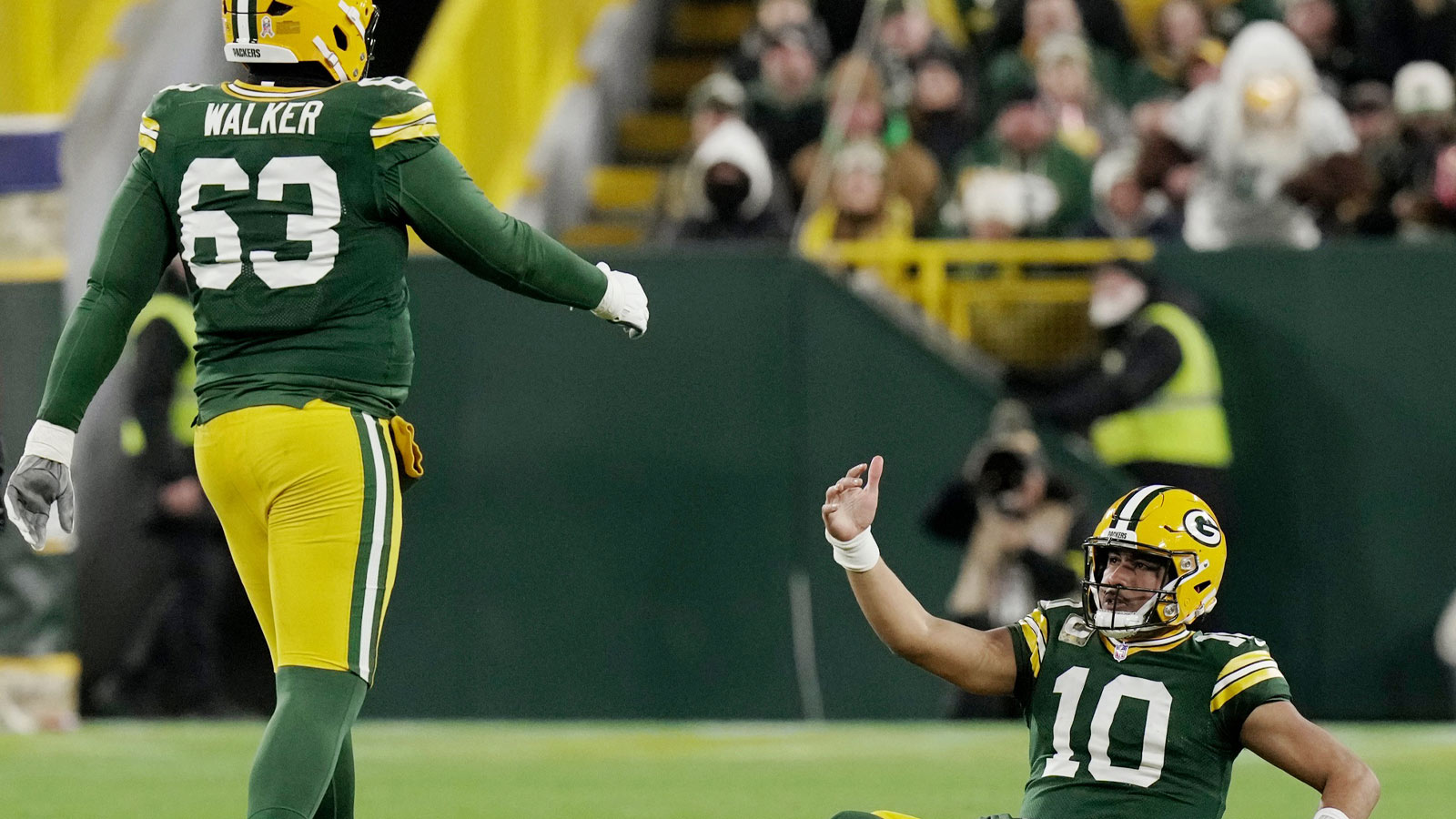
Rasheed Walker, in particular, endured a brutal afternoon. He was flagged four times, each penalty coming at a moment that stalled momentum. A false start led to a failed conversion and a field goal. An ineligible man downfield penalty killed another drive. A holding call near the goal line nearly erased points entirely. Another false start set up second-and-long. The Packers ended a drive with zero points after Love took a sack.
Special teams
The Packers’ special teams unit once again found ways to hurt the team at the worst possible times. Early on, they surrendered a 37-yard kick return that handed Denver favorable field position. Later, Kingsley Enagbare was flagged for unnecessary roughness after contacting the punter.
Just before halftime, Emanuel Wilson muffed a kickoff in the end zone. It limited the return to 14 yards when Green Bay needed momentum. The drive ended in a field goal, but better starting position could have meant more.
In the second half, with Denver threatening to take the lead, Isaiah McDuffie was flagged for holding on a punt return. That drive ended in a Broncos touchdown. Green Bay never regained control. The special teams repeatedly tilted the field against a defense already under strain.
Cornerbacks
Once Parsons exited, the cracks in the secondary widened into gaps Denver eagerly exploited. Carrington Valentine had a rough outing. He was repeatedly targeted and unable to finish plays. He surrendered key first downs, missed tackles that turned losses into gains, and dropped a potential interception that could have shifted momentum.
Keisean Nixon fared no better. Courtland Sutton beat him for a massive 42-yard gain that set up a score. They later burned him again for a touchdown. The chirping didn’t stop, but the plays never followed.
Denver identified mismatches and attacked relentlessly. Without pressure up front, Green Bay’s corners were exposed. They couldn’t survive the onslaught.
Final verdict
There’s no shame in losing in Denver to a team riding a 10-game winning streak. However, the Packers didn’t just lose. They folded. Once Parsons went down, leadership wavered, execution slipped, and discipline vanished. Quarterback mistakes, offensive line breakdowns, special teams errors, and coverage failures all combined into a second-half collapse that will linger well beyond Week 15.
This game tested the Packers' ability to respond to adversity. On Sunday, Green Bay failed. That’s why the Broncos walked away with the win while the Packers left with questions they can’t ignore.