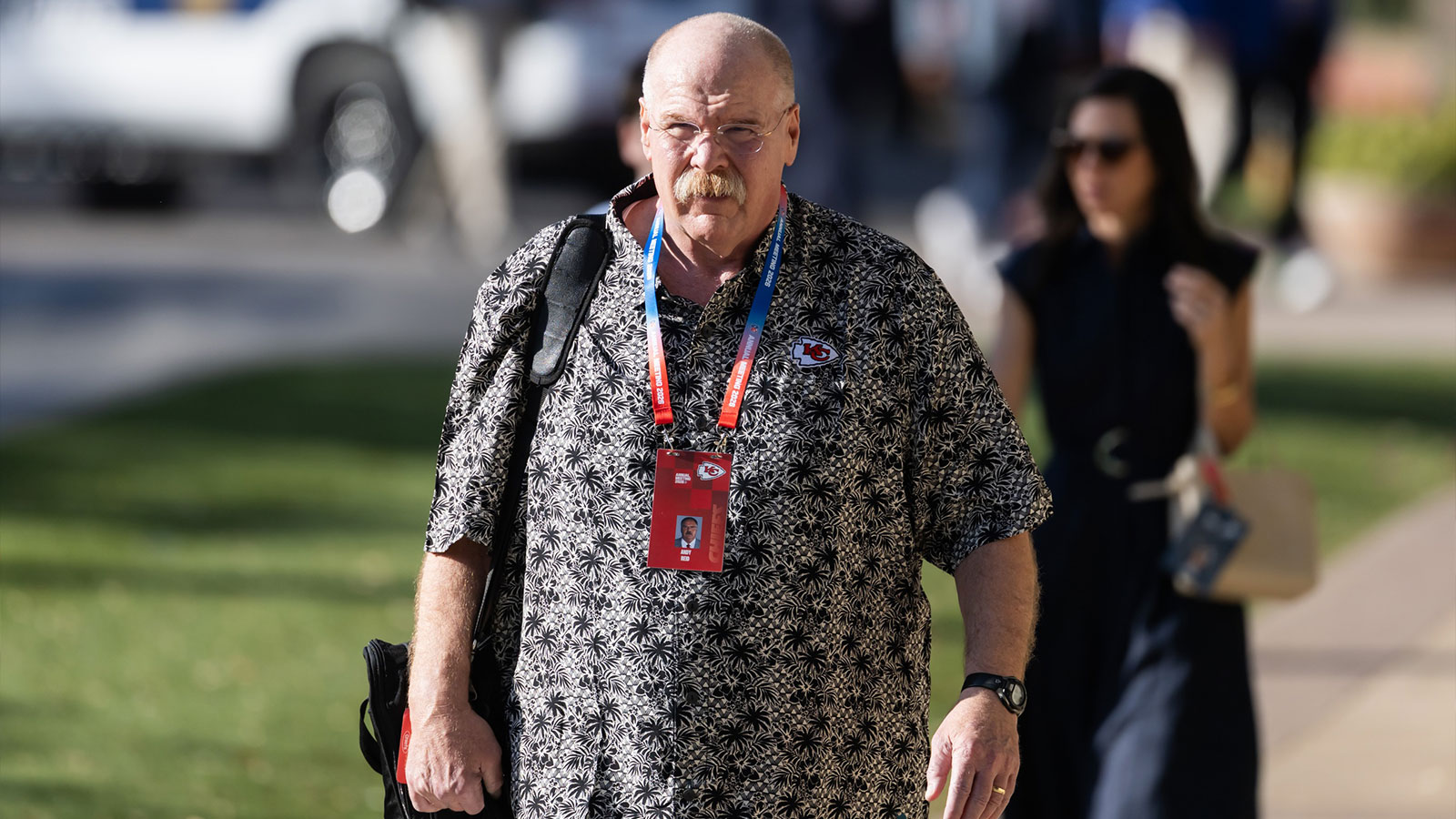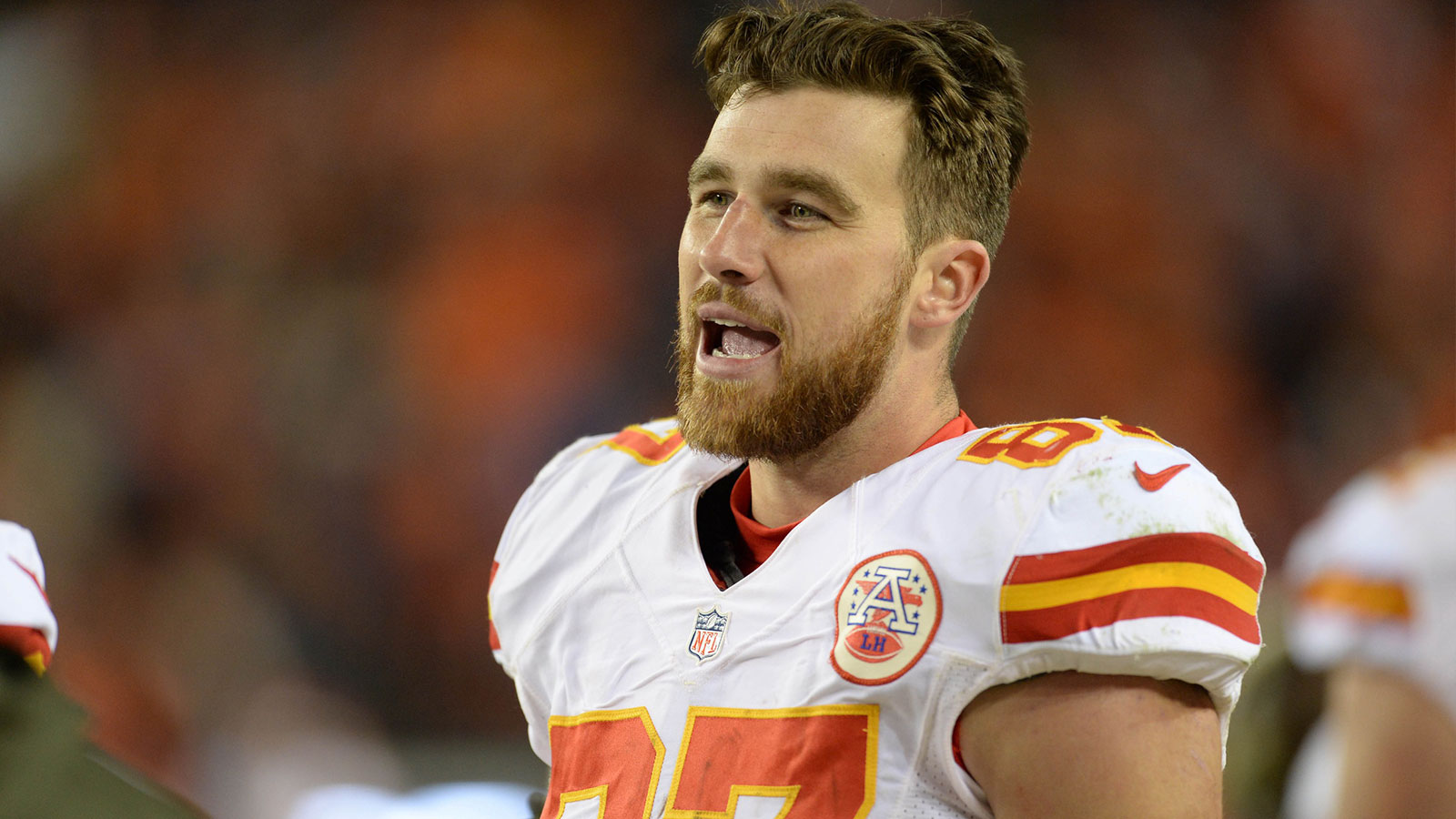
Well, Travis Kelce is back, at least for now, but that hasn’t stopped mock-draft discussions from linking Kansas City with Oregon tight end Kenyon Sadiq as a potential successor. At the same time, the cornerback room has added a new face in Kaiir Elam after a wave of offseason changes.
Both storylines are interesting: one points to succession planning on offense, while the other highlights patchwork in the secondary, but neither should determine the team's approach in the first round.
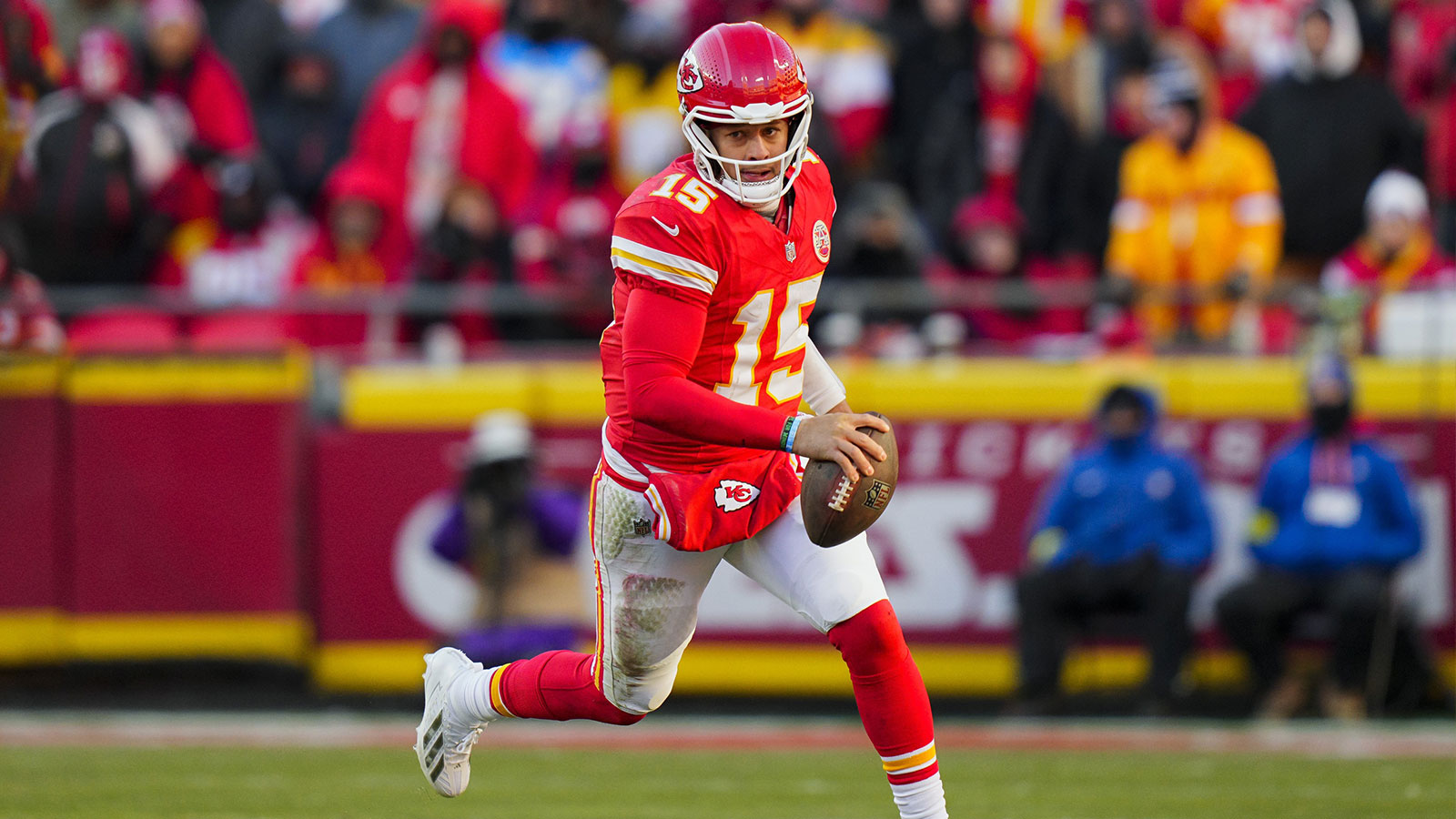
The real opportunity lies in the structure of the draft board, and it’s rare for a team with Patrick Mahomes to hold this much early control. General Manager Brett Veach enters the 2026 draft with nine total picks, including a top-10 selection, another first-round pick from the Rams, and a second-round choice at 40.
This means Kansas City holds three picks in the top 40 before most contenders have even settled into the weekend, and this advantageous position should not be wasted on sentiment or on the first appealing option that appears in mock drafts; it should be used strategically.
Here is a daring but smart move: trade out of the top 10.
This isn’t because the Chiefs should fear using a premium pick or because the draft class lacks talent, but trading down makes sense for one main reason: the Chiefs have enough early capital to approach the draft with volume, leverage, and value, rather than just making one costly pick that might not suit the draft class’s strengths.
That distinction is important, and a roster led by Mahomes needs more viable options, and while another pass catcher could help and a young tight end might be valuable, and cornerback options remain under consideration after the offseason shuffle, none of this changes the core point: Kansas City is in a better position than most teams to let another franchise fall in love with a player at the top of the board, accept their offer, and then focus on acquiring multiple assets during the middle of the draft.
Trade out of the top ten
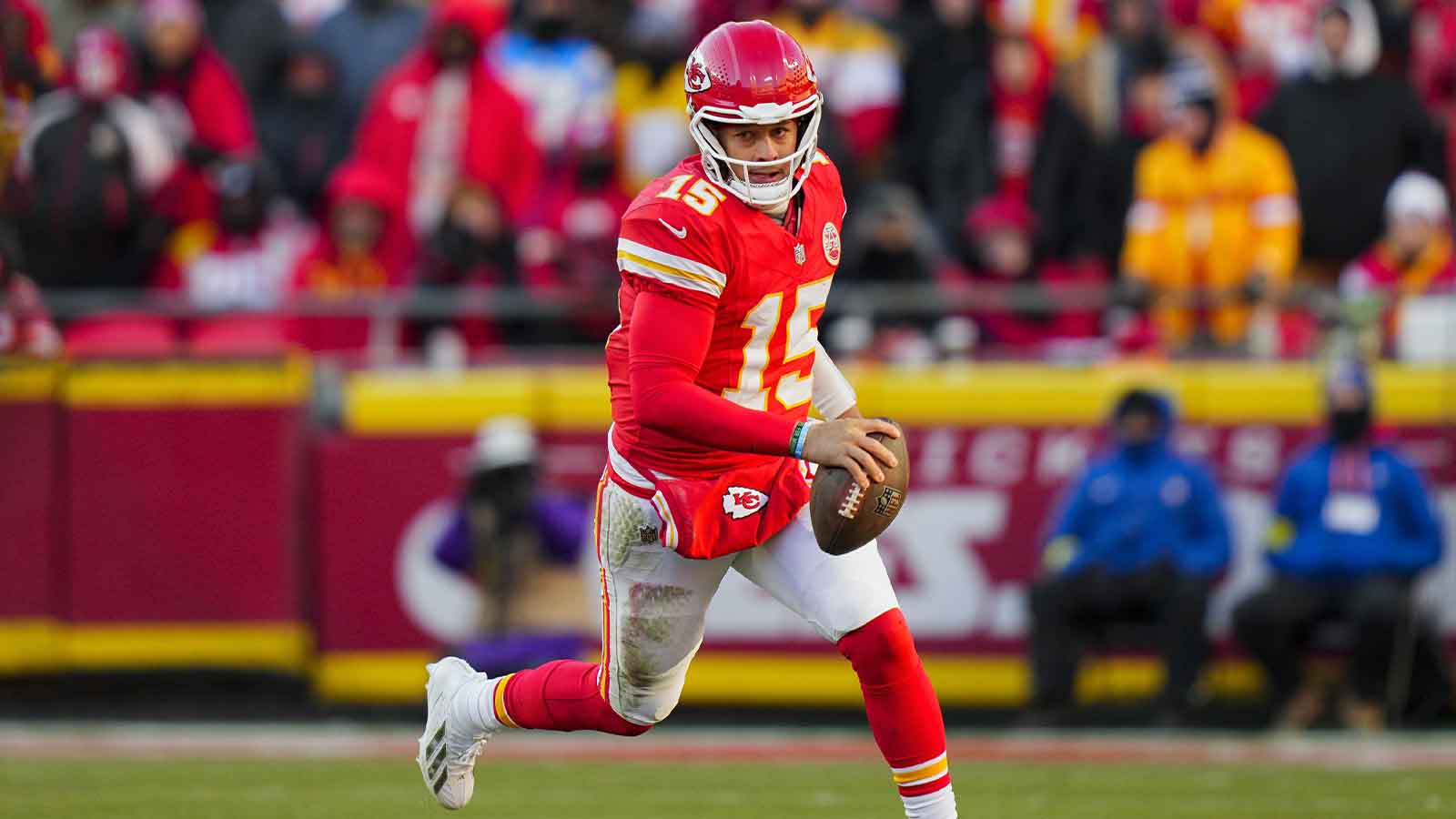
Top-10 picks often come with a sense of glamour, but glamour and value don’t always align.
Once the truly rare talents are selected, the quality of players tends to level out more quickly than people care to acknowledge, and front offices may have significant disagreements about the order of the next fifteen or twenty prospects, and this disagreement is precisely why trading down can be appealing.
One team might value a tackle highly, another might prefer a cornerback, while another could be enamored with a pass rusher who has potential. Some teams might even start to panic over the availability of a quarterback.
Given this uncertainty, they face an important question: if the difference between the player you might take early and the one you could get ten or twelve slots later is smaller than the public perceives, why not let someone else pay for the certainty of a top pick? That’s the mindset of a strong draft room.
Kansas City already has the Rams’ first-round pick, which is scheduled for later on Thursday night, along with another high-value pick coming up shortly after, and this situation provides the Chiefs with flexibility.
If they choose to make a top-10 pick, they will still have a productive weekend ahead, but if they slide back from that premium position, they could acquire an additional Day 2 asset or enhance the value of a later pick. This could lead to a draft class that continues to deliver positive results as the weekend progresses.
Additionally, trading down would allow Brett Veach the opportunity to respond to the draft rather than feeling pressured to conform to it, and this distinction is crucial.
Picking near the top can lead teams to feel the need to resolve all their issues with their most valuable asset.
Fortunately, the Chiefs don’t need to solve everything at once, as having Patrick Mahomes as their franchise quarterback changes that dynamic, and a franchise quarterback affords the team greater patience, while a creative coaching staff provides the necessary flexibility.
What the roster truly requires is layered reinforcement, rather than a single, high-profile pick.
Turn Thursday into three swings
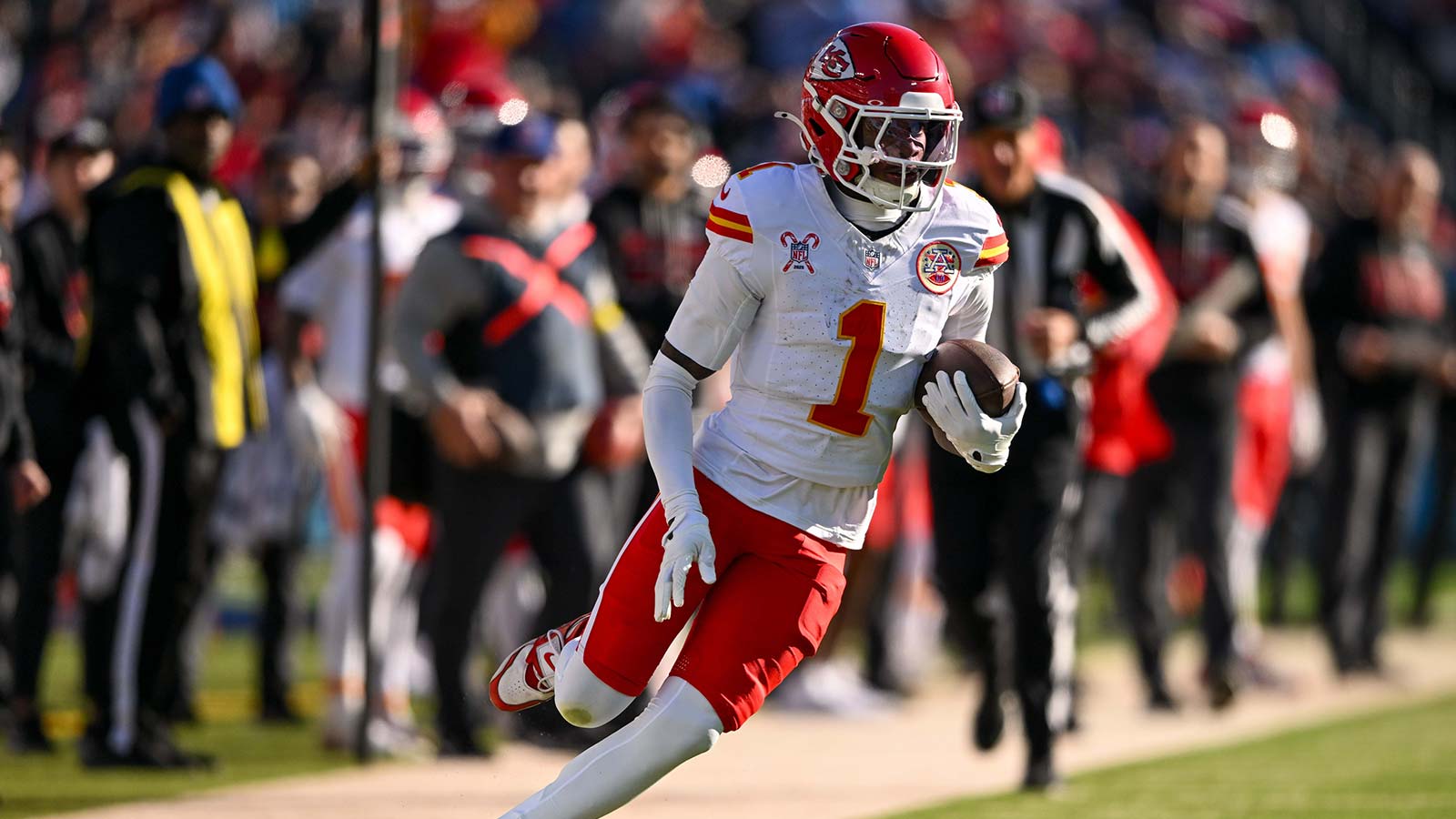
Owning three picks inside the top 40 is already advantageous, and transforming the highest one into even more flexibility could enhance the Chiefs' entire weekend.
Imagine a more favorable scenario: another team becomes anxious near the top and reaches out. Kansas City could slide back, remaining in range for a premium player while also adding enough capital to maintain pressure on the board from Thursday into Friday, and suddenly, the opening stretch isn’t about selecting one cornerstone player and hoping the rest will fall into place.
Instead, it becomes about targeting clusters of needs, addressing cornerback, and offensive linemen when the value is right. A pass-catcher should only be taken when the board indicates it, not when mock-draft rules suggest otherwise, and this view is much healthier for building around Mahomes.
Let’s be honest: Kansas City’s biggest draft mistake would be to assume that one player can fix the entire offensive structure, and while Kelce’s return is beneficial, it does not eliminate the long-term questions at tight end.
Bringing in Elam doesn’t entirely solve the cornerback issues, either, and one rookie can’t change everything, but having more picks can create a bigger impact.
There’s another hidden benefit to consider, being the economics of fifth-year options, and this matters a lot because premium positions value that extra year far more than others.
Trading down can align talent with favorable contract situations instead of locking the team into top-10 salaries when players of the same caliber may still be available later, and this strategy isn’t particularly glamorous, but that's part of why smart organizations continue to succeed after others falter.
Timing is also critical, and the Chiefs' official draft board illustrates this clearly.
They have one early first-round pick, another first-round pick from the Rams, followed by a second-round pick at 40 and another at 74, before the class extends into the fourth and fifth rounds.
Now, consider the alternative: if Kansas City holds onto its high pick and selects a prospect who may turn out to be very good, the rest of the weekend could be spent trying to perfectly position themselves.
A run on cornerbacks? Trouble. Key tackles disappearing? Trouble. While none of this would be disastrous given the strong draft capital the Chiefs possess, the entire process could feel more constrained than it should, and moving down would create breathing room, which is essential for maintaining a contender status.
Moreover, trading back wouldn’t necessitate any single positional decision. Want a tackle later in the first round? Great, and this signals that the front office trusts its board enough to let the value come to them while remaining active in the areas where the draft class is strongest.
Having Mahomes raises the stakes, and with him, the team doesn’t draft out of fear. Also, having two first-rounders along with an extra second-round pick means they don’t need to draft out of desperation either, and very few contenders possess that combination, and even fewer should squander it by assuming the most expensive pick is necessarily the best place to stand pat.
One final point sharpens this argument: teams near the top often overestimate the prestige attached to their draft position, and teams with established quarterbacks should recognize that what matters isn’t where you pick but how many meaningful opportunities you get before the board resets.
The Chiefs have the chance to increase those opportunities without sacrificing quality, and that’s exactly the move a seasoned contender should pursue.
So yes, the bold yet intelligent move isn’t to draft Kelce’s successor at the very first opportunity, but to let another team chase the spotlight, move back, and command the mid-section of the draft.
Then let Mahomes enjoy what every great quarterback truly desires from his front office: not one dramatic solution, but several solid options.