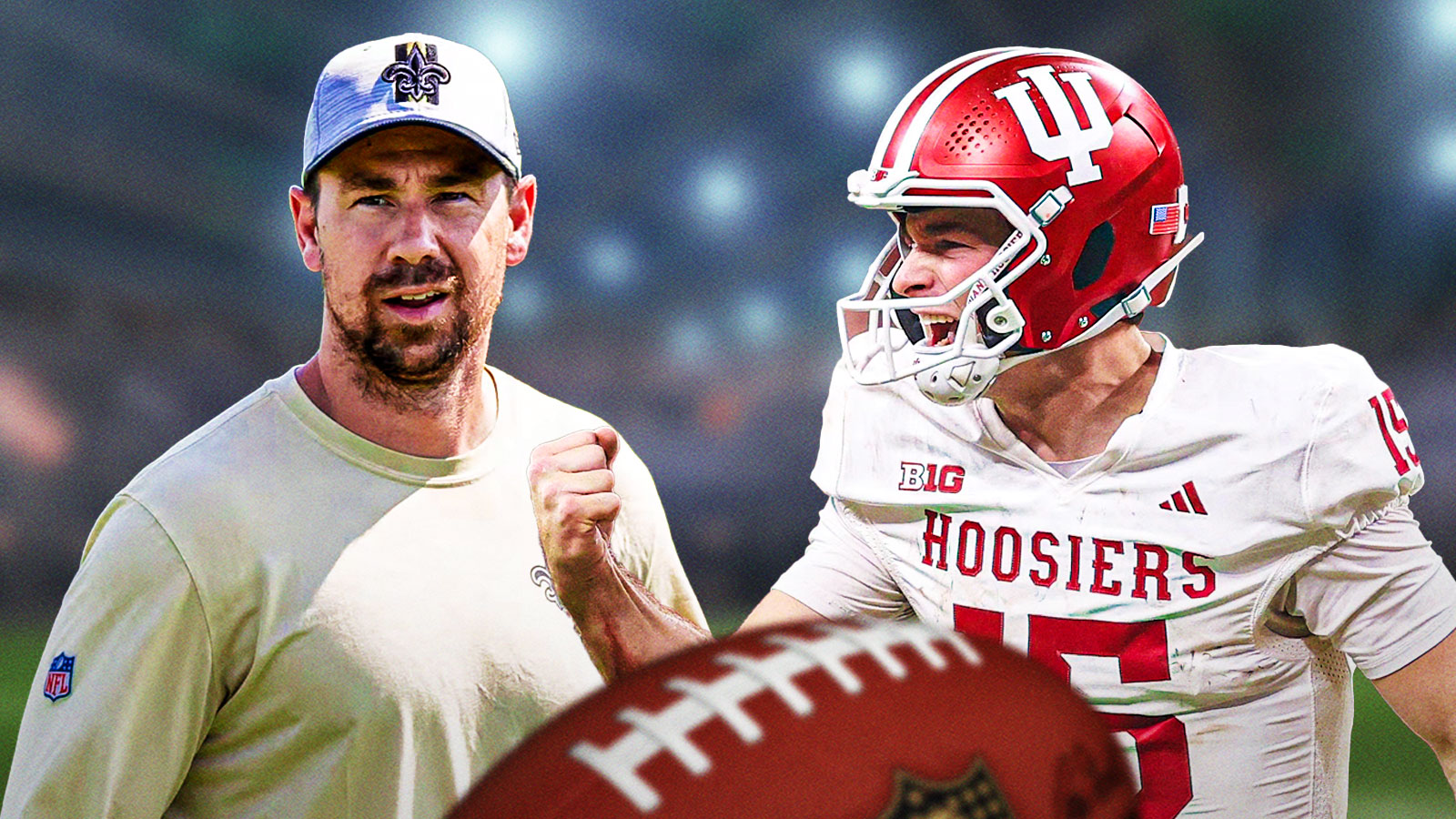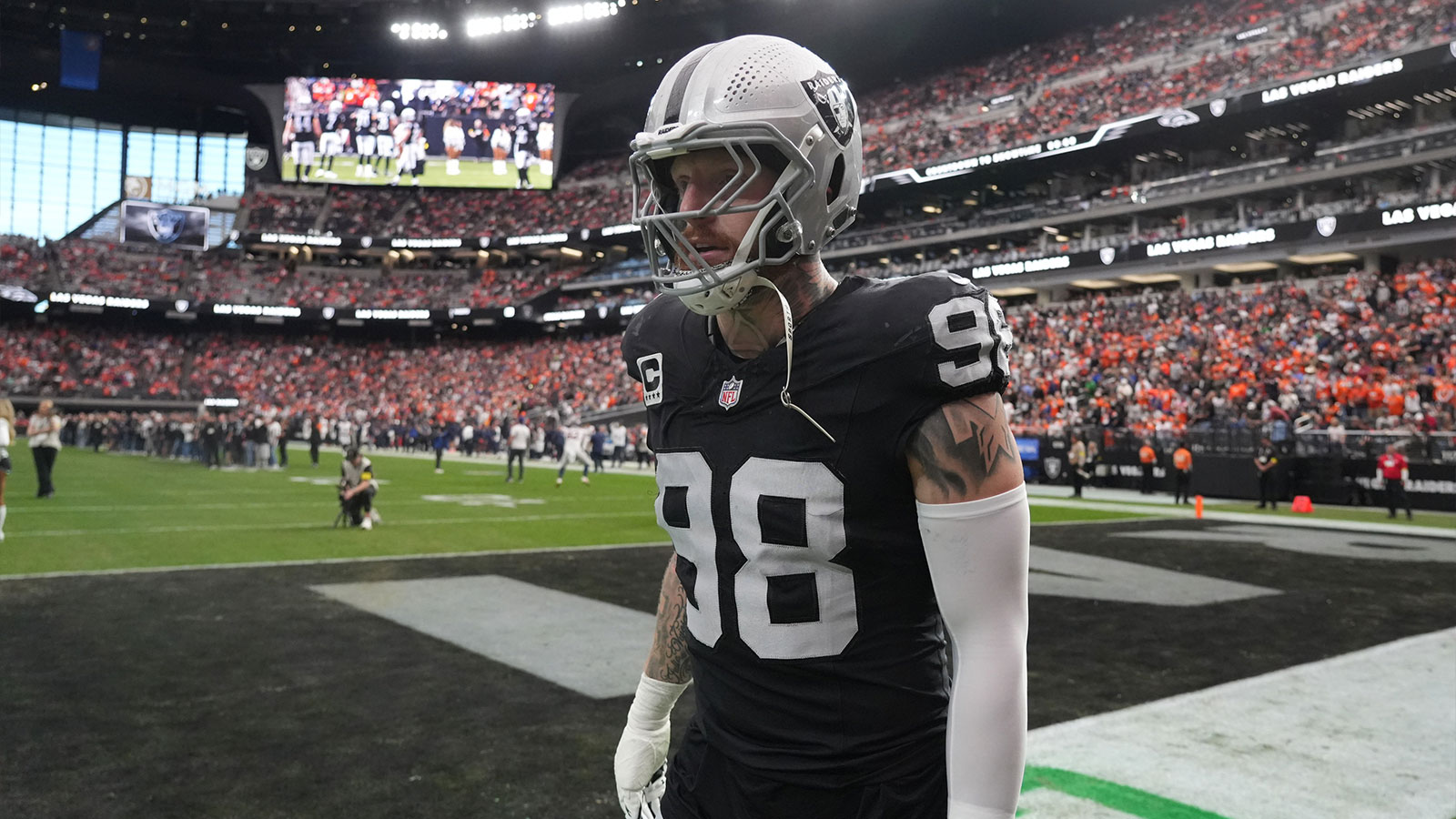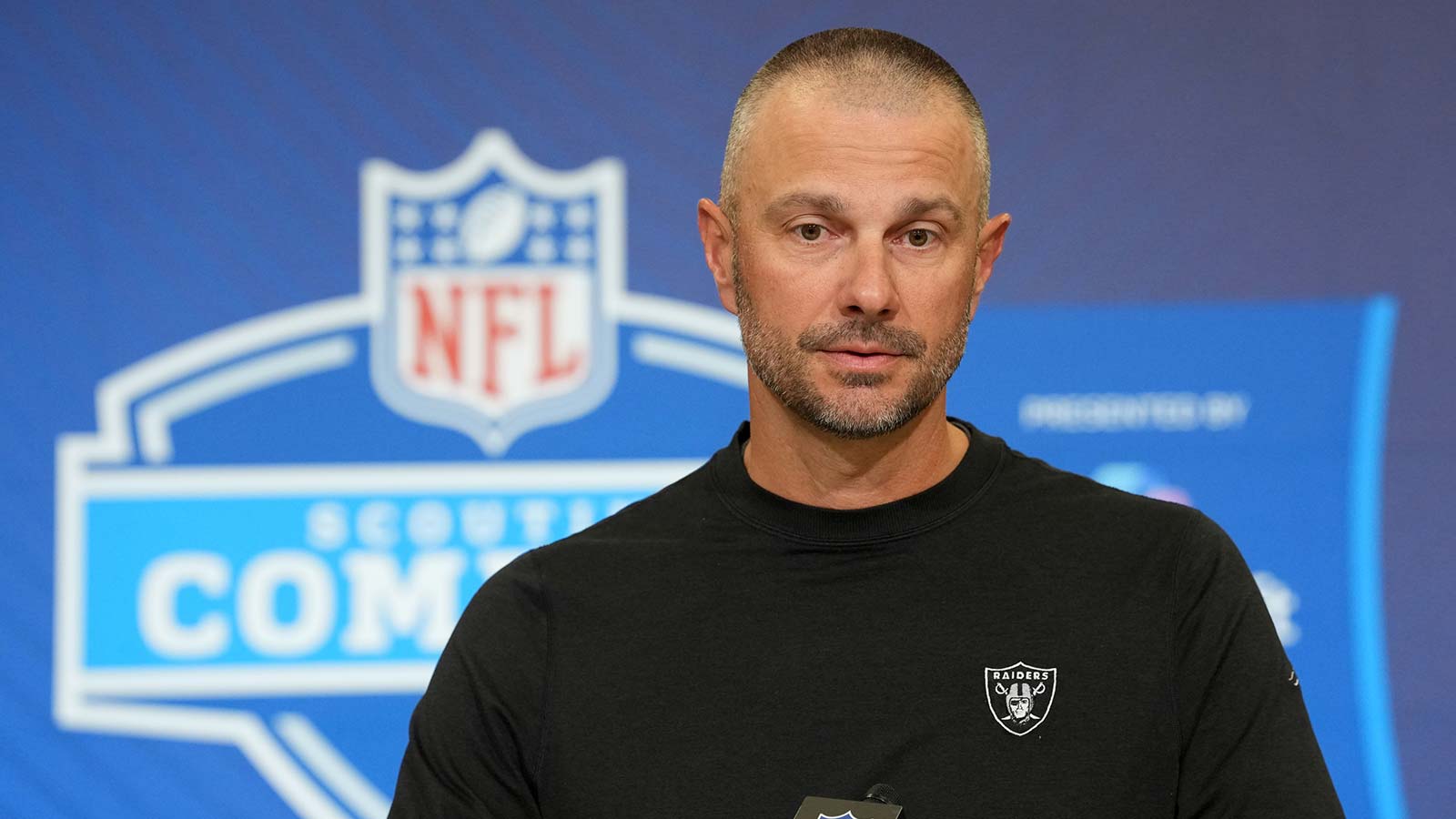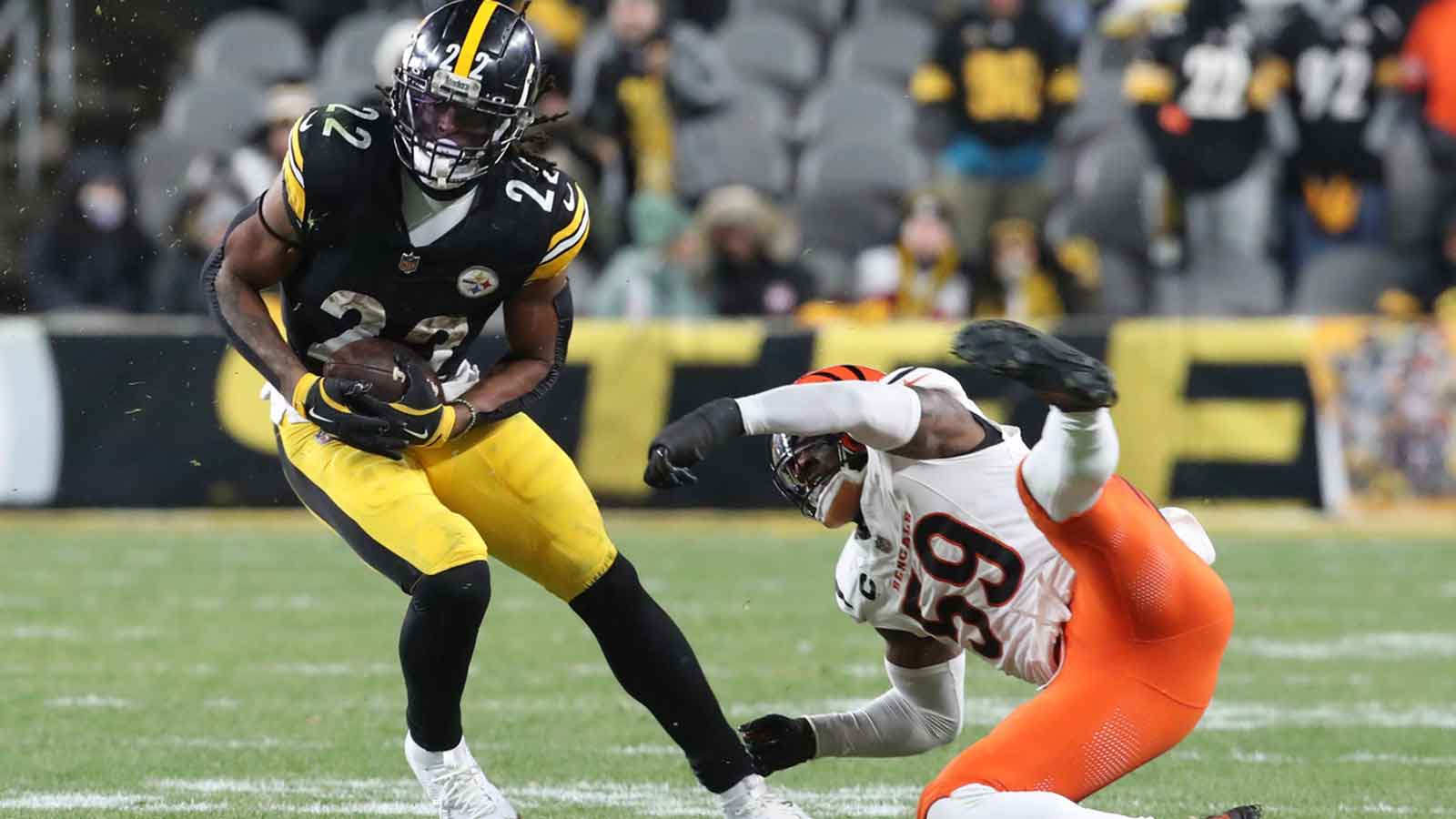
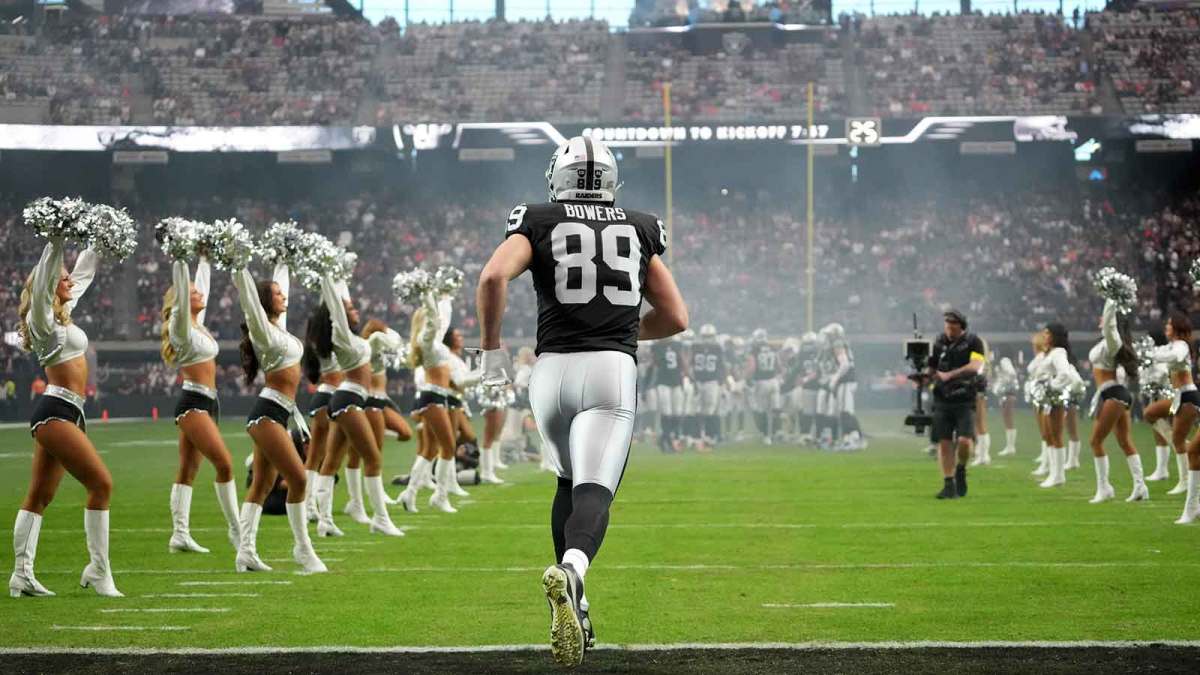
Klint Kubiak walked to Vegas with a mission: keep Maxx Crosby in silver and black. After another brutal season that left the Raiders sitting on three wins and trade rumors swirling around their five-time Pro Bowler, the early read is that Kubiak has been deliberate about building trust, grabbing coffee with Crosby, establishing a real rapport, then making a very pointed staff decision by elevating Rob Leonard to defensive coordinator, essentially telling Crosby, “your world matters here.” It doesn’t mean anything is finalized, but it does signal that the Raiders understand the first rule of the rebuild.
That’s also why the 2026 cap conversation in Vegas is different from the usual doom-and-gloom. The Raiders already project as one of the league’s most cap-flexible teams, but a lot of space can vanish fast when you start paying for a quarterback plan and pricing in the inevitable injuries. Clearing cap in Las Vegas it’s about leverage, creating the kind of flexibility that lets you dictate terms in free agency.
Here are four moves the Raiders need to make to open even more room, and more importantly, to make the room usable at the exact moment the Raiders need it most.
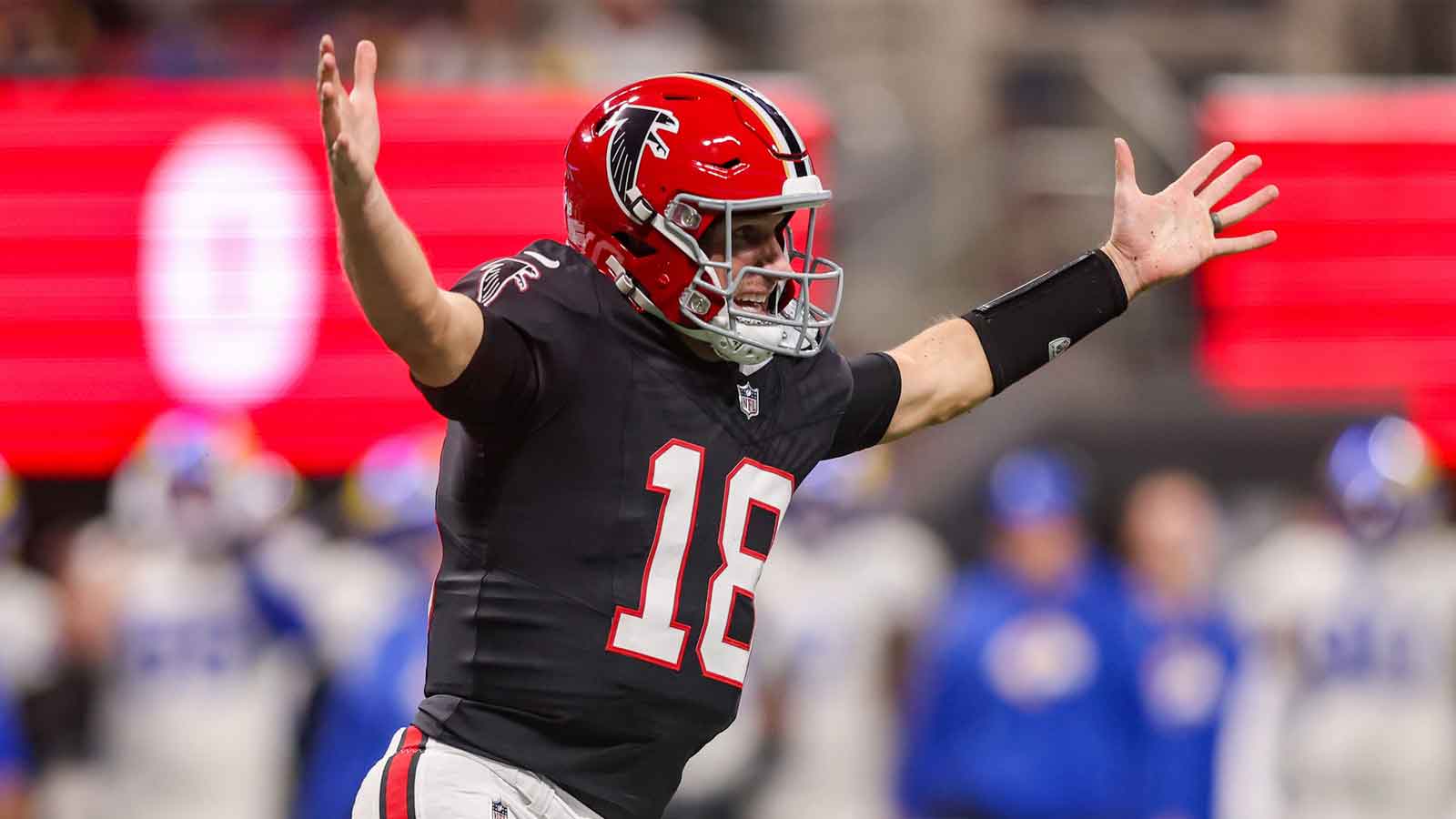
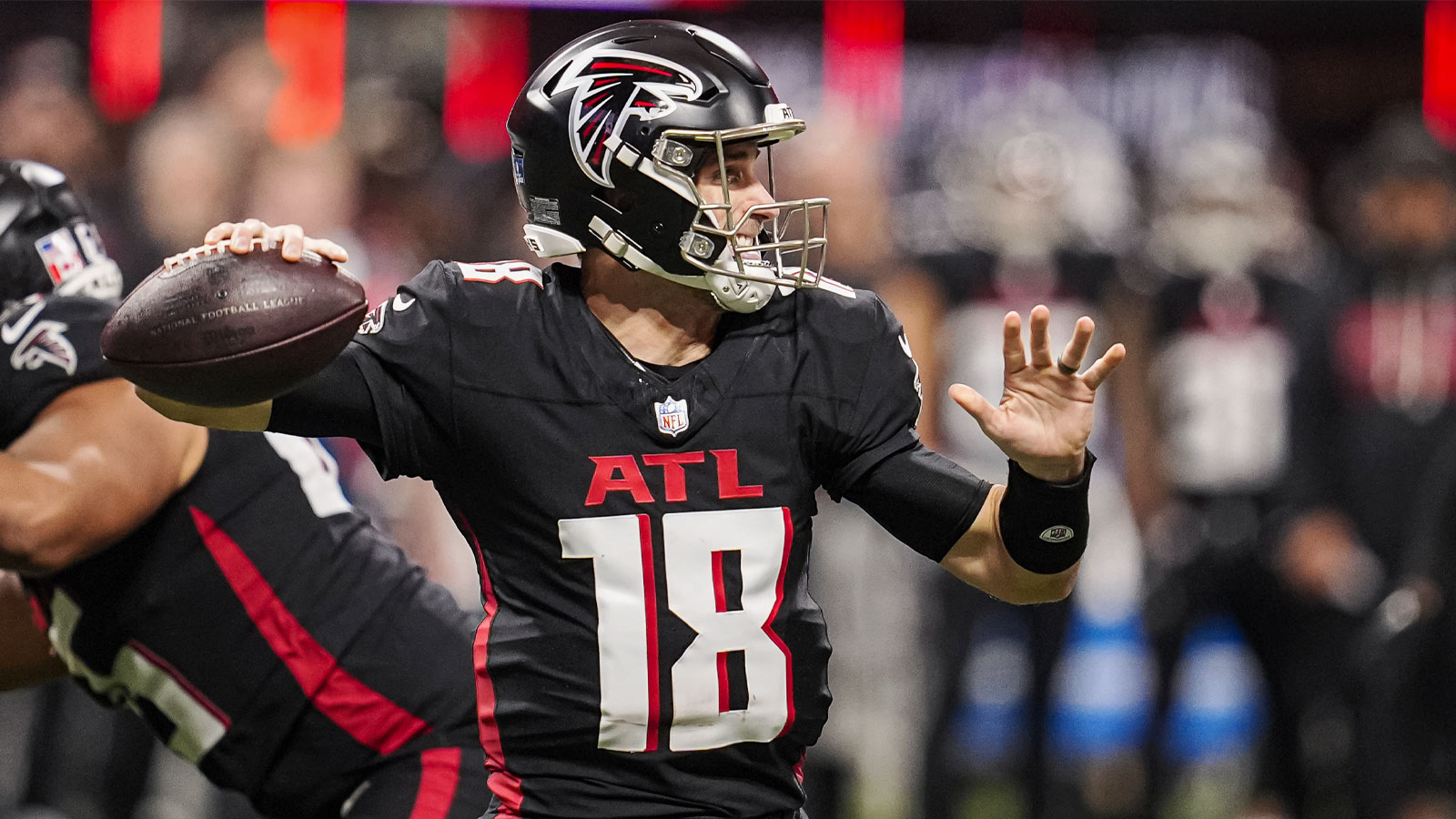
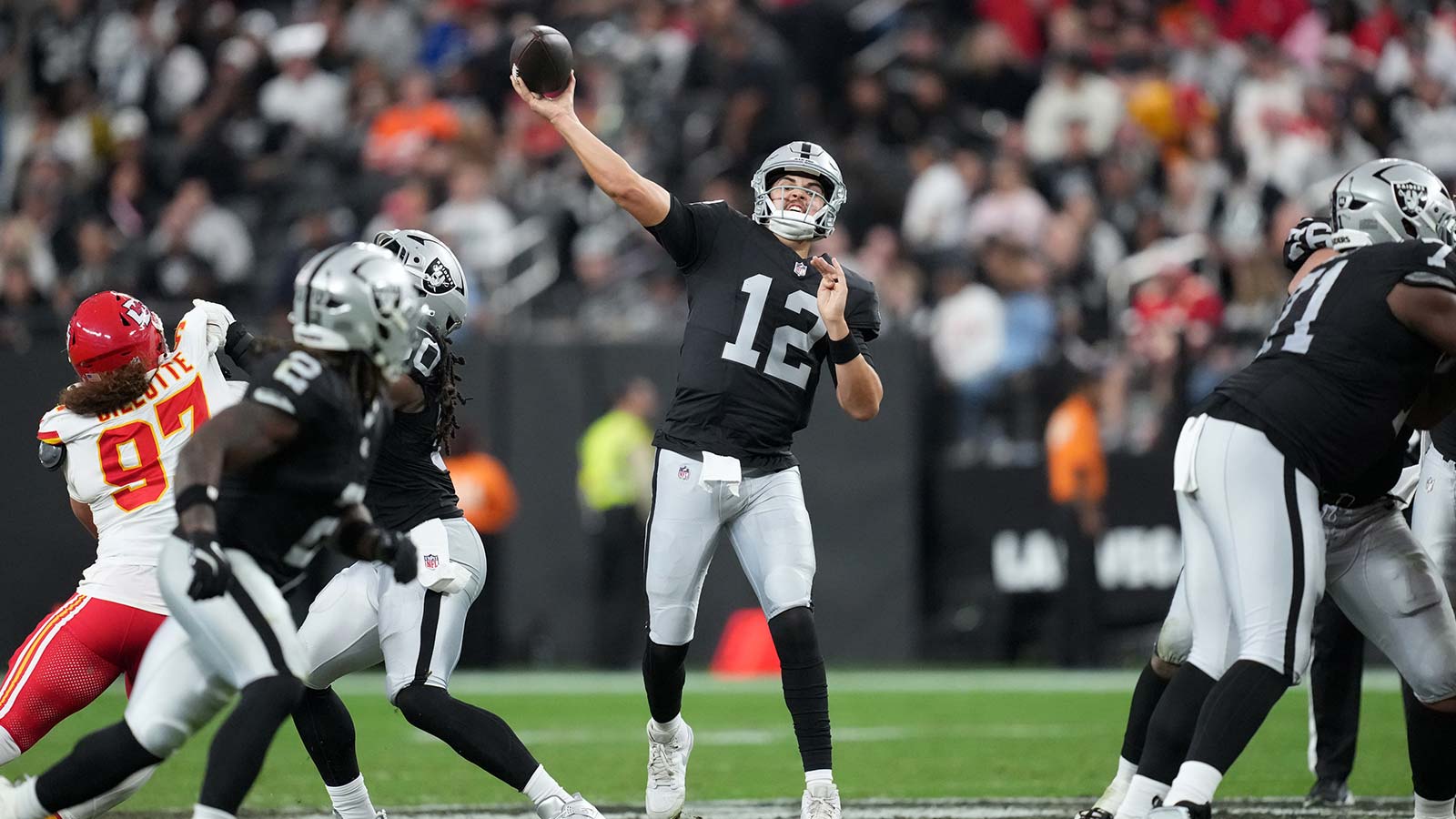
Geno Smith
If Las Vegas is truly pivoting to a new era, Smith’s contract can’t be the anchor that slows the turn. The Raiders can’t afford a scenario where they’re paying starter money while also drafting a quarterback first overall, then still needing to spend to fix the line and the defense.
The clean move is to get out of the veteran QB cost structure, whether that’s a trade if there’s interest, or a release if the market isn’t there. Either way, the cap relief is a freedom to build the roster for the quarterback you actually want long-term. Keeping Smith only makes sense if the Raiders are confident they aren’t drafting a franchise QB at No. 1, and right now, that doesn’t feel like where this is headed.
Christian Wilkins
Big interior defensive line contracts are fine when the rest of the roster is stable. Vegas isn’t stable yet, but they’re under construction. Wilkins is exactly the type of deal you restructure early under a new regime.
It’s a classic contender trick, but it also works for a rebuild with a clear timeline. If Crosby stays, Wilkins becomes even more valuable because your front can actually wreck protections without needing blitz-heavy hero ball. The goal is to stop letting one number take up more space than it needs to in the year you’re trying to build everything else.
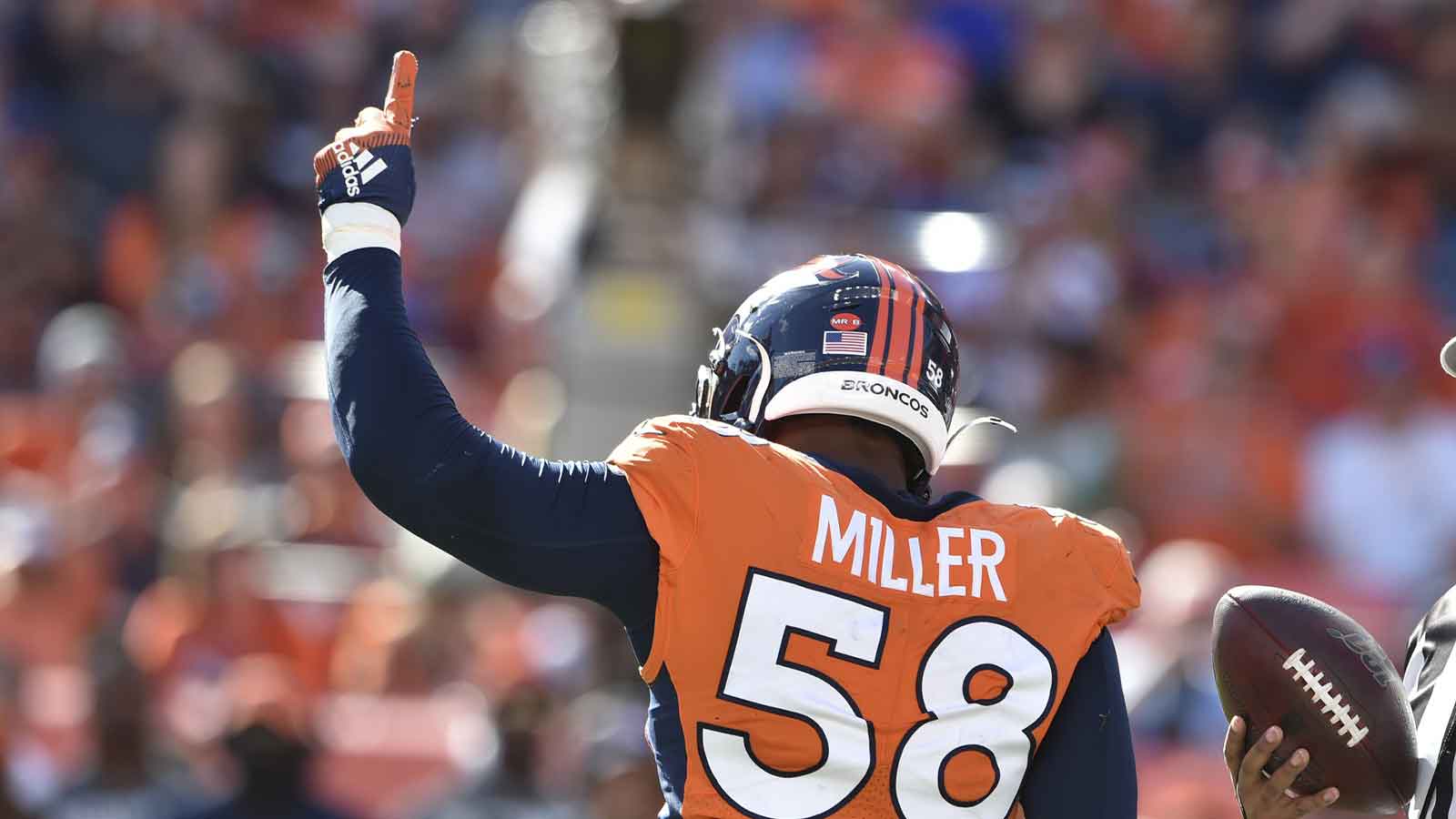
Kolton Miller
If the Raiders want to turn cap space into real roster leverage, Miller is the kind of player you at least put on the table. Quality left tackles carry strong trade value, and in a true rebuild, you can’t be afraid to convert an expensive veteran into flexibility plus draft capital, especially if the plan is to reset the offense around a rookie quarterback and align the line’s timeline with the new core.
The softer option is an extension/restructure that lowers his 2026 cap hit while keeping the blind side protected, but if Kubiak’s staff believes they can replace tackle play through the draft and cheaper veterans, moving Miller is one of the cleanest ways to create usable cap room and accelerate the rebuild.
Maxx Crosby
If you want Crosby to stay, you put the commitment in writing, and you structure it intelligently. The best cap-clearing move the Raiders can make is also the most symbolic: extend Crosby, then reshape the cap hit so 2026 becomes a launch year instead of a holding pattern. With this, it will lower the immediate cap burden, and it signals to the locker room that the Raiders are finally serious about keeping elite talent, and it gives Kubiak a clear defensive identity from Day 1. Most importantly, it changes the story around the franchise. There are several teams interested in him, too, so a fine trade could be the right option for the Las Vegas Raiders.
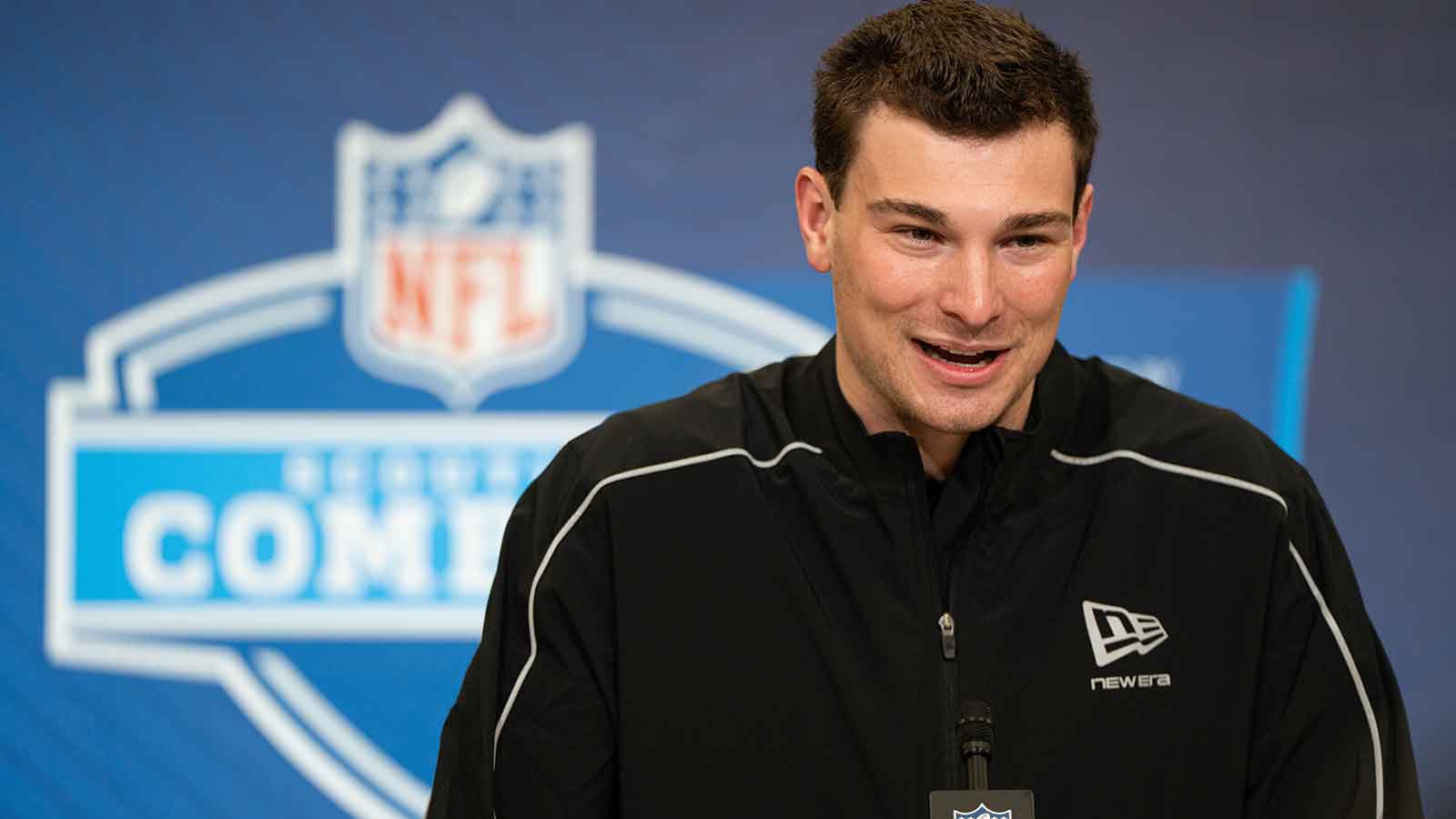
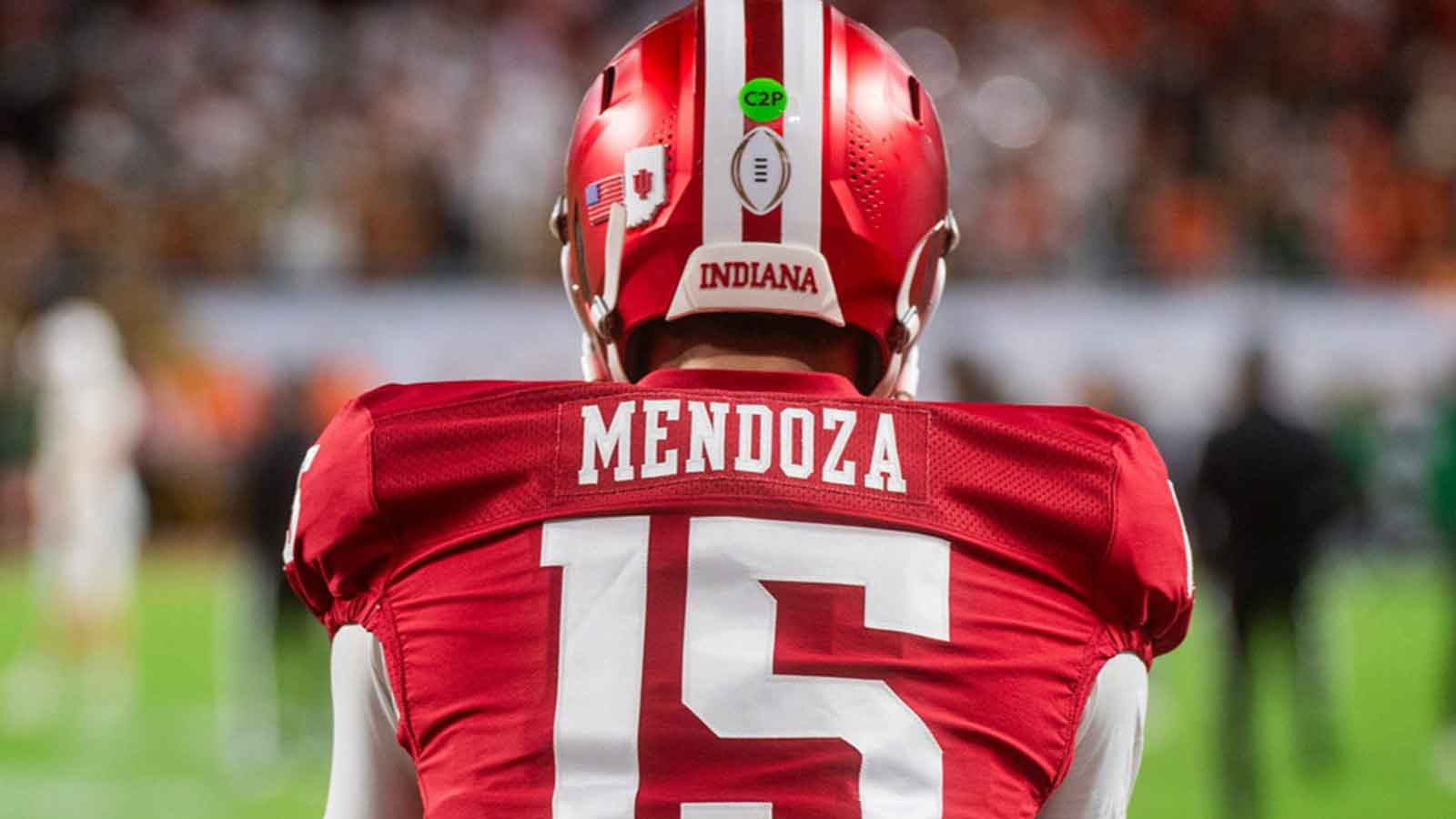
And also, that quarterback's future is already looming over everything. Las Vegas has the first overall pick in the 2026 draft and a glaring need at QB, which is why Indiana’s Fernando Mendoza keeps popping up as a popular theory. Kubiak, to his credit, hasn’t tried to play scout-on-a-podium.
He’s been candid that his exposure to Mendoza is limited, saying he saw him in the national championship game, saw the postgame interviews, liked how team-oriented he came off, and called him a talented player with a bright future, but also admitted the Raiders have a lot of work to do before the draft.
The Raiders need to clear cap space for one crucial reason: 2026 is the first time in a while that they can actually dictate terms rather than react to their own issues. First, they should stabilize the foundation by securing their true cornerstone player and providing real guarantees behind that commitment. This will help reduce trade rumors and send a clear message to the locker room.
At quarterback, it’s essential not to straddle two timelines. If they are planning to draft a new franchise player, they should move on from the veteran contract structure and stop allocating starter-level resources to a transition player they do not fully believe in.
Next, they need to clean up the largest veteran contracts so that their 2026 cap hits reflect the current state of the team rather than what they hope it will become. Those figures shouldn’t prevent improvements to the offensive line and secondary.
By creating cap space appropriately, the Raiders will enter free agency in a position to add multiple starters without the need for panic restructures.
They can also approach the draft with the freedom to select the best player available rather than settling for the most affordable option, and this strategy will help transform their three-win season into something legitimate and a solid plan that can withstand tough times.