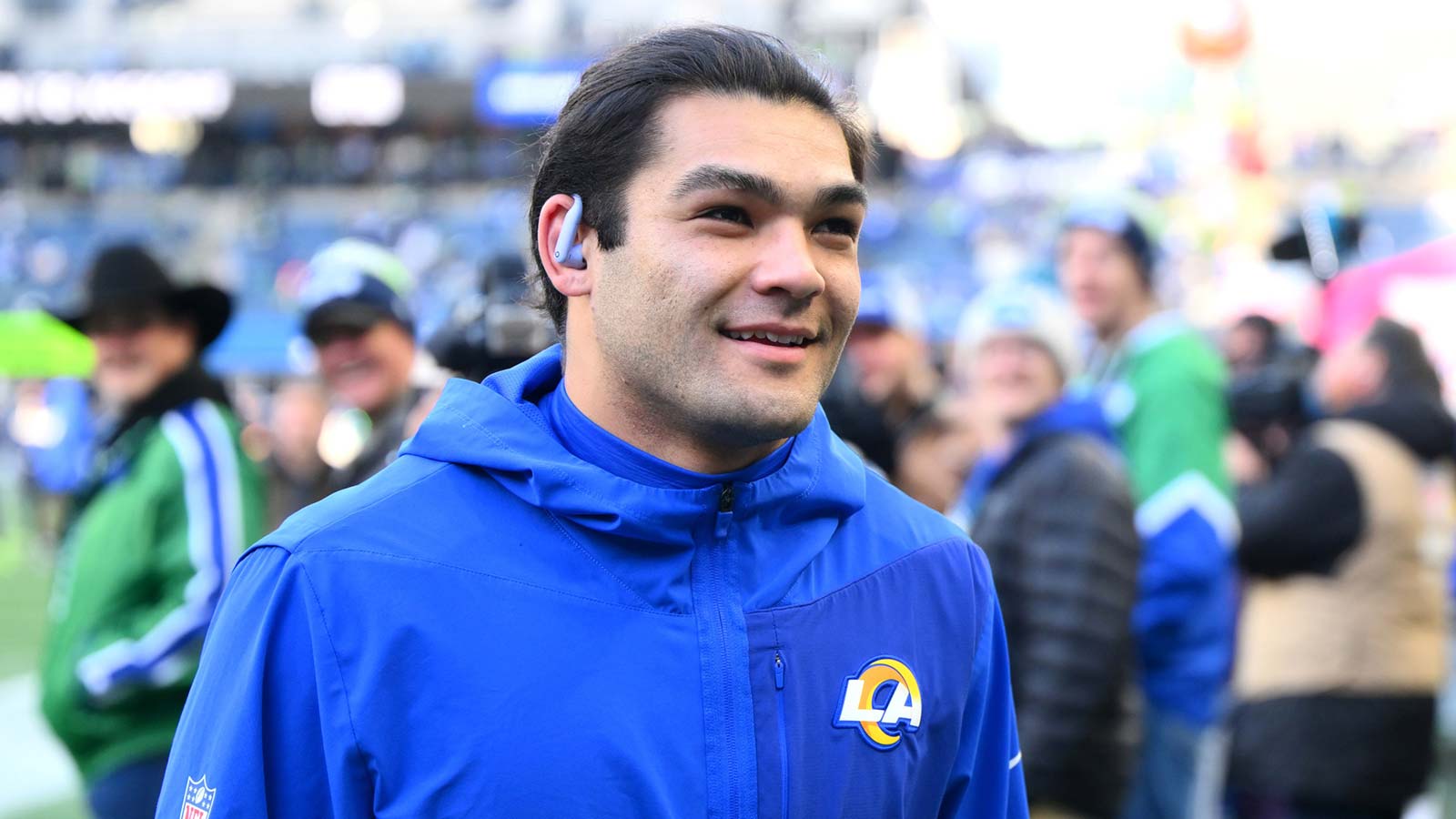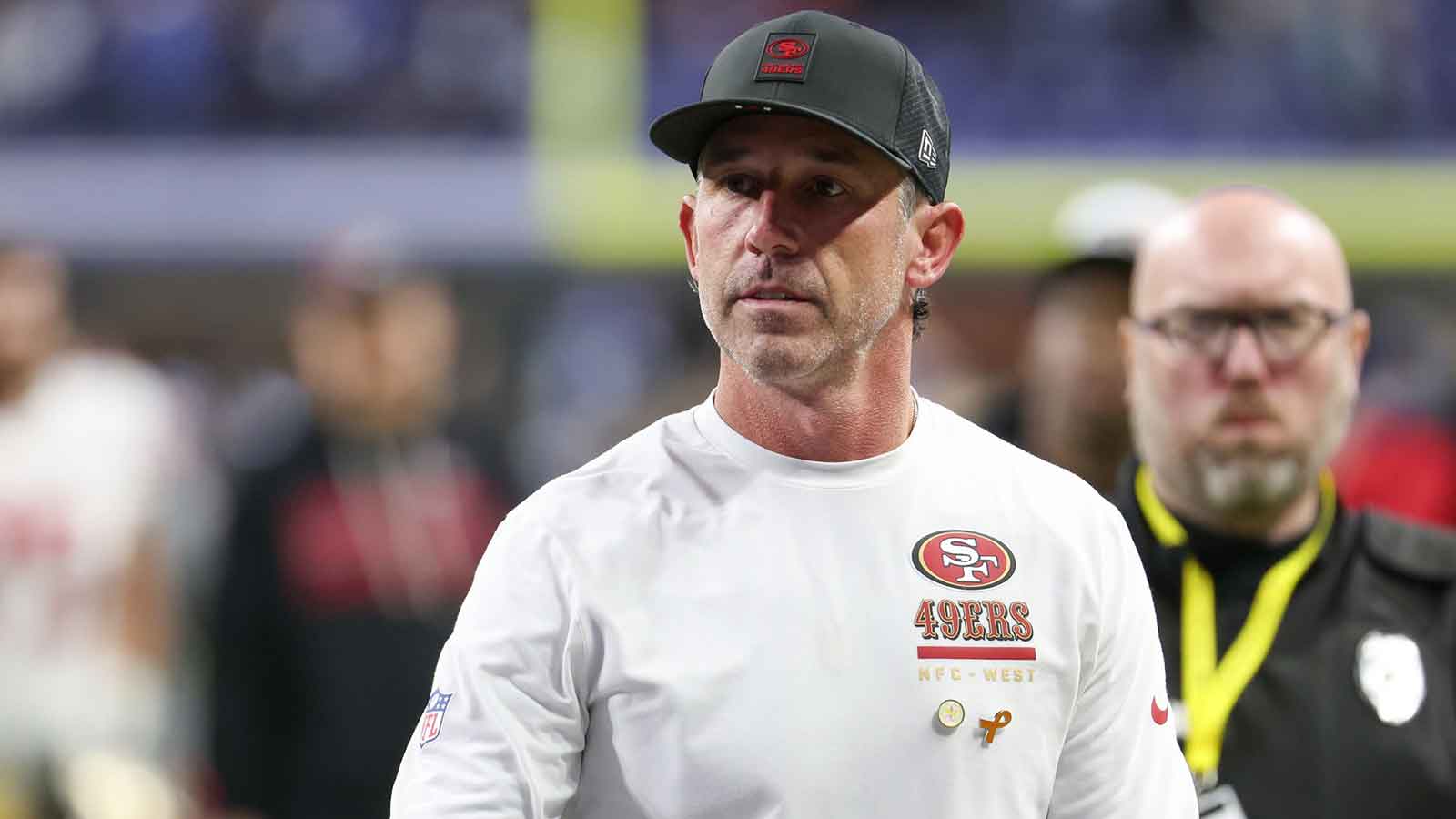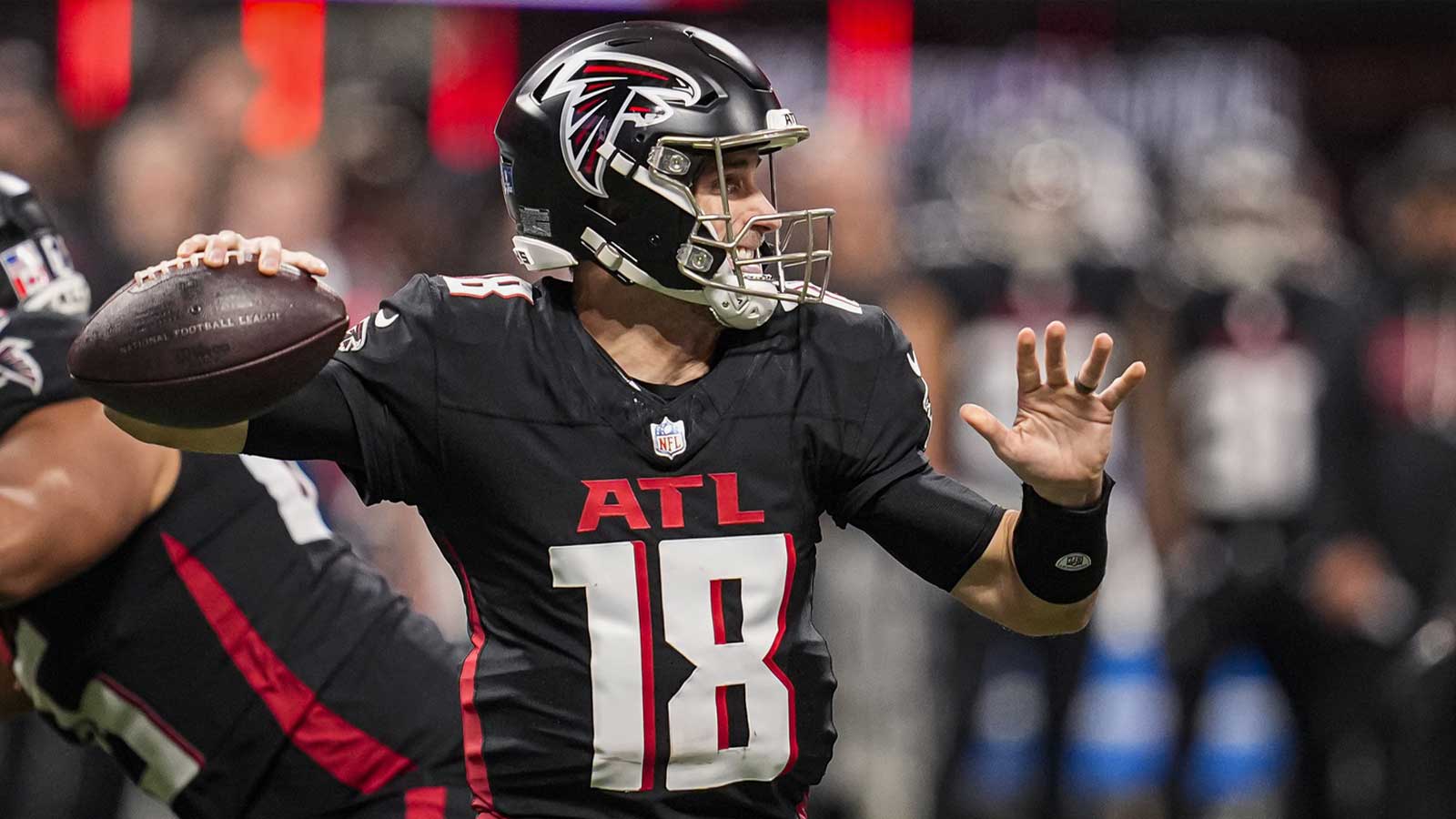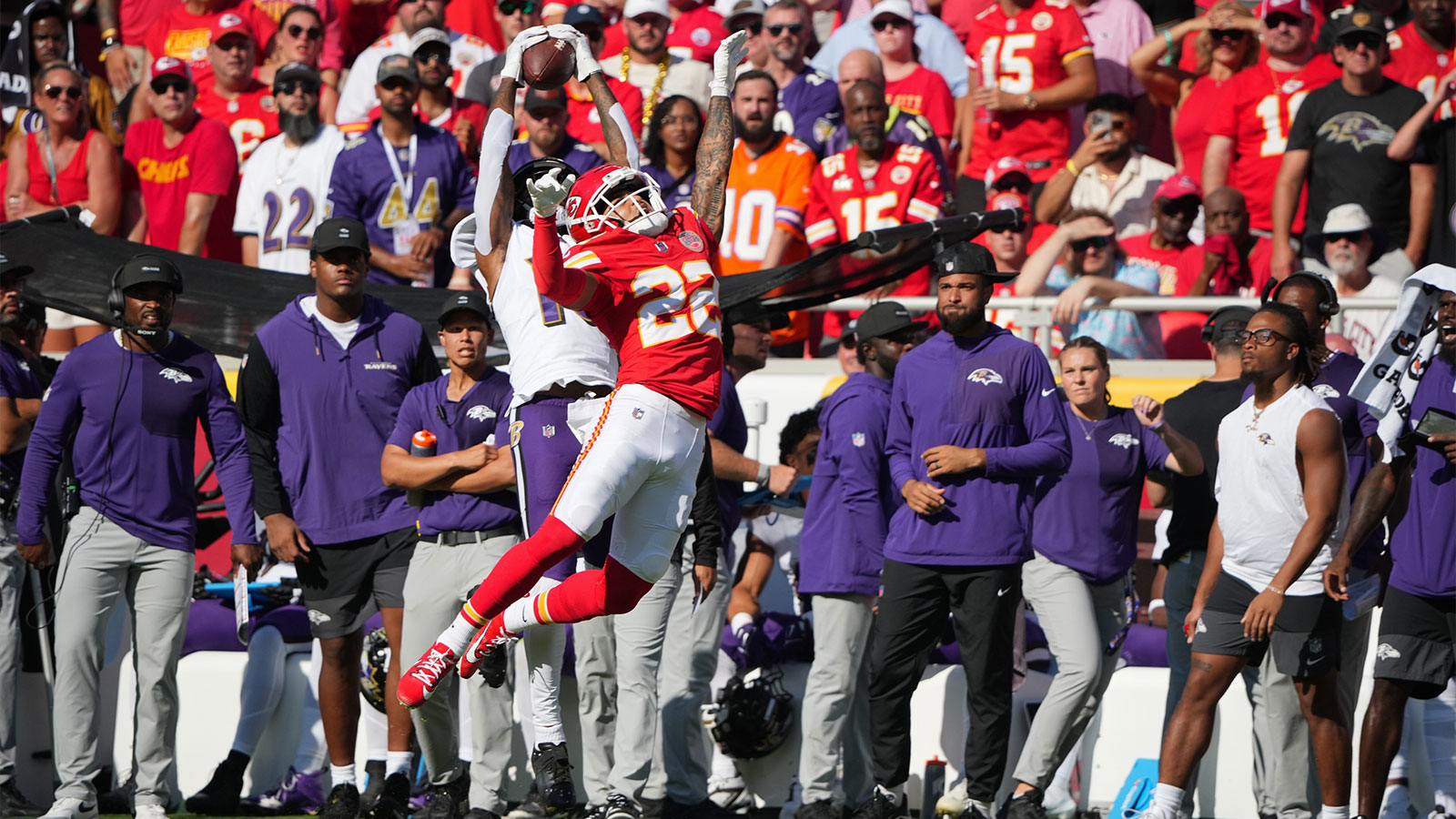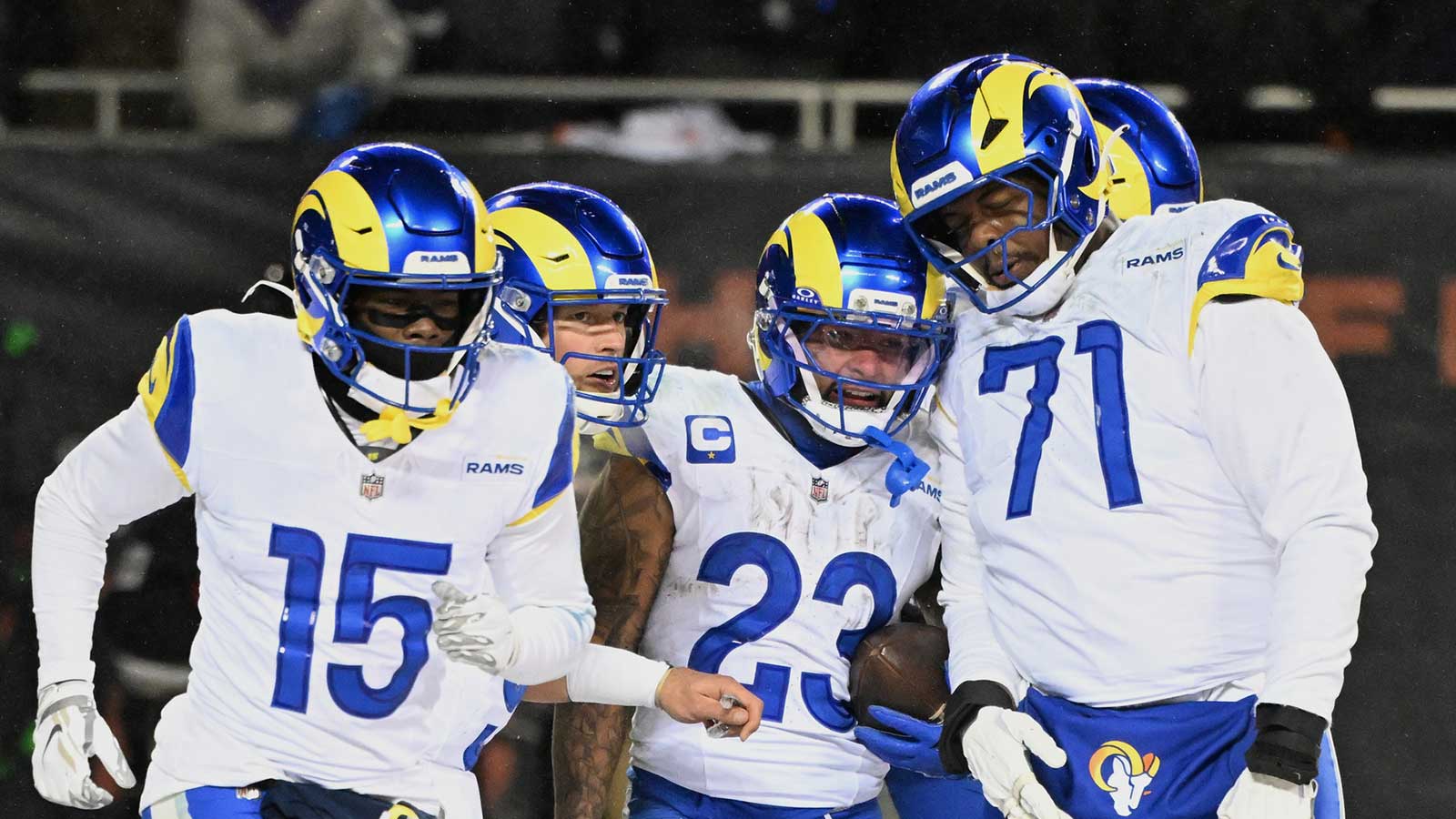
The Rams find themselves in an intriguing position as they approach the 2026 NFL Draft, and this is precisely why they should avoid making hasty decisions. They hold the No. 13 pick, which they acquired through last year’s trade with the Falcons. However, their original first-round pick, No. 29, was sent to Kansas City in the deal for Trent McDuffie.
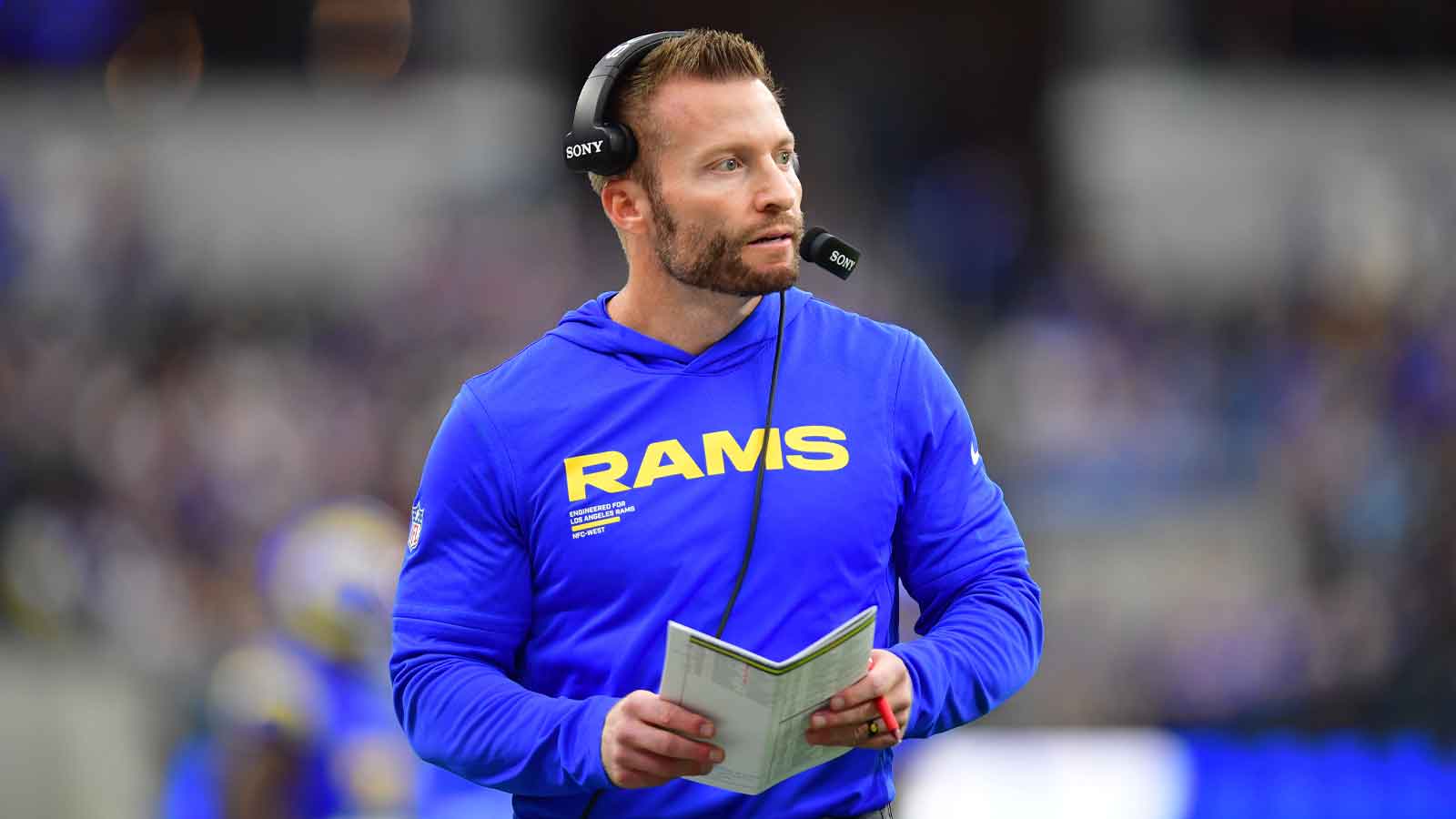
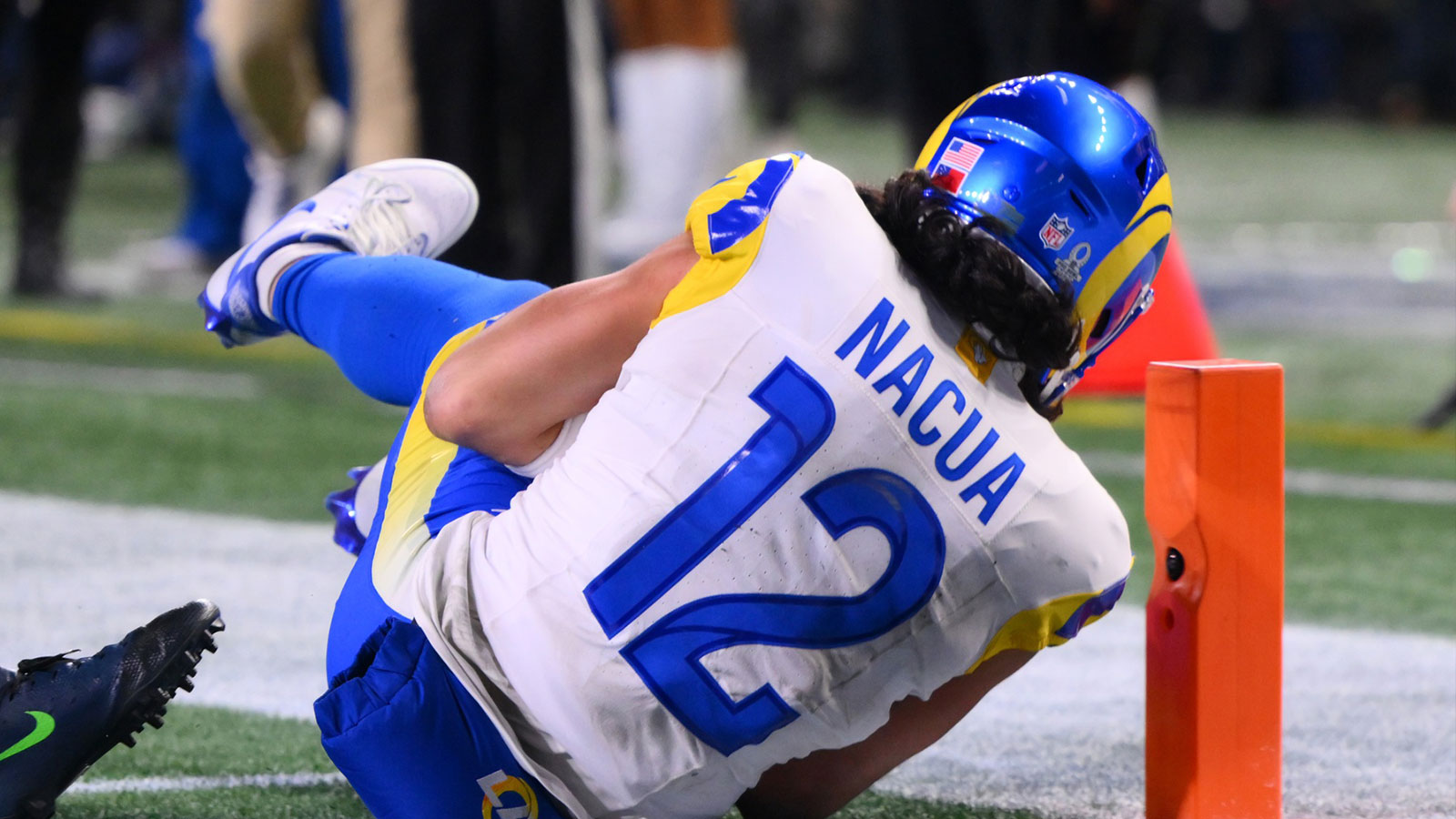
More importantly, general manager Les Snead and head coach Sean McVay have indicated that this roster has no urgent needs. This situation allows them the flexibility to either stay at No. 13 or trade back, rather than draft out of desperation, and Sean himself recently talked about Puka Nacua, who was in the middle of some allegations, saying that he trusts the kid and he will still help him to grow.
This kind of flexibility can lead to a different set of mistakes, including selecting a player based on flash rather than substance, which may look impressive on television but ultimately contributes less to winning in the postseason.
This dichotomy is at the heart of the Rams' draft strategy.
There are plenty of enticing playmakers available, succession-plan quarterbacks, and exciting offensive weapons who could generate a buzz on social media shortly after being chosen, and all these options hold appeal in a Sean McVay offense. However, the Rams are focused on maximizing their team’s chances to contend while Matthew Stafford is still healthy and performing at a high level, while the defense remains young and aggressive, and while the roster has a few areas where practicality takes precedence over flair.
Many mock drafts frequently link the team to offensive tackles and wide receivers at No. 13, which makes sense, but not every appealing offensive name is necessarily the best use of their valuable draft capital.
WR, Makai Lemon, USC

Makai Lemon is a name that will attract considerable interest.
This is partly because he fits the Rams' needs so well and partly because his story feels cinematic. He is a local star, a polished route runner, a natural separator, and had a productive season at USC, and the Rams have frequently discussed him as a strong prospect for their team.
Lemon won the 2025 Biletnikoff Award and led the Power Four in both receiving yards and yards per game, and he has been described as a “Rams-type” receiver due to his toughness, spatial awareness, and ability to work across the formation. From a football perspective, there is a lot to like about him, and it would be dishonest to ignore that.
However, a good prospect does not necessarily equate to a good fit, and that’s where things get complicated.
If the Rams select Lemon at the 13th pick, they would be investing one of their most valuable draft assets in a player whose immediate role would likely be as the third wide receiver (WR3), and while this role does have its importance, especially considering that Davante Adams is in his mid-30s with a contract set to expire after next season, it still raises questions about value.
Coach Sean McVay has shown a remarkable ability to create receiver production, and it’s generally easier to find a polished pass catcher later in the draft than a true anchor along the offensive line or a high-quality two-way player on defense. The Rams do need depth behind Puka Nacua and Adams, but depth alone does not warrant using the 13th overall pick.
There is also a concern regarding stylistic redundancy that should not be overlooked, and Lemon is tough, nuanced, and competitive, which makes him appealing for this offense, but the Rams should be cautious not to confuse familiarity with necessity.
When drafting that high, the selected player should either address a major structural issue or add a new dimension to the offense, and while he may become an excellent professional, there’s a real possibility that his most significant early contribution in Los Angeles would simply be to refine an already efficient passing game rather than make it significantly more effective.
At the 13th pick, merely enhancing efficiency is not enough, and this type of choice might receive praise for its taste, but could be questioned for its impact by the end of the season.
TE, Kenyon Sadiq, Oregon
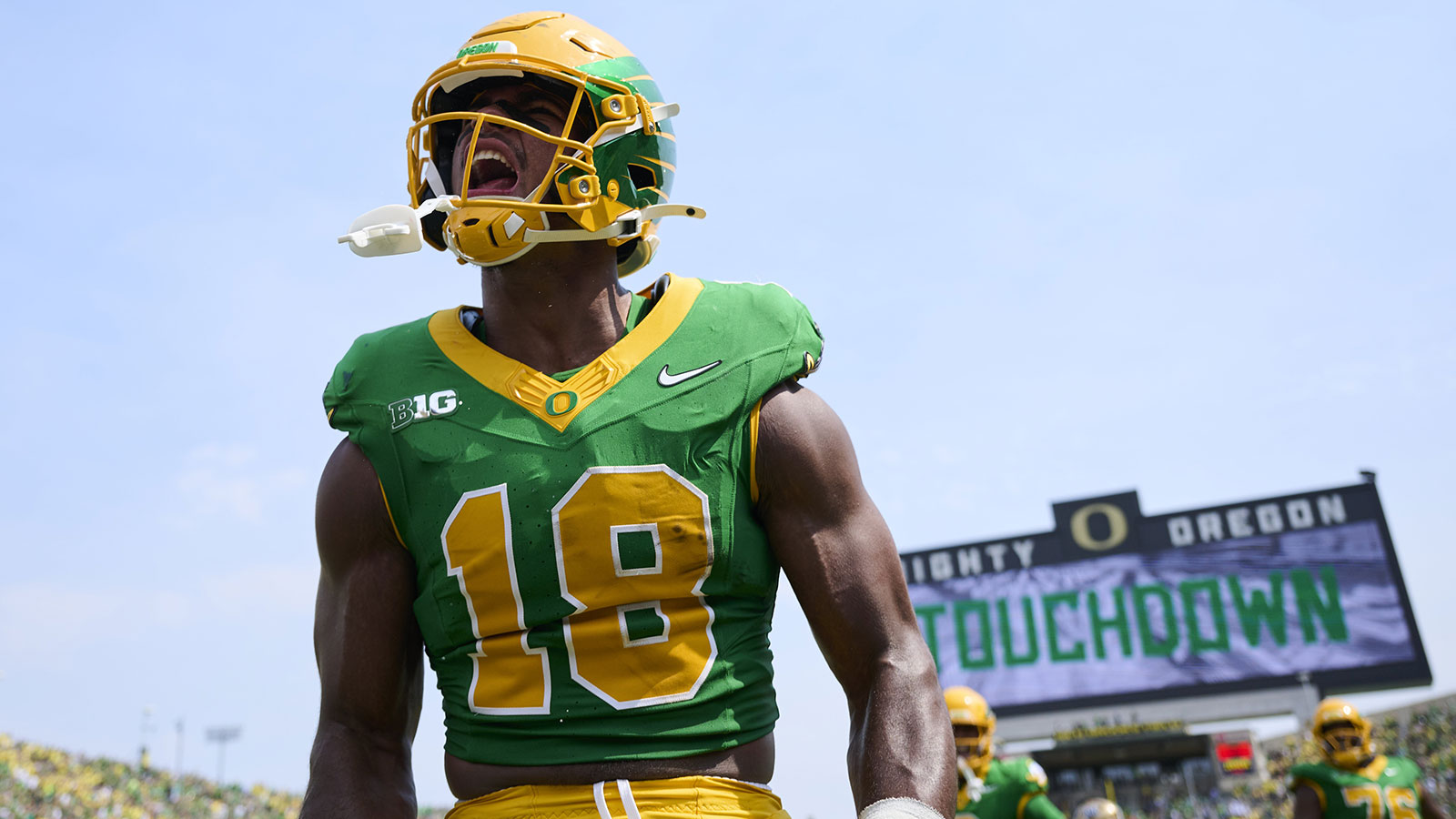
Kenyon Sadiq could easily be seen as an overreaction pick, one driven by a coordinator’s ambitions and a front office's belief that doubling down on success is a good strategy.
His profile is tempting: he was linked to the Rams in several post-combine mock drafts, posted elite testing numbers for a tight end, ran a 4.39 forty, and possesses the kind of explosiveness that makes offensive designers excited to create new personnel packages. Moreover, the Rams leaned heavily on 13 personnel last season, making the sales pitch even more appealing.
However, this is exactly why the Rams should be cautious, and while tight ends can be crucial in McVay’s system, investing a premium draft pick at this position only makes sense when the current roster is lacking or when the prospect is such a game-changer that he forces defenses to adjust their coverage, and this is not the current scenario.
The Rams already have players with defined roles at tight end and invested their first-round pick in another Oregon tight end last year. Being that aggressive in this area feels less like strategic roster building and more like a coach eager to showcase a new playbook.
There is also a broader principle to consider: smart franchises avoid drafting as if last year’s successful strategy will guarantee success in the following year, and while 13 personnel may remain a key part of the offense, it may also need to change depending on health, opponent matchups, and game situations.
The front office should not operate under the assumption that one successful tactical approach warrants another high investment in the same area.
Top-15 picks should provide flexibility, not restrict it, and if the Rams use the 13th pick on a tight end while ignoring other foundational positions, it could signal that the team is too caught up in its own creativity, which often leads to reaching for a player.
QB Ty Simpson, Alabama
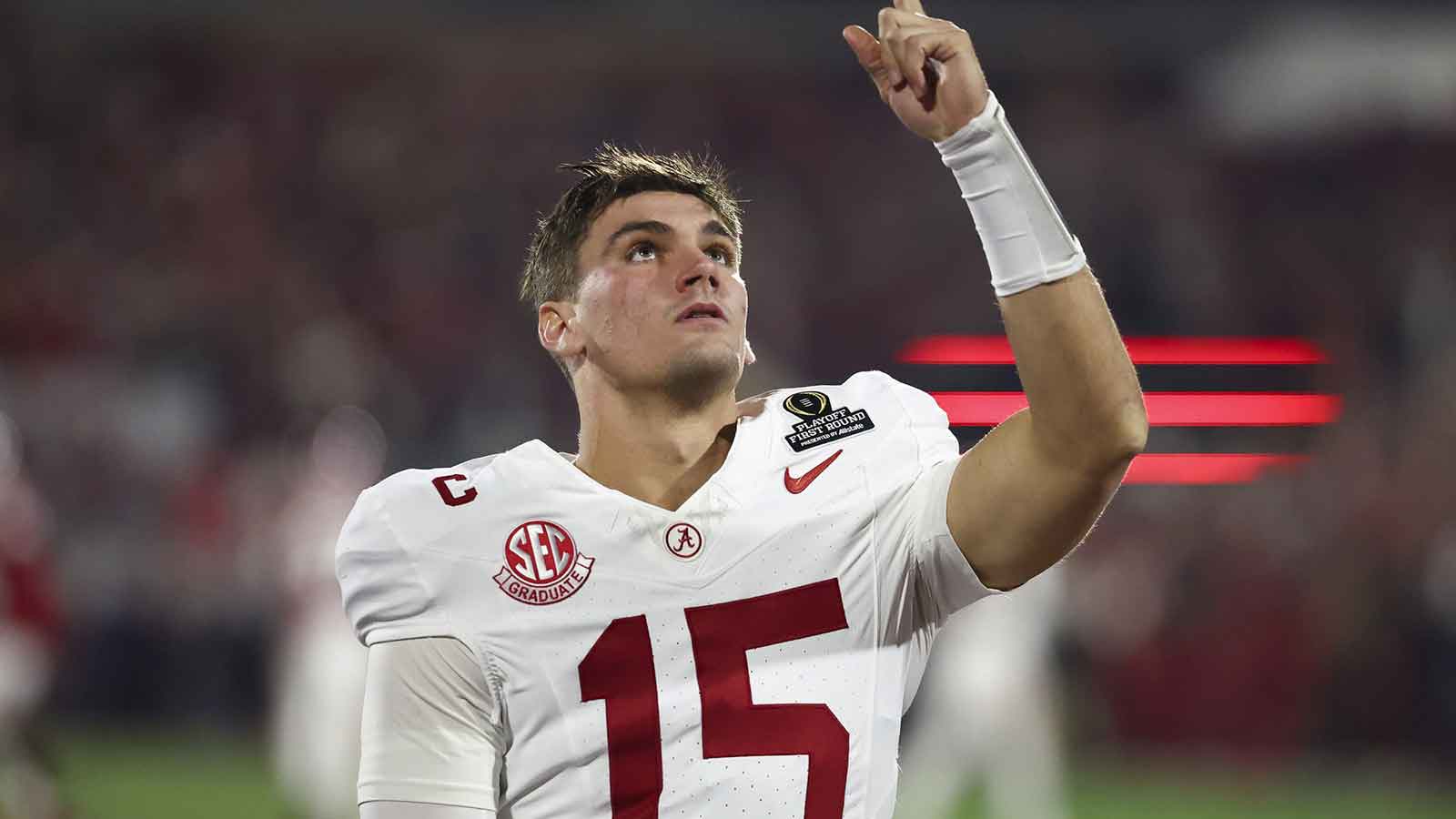
Discussing quarterbacks is often easy, especially when the current starter is nearing the end of their career, and this dynamic makes Ty Simpson an intriguing option for the Rams.
With his Alabama pedigree, polished skills, and potential fit in McVay's offense, he has garnered attention as a first-round prospect.
Many view him as one of the top quarterbacks in his class, and his abilities as a pocket passer spark conversations about succeeding Stafford, and while this reasoning looks appealing on paper, it may be overly simplistic in practice.
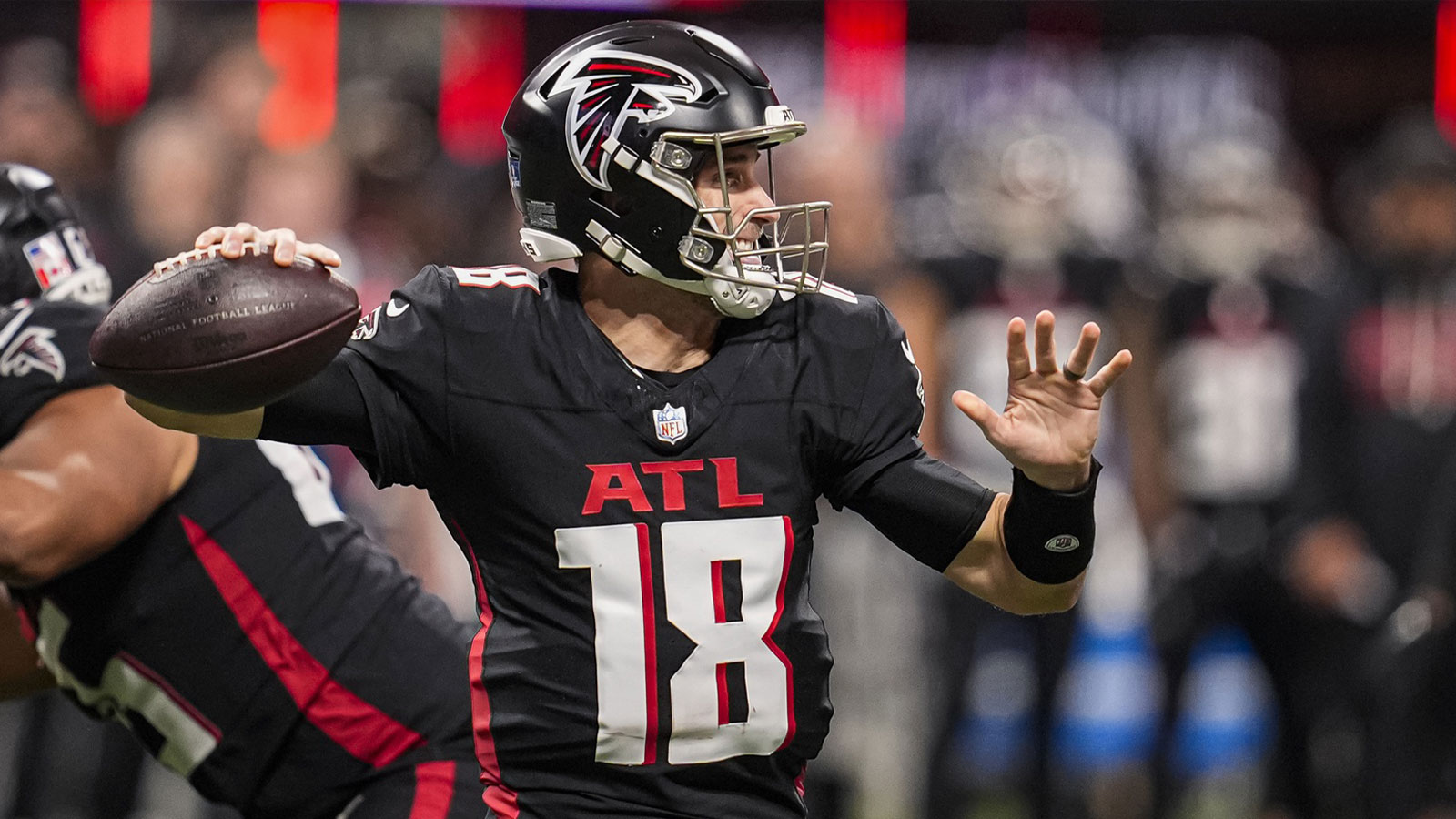
The first issue is timing because McVay recently stated that the Rams are still aiming to re-sign Jimmy Garoppolo as Stafford’s backup while also considering Kirk Cousins for that role, and he mentioned that Stafford could potentially play for more than one additional year.
This indicates that the team is not feeling the pressure to force a quarterback selection; instead, they are trying to maintain their current competitive edge while planning for the future. If this is their perspective, drafting a quarterback early could create unnecessary complications rather than serving as a prudent contingency plan.
The second issue pertains to the implications of a quarterback selection for the 2026 season. Choosing a quarterback in the early rounds also means reallocating resources that could otherwise be used to support the current team’s championship aspirations.
This decision is easier to justify when a team has clearly plateaued, but it’s harder to defend when the Rams believe they still have a shot at success.
This draft could be straightforward for the Rams, even if it is rarely glamorous.
With unique first-round flexibility, no glaring weaknesses, and a legitimate chance to compete, the Rams shouldn't feel compelled to pursue flashy picks, but instead, they need to exercise discipline and patience, understanding what will benefit them now without jeopardizing their future, and this approach may involve staying at the 13th pick, moving back, or passing on players that are highly recognized by the public.
Sometimes, the best drafting decision is one that may initially disappoint the most vocal critics, only to appear logical by midseason. They find themselves in such a situation, and if they keep this mindset, they will enhance their chances of leaving Pittsburgh with a draft class that truly aligns with their team's needs.