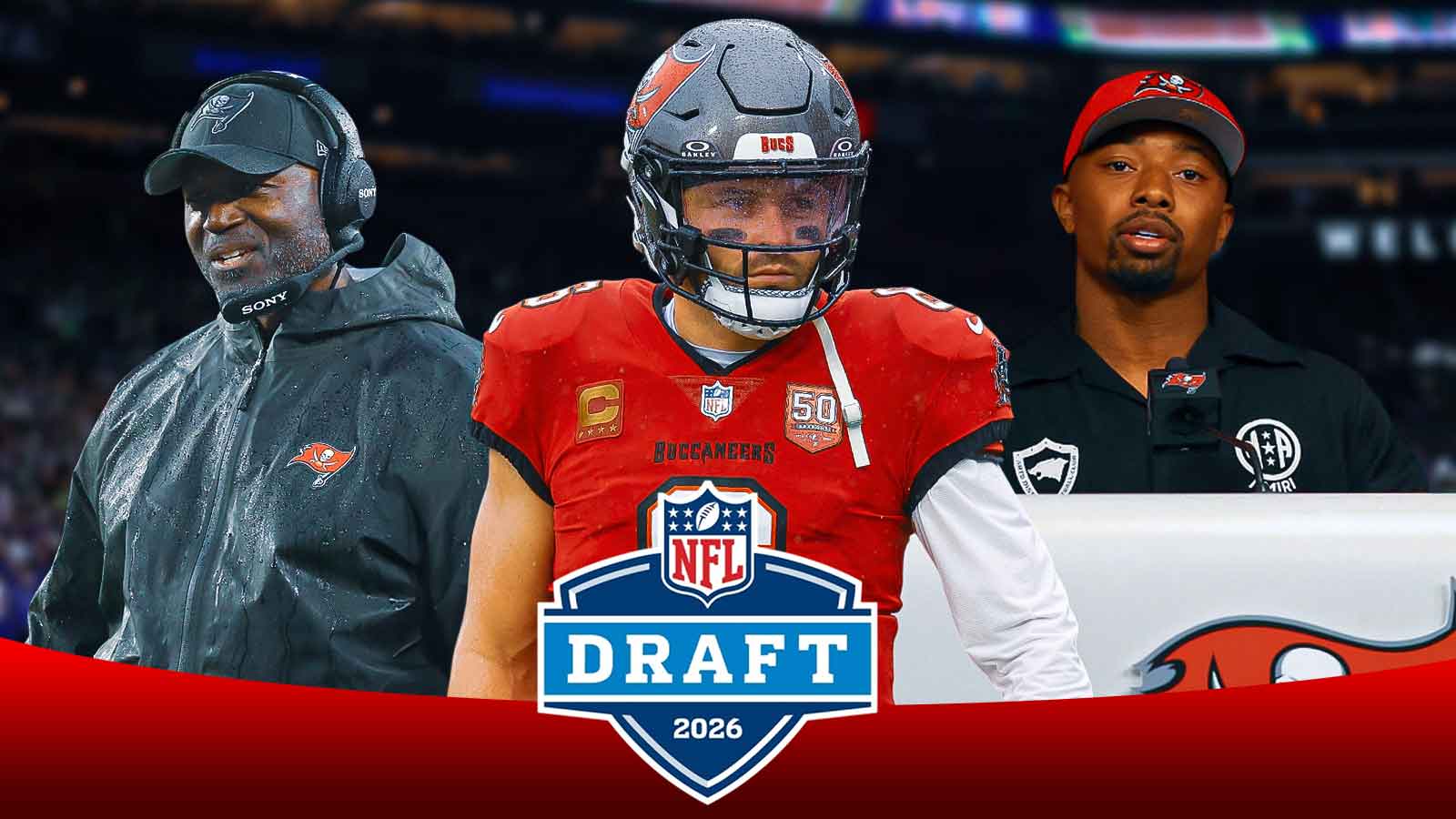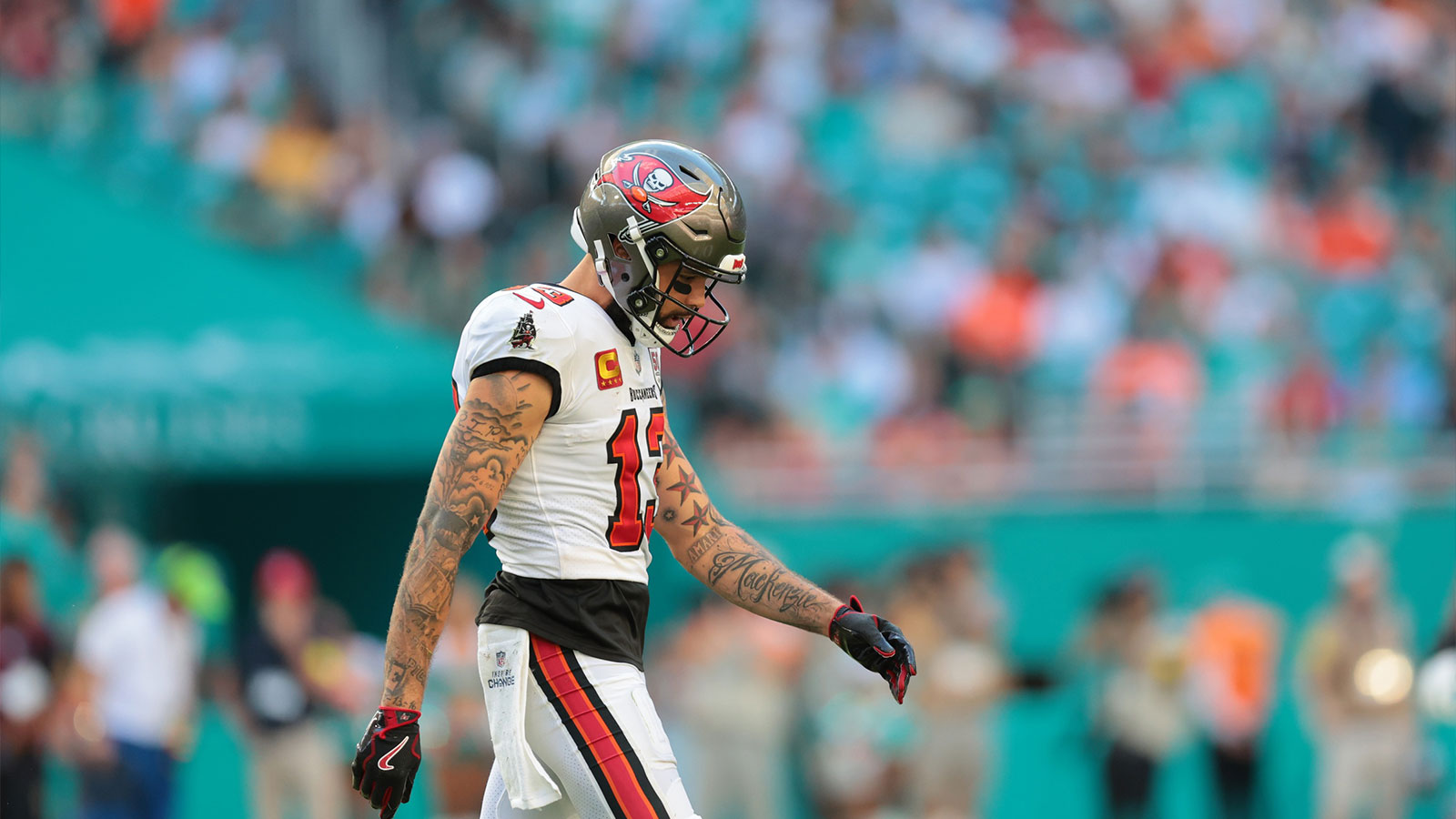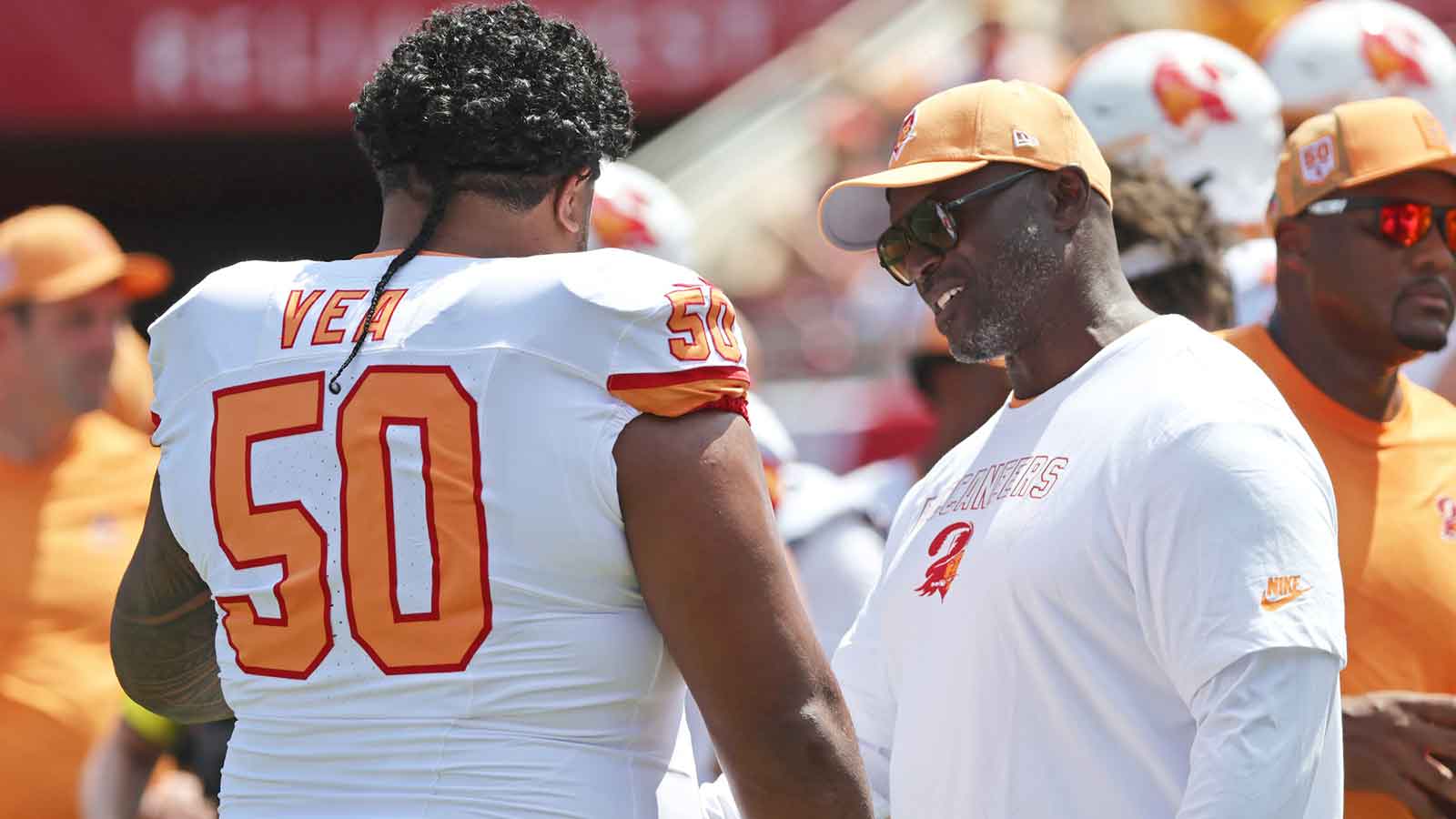
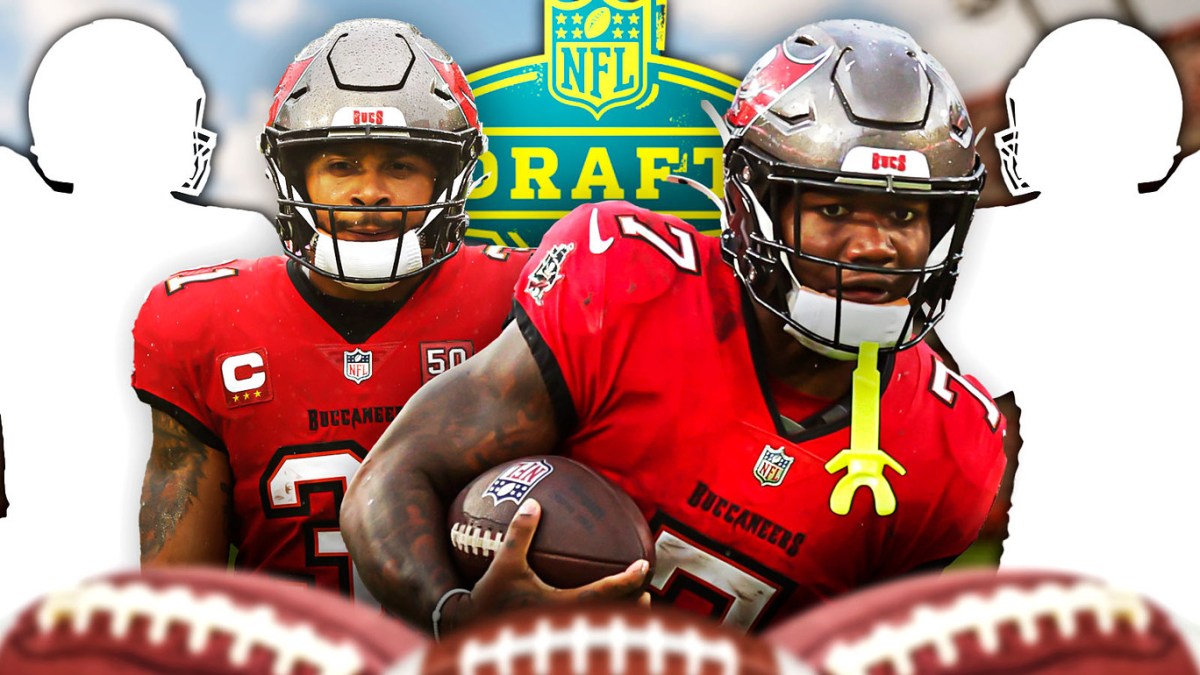
The Tampa Bay Buccaneers are at a fascinating crossroads where the salty air of the Gulf meets the cold reality of a closing championship window. Their 2025 campaign saw flashes of brilliance but ultimately ended in frustration. As such, the front office knows that the 2026 NFL Draft is a mandate to find immediate impact. With the core of the roster aging and the NFC South becoming a playground for rising young quarterbacks, Jason Licht and Todd Bowles cannot afford a “project” pick in the first round. The pressure is mounting to ensure that whoever puts on the pewter and red this spring is ready to fight in the trenches from day one. In Tampa, the expectations remain Super Bowl or bust. The roster, though, currently feels like a puzzle with two or three glaring pieces still missing from the box.
Veteran-focused offseason
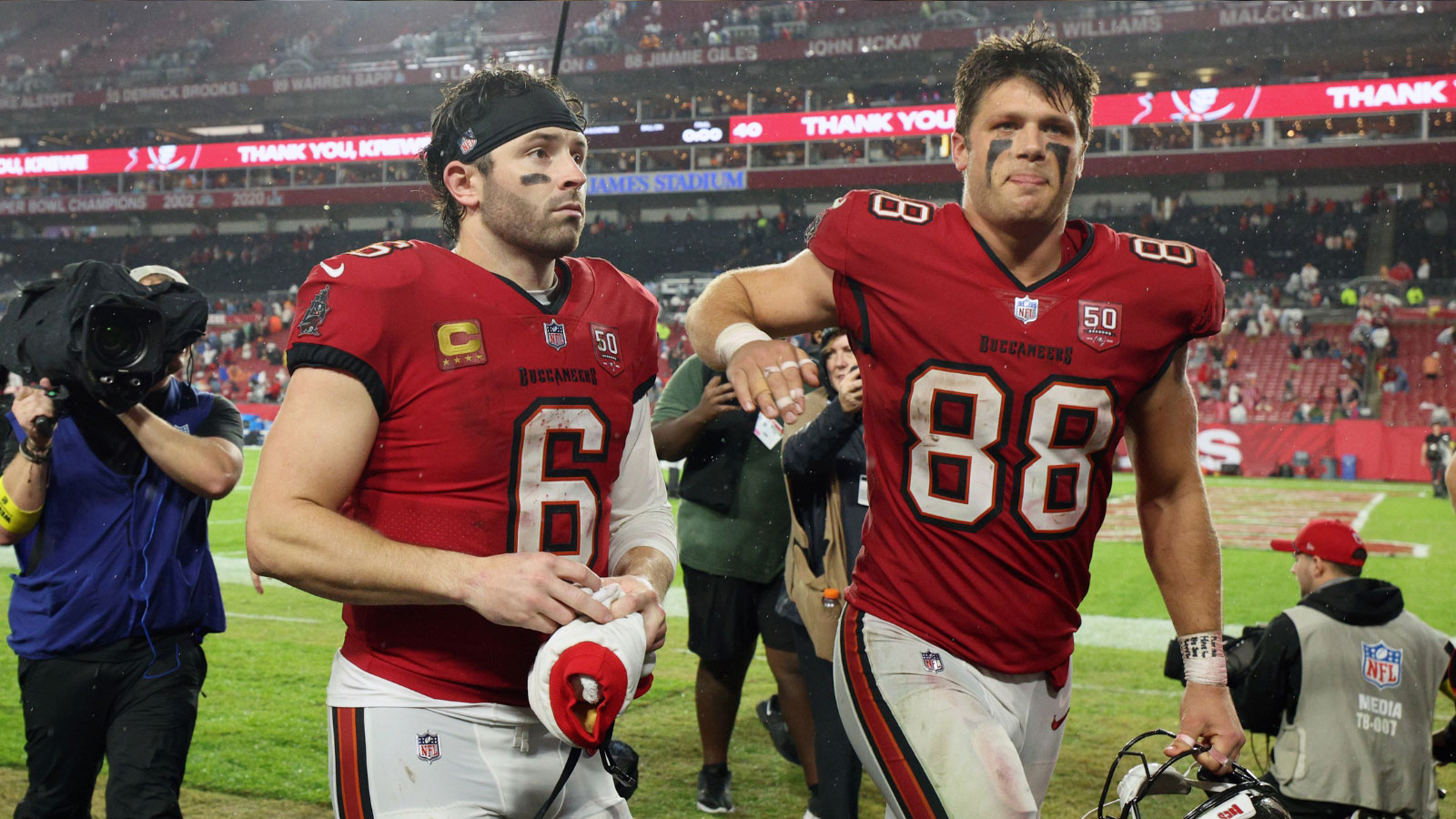
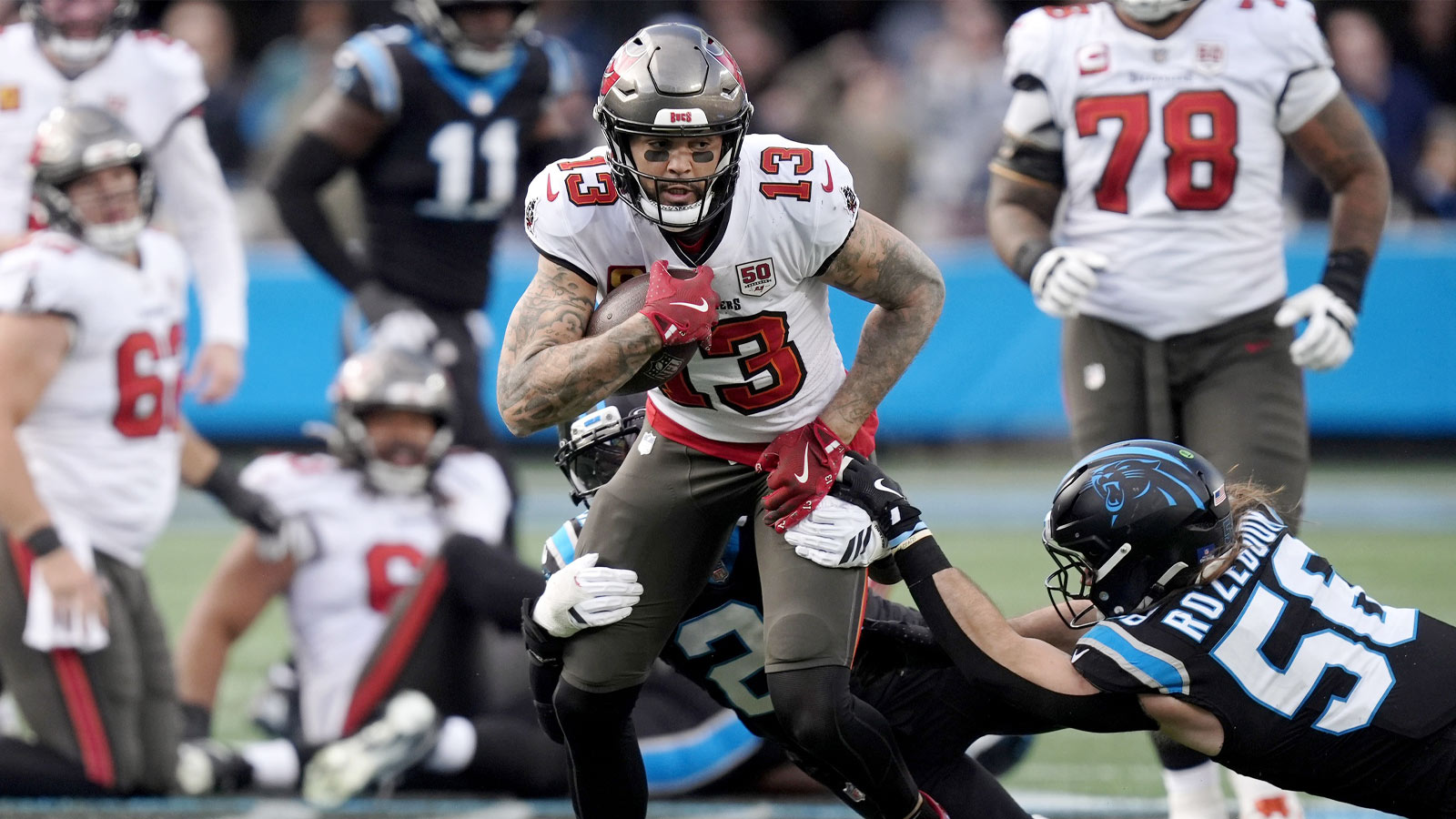
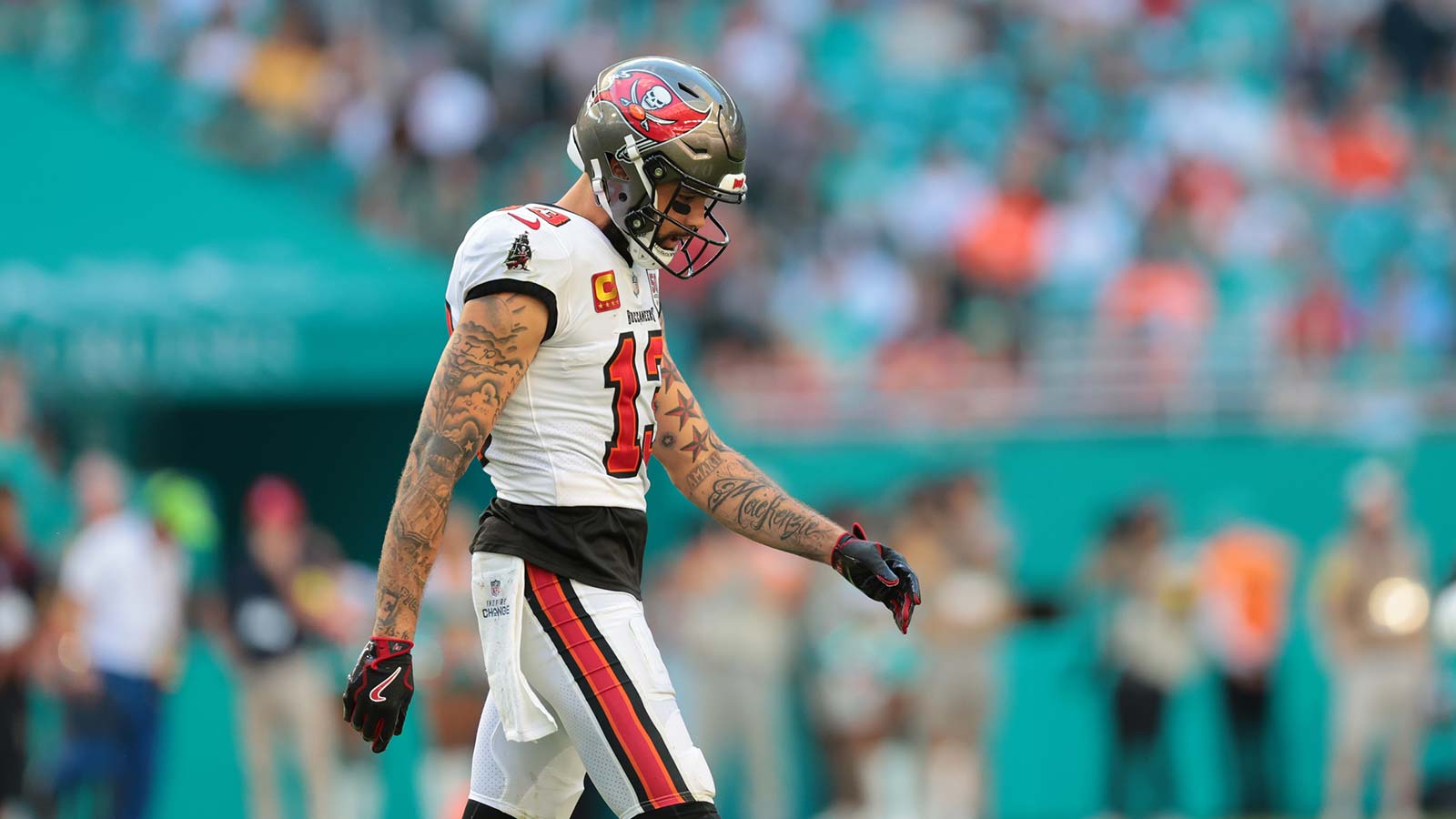
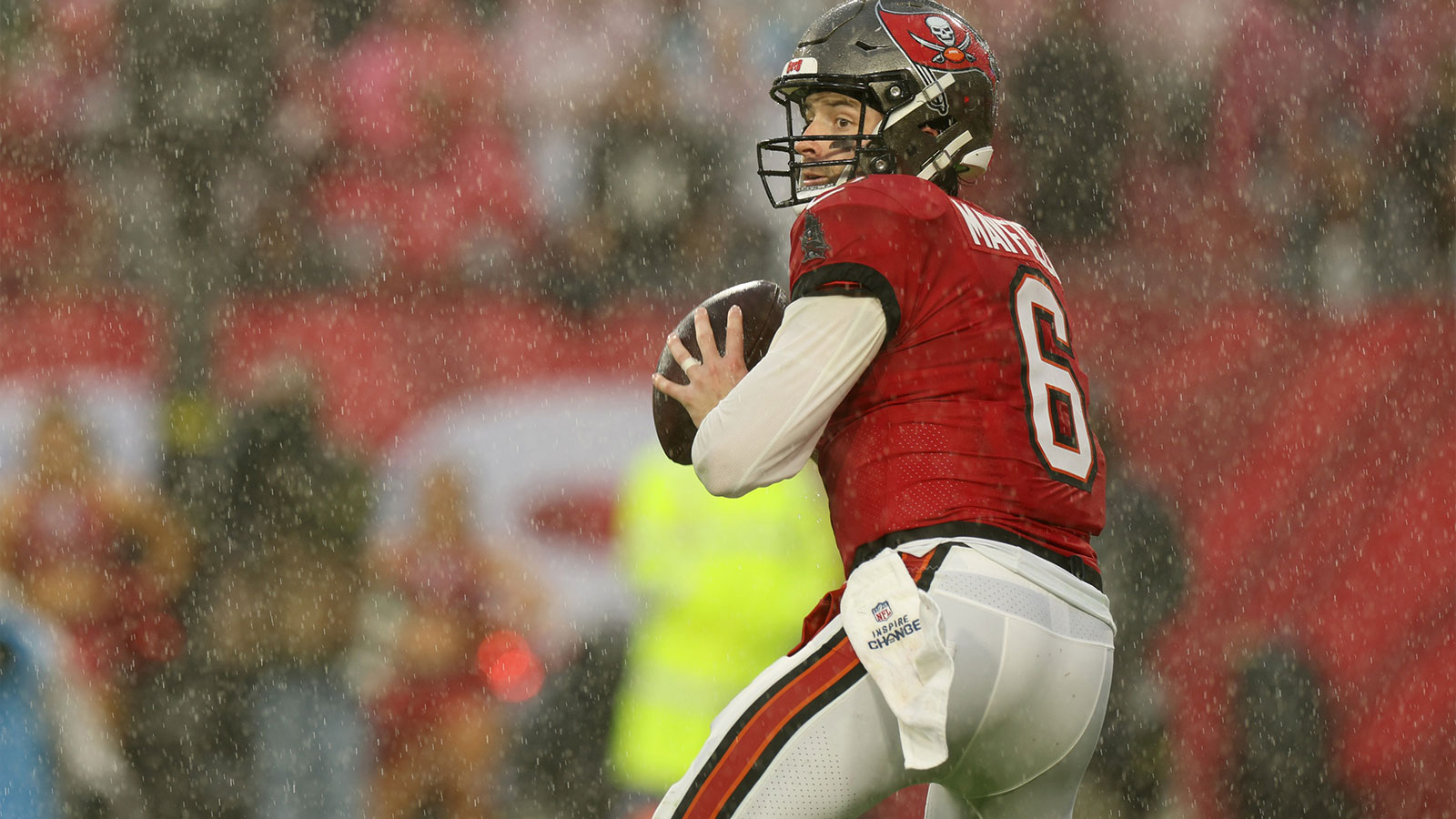
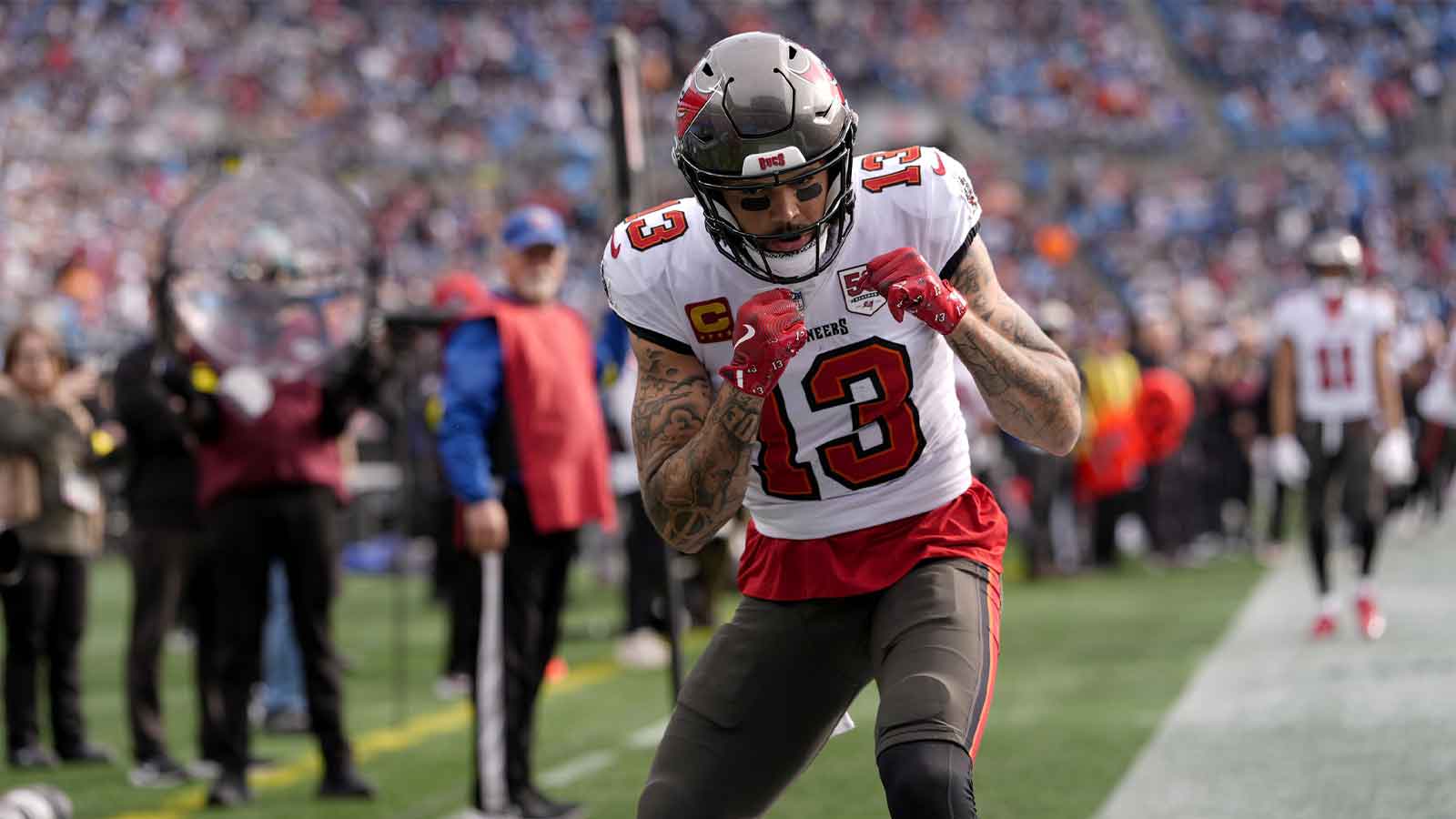
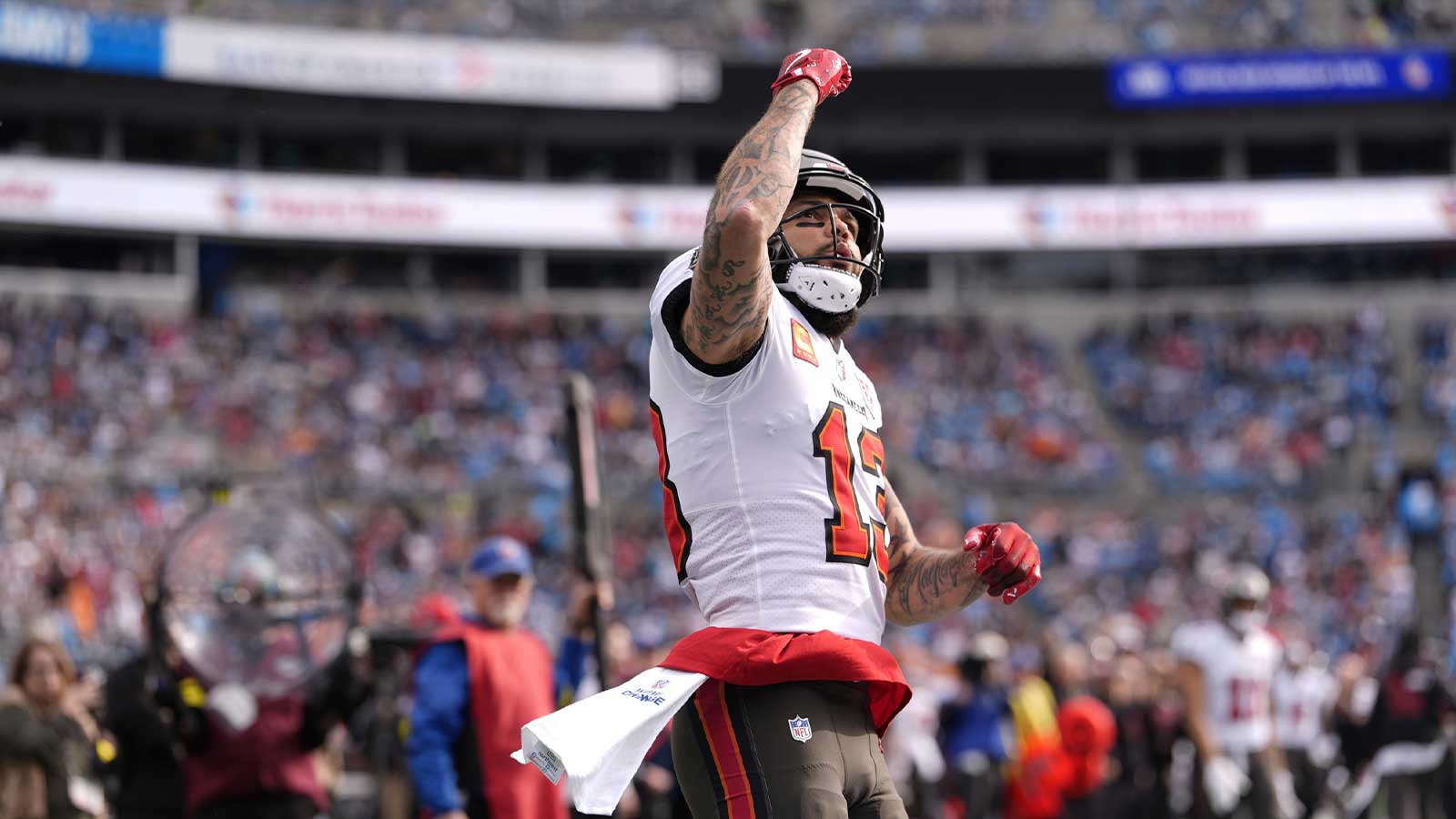
The 2026 free agency period has been a whirlwind of calculated risks and veteran stabilization for the Buccaneers. The biggest headline was the departure of high-profile wideout Mike Evans. However, the front office quickly pivoted, successfully re-signing tight end Cade Otton. To bolster the ground game, they brought in Kenneth Gainwell to pair with Bucky Irving. They also snagged quarterback Jake Browning to provide a high-floor insurance policy behind Mayfield.
The Buccaneers understand that their offense functions best when it’s balanced, physical, and efficient. They chose to reinforc the backfield and maintain continuity in the passing game. With that, they’ve ensured that the unit can operate with clarity heading into the new season.
Defensive reinforcements
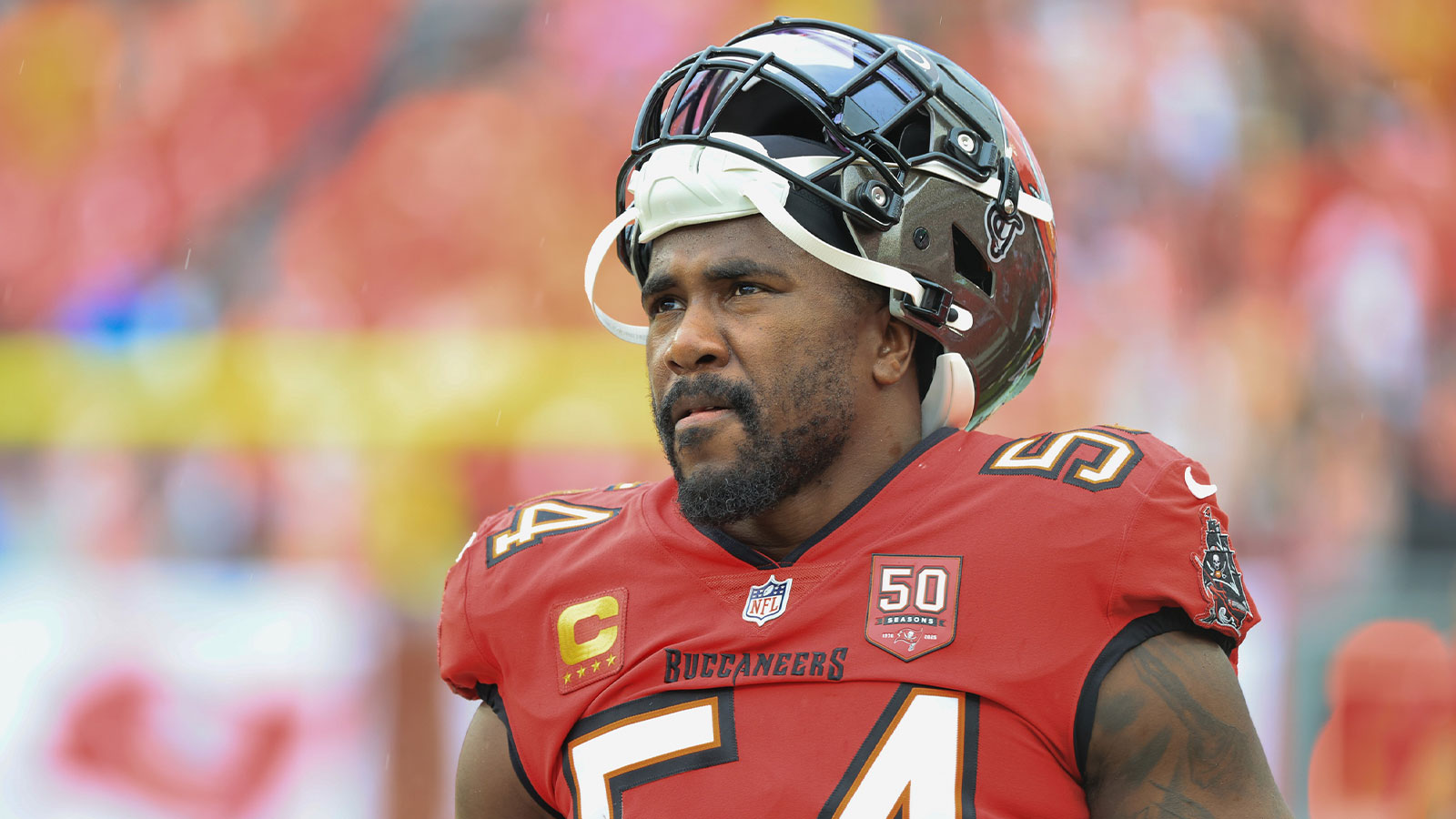
On the defensive side of the ball, Bowles got exactly what he asked for: veteran toughness. The signing of linebacker Alex Anzalone brings a tackling machine to the second level. Meanwhile, A’Shawn Robinson and Al-Quadin Muhammad add much-needed bulk and edge presence. The re-signing of Dan Feeney and Ko Kieft further solidified the depth.
Still, even with those additions, the secondary remains unsettled. Sure, the Buccaneers have capable pieces. However, they lack a true shutdown presence who can consistently erase top receivers. It’s a reminder that while the roster is deeper, it’s not yet complete.
The glaring need
The Buccaneers’ biggest need heading into the draft is a premier, twitchy edge rusher. Yes, the defensive line has depth with Calijah Kancey and Vita Vea. That said, the outside pass rush has lacked a consistent “closer.” In a division where offensive lines are getting younger and more athletic, Tampa Bay needs a disruptor who doesn't rely solely on Bowles’ blitz packages. The Bucs need a foundational piece on the edge to keep this defense among the league’s elite.
Avoid edge rusher Cashius Howell
At first glance, Cashius Howell seems like the answer. He explodes off the snap, can bend around the edge, and possesses the kind of athletic traits that defensive coordinators covet. For sure, he fits the mold of a modern pass rusher.
For Tampa Bay, though, the fit is more complicated than it appears. Howell’s game is built heavily on speed. When that speed works, it’s disruptive. When it doesn’t, it exposes limitations. He has struggled to anchor against physical offensive tackles, often getting washed out in the run game. For the Buccaneers, that’s a major concern.
Tampa Bay needs a complete defender. They need someone who can set the edge on early downs and still generate pressure in passing situations. Howell, at this stage, profiles more as a specialist than a foundational piece. Drafting Howell would be betting on projection rather than production. And for a roster that needs reliability, that’s a gamble not worth taking.
Avoid wide receiver KC Concepcion
If Howell represents risk on defense, KC Concepcion represents redundancy on offense. There’s no denying his talent. Quick, elusive, and dangerous with the ball in his hands, Concepcion thrives in space. He’s the kind of player who can turn short passes into explosive gains.
The things is, Tampa Bay already has that role covered. With Irving contributing as a pass-catching back and Otton operating effectively in the short-to-intermediate range, the Buccaneers don’t lack for players who can create underneath. What they lack is verticality.
The offense needs a receiver who can stretch the field, win contested catches, and force defenses to respect the deep ball. Concepcion, for all his strengths, doesn’t provide that dimension. Investing a premium pick in a player who occupies an already crowded role would be inefficient. It would create overlap rather than enhancement, complicating an offense that needs clarity and explosiveness.
Minimize mistakes

The Buccaneers don’t need to win the draft. They just need to execute it correctly. They’ve built a roster with enough talent to compete, enough depth to withstand adversity, and enough experience to navigate the season.
Now, it’s about precision. Avoiding players like Cashius Howell and KC Concepcion is really about understanding context. It’s about recognizing that fit, timing, and roster balance are what ultimately determine success.