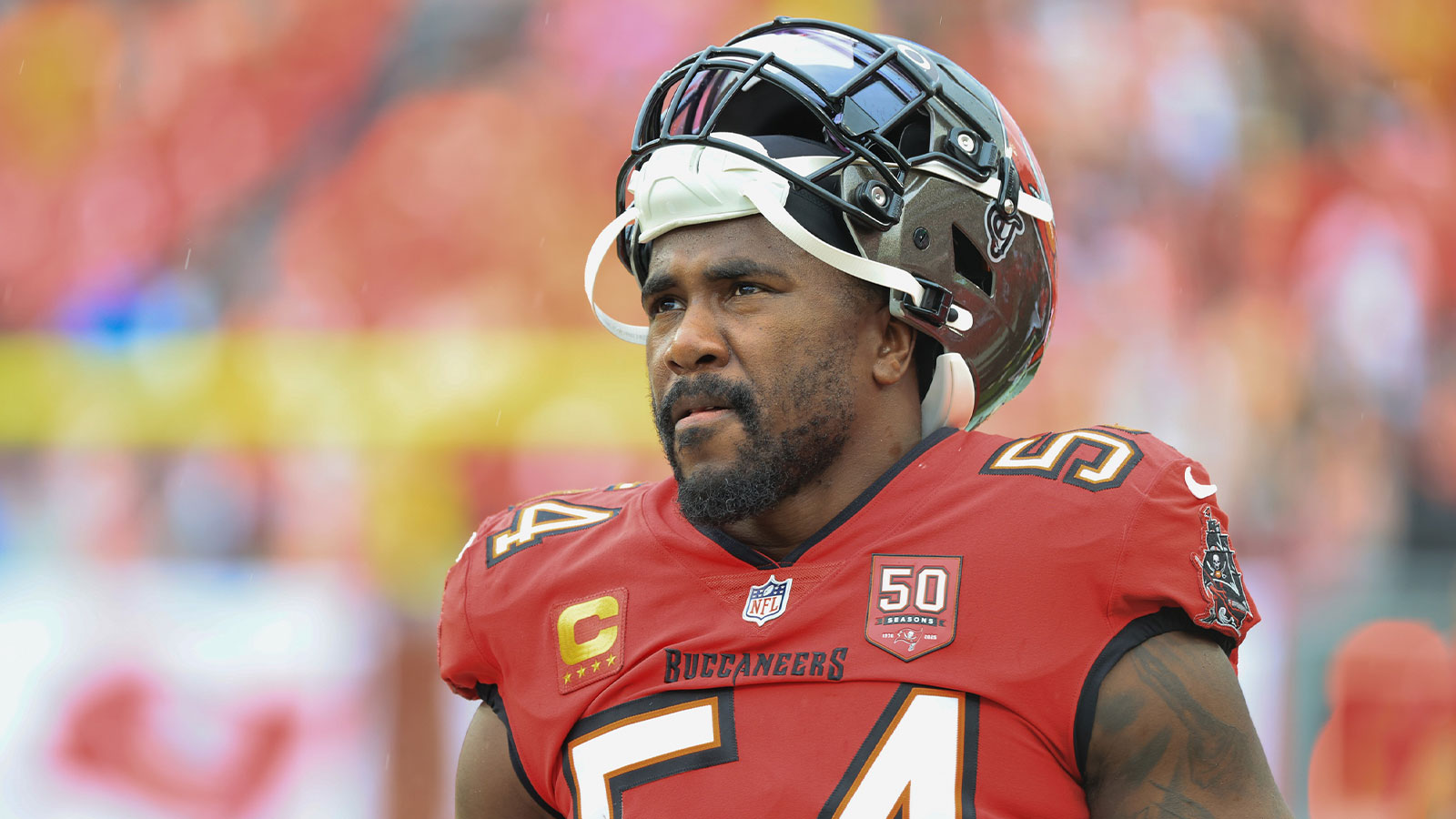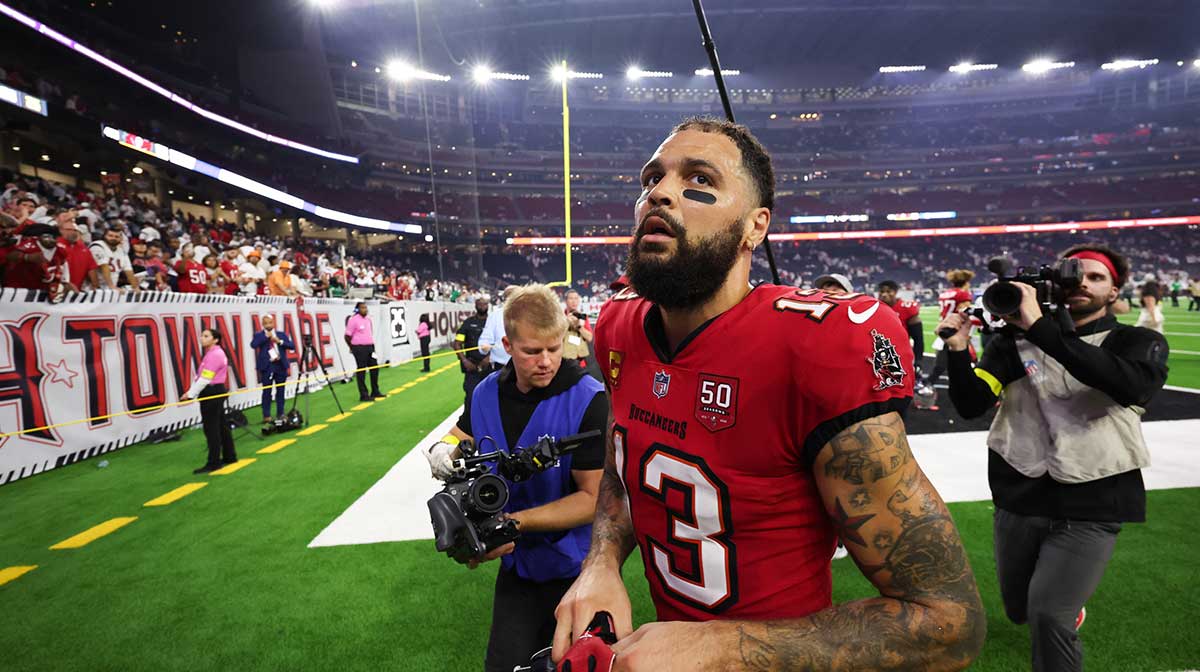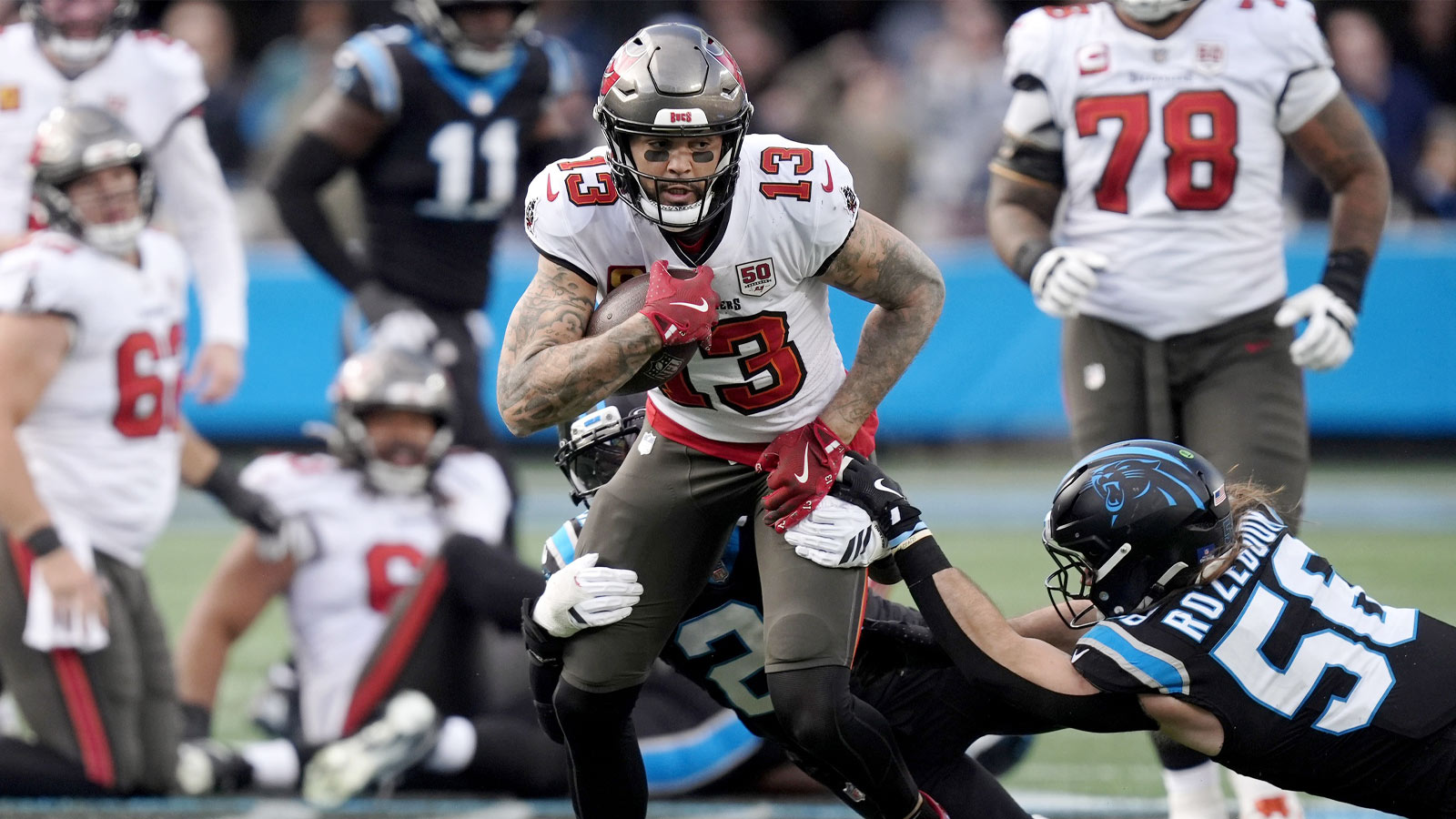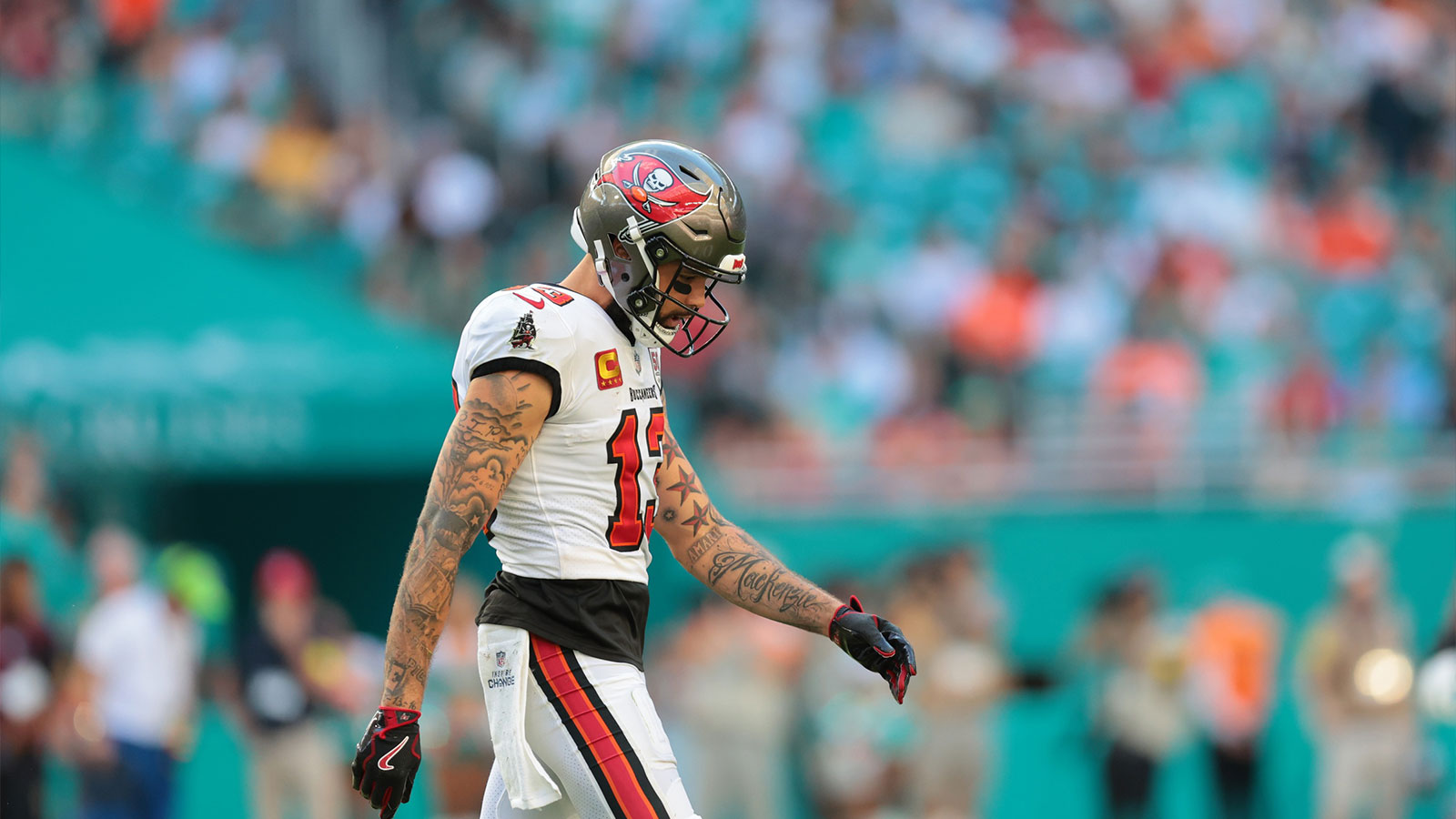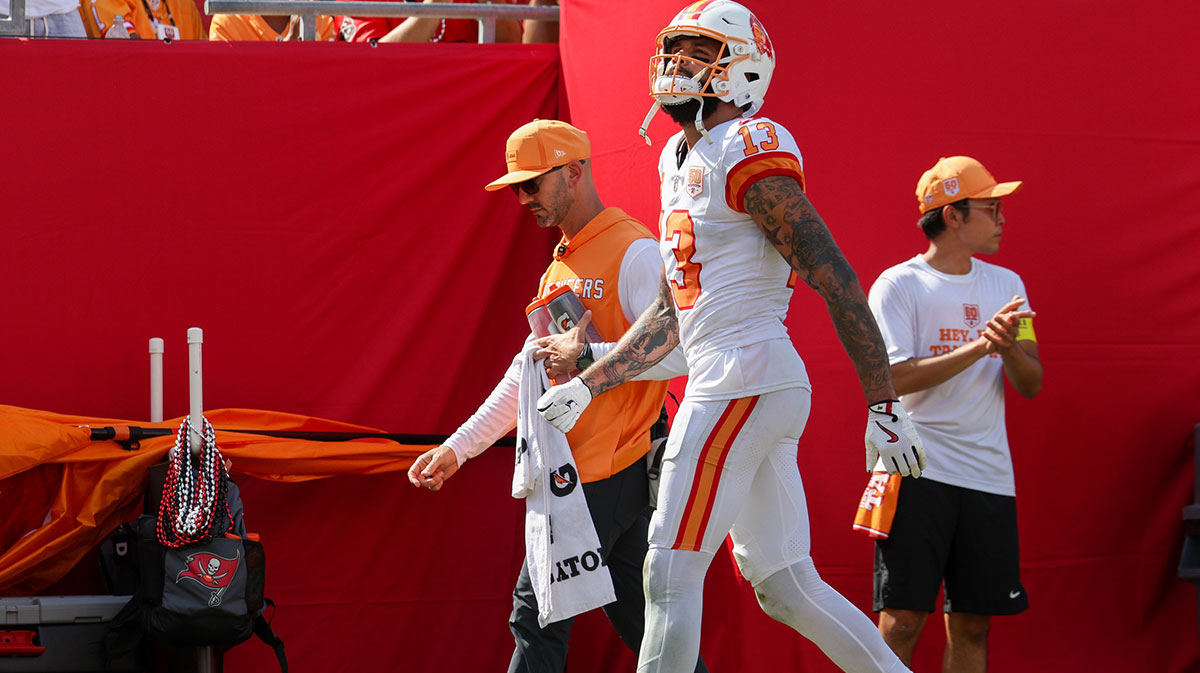
The latest draft discussions surrounding the Tampa Bay Buccaneers begin with a clear reality: Mike Evans is gone, leaving a significant void in the roster that must be filled. Mel Kiper Jr.’s updated post-free-agency mock draft has Oregon tight end Kenyon Sadiq as a potential replacement for some of Evans’ size, explosiveness, and red-zone threat against defenses.
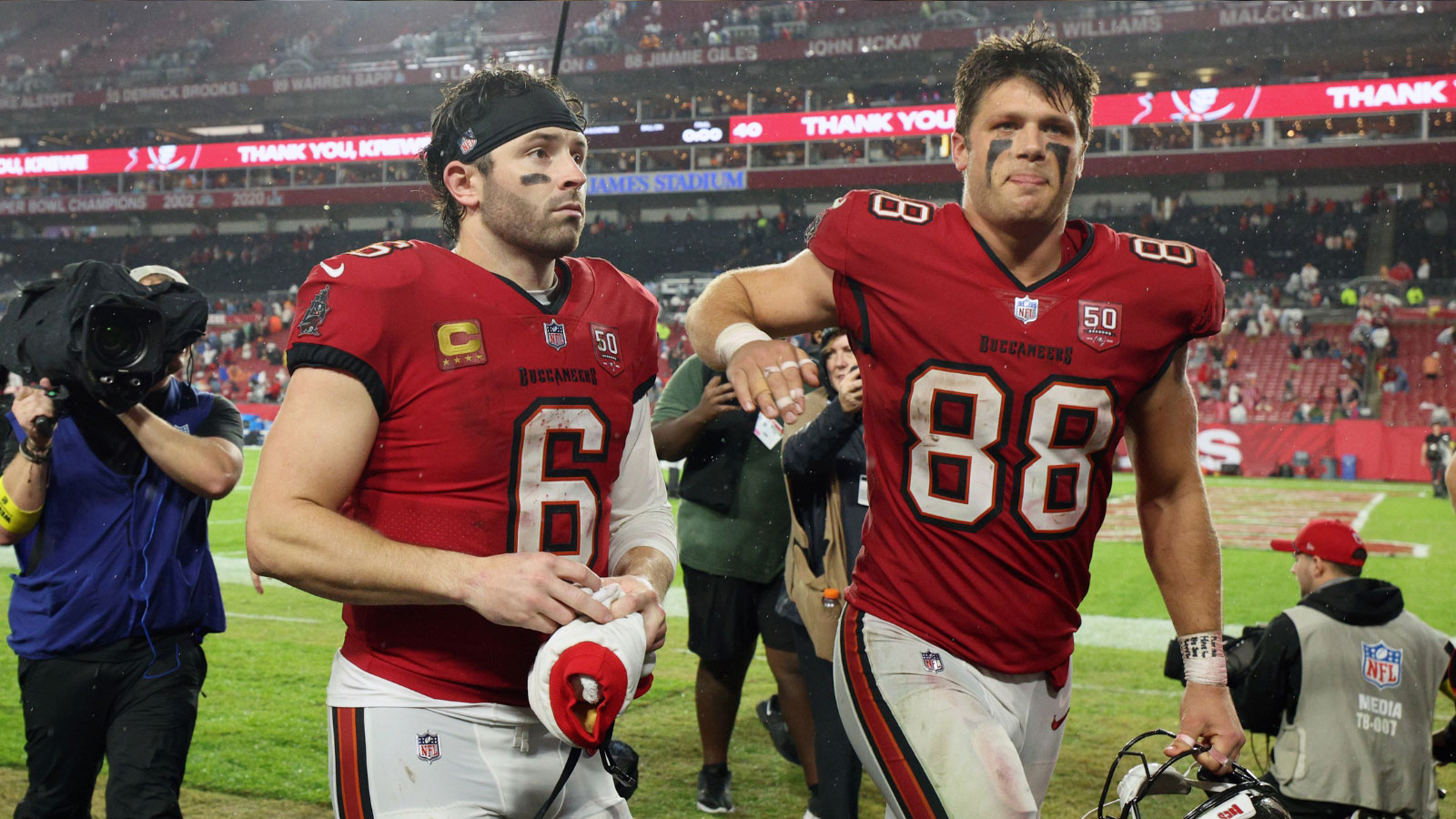
Additionally, the Buccaneers addressed a smaller offensive need by signing Jake Browning to a one-year deal to back up Baker Mayfield, and this combination indicates the current state of the roster following free agency. While the Buccaneers still possess talent, they face a major gap in their passing game, and the draft is clearly being seen as a prime opportunity to address this issue.
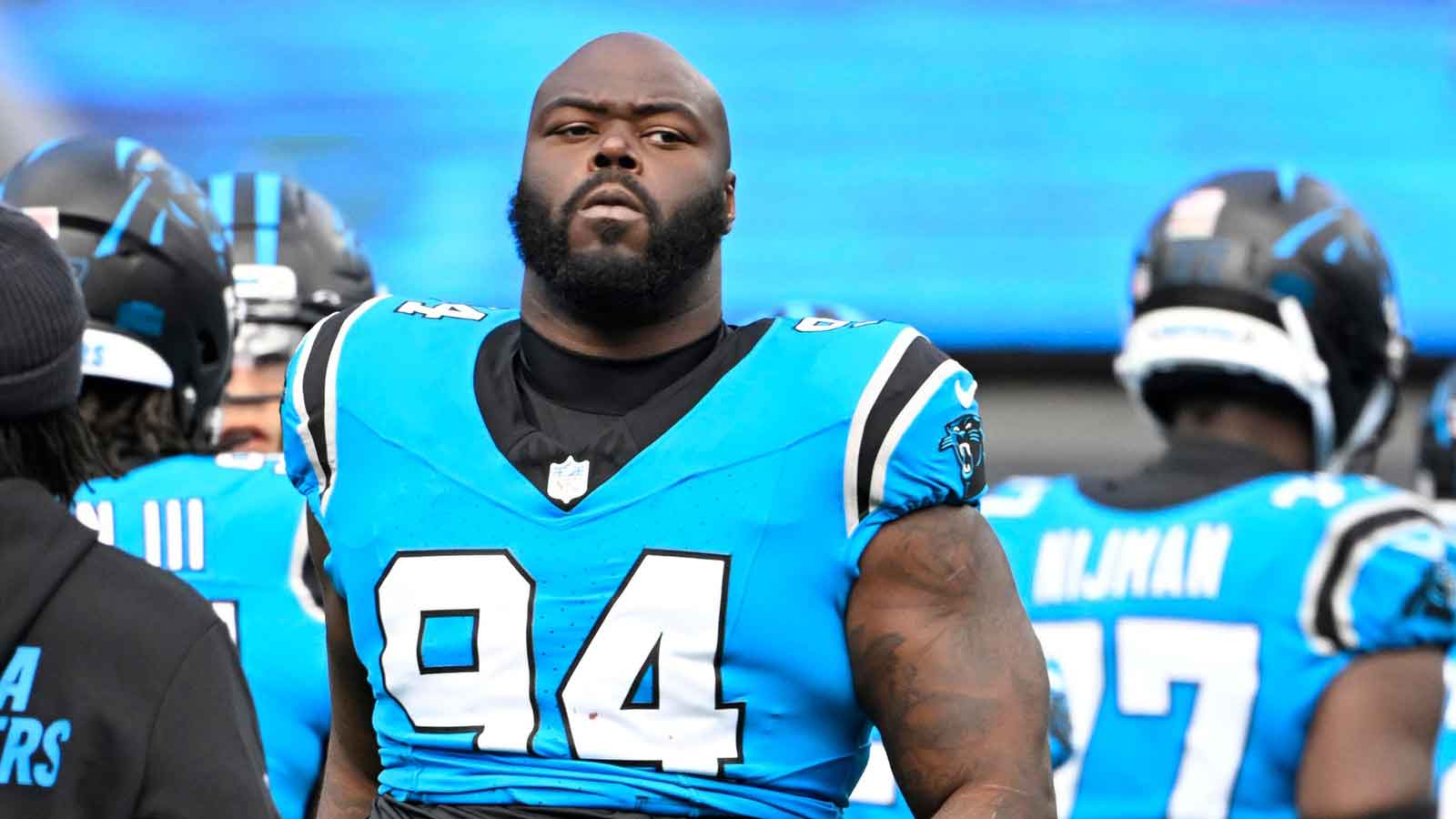
Although free agency brought in some functional additions, including Browning, Kenneth Gainwell, Alex Anzalone, Al-Quadin Muhammad, and A’Shawn Robinson, the first round of the draft still seems focused on either filling the significant offensive loss or repairing a critical gap on defense.
Here’s where the post-free-agency mock draft landscape currently positions the Buccaneers:
Kenyon Sadiq, TE, Oregon
Kiper’s projection is directly related to the most significant roster change in recent weeks. With Evans gone, Tampa Bay looks for another matchup piece with notable size and speed, and Kiper reasons that Sadiq, with his 6-foot-3 frame and 4.39 speed, can provide the offense with some of the stress elements it lost due to Evans’ departure.
He also highlights that Zac Robinson, the offensive coordinator, leaned heavily on two-tight-end formations in Atlanta, indicating that adding another tight end is more than just a luxury in this offense.
What makes this projection compelling is that it does not attempt to suggest Sadiq can simply replace Evans, because he cannot. Evans offered the Buccaneers a large catch radius outside the numbers and a unique boundary dominance.
Sadiq would bring different advantages, such as versatility in formations, seam speed, and a mismatch against defenders who may struggle to handle a player who is too fast for linebackers and too big for defensive backs, and this versatility is vital for Mayfield, as it can simplify reads in the middle of the field and make the offense less predictable when in scoring territory.
If the Buccaneers view Evans’ departure as an opportunity to diversify their offense rather than replicate it, then Kiper’s reasoning makes a lot of sense.
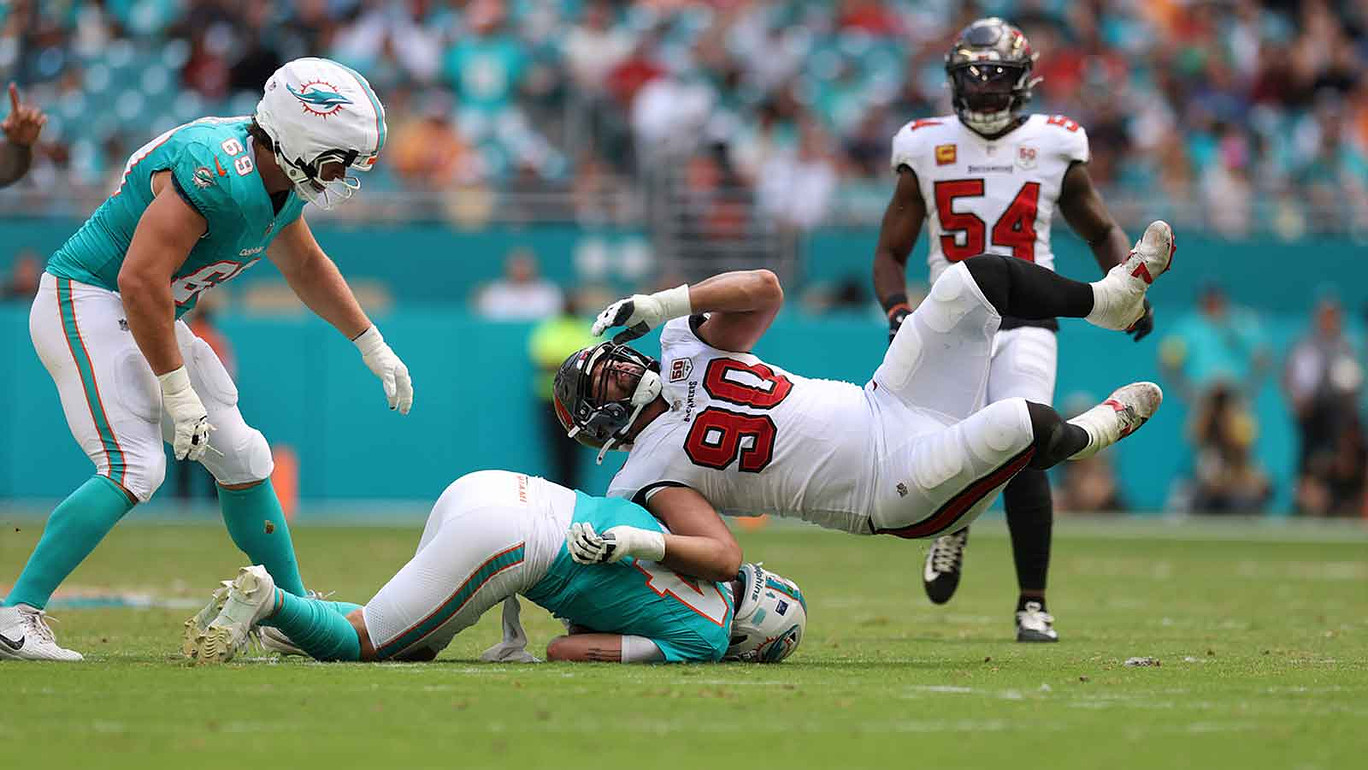
Ahkeem Mesidor, EDGE, Miami
Conversely, Tim Crean argues that the more pressing issue lies in defense. In his latest mock draft for ClutchPoints, he assigns Miami edge rusher Ahkeem Mesidor to Tampa Bay, contending that while Sadiq is an enticing option after his impressive combine performance, the pass rush is an urgent concern.
Crean describes Mesidor as one of the most proven and NFL-ready edge rushers in the draft class, and he notes that Tampa Bay, as a team aiming to win now, may be less worried about Mesidor being 25 years old.
This assessment of the roster is reasonable as well, because although the Buccaneers signed Al-Quadin Muhammad, coming off a productive season in Detroit, his contract is only a one-year stopgap and not a long-term answer.
Todd Bowles’ defense can generate pressure, but it’s easier to be aggressive when there is at least one dominant edge rusher. Mesidor brings a more mature pass-rushing profile compared to many younger, higher-risk options available, as he approaches the game strategically, relying on a plan rather than just impressive testing numbers.
This type of player tends to contribute more quickly, which is critical for the Buccaneers, who are not in a lengthy rebuild. They still have a quarterback they trust and a winnable division.
Crean’s projection essentially argues for maintaining the defense's strength, and it’s easy to see why this approach is appealing.
Colton Hood, CB, Tennessee
In his post-free agency mock draft, Mike Renner predicts that Colton Hood will join the Tampa Bay Buccaneers. This choice is relevant given the events of March, with Dean departing in free agency. Renner suggests that the Buccaneers should draft Hood as his replacement instead of relying solely on veteran additions, and he emphasizes Hood’s speed and ability to keep pace with receivers on vertical routes, noting that he was the only SEC player in 2025 to record both a pick-six and a fumble return touchdown while also achieving at least four tackles for loss and eight passes defended.
This projection becomes more compelling when considering practical needs, because cornerback positions are often costly, difficult to fill, and susceptible to weaknesses.
If the Buccaneers head into 2026 without a dependable outside corner opposite their top players, it could compromise their entire defense. Hood offers a combination of length and route awareness that would allow him to compete effectively from the start, and his involvement in the run game is also crucial, as head coach Todd Bowles values corners who are not only capable of covering but also willing to engage in physical play.
Among the non-Sadiq mocks, this one stands out as a straightforward scenario.
Keldric Faulk, EDGE, Auburn
In Max Chadwick’s PFF mock draft, he projects the Buccaneers to select Keldric Faulk. Unlike Crean’s projection, Chadwick emphasizes not just the need for an edge rusher but highlights the kind of front-seven fit that coach Todd Bowles values. A critical point in his analysis is that while Tampa Bay ranked seventh in team pass-rush grade, it was only 23rd in run-defense grade.
This makes Faulk’s profile particularly appealing, as he excels in run defense and can play both as an edge defender and a 5-technique.
This distinction is essential because Faulk is not merely being considered as a sack specialist; he is associated with Tampa Bay because he can enhance the defense’s resilience on early downs while still developing his skills as a pass rusher.
For a Bowles defense that prioritizes versatility and toughness in the front seven, this is significant. Faulk possesses length, size, and enough positional flexibility, allowing the coaching staff to utilize him in various roles as the defense evolves over the next year or two.
The post-free agency landscape in Tampa Bay is clear, with some evaluators believing that the absence of Evans should lead the Buccaneers to seek a new offensive mismatch piece, with Sadiq frequently mentioned in this context.
Others argue that the greater risk lies on defense, either because the pass rush requires a boost or due to uncertainty at cornerback following Dean’s exit.
All these arguments are rooted in tangible realities, and they have done enough in free agency to avoid a panicked approach, but not enough to make their first-round pick an obvious choice. This often leads to intriguing first rounds.
Tampa Bay's first-round prospects appear wide open in a positive sense, as free agency has addressed enough needs to prevent a panic-driven draft, but not sufficiently to make the choice straightforward.
This is why the draft board remains balanced, offering compelling arguments for adding another piece to reshape the passing game post-Evans or shoring up a defense that has lost a starting corner and still requires improvement in the front.
What makes the Buccaneers' situation particularly interesting is that pursuing either option does not feel forced, and the focus now is less about filling a gap and more about deciding which part of the roster to enhance to better defend against attacks in 2026.