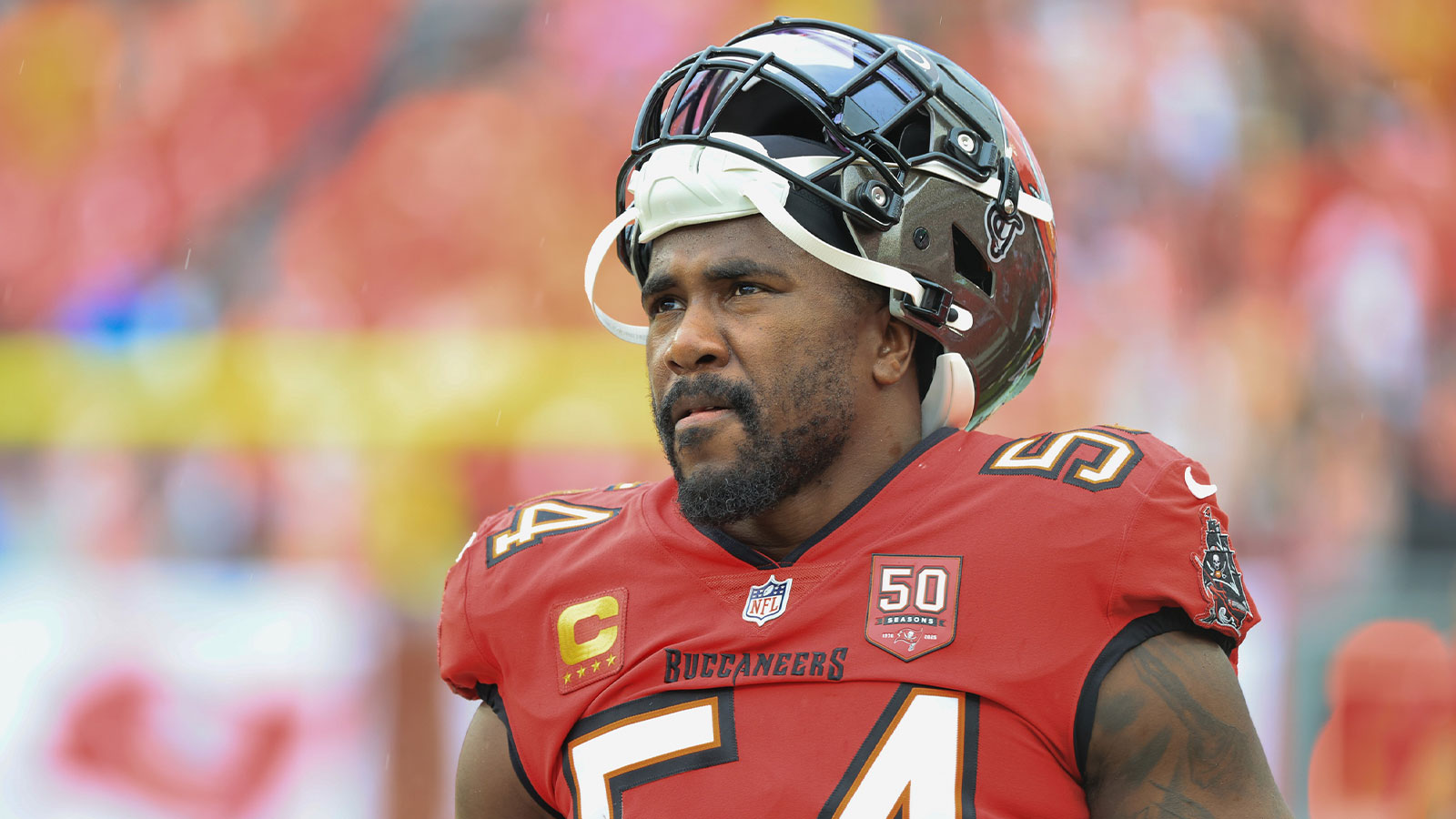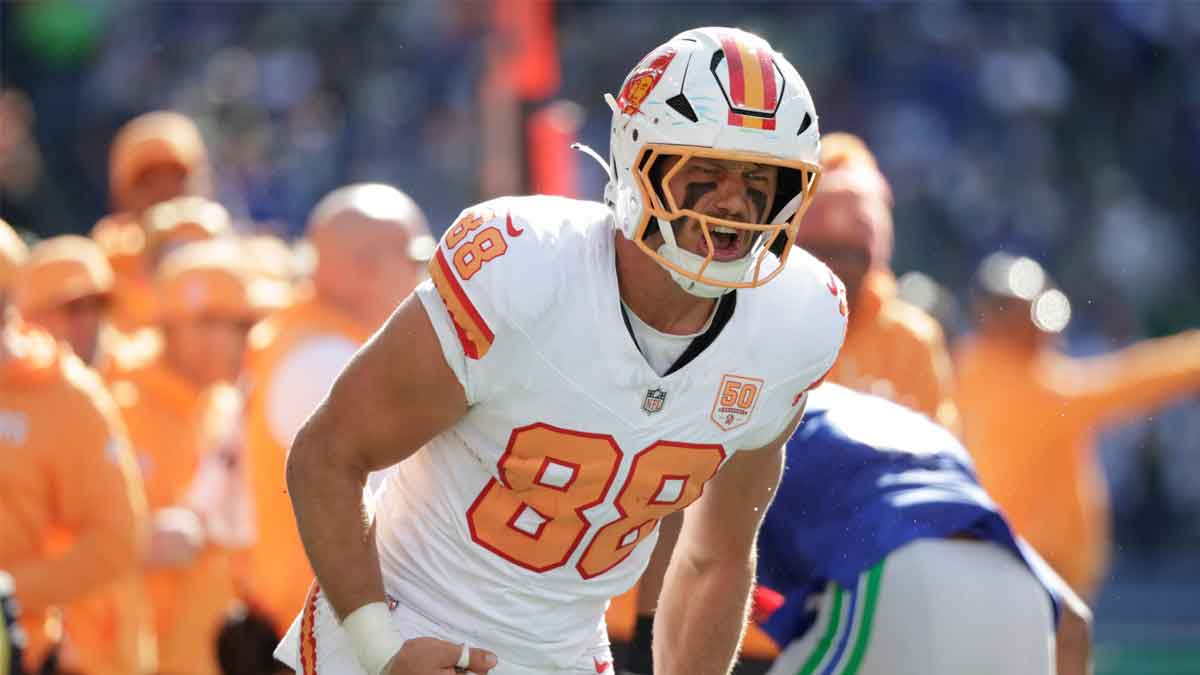
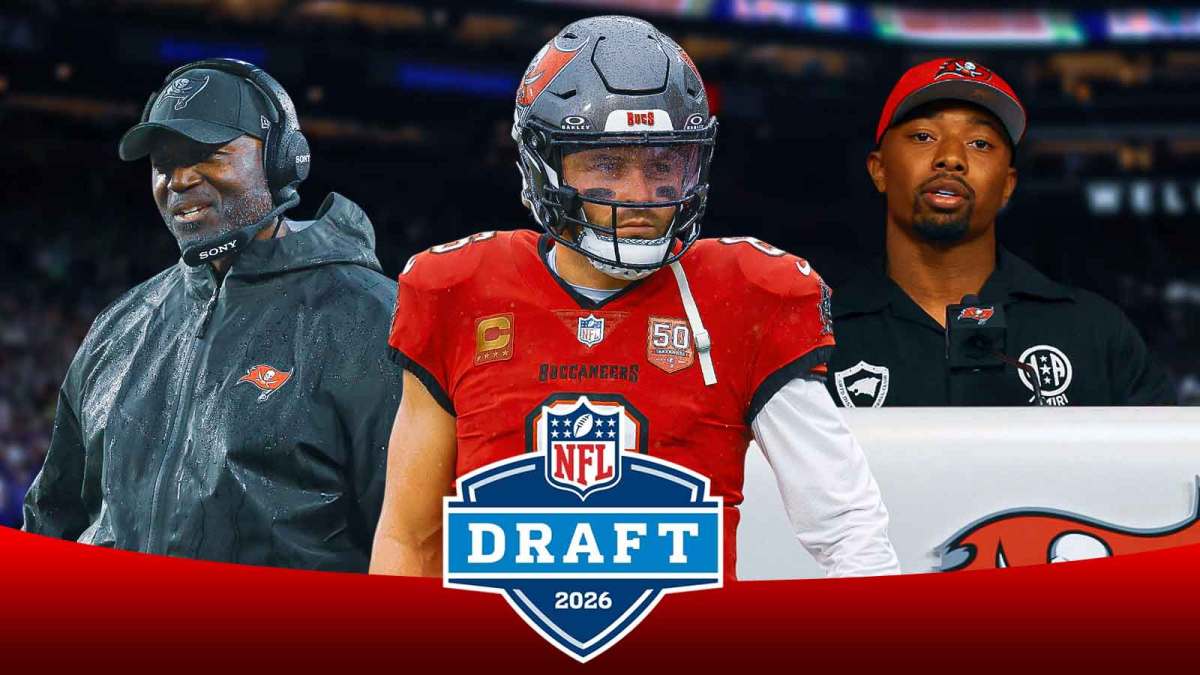
There are offseasons that quietly reshape a roster, and then there are offseasons that define a franchise’s direction for years to come. The Tampa Bay Buccaneers find themselves in the latter. They have spent years balancing contention with transition. Now, the 2026 offseason has forced a more uncomfortable question into the open. Are the Buccaneers building toward something greater, or slowly drifting into mediocrity? The answer hinges not on what they’ve already done, but on what they’ve failed to do. Now, they must correct it in the 2026 NFL Draft. Yes, the roster has been patched, stabilized, and even refreshed in certain areas. One glaring deficiency remains, though.
2025 exposed the cracks
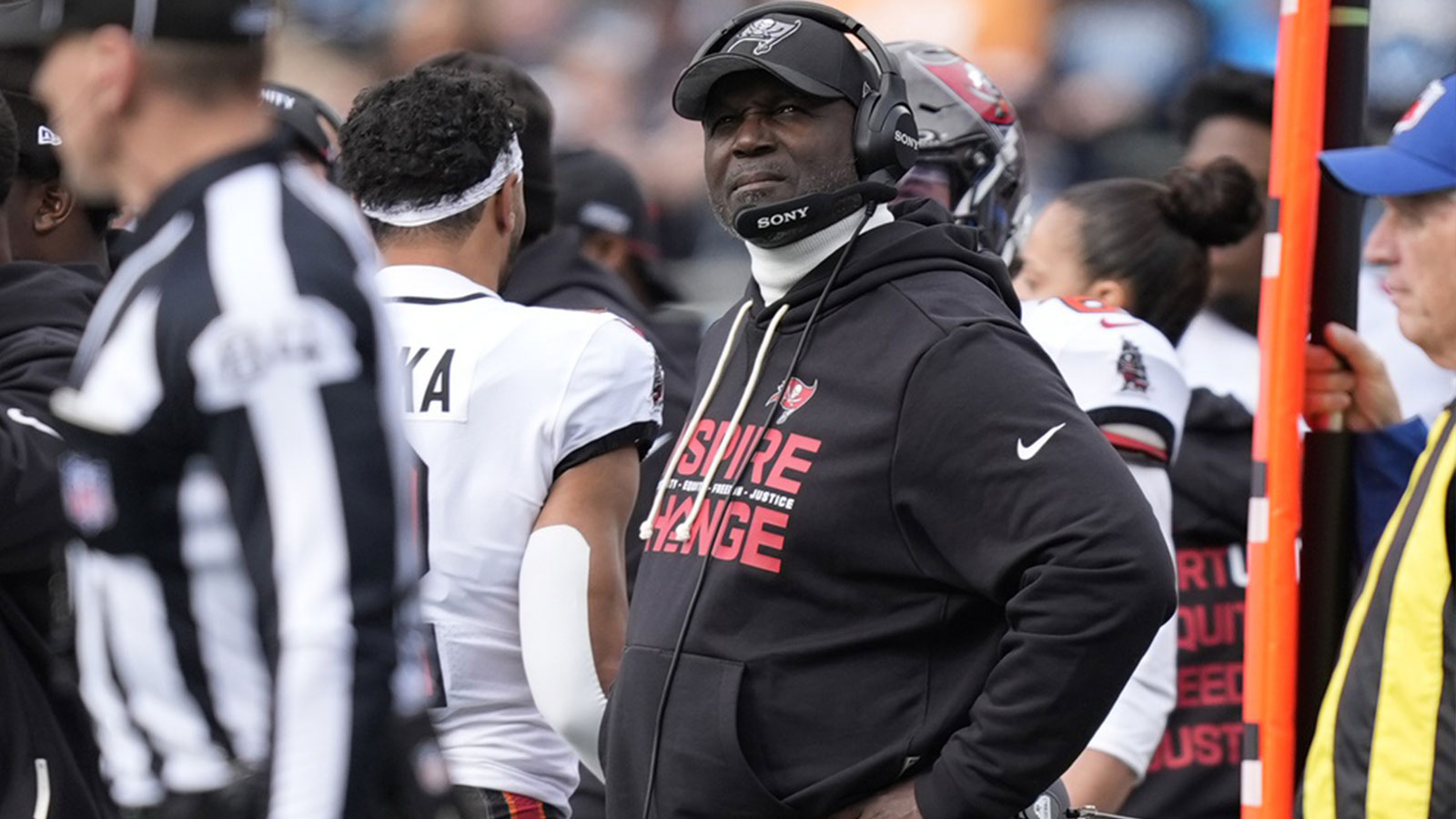
In 2025, the Buccaneers finished 8-9. It was a frustrating and uneven season that ended their playoff streak and exposed deeper structural issues. Tampa Bay was a team searching for identity. They were capable of beating contenders like the Eagles and 49ers one week, only to collapse against division rivals like the Falcons the next.
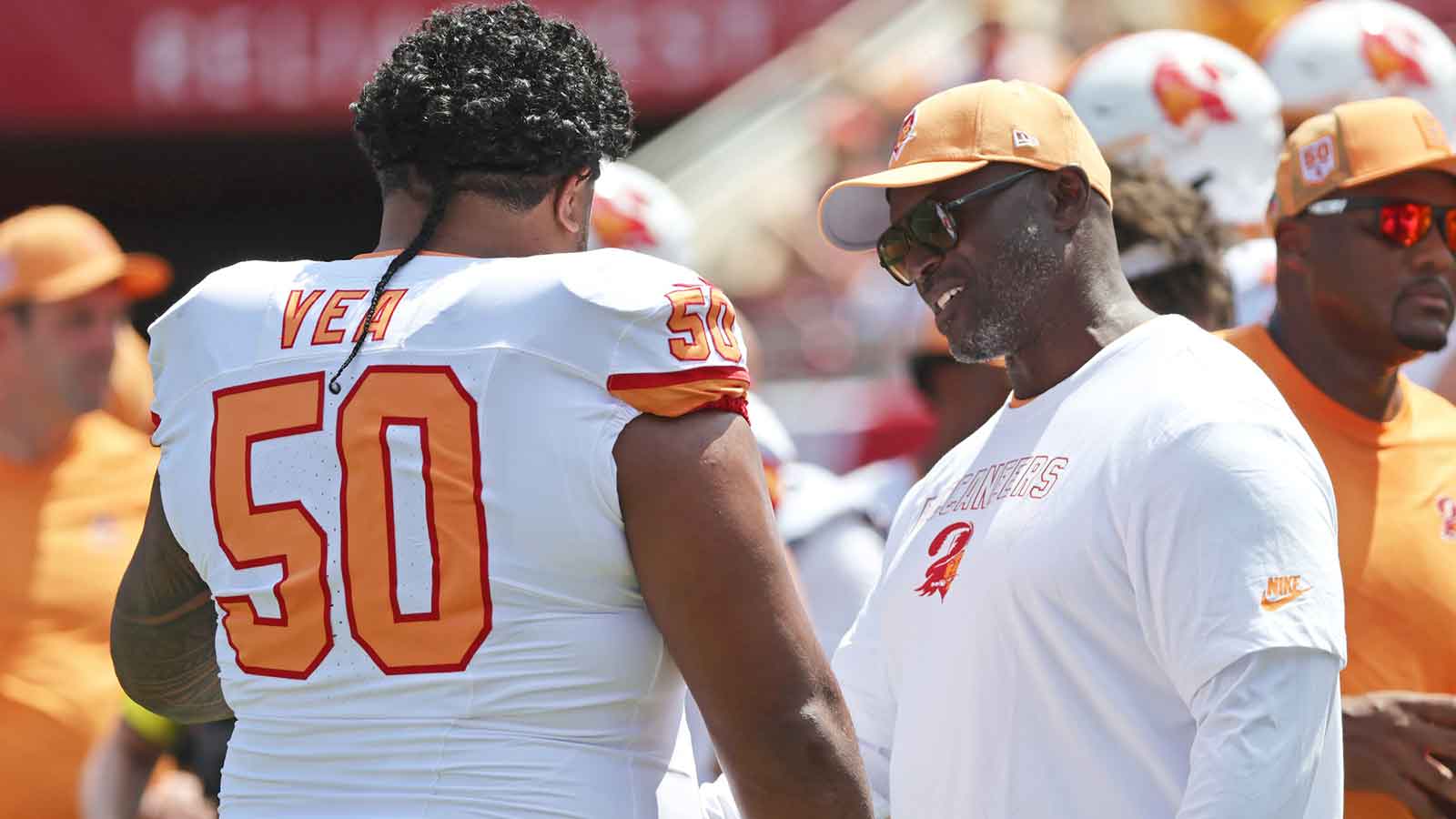
Todd Bowles’ defense was long considered the team’s backbone. Sadly, the defense regressed noticeably. Tampa Bay finished 19th in total defense and struggled to generate consistent disruption. It was a stark contrast from the havoc-driven units of previous years. Meanwhile, Baker Mayfield and the offense did enough to stay competitive. However, the team unraveled late. They lost seven of their final eight games. It was disappointing and revealing. The Buccaneers weren’t one or two plays away. They were one or two pillars short.
Free agency raised more questions
When free agency opened, many expected Tampa Bay to respond aggressively. Instead, general manager Jason Licht took a measured, almost conservative approach. They prioritized stability over star power.
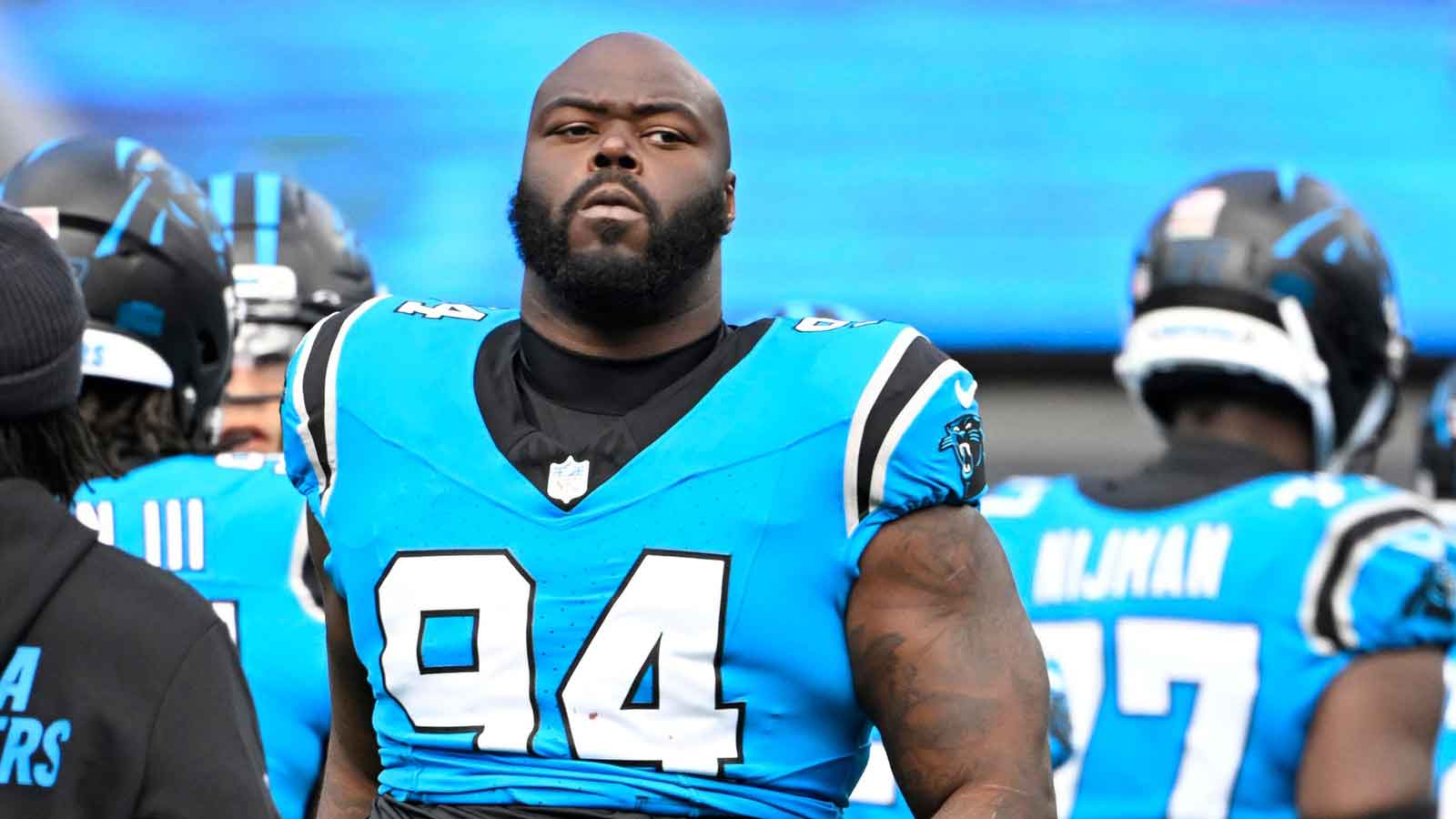
The Buccaneers added Jake Browning as a reliable backup quarterback and brought in Kenneth Gainwell to complement Bucky Irving in the backfield. Defensively, veteran linebacker Alex Anzalone was signed to provide leadership. Meanwhile, A’Shawn Robinson bolstered the interior line with size and experience.
On paper, these are sensible moves. They raise the floor of the roster and add depth. They should also bring professionalism.
However, they don’t change games.
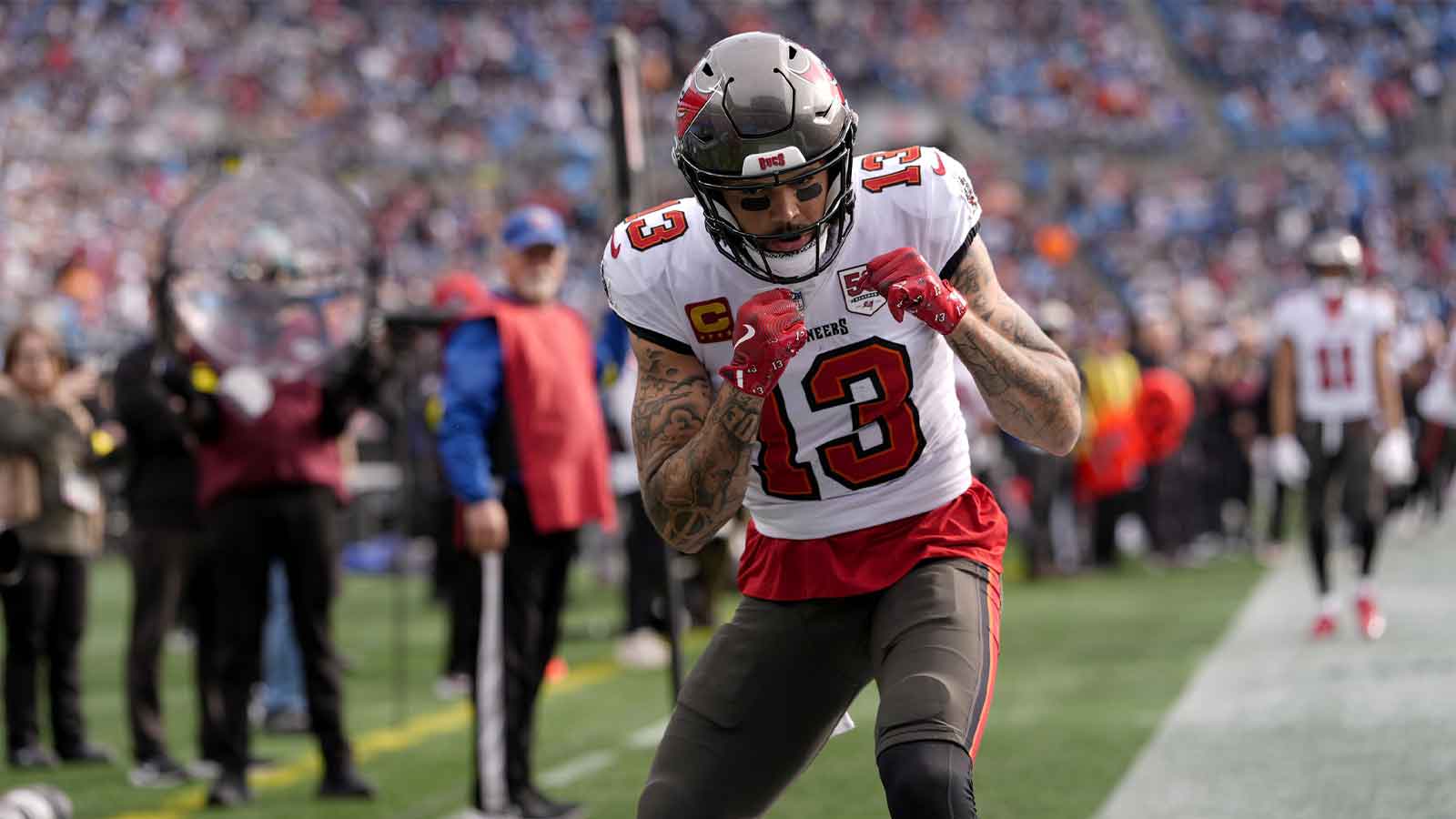
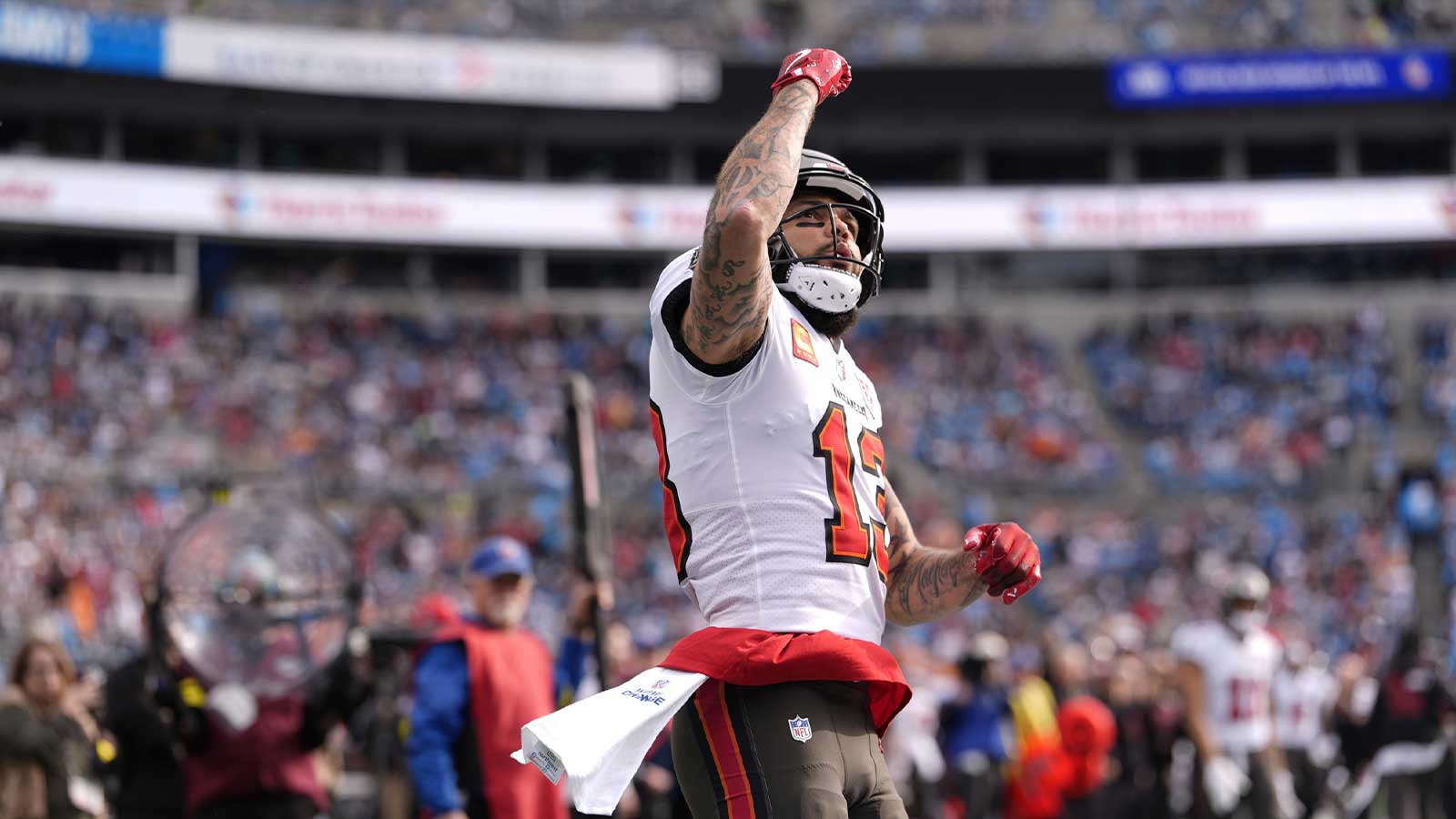
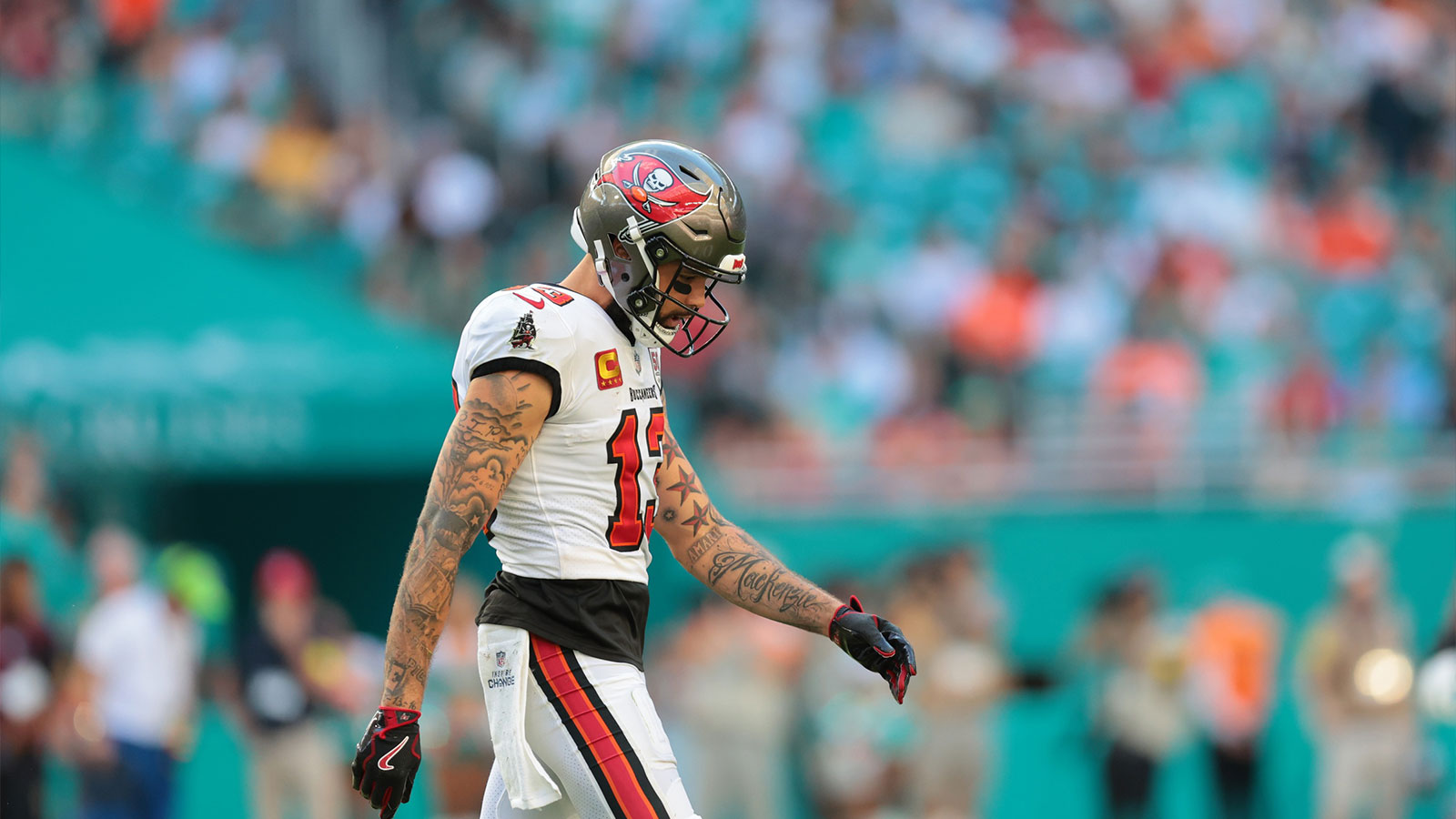
That's the real issue. By allowing cornerstone players like Mike Evans and Jamel Dean to walk, Tampa Bay didn’t just lose production. They lost presence. They traded impact for insurance. Of course, insurance is valuable. Still, it doesn’t win you critical downs in January. The Buccaneers didn’t fail in free agency but simply stopped short of solving their biggest problem.
Missing piece
For all the additions and adjustments, Tampa Bay’s most glaring need remains untouched: a dominant edge rusher.
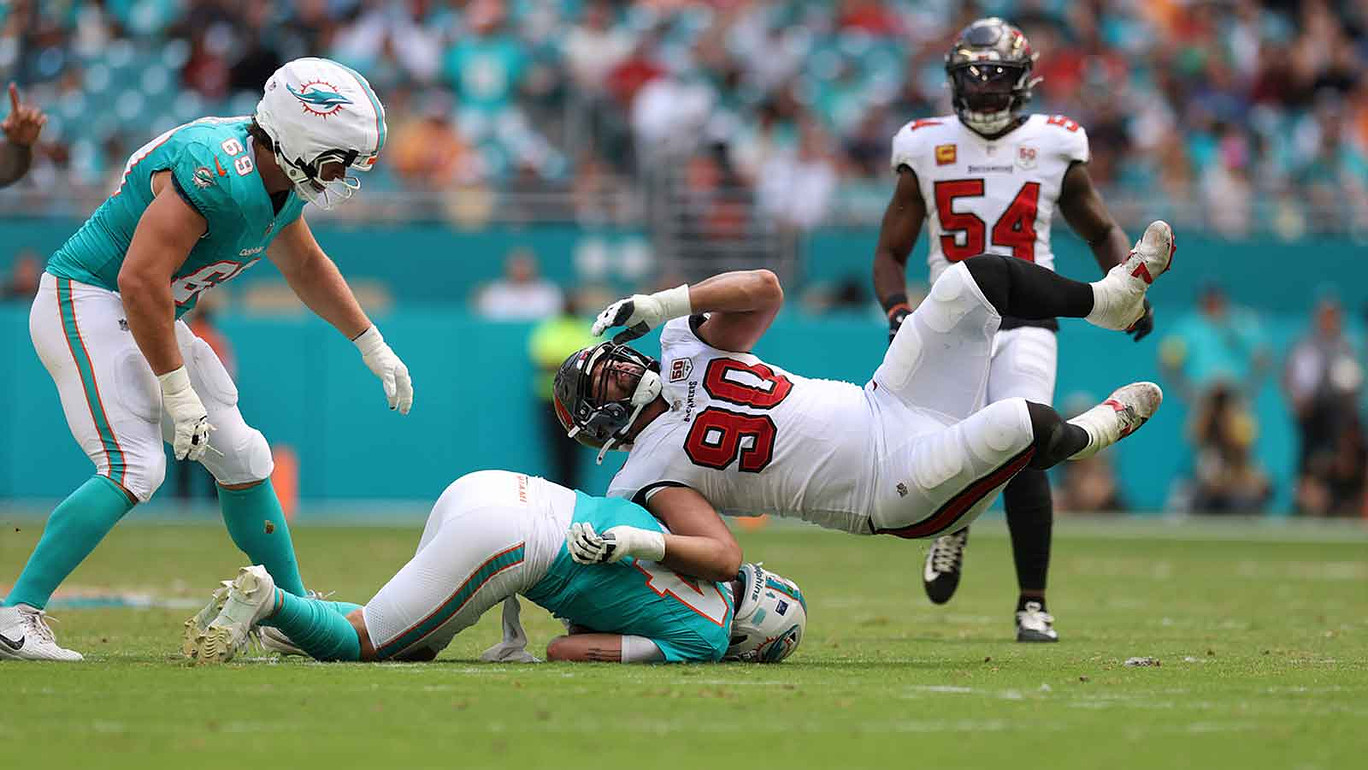
Last season, the Buccaneers recorded a respectable 38 sacks. However, the distribution tells the real story. Much of that pressure came from interior linemen and blitz packages rather than from the edges. Opposing offenses no longer feared Tampa Bay’s outside rush. In today’s pass-first NFL, that’s a fundamental weakness.
Without a consistent edge threat, Bowles was forced to dial up pressure through scheme rather than personnel. That meant more blitzing, more exposure in the secondary, and ultimately, more late-game breakdowns. It’s no coincidence that Tampa Bay’s most painful losses in 2025 came when quarterbacks had time to operate in clean pockets.
The addition of Al-Quadin Muhammad offers depth, but he is not the solution. He is a rotational piece, not a game-wrecker. What Tampa Bay needs is someone offenses must account for on every snap.They need a player who collapses the pocket, disrupts timing, and forces mistakes.
Until that player is on the roster, the defense remains incomplete.
Look to the draft
That reality makes the Buccaneers’ approach to the 2026 NFL Draft crystal clear. Holding the No. 15 overall pick, Tampa Bay is in prime position to land a high-impact edge defender. That's exactly the type of player free agency failed to provide.
Prospects like Texas A&M’s Cashius Howell and Miami's Akheem Mesidor have already been linked to the Buccaneers. It's easy to see why. These are explosive, high-motor defenders who bring immediate juice off the edge. They don’t need heavy scheming to be effective. They win one-on-one, and that’s what Tampa Bay desperately lacks.
The temptation will be there to address other needs like adding another interior defender or a versatile linebacker. This is not the time for caution or “safe” picks, though.
This is the time to swing.
Because landing a true edge rusher can transform the entire defense. It allows Bowles to be more selective with his blitzes. That protects a secondary that is already adjusting to key departures. It changes how offenses game-plan against Tampa Bay.
It gives the defense its identity back.
Defining decision
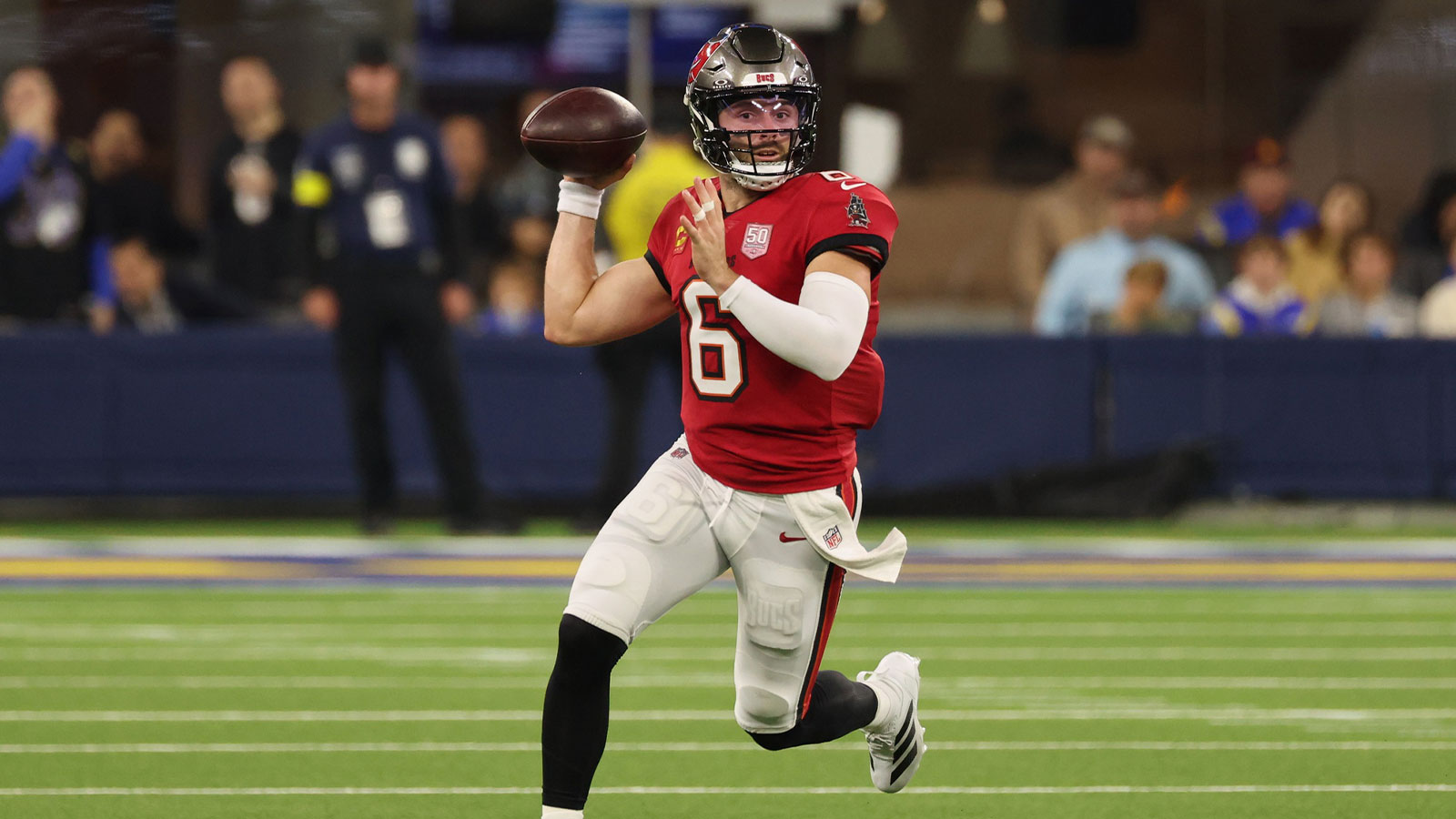
The Buccaneers have done enough this offseason to remain competitive. However, competing and contending are two very different things.
Right now, Tampa Bay is too talented to rebuild but not quite complete enough to challenge the NFC’s elite. The 2026 NFL Draft is their opportunity to bridge that gap.
If Jason Licht finds the right edge rusher, the narrative shifts instantly. The free agency moves start to make sense as complementary pieces rather than incomplete solutions. The defense regains its bite. Tampa Bay regains its edge.
If he doesn’t, the Buccaneers risk repeating the same frustrating cycle. They will have close games, late collapses, and a defense that can’t quite finish what it starts.
The need is obvious and opportunity is right there. Now comes the hard part: getting it right.