The football season is officially over, and as we move into the beginning of basketball season, I have a confession to make: I barely realized the Chris Paul HBCU Classic was happening this past weekend. When the classic first announced its move to Atlanta, I thought it was a brilliant strategic play. I even wrote about it! Atlanta is a nexus point for our institutions and a massive hub for alumni. But between the fallout of the Celebration Bowl and the fervent coaching cycle surrounding Quinn Gray’s move to Florida A&M, HBCU basketball has felt like an afterthought.
I wasn’t the only one who missed it. As I took a break from social media and listened to various HBCU-based podcasts, I realized there was a general lack of awareness that the event was even happening. This wasn’t a small-time local tournament; it featured the reigning MEAC champion in Norfolk State, an up-and-coming SWAC powerhouse in Grambling led by Patrick Crarey III, and high-level Division II programs like Clark Atlanta, Morehouse, and Tuskegee. Yet, if you looked at the games on ESPNU or ESPN+, the arena was sparsely populated.
This leads to a broader, more uncomfortable conversation about how basketball fits into the lore of HBCU sports. During Celebration Bowl weekend, some lamented a supposed drop in attendance, but the reality is that the game drew over 26,000 people to Mercedes-Benz Stadium and averaged 2.4 million viewers on ABC. In HBCU football, attendance and visibility aren't the primary issues. In basketball, however, the sport frequently feels like a secondary priority.
I say this as someone who loves basketball more than any other sport. I treat the NBA as if I’m a member of the front office, yet even I don’t see the same luster or fanfare around our hoops culture as I do for football. Some of this is baked in the cake of American society; we live in a culture, especially in the South, where college football reigns supreme. But the gap in popularity and organizational structure between the two sports is a massive gulf that shouldn't be this wide.
HBCU basketball culture has every reason to be great
Basketball actually operates for a longer duration than football, providing more opportunities for neutral-site games and unique matchups between the MEAC, SWAC, CIAA, and SIAC. During my time at Fort Valley State, I saw the potential. Basketball homecomings felt just as packed and fervent as the football games. The energy was there. So why doesn't that energy translate to the national stage?
What befalls HBCU basketball is a lack of marketing and accessibility. Football feels “big” because of the aggressive coverage surrounding everything from rivalry games to coaching carousels. Basketball has had equally compelling storylines that simply went under the radar. We saw Larry Vickers leave Norfolk State for an SEC job at Auburn, and Tomekia Reed dominated the SWAC before heading to Charlotte. Even the recent coaching shuffle—Donte Jackson leaving Grambling for Alabama A&M, and Patrick Crarey III taking the Grambling job after a stellar season at FAMU, leading to former Florida State great Charlie Ward taking over the Rattlers—was a “football-esque” carousel. Yet, were people on the edge of their seats for those moves the way they are for Quinn Gray?
The marketing needs to sell the stakes of these games. We need better out-of-conference scheduling to build intrigue before January in-conference play hits.
Where's the promotion for HBCU women's basketball?
I also don't understand why we are missing the boat on the women's basketball boom. While the sports world obsesses over stars like Caitlin Clark and Angel Reese, HBCU basketball had its own stars like Norfolk State basketball alumna Diamond Johnson. Johnson was a five-star recruit, ranked as the number six prospect in a class that featured Cameron Brink, Paige Bueckers, and even Caitlin Clark and Angel Reese themselves. If a football coach secured the number six player in the country, it would be national news, a la Deion Sanders and Travis Hunter in 2021. In basketball, these stories aren't being told.
And why aren’t we seeing the best HBCU women’s basketball teams face off in these neutral-site games? We’re approaching 2026. Why is it that the neutral site basketball games only feature men’s teams? Why weren’t we able to see Larry Vickers’s Norfolk State Lady Spartans vs. Tomeika Reed’s Jackson State Lady Tigers before both departed for FBS jobs? That’s a matchup that would’ve garnered a lot of traction and attention across the college basketball world. They eventually ended up facing off in an, ironically enough, early out-of-conference matchup this season on November 3rd in which Vickers’ Auburn won over Reed’s Charlotte 71-58.
The Chris Paul Classic is symptomatic of the issues in HBCU basketball
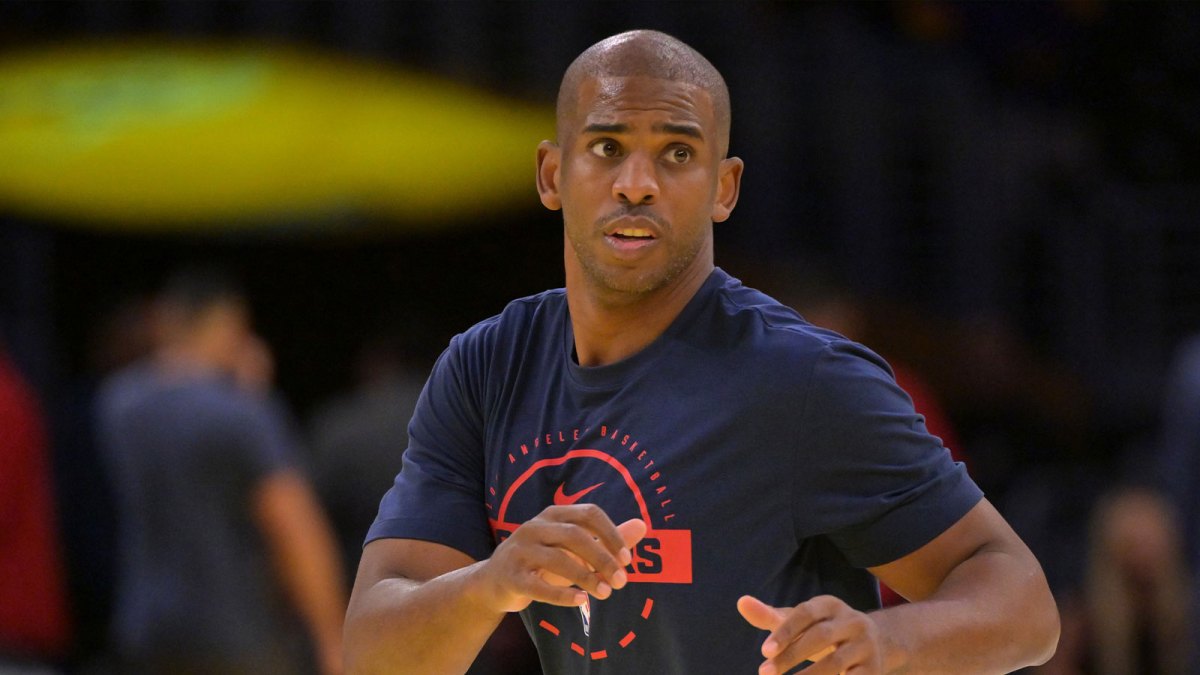
The Chris Paul HBCU Classic is a microcosm of these issues. While it is great to have Chris Paul’s name attached to the event, his name alone is not enough. His involvement should be the key that opens doors to better media deals and partnerships. Why were these games buried on ESPN+ or hidden on ESPNU, which many households don't have? As TNT looks to fill its portfolio after losing NBA rights and are expanding into college sports rights, why wasn't a partnership explored there?
The current reliance on ESPN as the primary rights holder feels like it’s failing the sport. While ESPN+ provides more accessibility than we had a decade ago, it lacks the promotional “windows” that football enjoys. We see the MEAC/SWAC Challenge and the Celebration Bowl on ABC, but basketball is consistently relegated to the digital basement or cable channels that don’t have the expansive reach like CBS Sports Network and ESPNU.
Why couldn't the Chris Paul HBCU Classic and similar events take their cues from the CIAA Tournament? The CIAA Tournament is ingrained in black culture in a huge way. It's succeeded in both Charlotte, North Carolina, and now Baltimore, Maryland. Sure, it's an end-of-season tournament to crown the CIAA champion and a potential participant in the NCAA Division II playoffs, but it's earned a football-classic-esque fervor largely due to the extracurricular events surrounding the tournament. And the basketball is surely high-level.
We must do better by HBCU basketball
There is no basketball equivalent to the Celebration Bowl, and while the financial incentives for making March Madness are different and very beneficial to HBCU teams, we are losing the cultural opportunity that a massive, well-promoted event represents. We have to be inventive in promoting this sport. Basketball is intrinsically inclusive, with women’s athletics ready-made to capture the growing market share of women’s sports.
It is incumbent upon media companies, journalists, event organizers, and the schools themselves to reinvigorate HBCU hoops. We have the talent and the stories; we just need the marketing and the effort to match the brilliance of the game.