
Late Tuesday night, outfielder Luis Robert was traded as the New York Mets and Chicago White Sox completed a deal that reshapes both teams’ timelines. The move sends the slugging outfielder into a new environment that highlights advantages for one organization and necessity for the other.
When the Mets acquired Robert, the response around the league was immediate. This was not a routine roster adjustment or a short-term patch. It was a calculated swing at elite talent without disrupting the foundation of the roster. That reality explains why the Mets trade grade settles at an A- and why this MLB blockbuster carries meaningful long-term implications.
For New York, the logic behind the move is straightforward. The Mets bought low on a player who still owns top-tier tools across the board. Robert struggled during the 2025 season, but his value never collapsed inside front offices. He remained an elite defender in center field, his speed stayed intact, and his raw power never disappeared. The trade grade rises because the acquisition cost barely touched the organization’s long-term future.
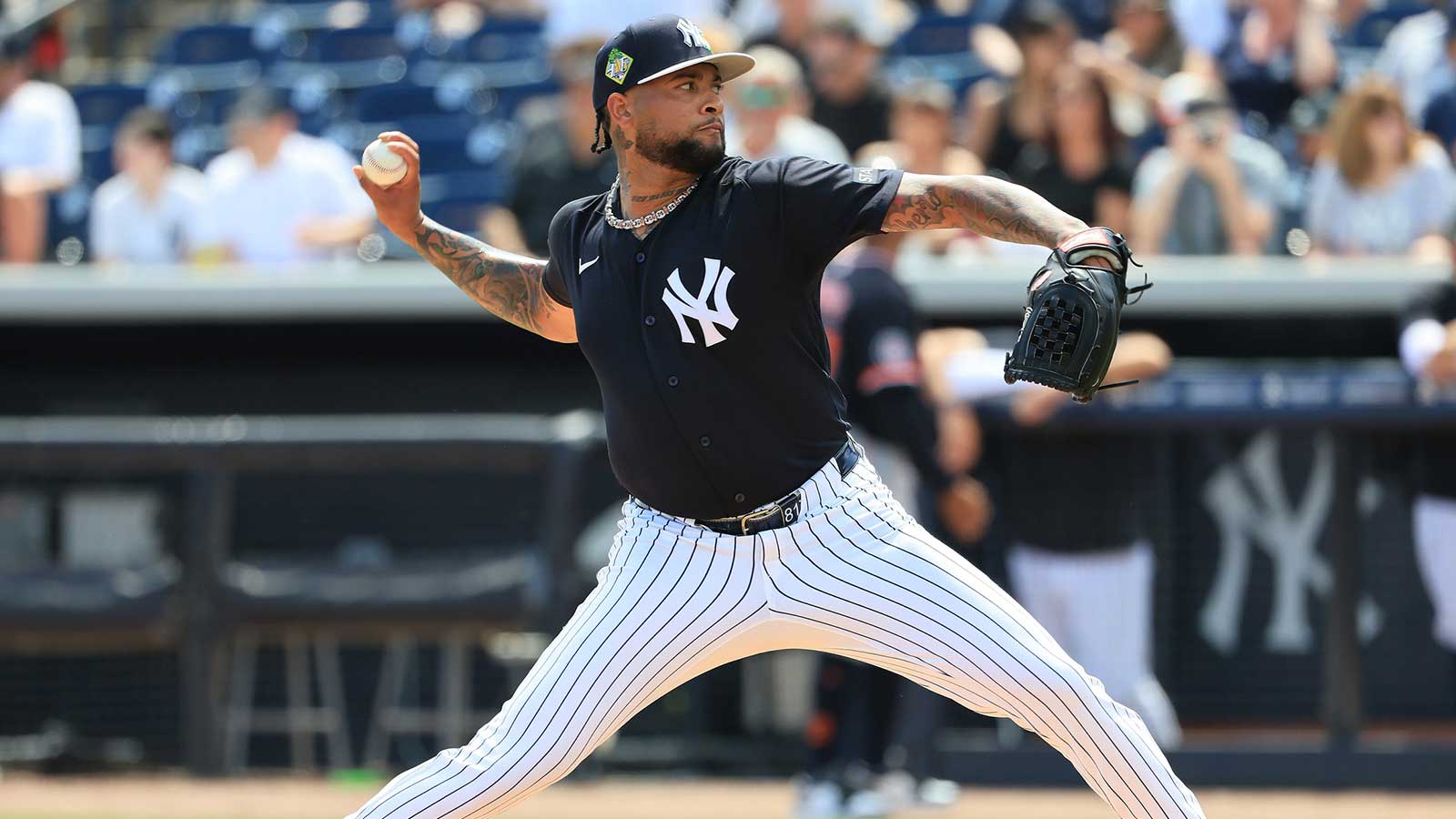
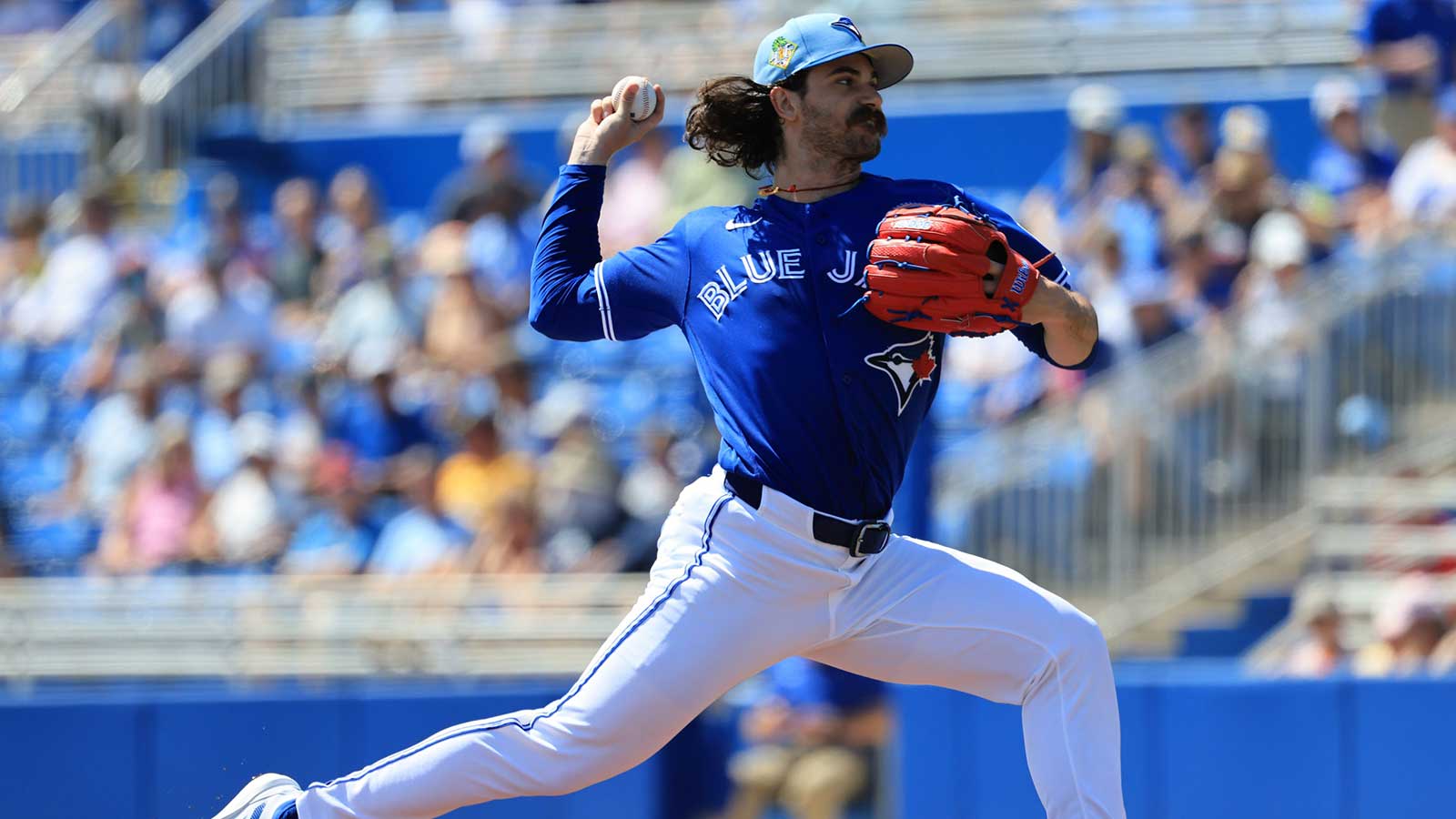
Luisangel Acuna arrives to Chicago in the deal following a difficult major league debut. His on-base profile cratered, and his lack of power limited his immediate ceiling. Additionally, pitcher Truman Pauley profiles as a developmental arm rather than a rotation lock for the White Sox. Front offices win on the margins by transforming those two assets into Robert, and New York capitalized on timing and leverage.
The fit in Queens is what elevates the deal beyond pure value. With the White Sox, Robert carried the lineup nightly. Pitchers worked around him, sequencing carefully and avoiding mistakes. With the Mets, he slides into a lineup built with protection from top to bottom. That changes pitch selection, run production, and overall confidence. The Mets do not need him to be a savior, they need him to be dangerous.
Defensively, the 28-year-old outfielder stabilizes center field immediately following the departure of Brandon Nimmo. Robert's stability creates roster flexibility and allows for patience with prospects throughout the system. The Mets no longer need to rush young players or overextend bench depth. That hidden value often goes unnoticed, but it quietly pushes the Mets' trade grade even higher.
Chicago approached the move from a unique perspective. The White Sox trade grade lands at a B- because timing worked against them. Two seasons ago, Robert could have netted elite prospects and altered the organization’s trajectory. After injuries and a down year, that leverage disappeared. Payroll control and an attempt to reset timelines largely drove the decision.
Trading the 2023 Silver Slugger, who had a career-low offensive season, exemplifies the concept of selling low. The White Sox cleared future salary obligations but failed to secure a franchise-altering return. Acuna contributes speed and athleticism, but his bat is still uncertain. Pauley represents projection rather than certainty, a common outcome when dealing from a position of limited leverage.
Context matters. Chicago has recently signaled a desire to compete sooner rather than later. Trading an established star for depth pieces conflicts with that message. The White Sox trade grade reflects that contradiction more than the individual players involved.
Ultimately, the Mets emerged victorious in this MLB blockbuster. Chicago gained flexibility without clarity, while New York acquired upside without any sacrifice. Robert now steps into a situation designed to revive his production rather than demand it.