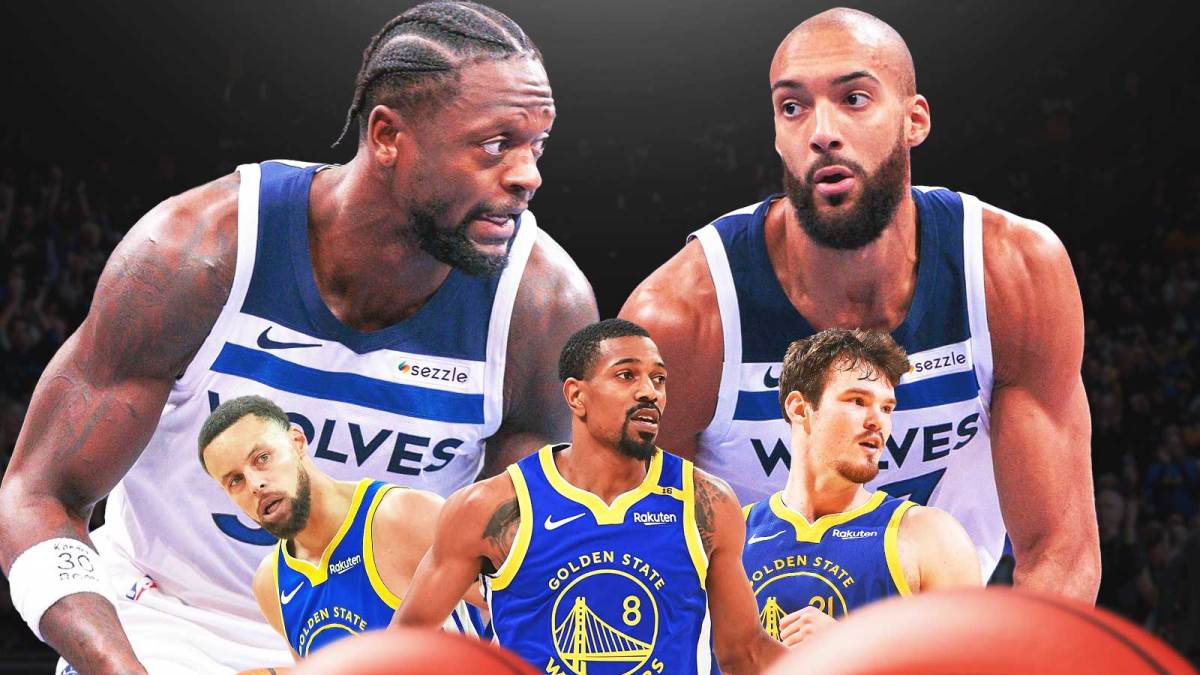
SAN FRANCISCO, CA– The NBA is a make-or-miss league.
You can play well, find good performances up and down the rotation, get a vintage 39-point Steph Curry performance in his first game back, and still have nothing to show for it all because of a couple of bad stretches of basketball at inopportune times.
The fourth quarter of the Golden State Warriors' 127-120 loss to the Minnesota Timberwolves, who were without their star guard, Anthony Edwards, was a textbook example of that. Here are three takeaways from the Dubs' narrow loss to the Ant-less T-Wolves.
Timberwolves made more plays when it really counted
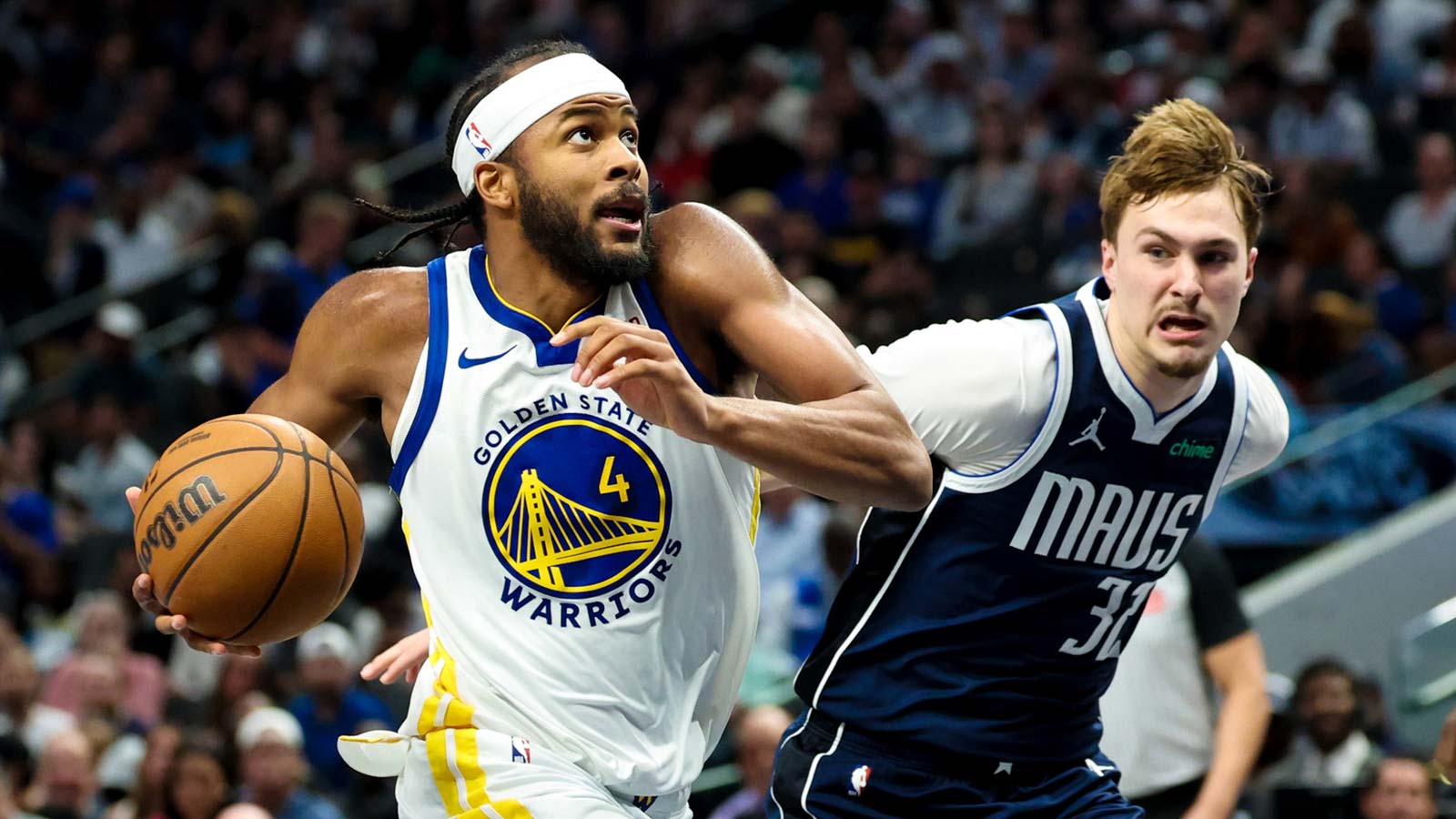
The headline should not be Quinten Post's unfortunate wide-open missed three from the corner that would have put them up two with a minute to play, a shot where he had all the time in the world to line up the seams of the basketball. One bad play, can't hold it over on him; other factors contributed to the loss.
But that shot is representative of why the Timberwolves pulled this one out and why the Warriors didn't. The T-Wolves made plays when it mattered, and the Dubs didn't.
Look no further than the T-Wolves' 17-0 run from the 10:26 mark to 5:50 left in the fourth quarter. The Warriors missed nine straight shots in that run. Meanwhile, Rudy Gobert inhaled every rebound and every lob that came his way in that stretch. He collected 12 of his 24 points and six of his 14 rebounds in the fourth quarter.
And while Curry's hot shooting would get them back in the game, even taking the lead at one point late in the fourth, they put themselves into a position where they were at the mercy of Donte DiVincenzo's clutch shotmaking. One three to tie the game and another to put the T-Wolves up five with 28.3 left in the game.
That's just how it works. Post's solid 16 points and six rebounds will be forgotten because of one missed shot. Is that fair? Probably not. But again, in a make-or-miss league, making plays when it counts matters. Especially for a team trying to climb the Western Conference standings. That's the lesson here for the Dubs, and De'Anthony Melton summarized it best.
“We just got to capitalize,” Melton said after the game. “We lost the rebounding battle by two, which is not the end of the world, but, I mean, it's a game of possessions. You just figure out what went wrong and take those plays out, and see where it goes from there.”
Asked De’Anthony Melton how the Dubs balance the good takeaways from this game with the end result being a loss:
“We just got to capitalize. We lost the rebounding battle by two, which is not the worst thing in the world but I mean, it’s a game of possessions.” pic.twitter.com/mhQAm74udA
— Kenzo Fukuda (@kenzofuku) December 13, 2025
The Steph Curry-Pat Spencer backcourt has some legs
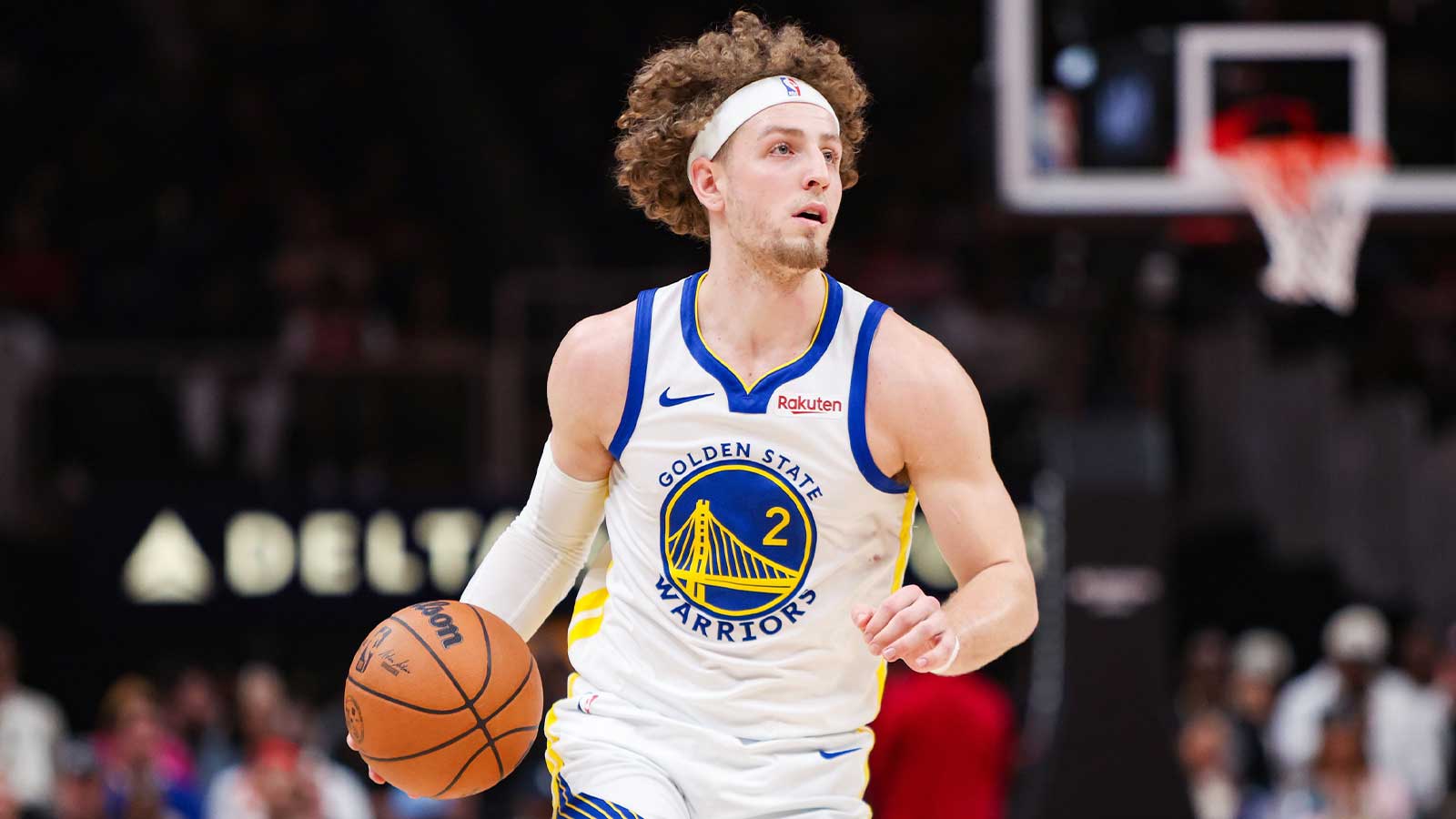
Curry can kinda make it work with anyone Steve Kerr puts next to him. But the way he and Pat Spencer looked together, with Kerr giving the two-way contracted guard the starting nod, looked far more cohesive and sustainable than the theoretical thought process Kerr hinted at earlier this week.
Spencer allowed the Warriors to comfortably run Curry off-ball while still having someone to direct traffic with his playmaking abilities. The ball moved well with Curry and Spencer taking turns at point; it had that energy Curry always talks about when envisioning the Dubs' offense firing on all cylinders. Kerr also pointed to the Dubs taking care of the ball relatively well because the low-turnover Spencer had the ball more.
After the game, Curry pulled out a throwback comparison for how it felt playing next to a ballhandler like Spencer.
“It's reminiscent, for me, like Jarrett Jack back in the day. A guy that can just handle the ball,” Curry explained. “I was off the ball a lot in the first quarter, and on purpose. With full confidence, he can initiate the offense. I can get some off-ball actions, and he knows how to move the ball… We haven't played [together] much this year, but anybody who has high IQ, I can play next to.”
It wasn't a perfect combo. Minnesota's size gave 6-3 and 6-2 guards some trouble. And Spencer missed some open threes when given the opportunity, which prompted Kerr to go with Melton in the closing lineup. Spencer will need to knock down those kinds of shots if the Dubs are to use him next to Curry more; Kerr's been adamant about that caveat of using this duo.
But the Curry-Spencer duo is certainly viable, and may quietly be one of their better backcourt duos among the possible combinations.
The feel for the rotation remains a little uncertain
While everyone who got minutes played pretty well, the Warriors are kind of suffering from having too many options. Yes, it's nice to be able to pull a guy like Gui Santos or Trayce Jackson-Davis off the bench if the matchup calls for it. But there's something to be said about how difficult it is to gauge what works well when guys are being rotated in and out like hockey substitutions.
This team has been vocal about the struggles of cementing an identity. They sort of found one on the three-game road trip, when the rotation simplified due to injuries and load management.
But during the T-Wolves' 17-0 run, Kerr made six substitutions in search of something to break the drought, which really only ended because Curry went on a flurry. It's hard to plug in guys when they're playing in combinations they've only barely seen time in. And while players like Melton and Moses Moody flashed encouraging signs when placed in the closing lineup, it was in the absence of Draymond Green and Al Horford.
Compare that to the Timberwolves, who, despite missing Edwards, have the shared battle scars and the chemistry to muscle away a close game. Curry alluded to it post-game: DiVincenzo, Gobert, Julius Randle, Naz Reid, Jaden McDaniels, those guys know how to play with each other. With the Warriors, everything feels cobbled together, even when the ball is moving and shots are falling.
The point being, what does the rotation look like when those guys come back?
Kerr went 11 deep tonight, with Jonathan Kuminga, Seth Curry, and Will Richard catching DNPs. When Green and Horford return to the mix, it's hard not to see other guys get bumped down the rotation. Going 11 deep isn't sustainable for a contending team.
Maybe that's a consequence of dealing with injuries and fielding an older team, but there probably needs to be a consolidation in the rotation. It's still early, only 25 games into the season, but things need to solidify before it's too late.