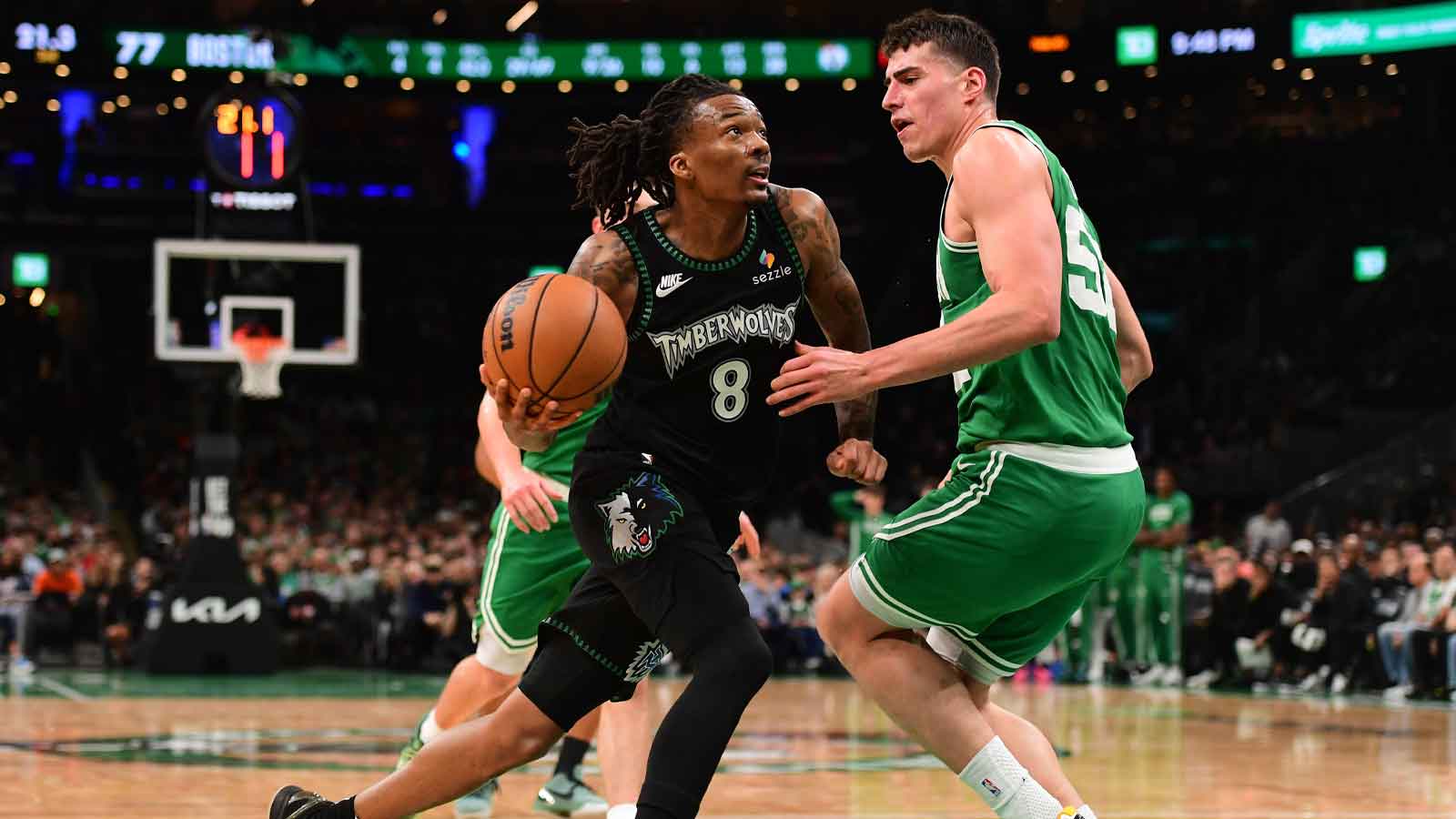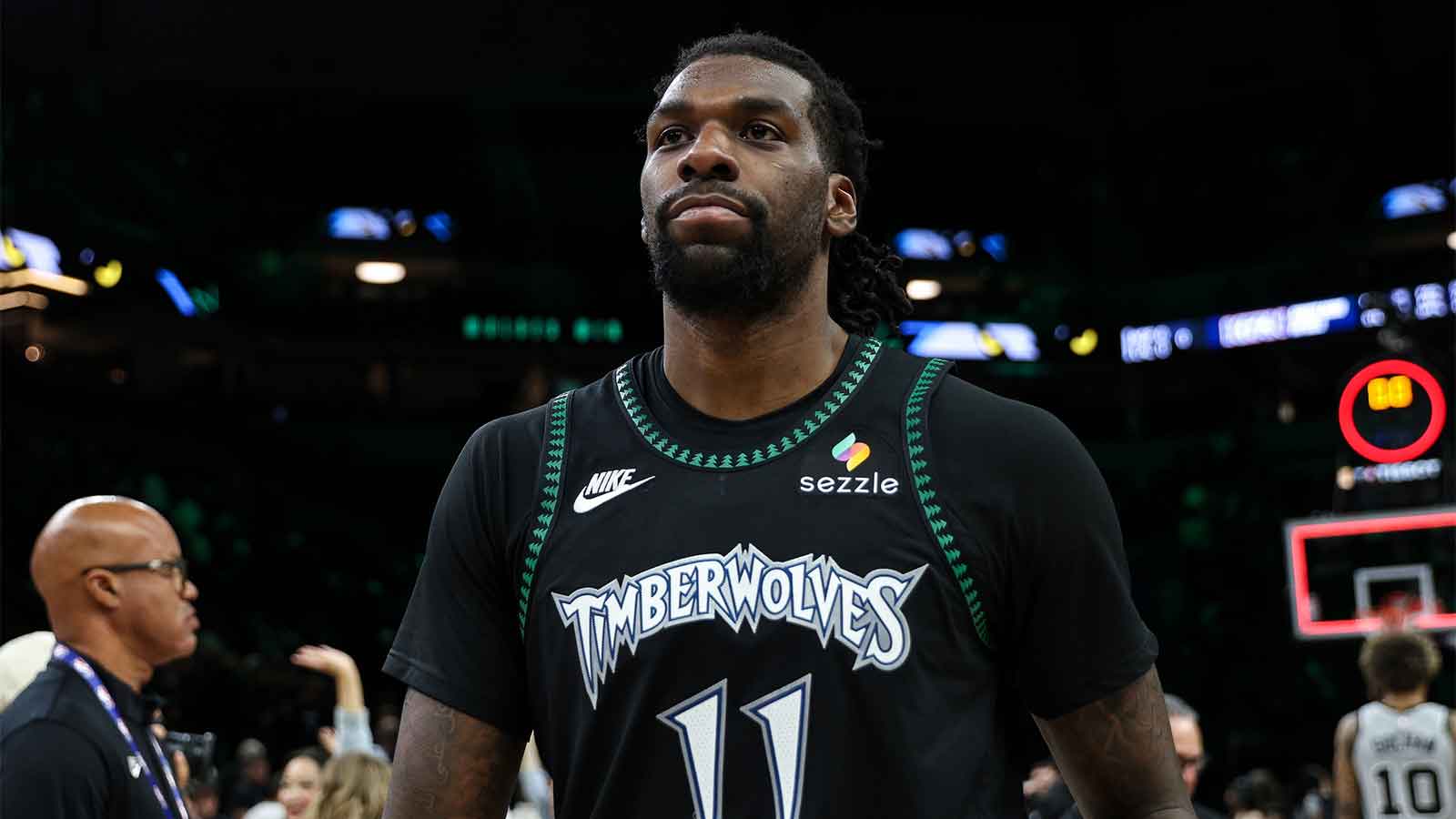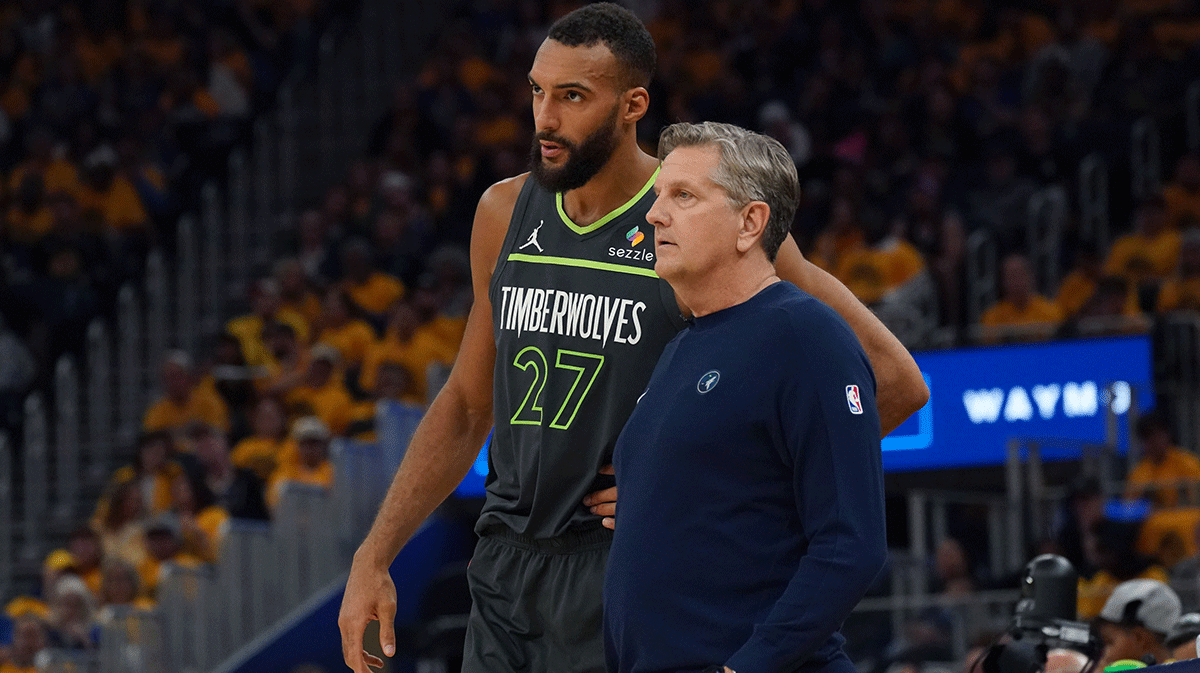

The Minnesota Timberwolves have spent the 2025-26 season proving they belong among the Western Conference elite. As the playoffs approach, though, the conversation is no longer about validation but survival. In the West, seeding isn’t just positioning but destiny. For Minnesota, the wrong draw could turn a championship-caliber season into an exhausting, short-lived grind.
Defense, identity, and star power
To understand the gravity of Minnesota’s current position, one must look at the roller-coaster journey that has defined their campaign. Sitting around 45-29 in late March, the Timberwolves have firmly planted themselves as a top-five team in the West. They are anchored by one of the league’s most suffocating defenses. Under Chris Finch, this group has crafted an identity that travels well, at least in theory.
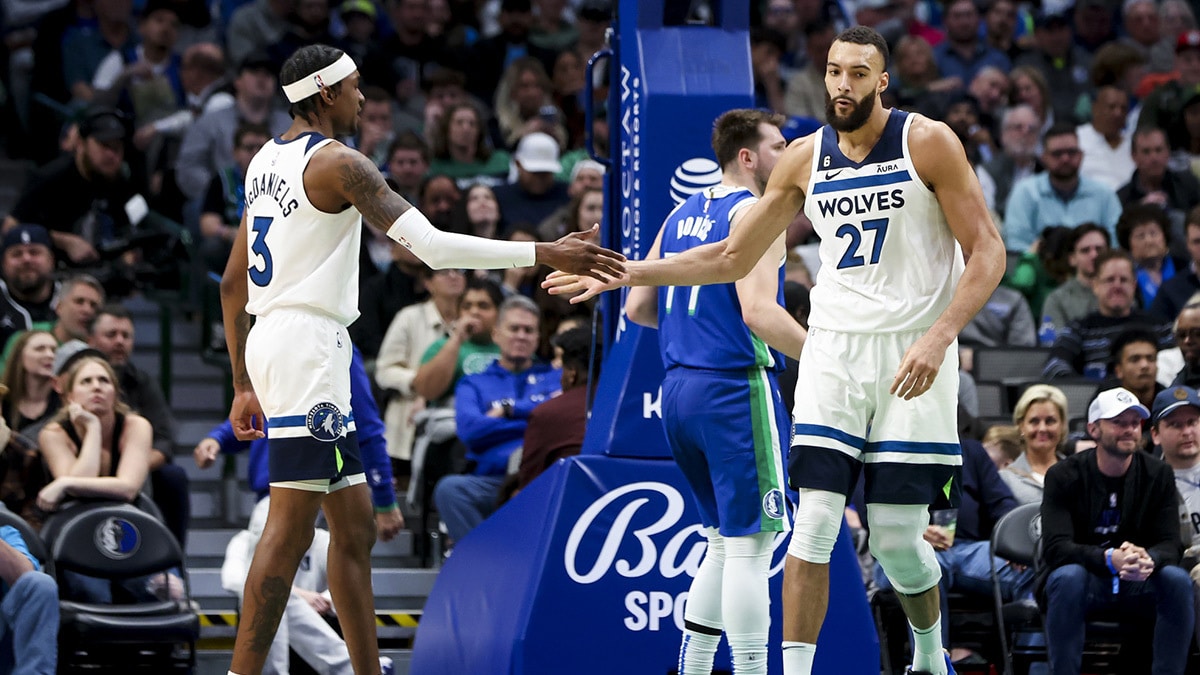
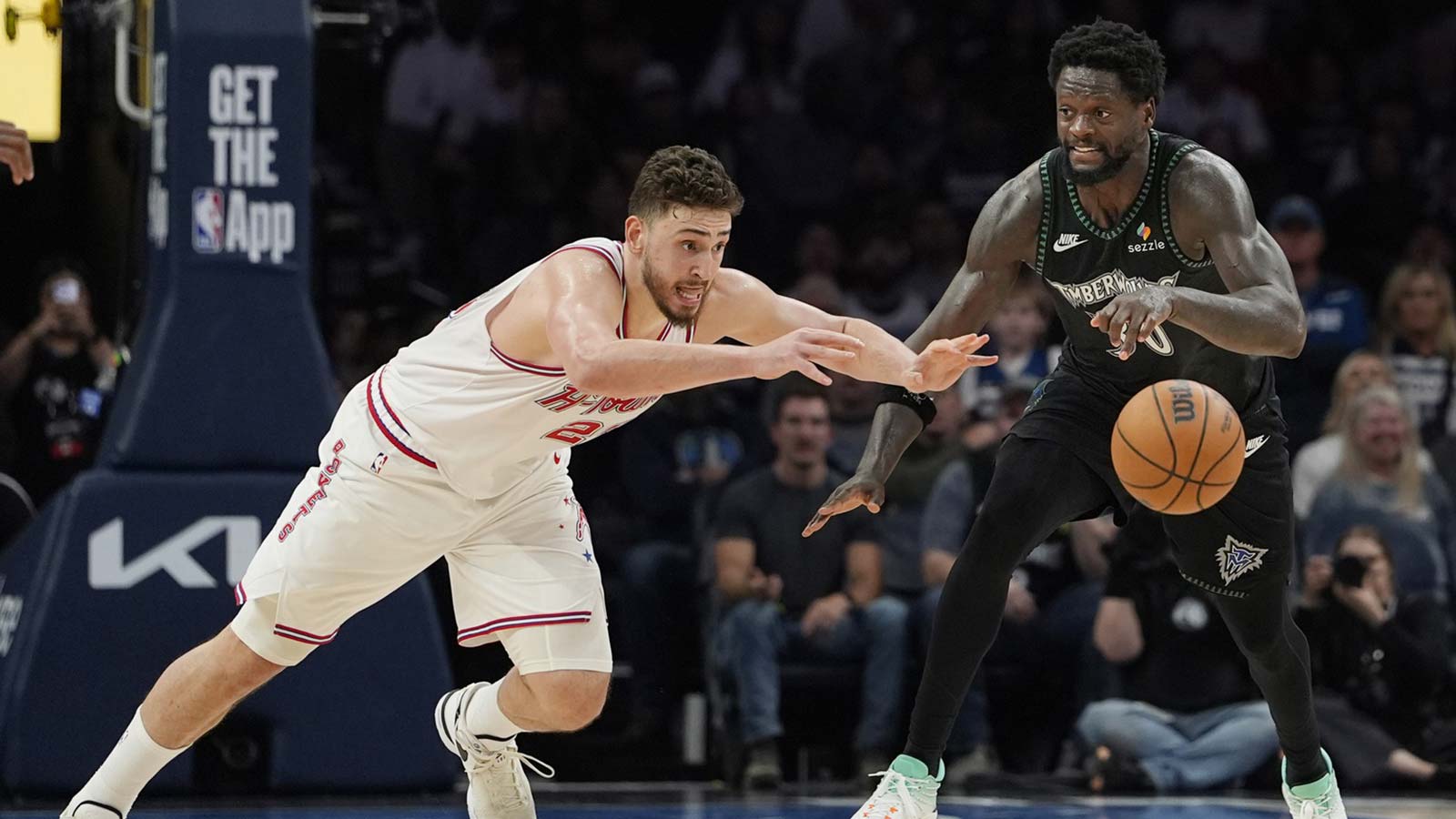
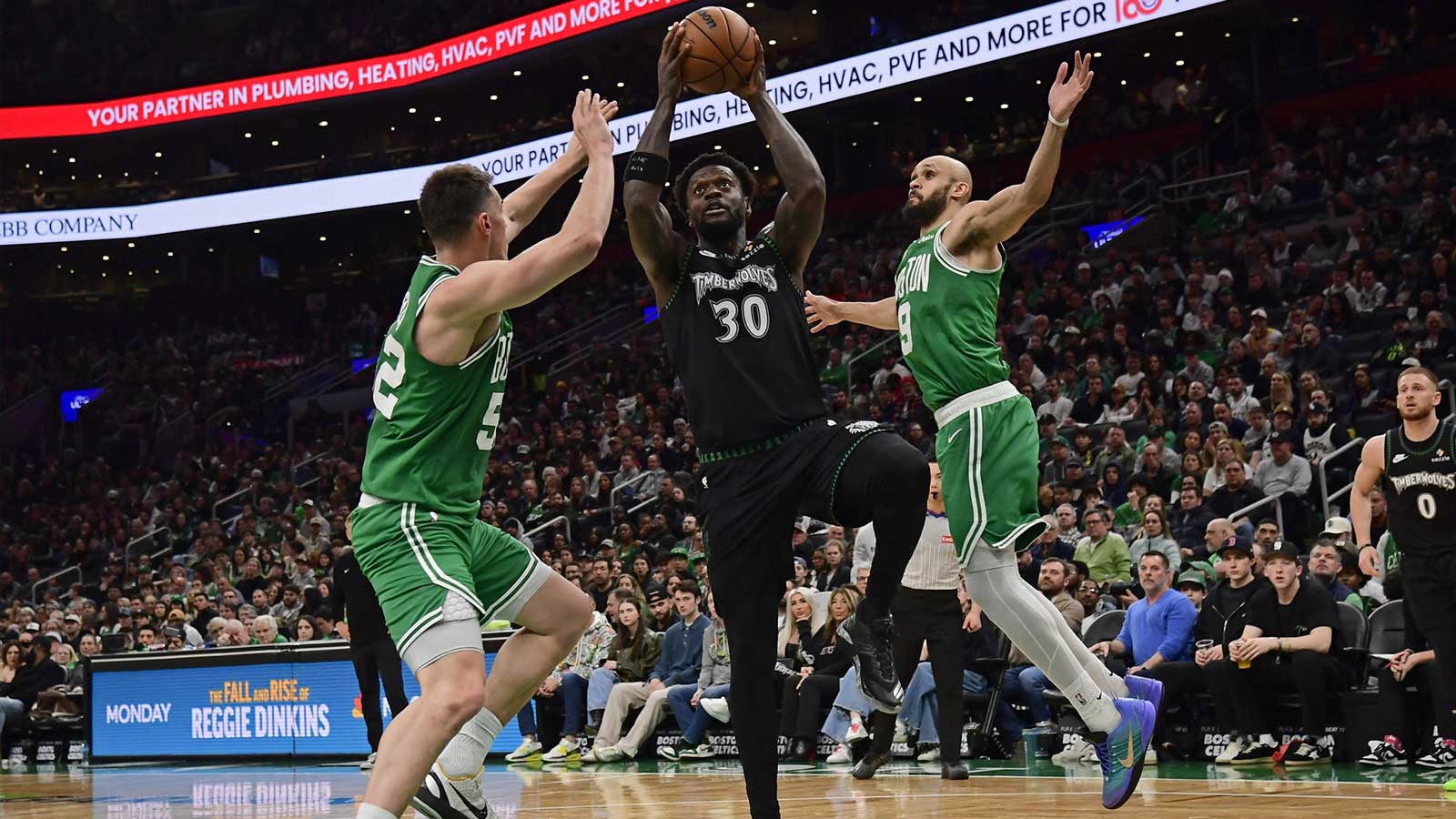
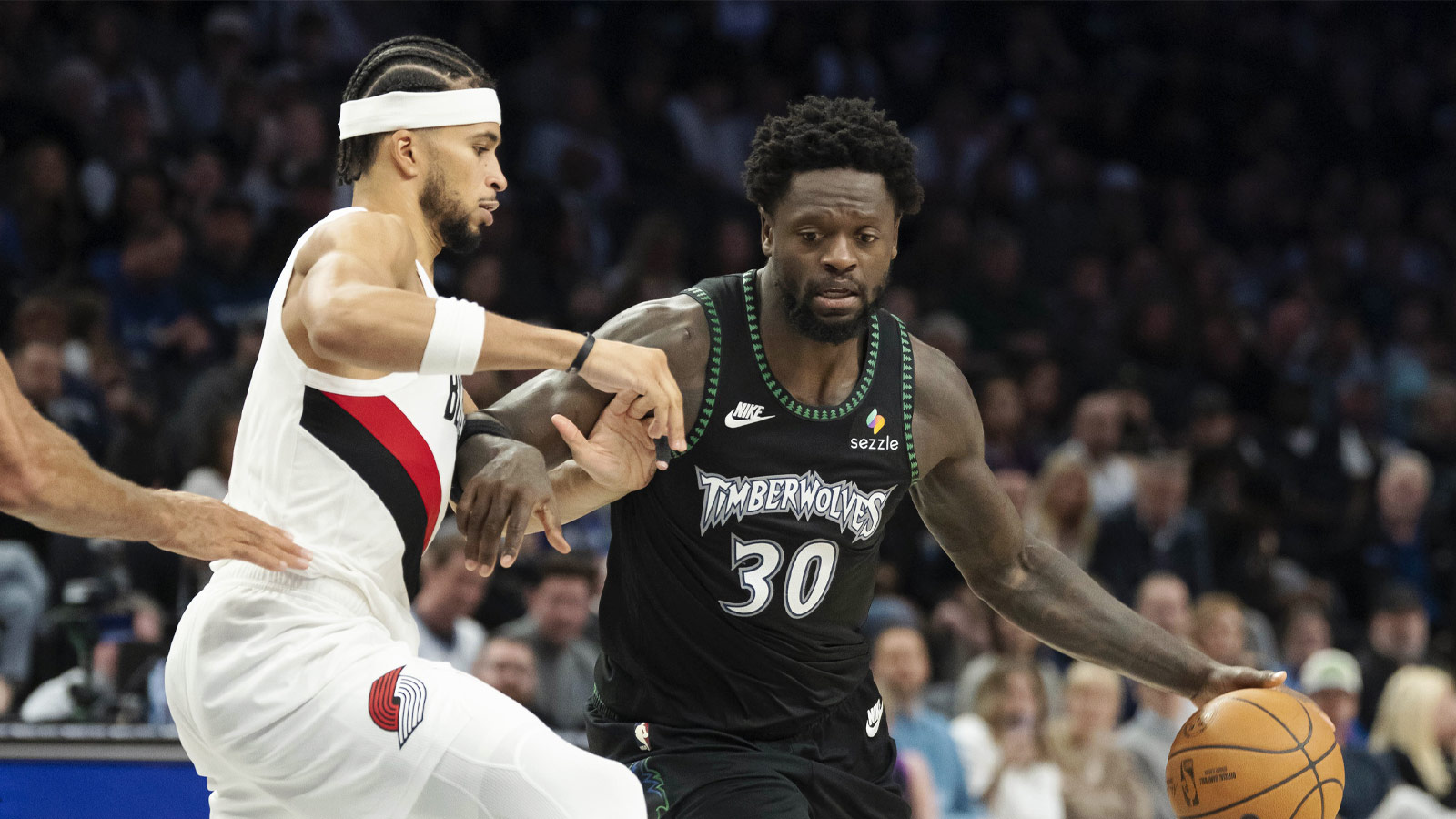
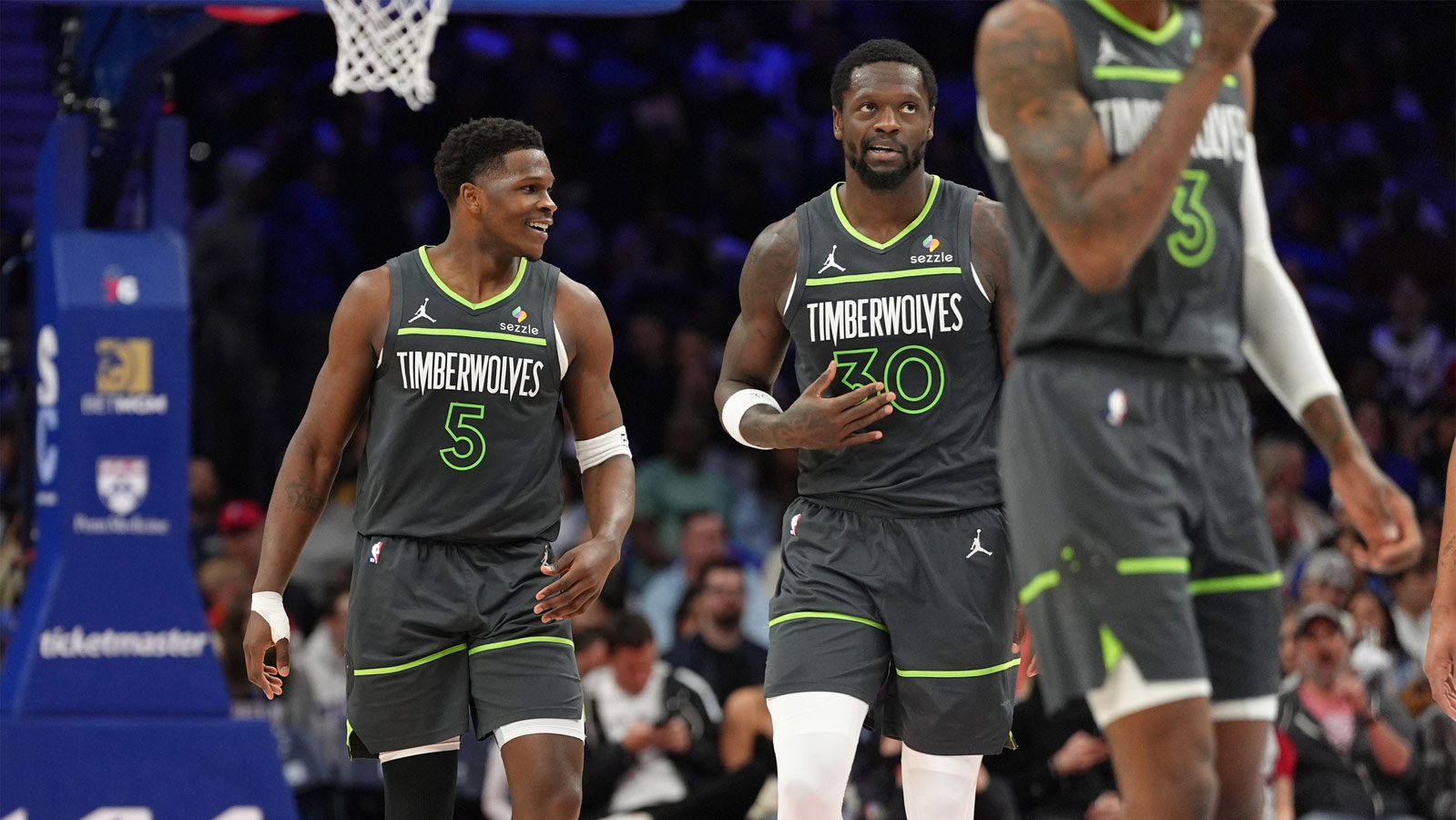
At the center of it all is Anthony Edwards, who has vaulted into legitimate MVP territory. His campaign has blended scoring brilliance and fearless shot-making. His ability to create offense out of nothing has been Minnesota’s ultimate safety valve. Meanwhile, the frontcourt pairing of Rudy Gobert and Julius Randle has given the Wolves a distinct edge in interior presence. It’s not always seamless, but it works enough to win consistently.
Still, there are obvious chinks in the armor. A mid-season slump in January exposed issues with late-game execution. Minnesota has often looked dominant for three quarters, only to falter when the game slows and every possession matters. That inconsistency has left them vulnerable to the chaos of the middle seeds.
Mounting hurdles
As the postseason looms, Minnesota’s challenges are both structural and situational. The most pressing concern is offensive reliability beyond Edwards. While Randle provides secondary playmaking and scoring, his efficiency has historically fluctuated under playoff pressure.
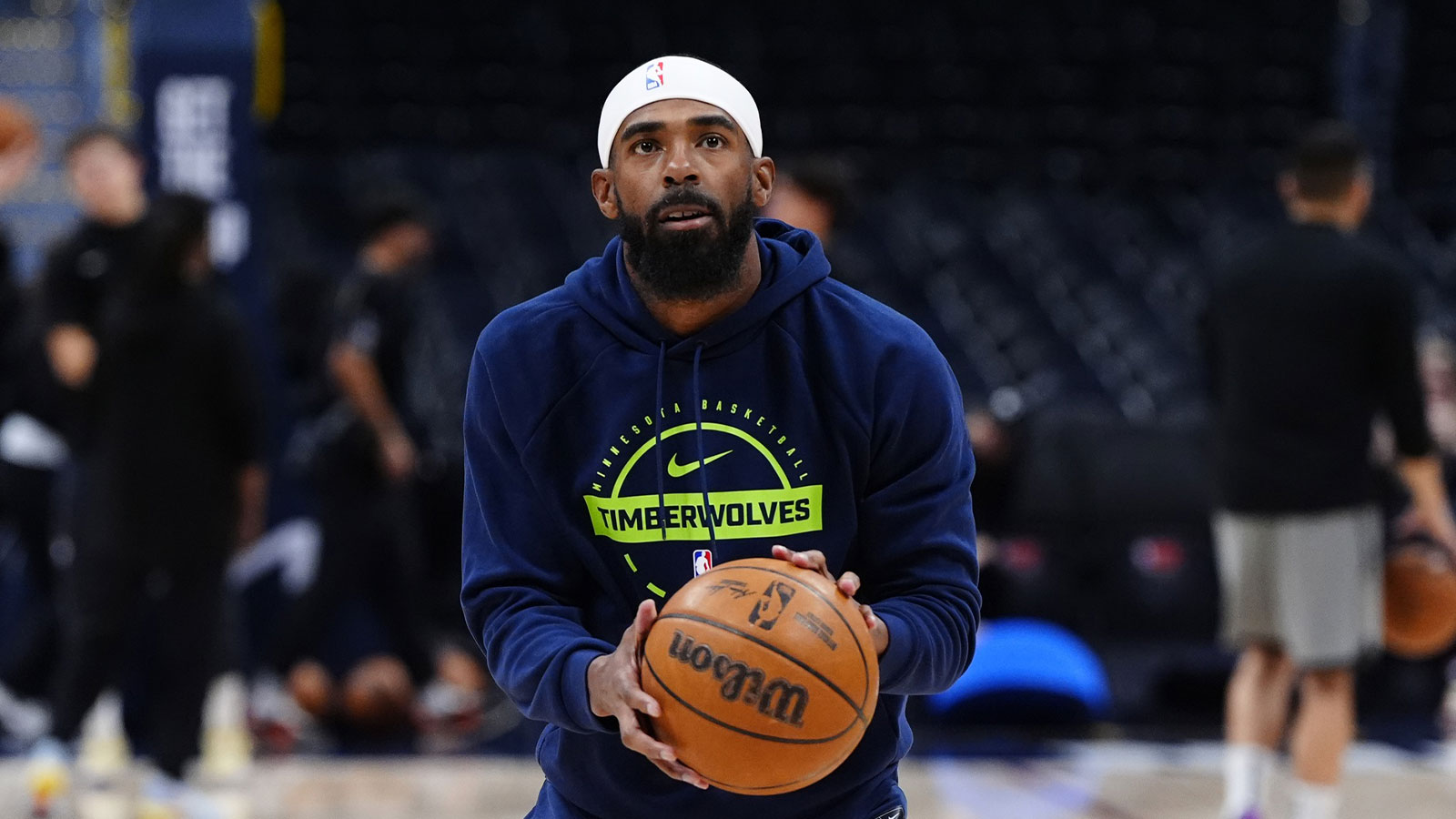
There’s also the delicate balance of relying on veteran leadership. Mike Conley remains the team’s steady hand. Still, at 38 years old, the physical toll of a long season cannot be ignored.
The supporting cast presents another variable. Players like Donte DiVincenzo and Naz Reid have delivered in stretches. Of course, the postseason demands consistency, not flashes. Opposing teams will load up on Edwards, daring others to beat them. If Minnesota’s perimeter shooting falters, their half-court offense can quickly stagnate. In a seven-game series, stagnation is often the difference between advancing and going home.
The fourth-fifth seed trap
Here’s where the nightmare begins to take shape. The Timberwolves’ most likely landing spot is the fifth seed. That might be the most dangerous position in the entire bracket. On paper, it’s a mark of success. In reality, it will certainly be a gauntlet.
A fifth-place finish likely sets up a first-round clash with either the red-hot Denver Nuggets or the streaking Los Angeles Lakers. Both scenarios are brutal. Facing Denver means dealing with Nikola Jokic. That matchup will test Gobert in ways few others can.
A series against the Lakers presents a different kind of challenge. That means experience, star power, and versatility. In a playoff setting, that combination is lethal. Either way, Minnesota would be forced into a physically and emotionally draining series just to survive.
And then comes the kicker. Survive that, and the likely reward is a second-round matchup with the top-seeded Oklahoma City Thunder. That team has dominated the conference all season. That’s the definition of a nightmare path — two elite opponents back-to-back, with little margin for recovery.
Matchups woes
Beyond seeding, specific stylistic matchups present unique threats. A potential showdown with the Houston Rockets is particularly concerning. Houston’s high-tempo, transition-heavy attack can disrupt Minnesota’s preferred pace. Against a team that thrives on chaos, the Wolves’ structured approach could be tested.
Even more daunting is a possible clash with the San Antonio Spurs. Led by Victor Wembanyama's length and versatility, San Antonio presents a rare challenge that could neutralize Gobert’s rim protection. In such a matchup, the Wolves’ size advantage disappears, replaced by a battle of adaptability.
These are the scenarios that keep front offices awake at night. Not just strong opponents, but teams built specifically to exploit your weaknesses.
Caught between opportunity and peril
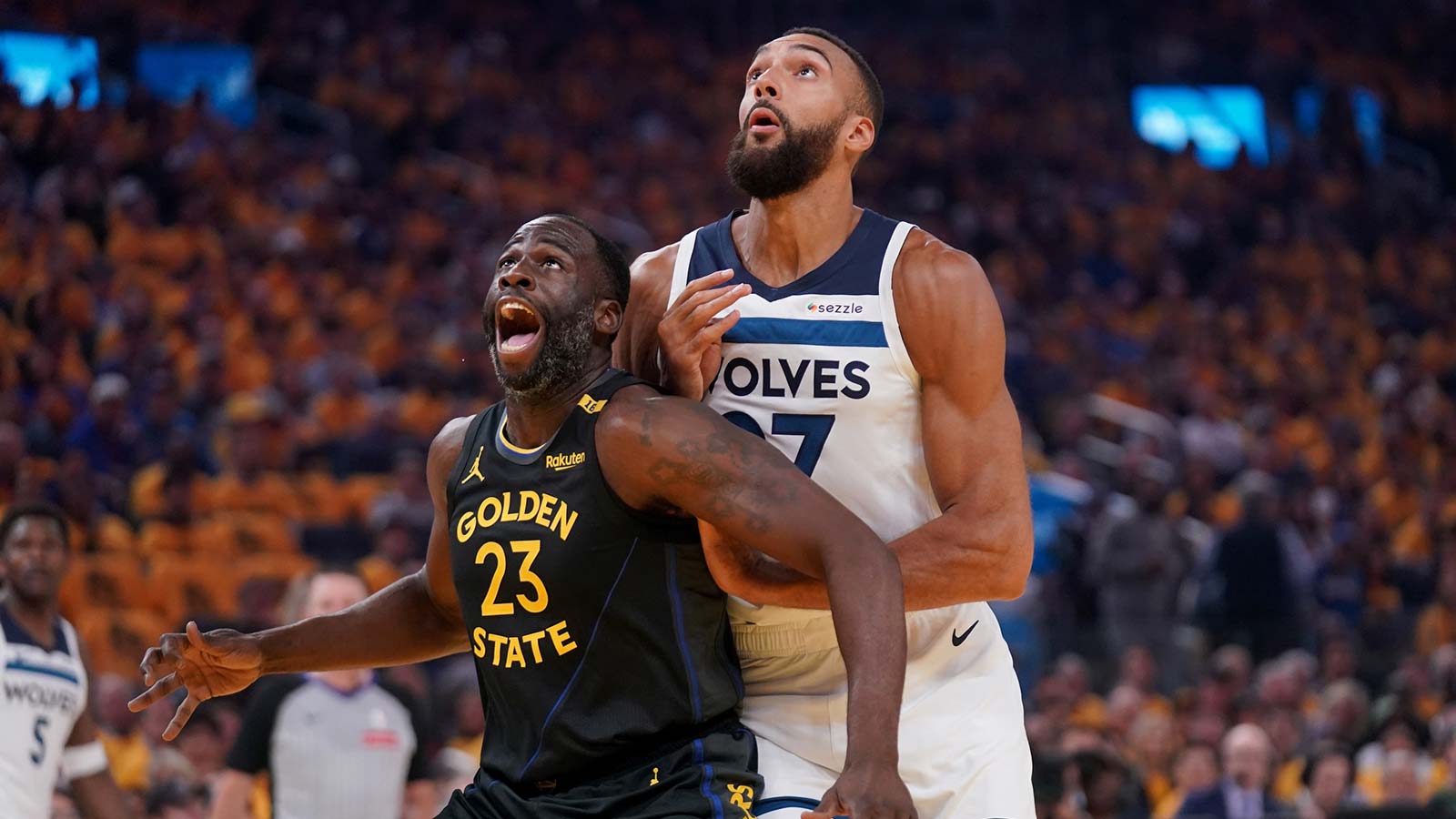
The Timberwolves have done the hard part. They’ve built an identity, developed a superstar, and established themselves as a force in the Western Conference. The playoffs, though, are unforgiving, and the path ahead is anything but straightforward.
For Minnesota, the difference between a deep run and an early exit may come down to a few games in the standings. Climb into the top three, and the road becomes manageable. Stay where they are or slip further, and the gauntlet awaits.
This is the paradox of their season. They are good enough to beat anyone. But in the wrong bracket, they may have to beat everyone.