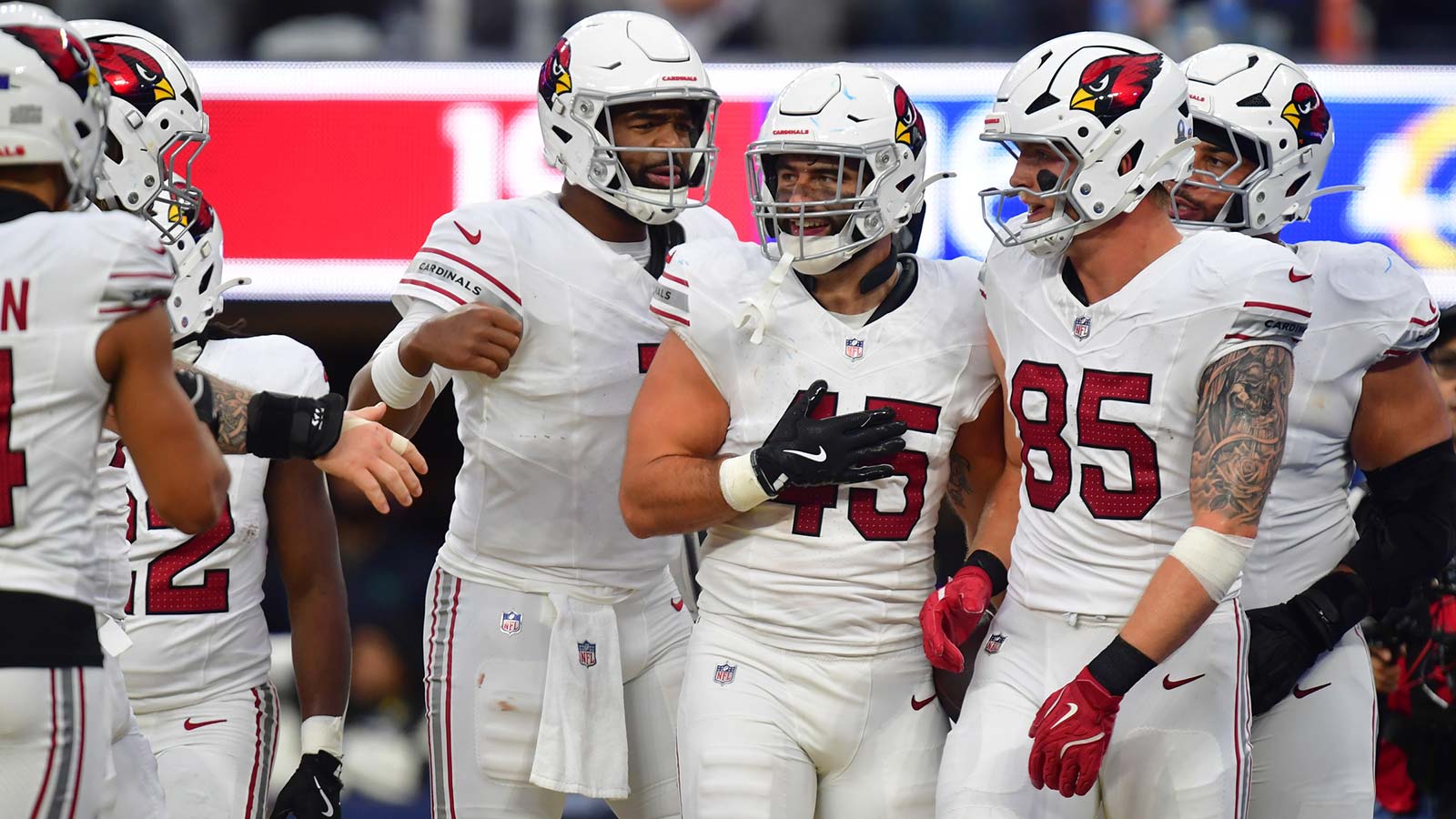

The Arizona Cardinals are no strangers to reinvention. The 2026 offseason, though, represents major organizational recalibration. Mounting pressure to maximize premium draft capital and unresolved questions at quarterback have created the perfect conditions for seismic movement. Arizona is operating from a position of necessity. After a season that exposed foundational flaws, the front office must decide whether to slow-build through the draft or accelerate the rebuild through blockbuster trades. If the Cardinals choose aggression, they possess the assets to become one of the league’s true offseason power brokers.
Season derailed
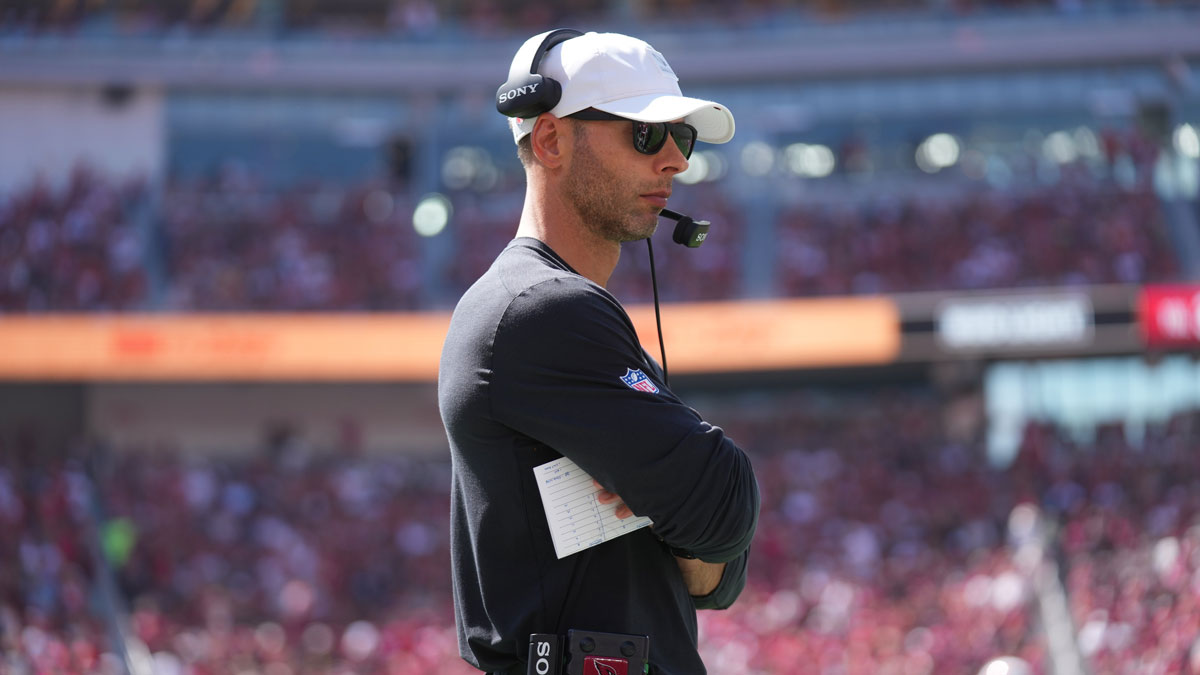
The Cardinals' 2025 season was a punishing ordeal defined by a franchise-record 14 losses and an overwhelming wave of injuries that effectively derailed the campaign by October. After a promising 2-0 start, optimism quickly evaporated. The team spiraled into a 1-14 tailspin. The collapse was accelerated by the loss of quarterback Kyler Murray to a season-ending foot injury in Week 5. Long-term absences for key offensive contributors like James Conner and Trey Benson compounded those woes as well.
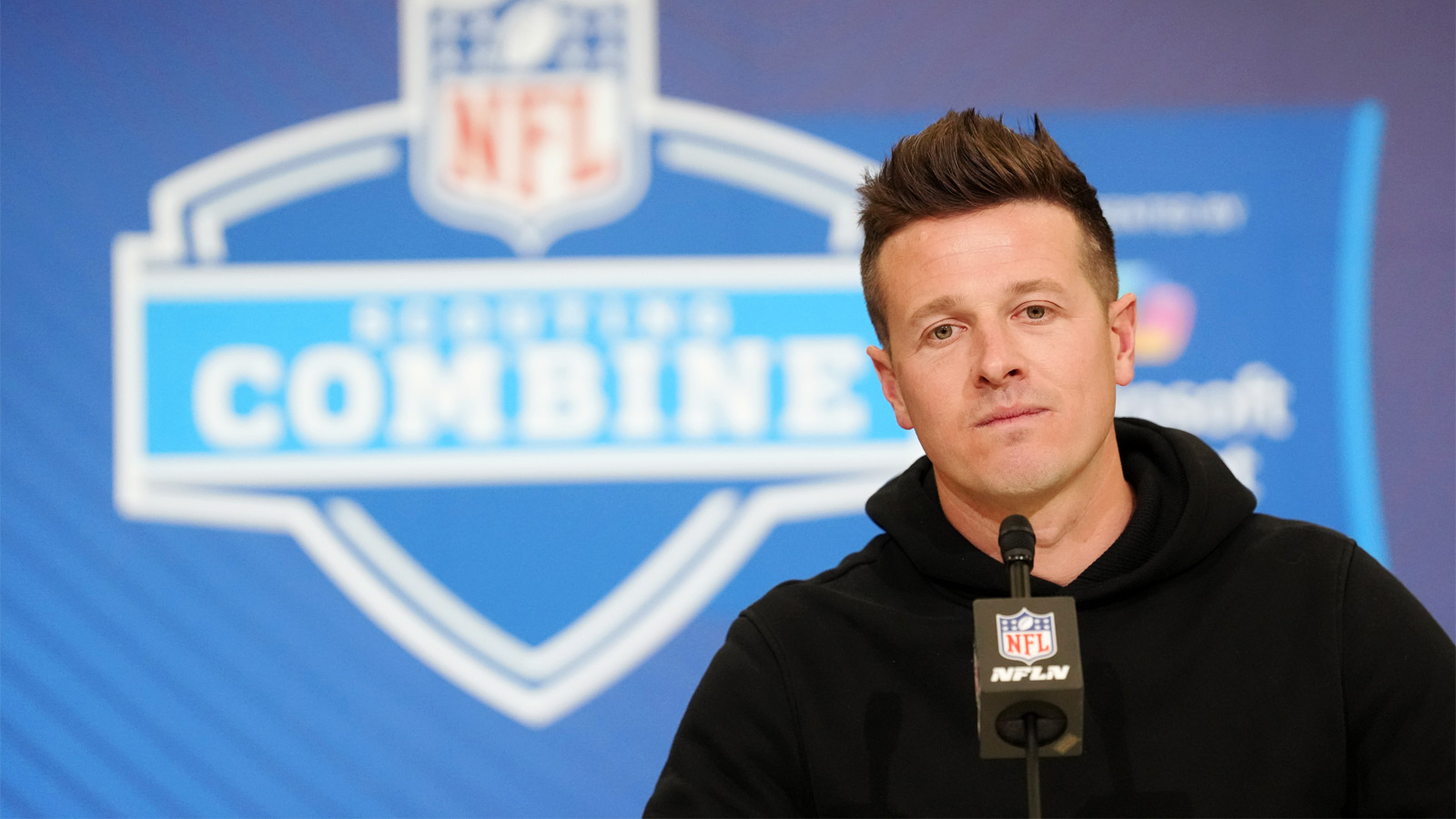
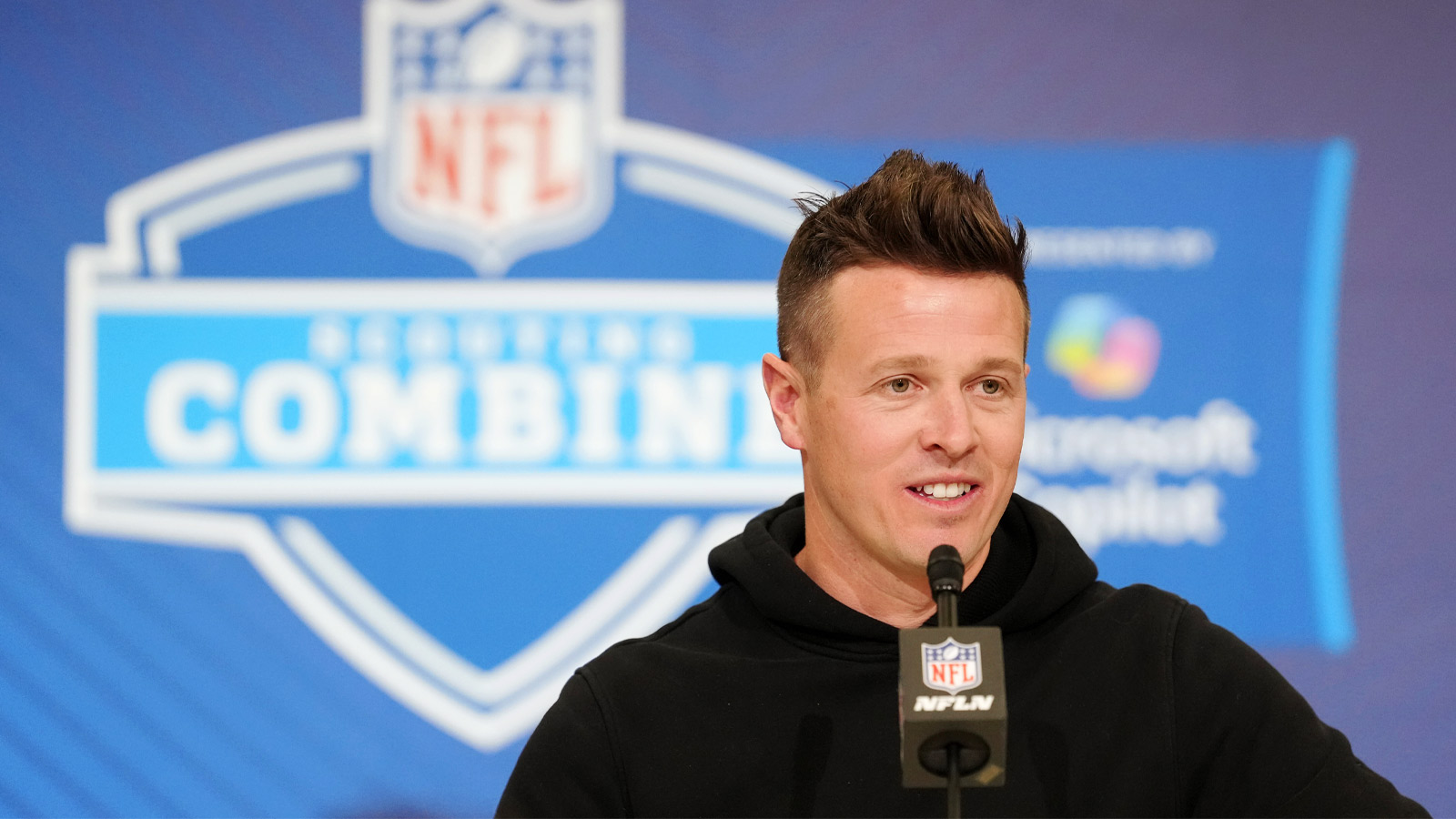
Even amid the wreckage, individual brilliance emerged. All-Pro tight end Trey McBride cemented himself as one of the league’s premier offensive weapons. Meanwhile, Budda Baker remained the emotional heartbeat of the defense. Those bright spots, however, couldn’t mask systemic deficiencies. Arizona’s defense ranked among the NFL’s worst. They surrendered nearly 29 points per game. The fallout was swift and decisive. It culminated in the firing of head coach Jonathan Gannon and ushering in the Mike LaFleur era for 2026.
Cap flexibility
Financially, Arizona enters the offseason in a deceptively flexible position. They have roughly $38.4 million in projected cap space. With that, the Cardinals sit just outside the league’s top ten. Still, that breathing room is overshadowed by Murray’s enormous $52.7 million cap hit.
The contractual pressure intensifies further when factoring in Murray’s future guarantees. If he remains on the roster past March 15, his 2027 salary becomes fully guaranteed. That effectively locks Arizona into a massive multi-year financial commitment. A pre-June 1 trade, however, would generate approximately $34.7 million in savings. That could instantly transform the Cardinals into aggressive spenders. In short, Murray’s contract is the financial fulcrum of the entire offseason.
Roster needs
As LaFleur begins his tenure, Arizona’s roster blueprint is rooted in trench reconstruction and quarterback clarity. Defensively, the Cardinals must find a blue-chip pass-rushing anchor. That's after finishing near the bottom of the league in pressure rate. The lack of disruption up front consistently exposed an overworked secondary.
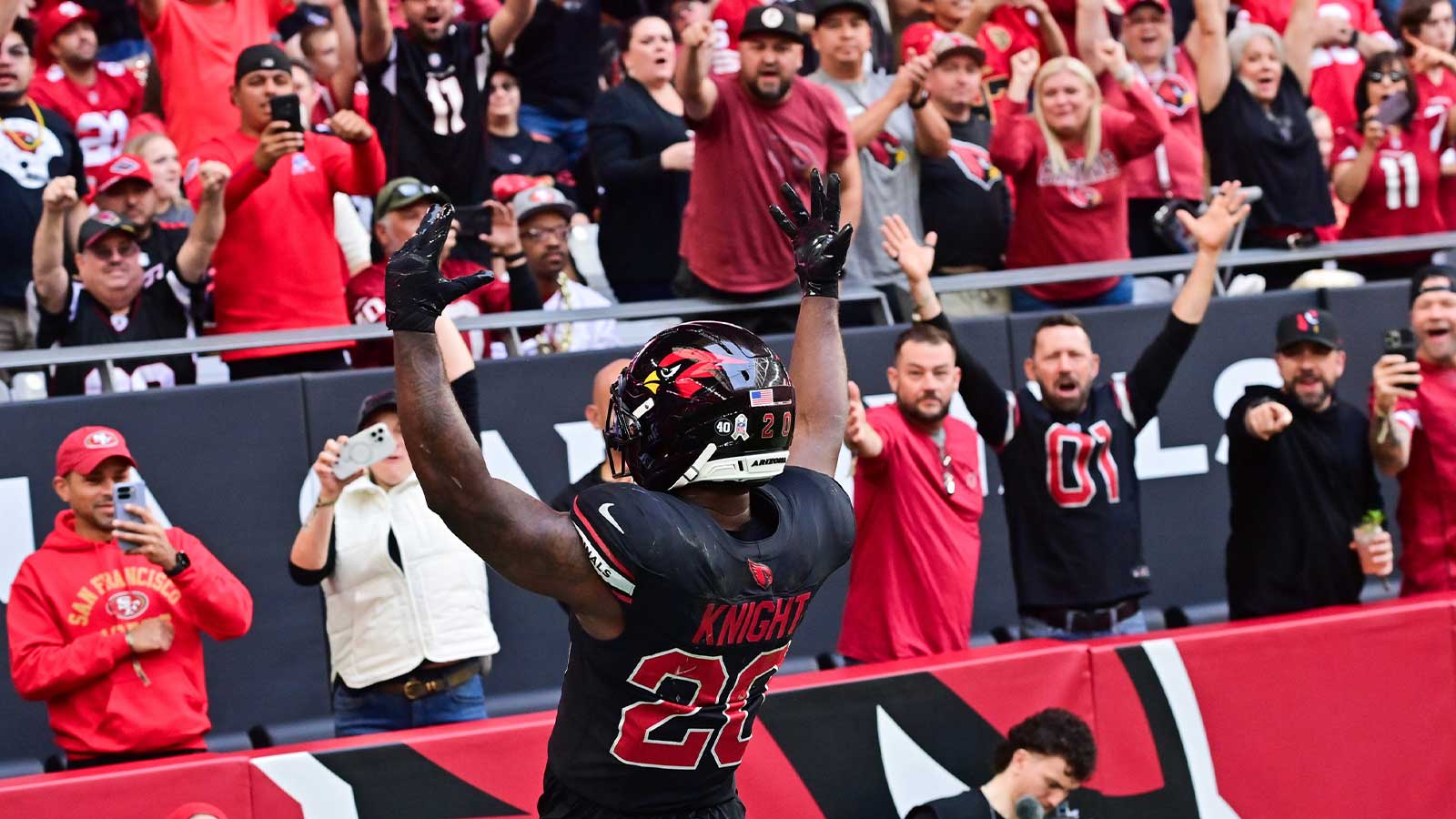
Offensively, protection remains equally urgent. Paris Johnson Jr’s recurring injury issues and the expected departures of veterans along the offensive line leave the unit dangerously thin. Adding to the urgency is the need for a true boundary receiver to complement Marvin Harrison Jr. This will ensure whoever lines up at quarterback has both protection and perimeter firepower. The mandate is to stabilize the trenches, define the quarterback future, and build outward from there.
Clean slate blockbuster
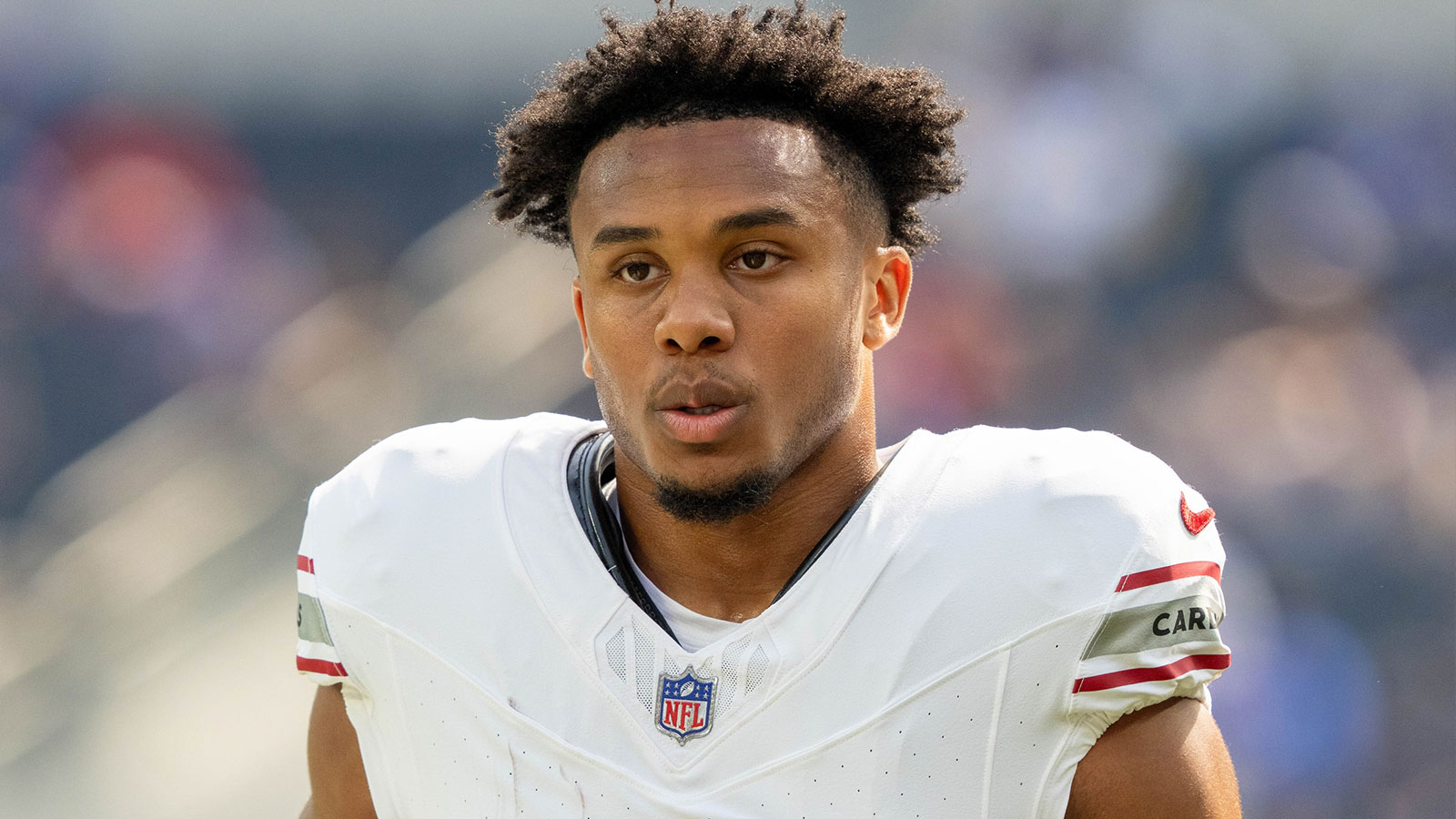
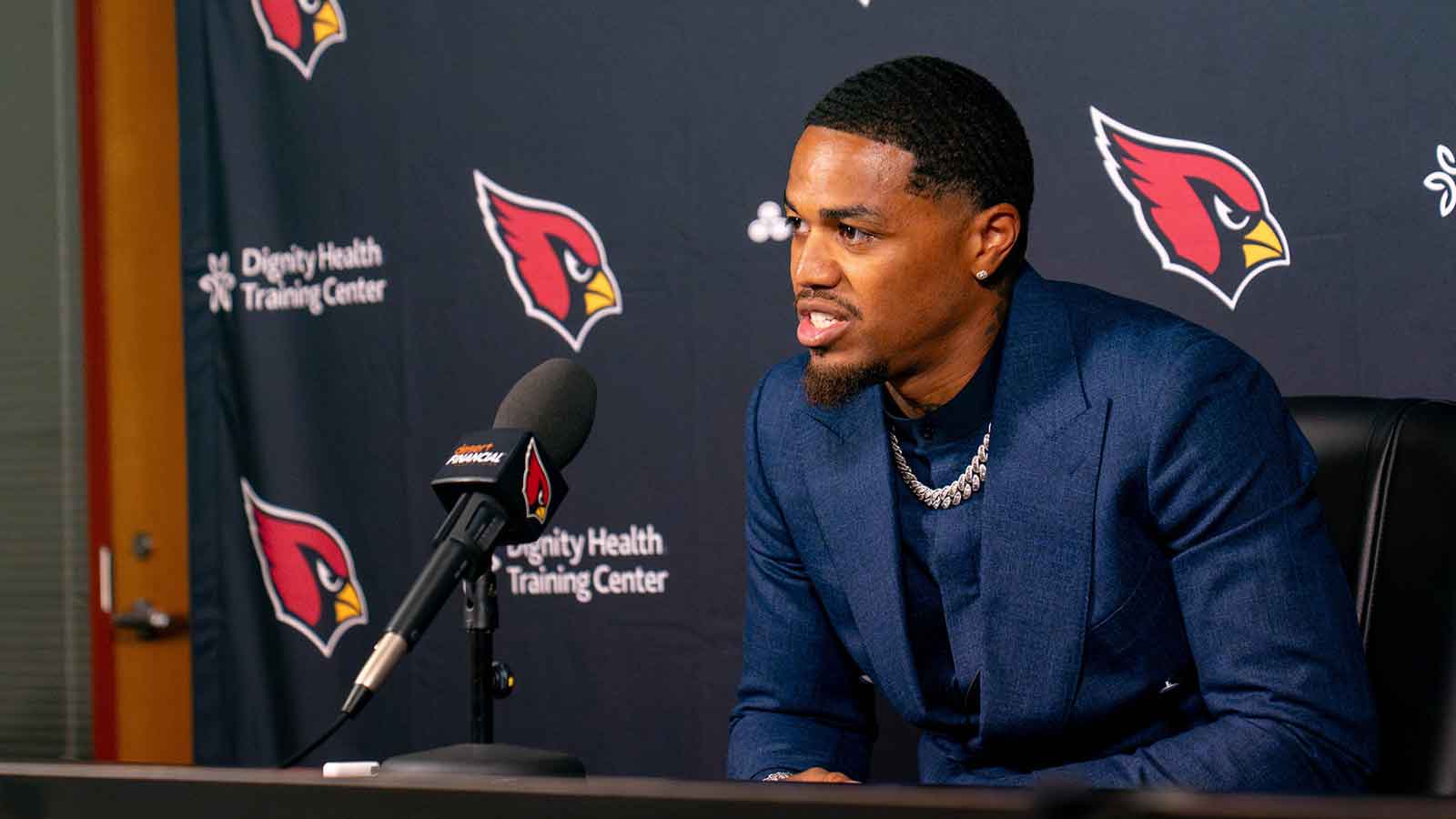
Every transformational offseason begins with a defining decision. For Arizona, that decision revolves around Kyler Murray. The whispers surrounding a potential split have grown louder following his injury-shortened season. The organization was also apparently willing to evaluate alternatives late in the year.
A trade to the New York Jets represents the ultimate clean-slate maneuver. For Arizona, the move would unlock over $35 million in cap savings. It would also clear the runway to draft a new franchise quarterback with the No. 3 overall pick. Pairing a rookie signal-caller with Harrison would reset the offensive timeline in perfect sync.
For the Jets, the gamble is equally compelling. Murray offers dual-threat explosiveness and immediate starting credibility. That's an appealing pivot if their current quarterback timeline collapses. The ripple effect would position Arizona as one of free agency’s most financially aggressive rebuilders.
Defensive identity shift
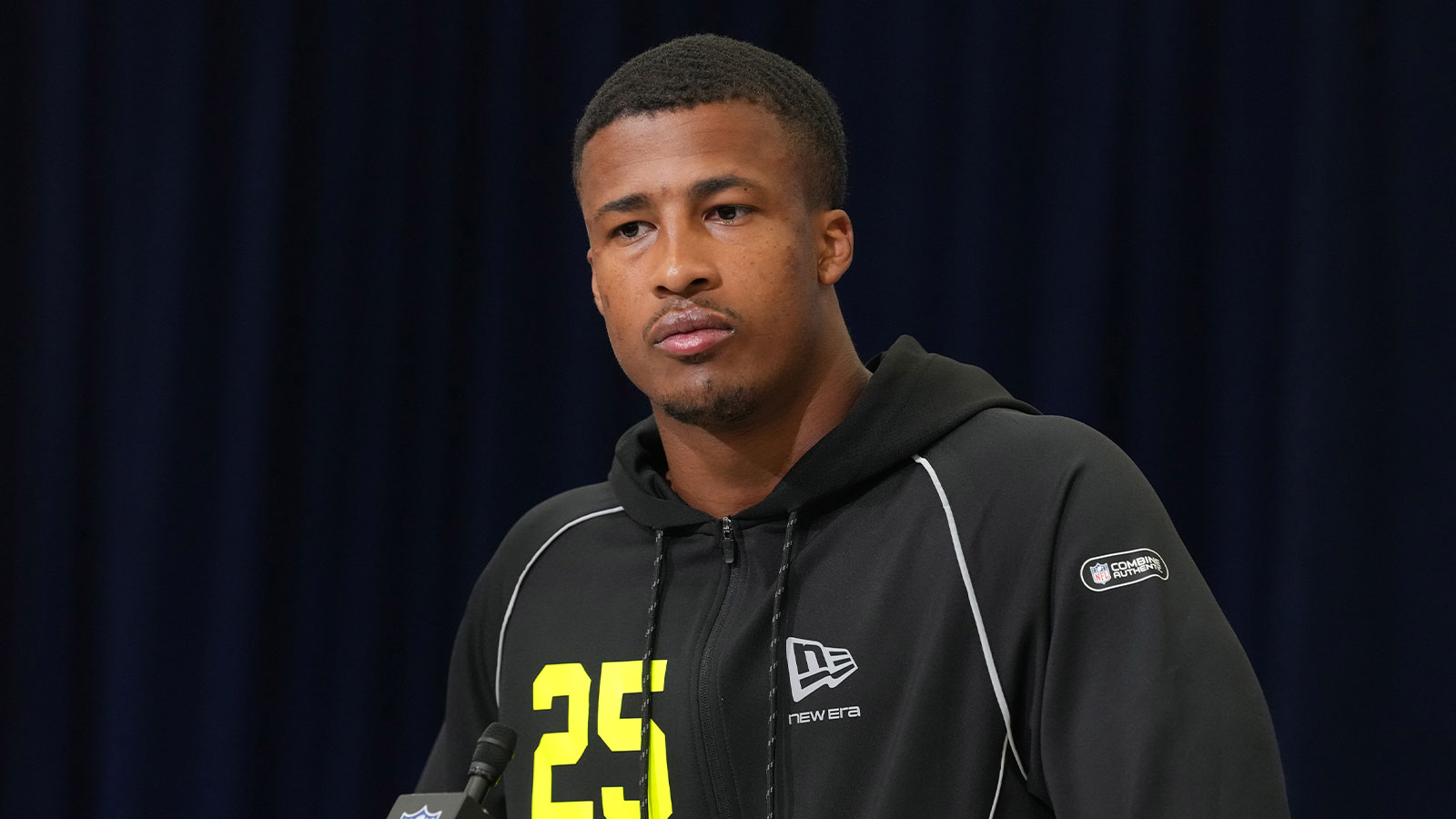
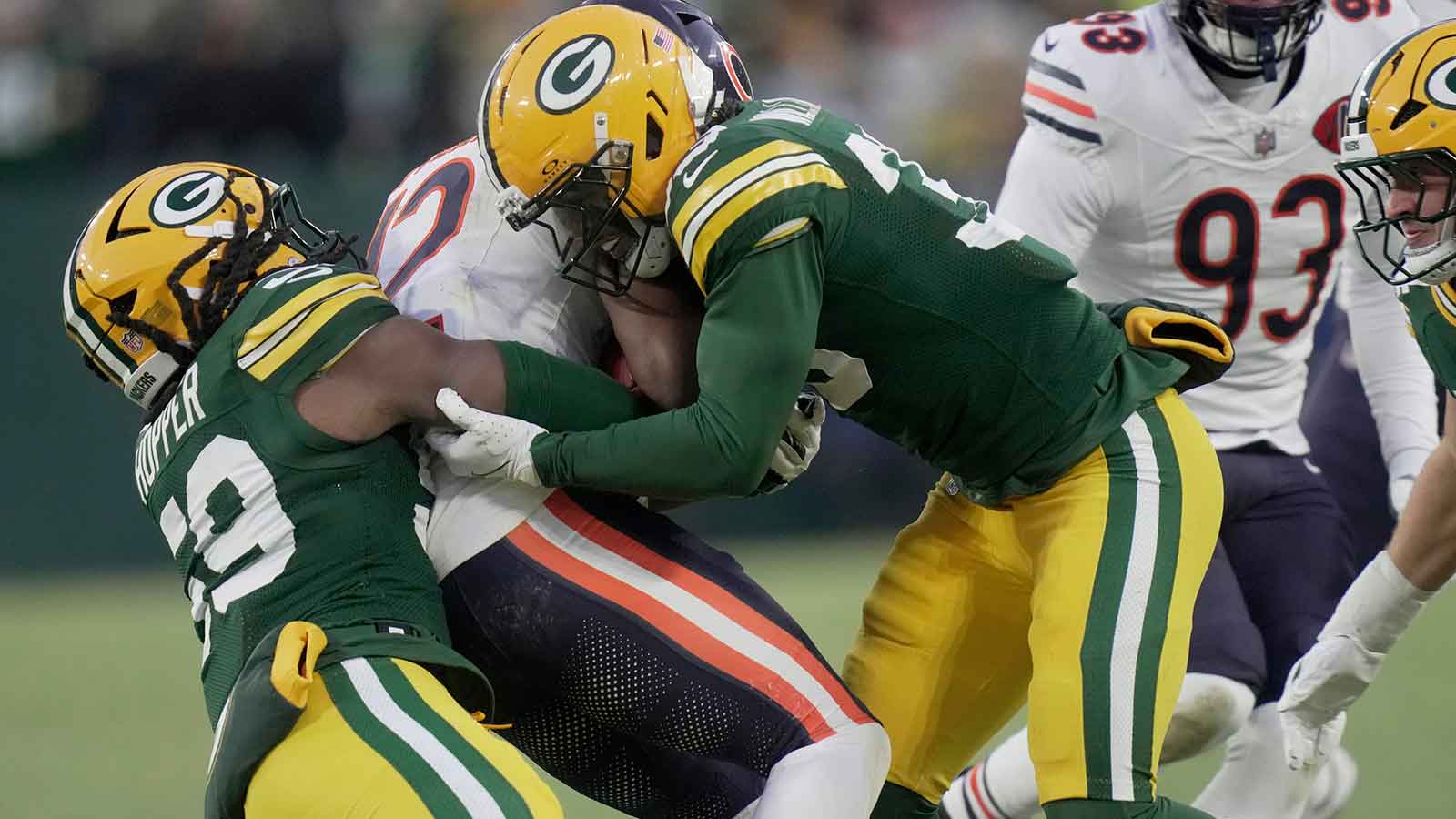
Few players embody the Cardinals’ culture more than Budda Baker. Rebuilds, however, often demand painful emotional decisions. At 30 and entering the final year of his contract, Baker represents both leadership value and trade leverage.
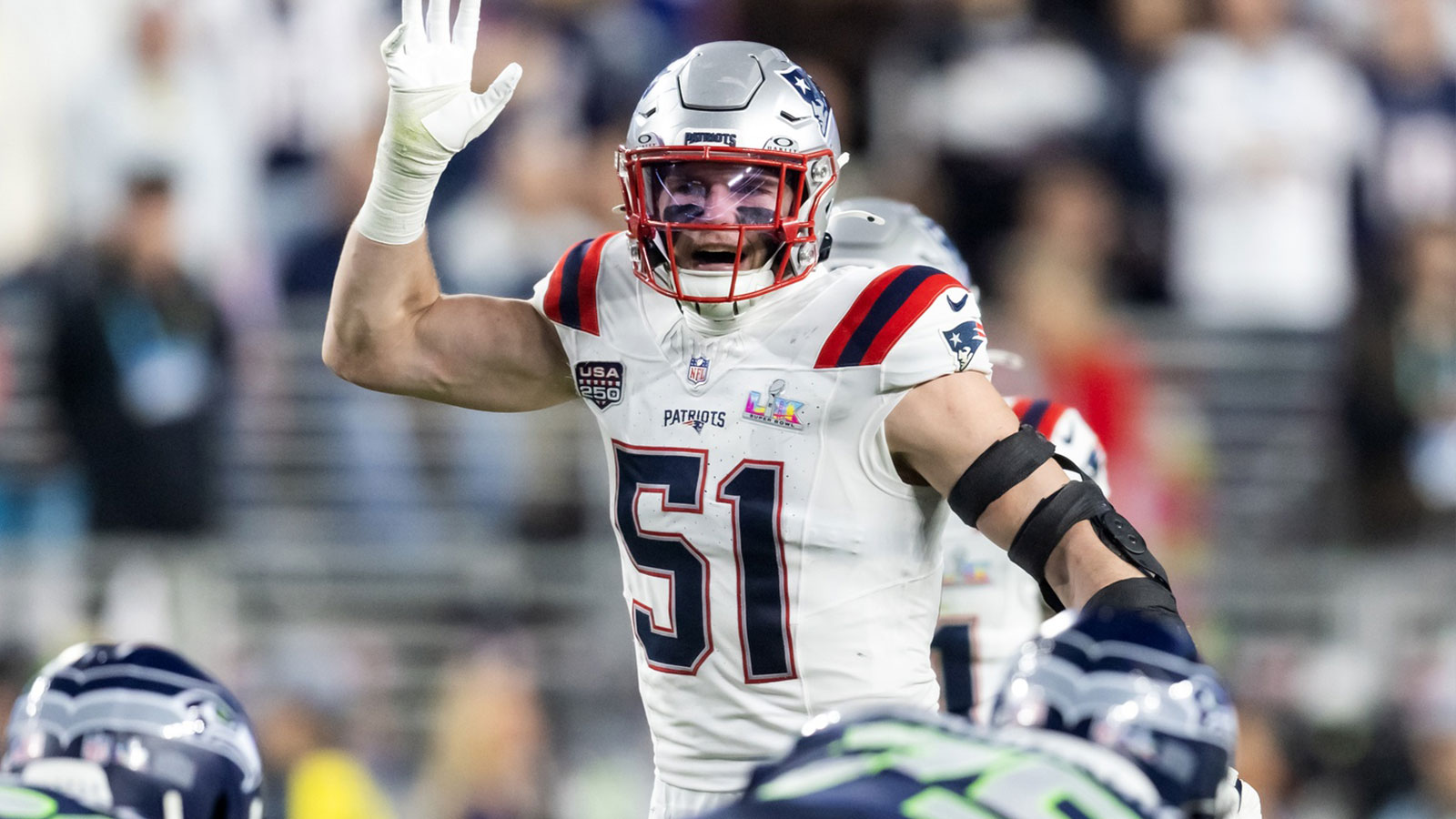
A deal with Philadelphia would signal a defensive reset. In exchange for draft capital and a young cornerback like Kelee Ringo, Arizona would gain cost-controlled talent. It’s the type of forward-looking transaction rebuilding teams must consider.
For the Eagles, Baker’s range, physicality, and leadership would elevate an already formidable secondary into championship overdrive. The emotional cost for Arizona would be steep. Still, the long-term roster alignment could justify the move.
Protection play
Holding the No. 3 overall pick gives Arizona extraordinary leverage. If the front office isn’t sold on the quarterback class or prefers a bridge veteran, it could auction the selection to a desperate suitor.
A trade-down scenario with the Las Vegas Raiders offers both value and practicality. Sliding back to No. 7 while acquiring additional picks and a proven offensive tackle like Kolton Miller would address multiple structural needs simultaneously. Miller’s presence would stabilize the left side of the line regardless of who starts at quarterback.
Meanwhile, Arizona would still remain positioned to draft an elite defensive cornerstone. It’s the type of asset-maximizing maneuver that accelerates rebuilds without sacrificing top-tier talent acquisition.
Rebuild and reshape
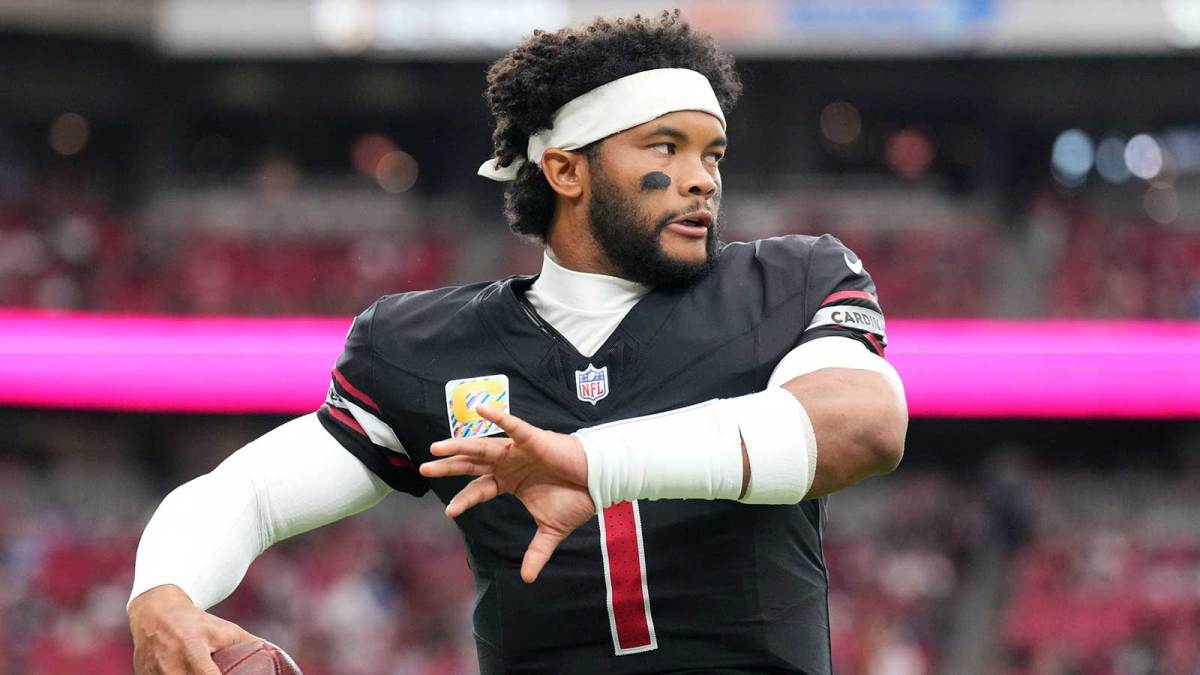
The Cardinals’ 2026 offseason isn’t just about improvement but identity reconstruction. Trading Kyler Murray resets the financial and quarterback timeline. Moving Budda Baker reorients the defense toward youth. Leveraging the No. 3 pick multiplies roster-building flexibility.
Collectively, they trades signal a franchise embracing bold reinvention rather than incremental repair. Arizona has the draft capital, cap pathways, and organizational urgency to become the epicenter of offseason movement. The only question left is whether they are willing to detonate the roster to fast-track their return to relevance.