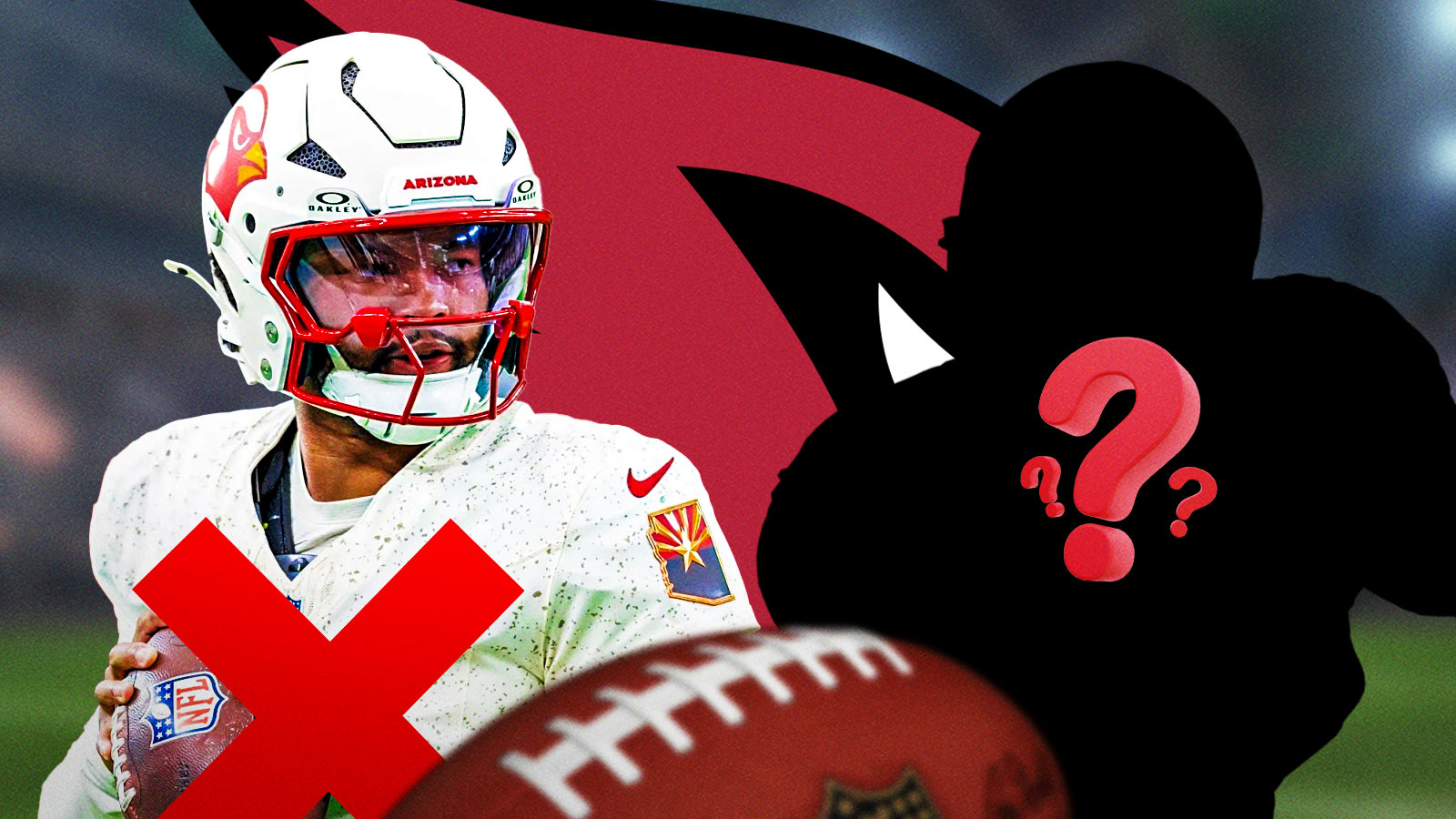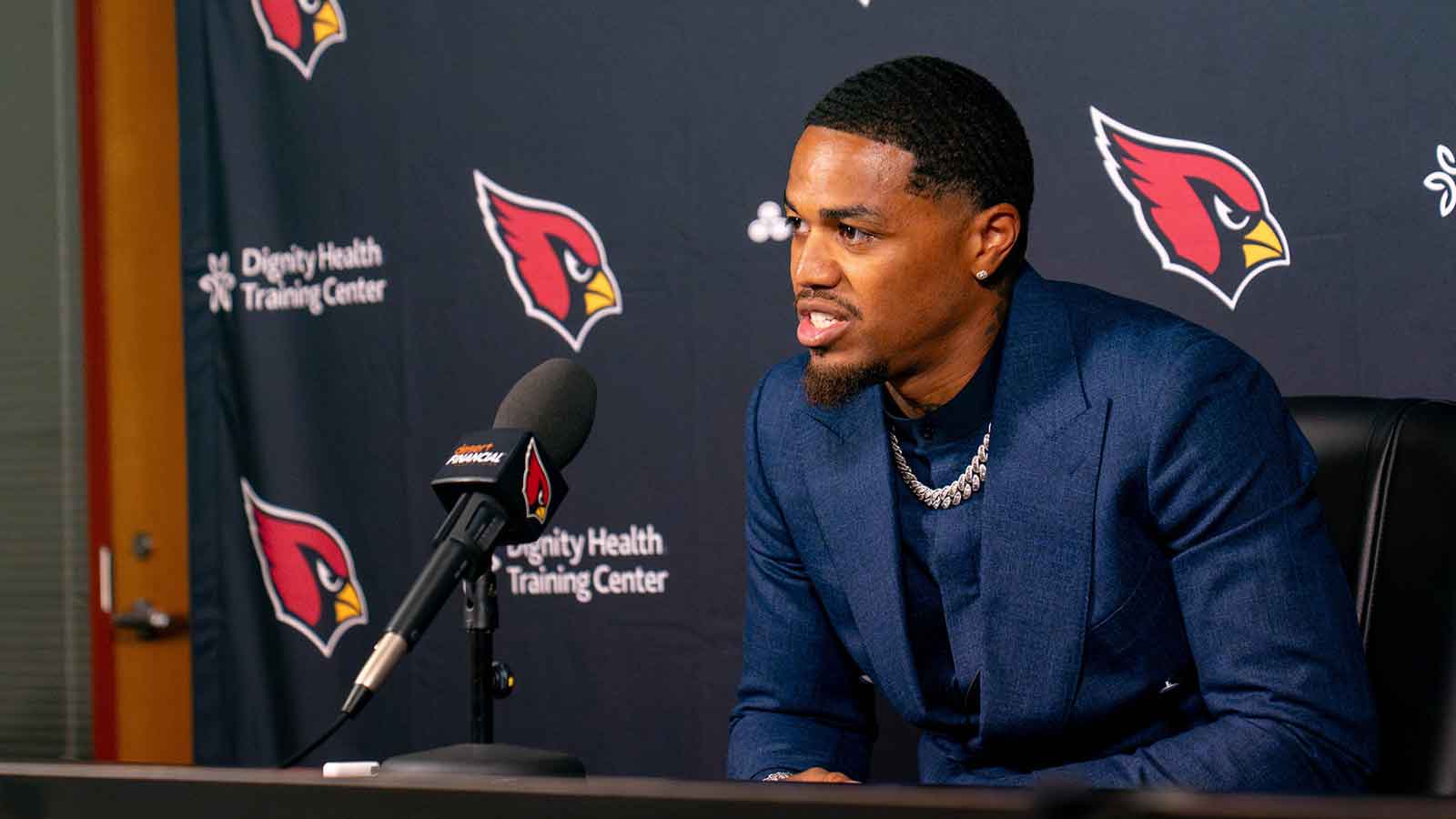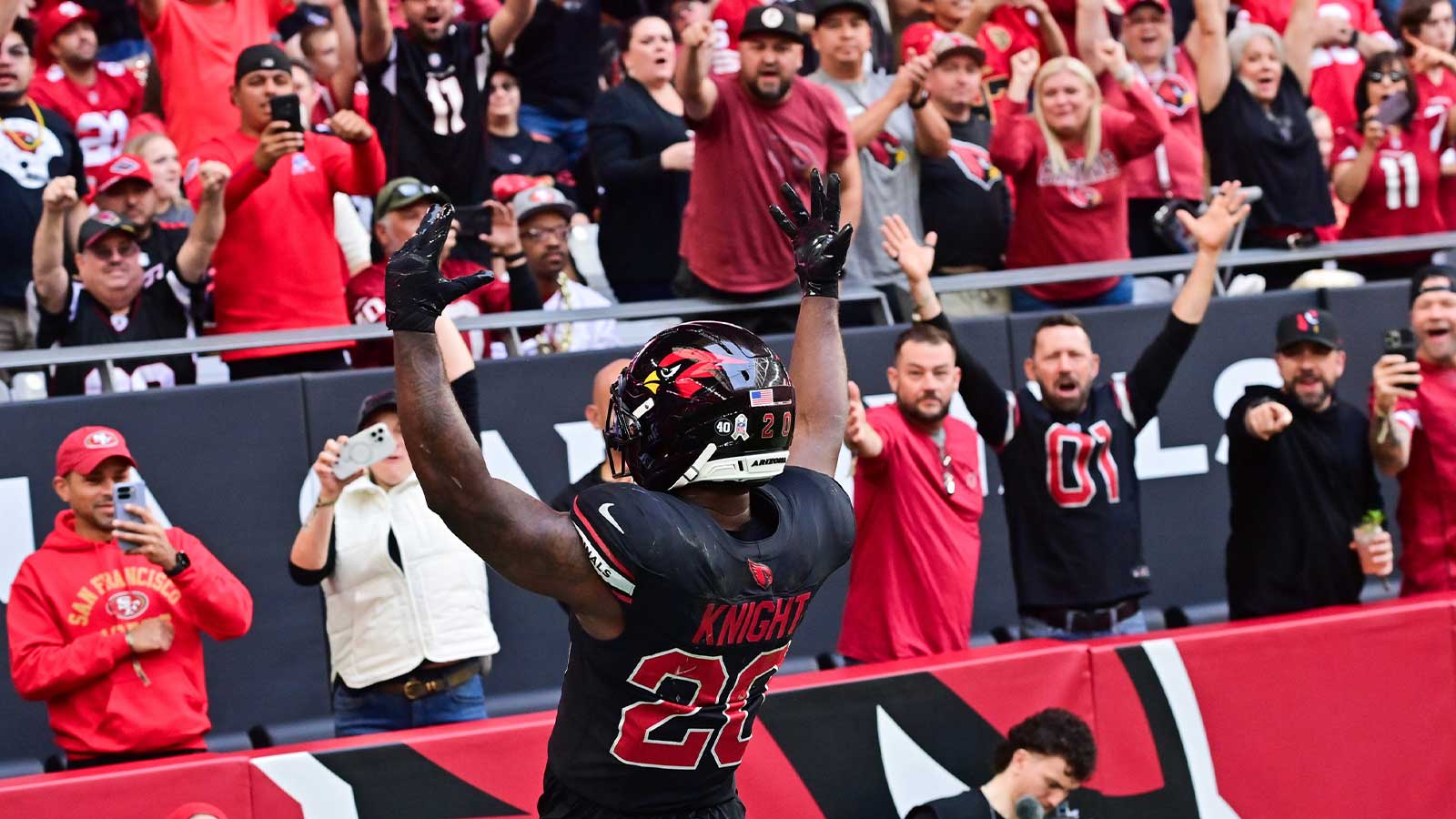

The Arizona Cardinals enter the 2026 NFL Draft standing armed with the No. 3 overall pick. Arizona has the opportunity to reshape the trajectory of the franchise. Questions surrounding the long-term future of quarterback Kyler Murray have fueled speculation that the Cardinals may soon pivot toward a new offensive era. The franchise clearly needs foundational pieces across the offensive line and backfield to build a more sustainable attack. Using the PFF mock draft simulator following the NFL Combine, the Cardinals’ projected seven-round haul focuses heavily on building long-term stability. It also quietly adds high-upside talent across multiple positions.
Draft priorities
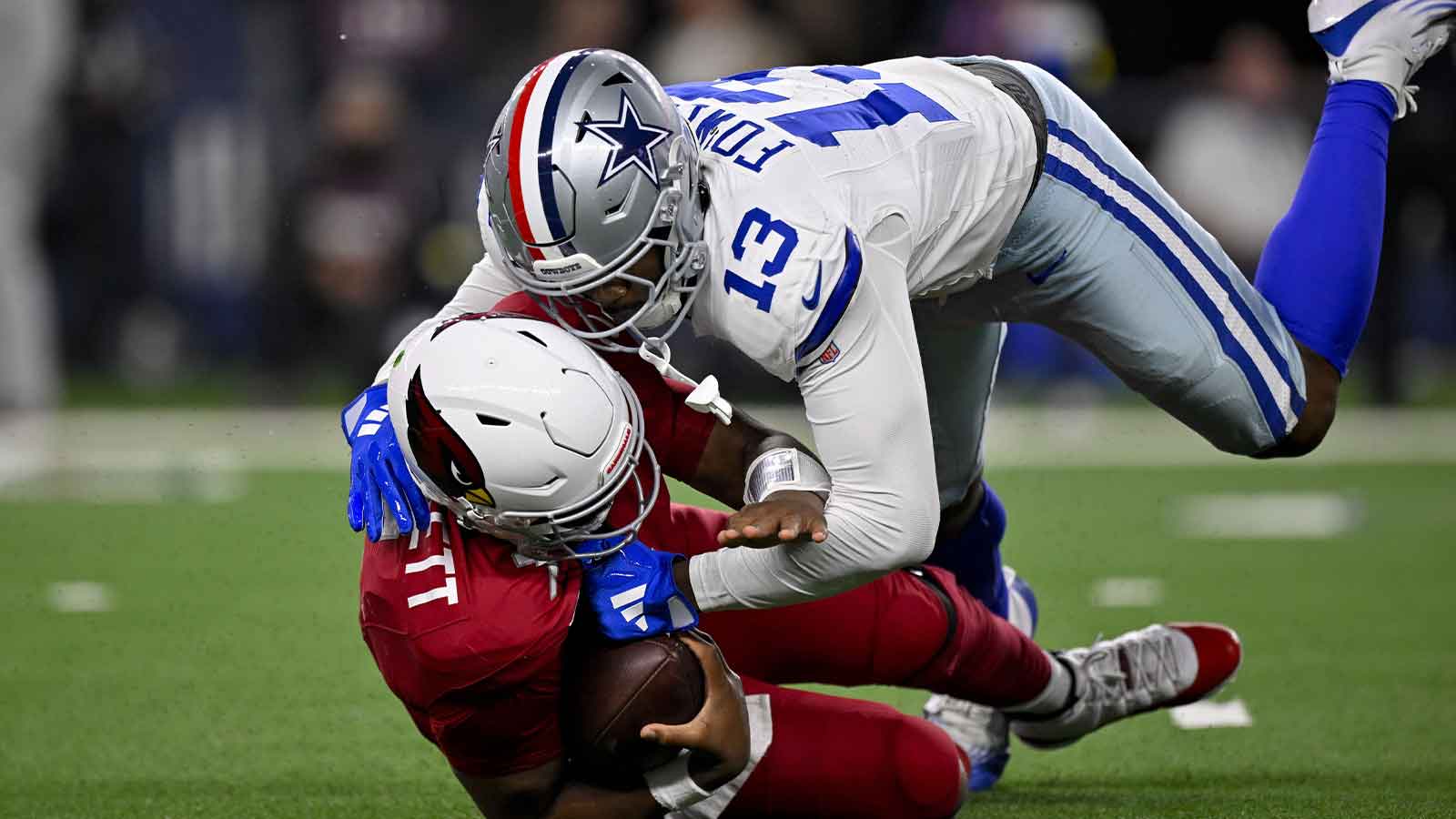
Arizona faces major heading into the 2026 NFL Draft. They have to make decisions regarding the future structure of its offense. The franchise has been widely linked to quarterback prospects such as Fernando Mendoza and Dante Moore. Those have grown louder particularly after they ultimately pivoted away from Kyler Murray. However, many projections suggest Arizona could prioritize a dominant offensive lineman early. They could target a franchise tackle capable of pairing with Paris Johnson Jr to solidify the edge of the line. Guard also remains a priority as the team looks to strengthen the interior pocket in Mike LaFleur’s system. Meanwhile, the running back position could receive a major upgrade to provide the explosive, three-down playmaker the offense has lacked in recent seasons.
Round 1, pick 3: S Caleb Downs, Ohio State
Arizona’s draft begins with arguably the most complete prospect in the entire class. Caleb Downs has quickly established himself as one of the most polished defensive backs in recent college football history.
He is slightly undersized for a traditional NFL safety. Despite that, Downs compensates with elite instincts, intelligence, and playmaking ability. His football IQ stands out immediately on tape. He consistently diagnoses plays and positions himself to disrupt passing lanes.
Downs’ decorated résumé already includes unanimous All-American recognition and the Big Ten Defensive Back of the Year award. He projects as a day-one impact player capable of transforming Arizona’s secondary.
Round 2, pick 34: OL Blake Miller, Clemson
The Cardinals address the offensive line early on Day 2 with Clemson tackle Blake Miller. Known for his intelligence and polished technique, Miller plays the position with impressive balance and body control.
Miller displays quick footwork and strong posture in pass protection. He also often keeps defenders off balance with disciplined hand usage. Yes, he currently lacks the lower-body strength needed to consistently anchor against elite power rushers. That said, Miller’s athletic traits suggest he can develop into a reliable starter if he adds strength.
Round 3, pick 65: DL Domonique Orange, Iowa State
“Big Citrus” Domonique Orange is a physically imposing defensive lineman with rare strength potential. His weight-room numbers alone highlight his raw power profile. That includes a reported 450-pound bench press and 650-pound squat.
Orange flashes impressive burst off the snap and can convert speed into power effectively on bull rush attempts. However, his pass-rush technique remains a work in progress. If he develops improved hand speed and disengagement techniques, Orange could become a disruptive interior presence in Arizona’s defensive front.
Round 4, pick 104: DL Darrell Jackson Jr, Florida State
The Cardinals continue reinforcing the defensive trenches by selecting Darrell Jackson Jr. He is a massive interior lineman who measures around 6-foot-5 and 340 pounds.
Jackson possesses natural strength that allows him to overwhelm blockers when his hand placement is correct. Sure, his pass-rush win rate remains modest. However, his sheer size and power make him an intriguing developmental piece capable of anchoring the middle of a defensive line.
Round 5, pick 141: QB Drew Allar, Penn State
Arizona takes a calculated swing at quarterback with Drew Allar. From a physical standpoint, Allar checks nearly every box scouts look for in an NFL passer. His arm strength allows him to drive throws into tight windows and stretch defenses vertically.
However, Allar’s play remains inconsistent. His aggressive mindset often leads to spectacular throws but also costly mistakes. If Arizona invests time in refining his mechanics, Allar possesses the tools to eventually develop into a capable starting quarterback.
Round 6, pick 182: CB Tacario Davis, Washington
Tacario Davis brings intriguing length and physicality to the Cardinals’ secondary. He excels at disrupting receivers’ releases and contesting passes at the catch point.
His size creates matchup advantages against larger receivers. That said, his long-limbed frame can sometimes hinder quick transitions in coverage. Even so, Davis’ competitiveness and physical style give him developmental potential as a perimeter defender.
Round 7, pick 217: TE Max Bredeson, Michigan
Arizona closes its draft with a tough, versatile offensive contributor in Max Bredeson. He is a two-time team captain at Michigan. Bredeson has built a reputation as a disciplined and physical run blocker.
Sure, his receiving production has been modest. However, he offers value in multiple offensive roles. That includes as a hybrid tight end or fullback. His ability to contribute in blocking schemes and occasional pass protection could help him carve out a niche role on an NFL roster.
Present needs, long-term vision
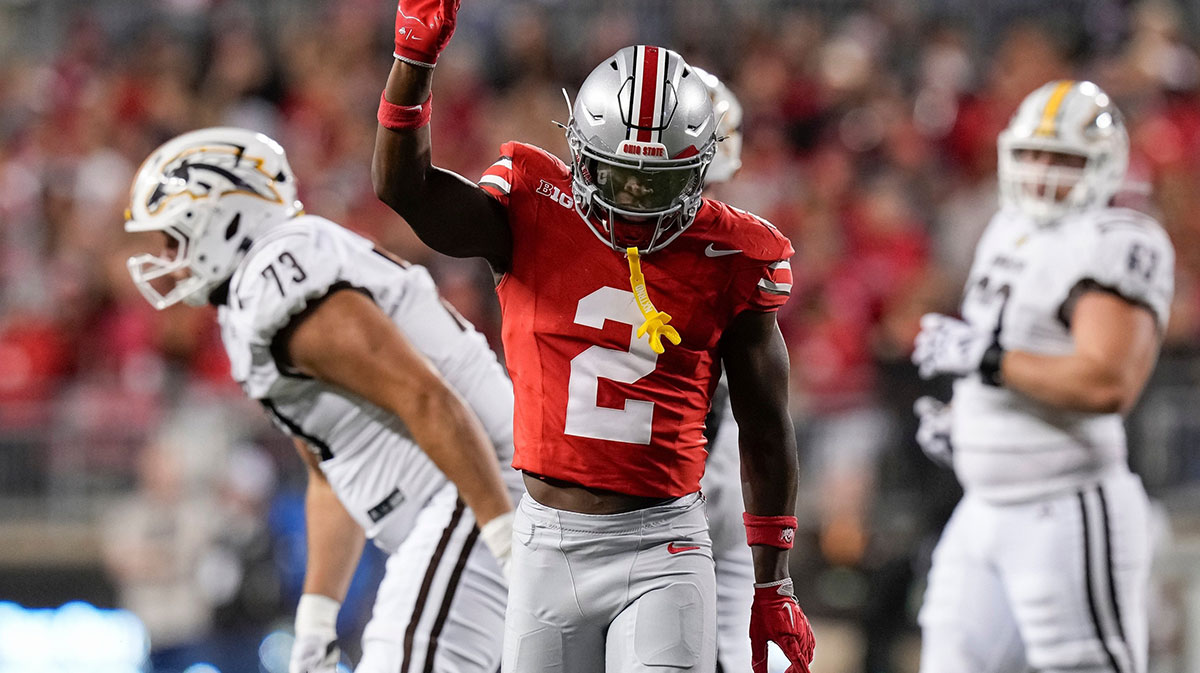
The Cardinals’ are attempting to balance immediate roster improvements with long-term planning. The selection of Caleb Downs provides Arizona with a defensive cornerstone capable of stabilizing the secondary for years.
Meanwhile, Blake Miller strengthens the offensive line. Drew Allar introduces an intriguing developmental option at quarterback as the team transitions away from Kyler Murray.
Yes, Arizona’s draft may not include a headline-grabbing quarterback at the top. Still, it reflects a thoughtful approach to roster construction. By adding elite defensive talent, reinforcing the trenches, and taking a calculated gamble on a developmental passer, the Cardinals begin laying the groundwork for a more balanced and sustainable future.
If even a few of these selections reach their projected ceilings, Arizona could quietly emerge from this draft with the type of foundational pieces needed to compete in the NFC for years to come.