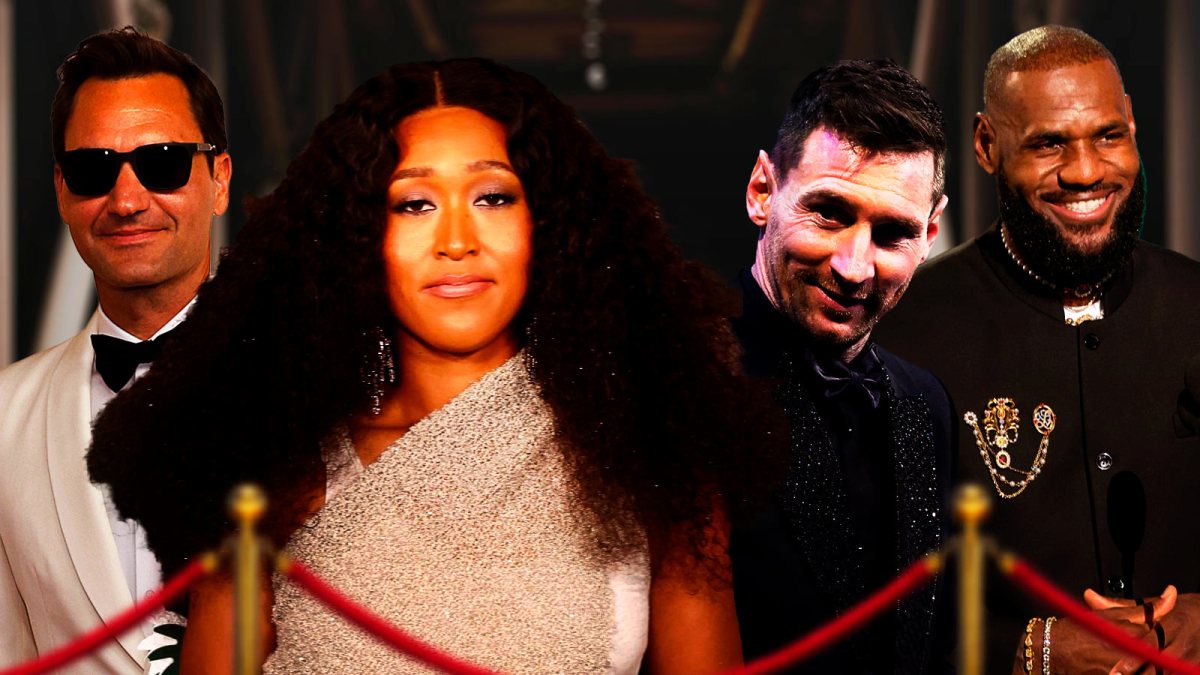
Lionel Messi, Naomi Osaka, and a select class of global sports icons are proving that the modern definition of greatness no longer lives in contracts alone. Money used to be the scoreboard. Championships, endorsements, and net worth lists shaped the hierarchy. Today, separation happens in ownership, equity, and long term influence. The athlete who controls assets, institutions, and narratives now commands the real leverage.
Saint Augustines University has a report that frames the shift clearly. Wealth alone does not secure legacy, control, or cultural authority. The richest athletes now evaluate success through both economic capital and social capital. They are not just earning. They are building.
From Messi’s carefully structured commercial empire to Osaka’s advocacy driven brand architecture, a new class of athlete investor has emerged, one focused less on cash flow and more on leverage.
USA 🇺🇸
Japanese tennis star Naomi Osaka has said her investment in NWSL club North Carolina Courage is about backing “incredible women” and supporting equality in sport, as she continues to use her platform and wealth to advance women’s sport.https://t.co/0oXxjkJ2Q9 pic.twitter.com/wDZPl3bOD1
— Fare (@farenet) February 5, 2026
The New Measure of Power
Money functions as a starting point, not the destination. That distinction defines this era. A max contract can fund lifestyle. It cannot secure institutional influence.
LeBron James embodies that evolution. His reported net worth exceeds $1.5 billion when factoring in private equity positions and media ventures. Yet his power extends beyond valuation. The I PROMISE School, SpringHill, and multiple ownership stakes demonstrate how playing excellence can translate into institutional permanence. He did not stop at endorsement checks. He pursued equity.
Cristiano Ronaldo represents a different blueprint. His brand spans continents, fueled by strategic partnerships and global real estate investments. Digital dominance strengthens his commercial ecosystem. Influence drives valuation.
Roger Federer mastered long term brand stewardship. Even after retirement, endorsement infrastructure sustains his earning power. He treated sport as a launchpad. That mindset defines the modern athlete investor.
Championships create credibility. Ownership creates permanence.
Lionel Messi and the Discipline of Control
Lionel Messi’s financial model relies less on noise and more on precision. His carefully managed image rights and structured partnerships generate steady long term revenue. He curates exposure rather than chasing it.
Advisory roles and commercial positioning show instincts that extend beyond the pitch. Messi converts global devotion into structured capital. He protects brand integrity. He controls distribution.
Michael Jordan offers perhaps the clearest example of ownership amplifying legacy. His stake in the Charlotte Hornets franchise and the enduring force of Jordan Brand generate value far beyond his playing salary. His name alone moves billion dollar ecosystems.
Tom Brady followed a similar path. Post retirement, he pivoted into media ventures and ownership roles, ensuring relevance beyond his final season. He understood that longevity in influence requires asset control.
Elite athletes now think like portfolio managers.
Naomi Osaka and Identity as Capital
Naomi Osaka represents the next wave. Her inclusion among the wealthiest athletes reflects not only prize money and endorsements, but strategic positioning. She blends competition with advocacy, particularly around mental health, turning personal narrative into durable brand equity.
Osaka invests in alignment. Her partnerships reflect shared values rather than transactional deals. In an era where audience trust impacts valuation, that strategy strengthens long term leverage.
Serena Williams extends that blueprint further. Her ventures in fashion, wellness, and technology show how athletic credibility can anchor multi sector entrepreneurship. She reframed financial dominance for women in sport.
This signals maturity in the athlete economy. Wealth becomes active. Strategic. Purpose driven.
Beyond the Ledger
Reputation, networks, and vision now outweigh raw income. The most powerful athletes no longer chase larger contracts. They pursue control.
Private equity stakes. Ownership positions. Media companies. Philanthropic institutions. These vehicles allow athletes to influence industries long after retirement.
In previous eras, endorsements defined off court success. Today, equity defines it.
This generation recognizes the difference between renting visibility and owning influence. An endorsement pays annually. An equity stake compounds.
From Naomi Osaka leveraging advocacy into brand capital to Lionel Messi structuring global partnerships with precision, the new elite operate with institutional awareness. Fame without ownership remains fragile. Fame with equity becomes architecture.
The athlete investor era does not diminish on field greatness. It extends it. Competitive discipline evolves into boardroom strategy. Championship mentality becomes portfolio management.
Money funds opportunity, but legacy depends on what an athlete builds, controls, and changes when the jersey comes off.
In this era, the most powerful athletes are not simply the highest paid. They are the most leveraged. They architect ecosystems.
From Messi to Osaka, from Jordan to James, the hierarchy has shifted. Influence now stretches beyond scoreboards. Wealth functions as a tool, not a trophy.
And the athletes who understand that distinction are redefining what it means to win.