The NBA keeps getting bigger, longer, and louder about what it wants from the guard position. Yet Isiah Thomas refuses to let the league bury an entire archetype. The Hall of Fame guard believes smaller players can still survive, and even thrive, if teams demand accountability on defense instead of quietly excusing it.
Speaking on Run It Back, Thomas pointed to Davion Mitchell as proof. “What is happening in the NBA is the smaller player has not been required to defend the way he used to defend,” Thomas said. He stressed the word required, then highlighted Mitchell’s role in Miami. According to Thomas, the Heat make Mitchell defend, and Mitchell embraces that challenge. Thomas described him as a perimeter menace who sets a tone rather than hides from contact.
Isiah Thomas says small guards can still defend in this league if used right. Shouts out Davion Mitchell 🔥
“What is happening the in NBA is the smaller player has not been required, key word required to defend the way he used to defend. If you look at Davion Mitchell in Miami,… pic.twitter.com/UocUoGjP4g
— Heat Central (@HeatCulture13) January 8, 2026
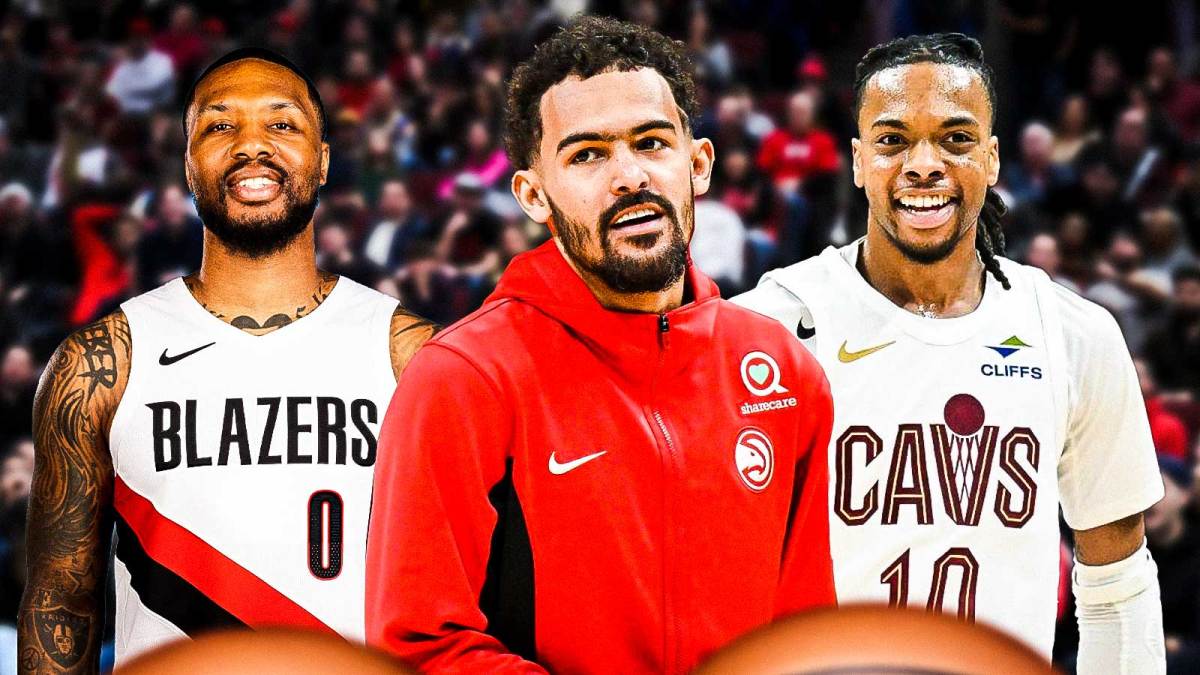
That belief lands at an interesting moment for the league. Aligning with Thomas’ comments, the Atlanta Hawks moved on from Trae Young, sending him to the Washington Wizards in a deal that looked more like a reset than a retool. Atlanta prioritized financial flexibility over star power, signaling fatigue with the ball-dominant, defense-light guard model that once defined modern offense.
Why defense now defines survival for small guards
The shift reflects a broader reckoning around the league. Teams once chased guards who could carry an offense alone. That formula brought fireworks, but it also exposed defensive cracks in playoff environments that hunt weaknesses relentlessly. Executives now value guards who pressure the ball, rotate with urgency, and still make shots when possessions tighten.
Thomas’ argument does not deny reality. He acknowledges that the small guard faces extinction-level pressure. He simply draws a line between size and effort. In his view, guards who defend with purpose, shoot at an elite level, and run offense with discipline can still earn long-term trust.
The league may no longer bend around small guards by default. Still, Thomas believes those willing to fight on both ends can keep the archetype alive longer than critics expect.