For decades, the NBA operated within a simple media structure. Players played. Reporters reported. Networks debated. That hierarchy defined how fans consumed basketball. But today, that structure looks almost unrecognizable.
NBA players are no longer just subjects of coverage. Increasingly, they are becoming the coverage itself.
This transformation did not happen overnight. It evolved alongside social media, digital platforms, and a growing appetite for unfiltered access. What began as occasional player essays and controlled interviews has grown into a fully realized ecosystem of athlete-driven podcasts, YouTube shows, livestreams, and production companies. The athlete no longer waits for a microphone. He owns it.
LeBron James helped accelerate this shift when he co-founded Uninterrupted, a platform built to give athletes direct storytelling control. The premise was simple but powerful. Let players speak in their own voice, without a journalist shaping the narrative. That model changed expectations. Fans realized they preferred first-person insight over recycled talking points.
From that seed grew a forest of player-led content.
James later launched “Mind the Game,” a basketball podcast featuring in-depth analysis alongside JJ Redick and Steve Nash. Instead of postgame clichés, listeners heard detailed breakdowns of defensive schemes, adjustments, and basketball IQ. It was not headline bait. It was high-level conversation. That distinction matters.
The Rise of “New Media”
BREAKING: Draymond Green has filed multiple trademarks for:
➖Green23 Enterprises ™️
➖The New Media ™️The applications cover talent agency services including “management of professional athletes,” as well as podcasts and apparel, per @JoshGerben. pic.twitter.com/TmtRqLtRF4
— Boardroom (@boardroom) November 28, 2022
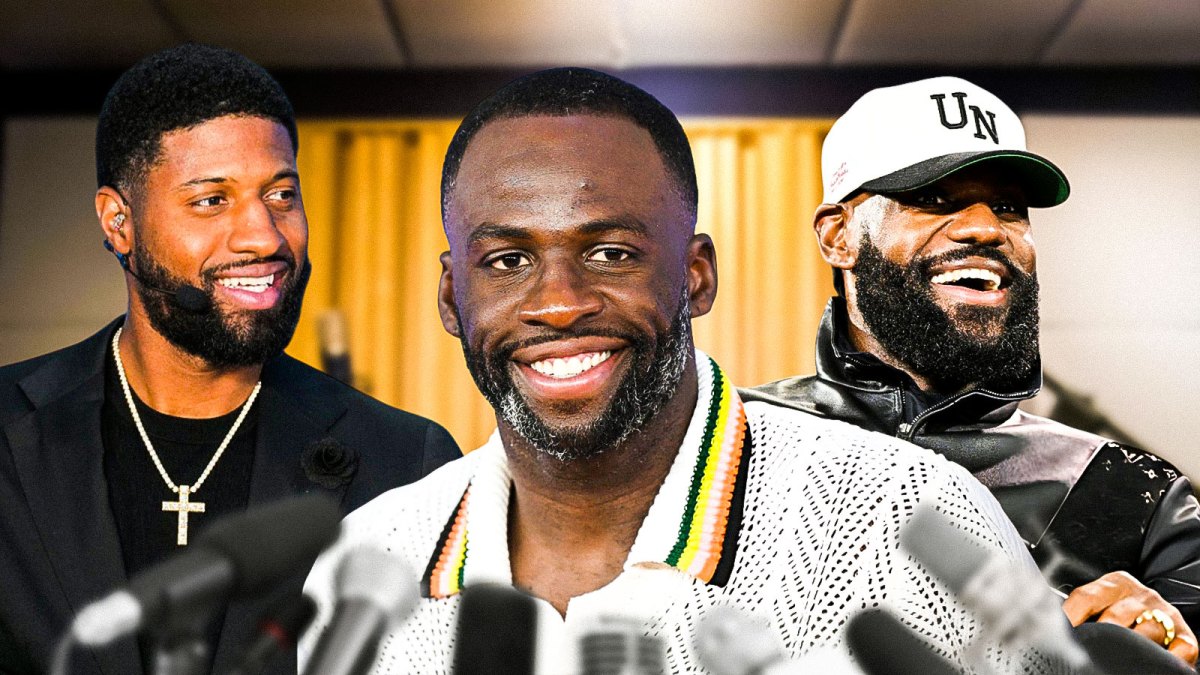
Few players have articulated this evolution more clearly than Draymond Green, per ScoopB. Green regularly uses the term “new media” to describe a modern sports landscape where former and current players control discussion rather than traditional pundits.
Green has criticized what he sees as old media’s reliance on controversy and sensational framing, BasketballNetwork reports. In contrast, he argues that players understand the nuance of locker rooms, schemes, and personalities because they live it. His podcast does not position him as a neutral observer. It positions him as an informed participant.
That perspective resonates with fans who feel fatigued by debate-show theatrics.
The shift toward player-driven platforms extends beyond superstars. Former NBA players Matt Barnes and Stephen Jackson host “All The Smoke,” a long-form podcast built on candid storytelling and cultural commentary, PoundingTheRock reports. The show blends basketball memories with discussions about race, business, and personal growth. It proves that authenticity sells.
Mainstream outlets have noticed. Coverage increasingly acknowledges that players are not just reacting to narratives but actively shaping them. When a star addresses trade rumors on his own podcast, the story cycle changes. Reporters now cite players’ own platforms as primary sources.
This is not a rebellion against journalism. It is an expansion of the ecosystem.
Control, Branding, and Authenticity
Why are players talking more than ever? Three forces drive this movement: control, branding, and authenticity.
Control matters because players understand how easily narratives spiral. In previous eras, athletes depended on press conferences to clarify misconceptions. Today, they can upload a 60-minute episode explaining context in real time. That ability shifts power.
Branding also plays a role. Athletes now view themselves as multimedia entities. They do not just endorse products. They build platforms. New media allows them to cultivate identity beyond statistics. A player can discuss film study one week and entrepreneurship the next. That layered identity strengthens long-term brand value.
But authenticity might be the most important factor.
Fans crave proximity. They want stories from inside the locker room, not just outside speculation. They want to hear how a player processed a playoff loss or navigated a contract year. Long-form podcasts provide space for vulnerability that a 30-second television clip cannot deliver.
The numbers reflect this appetite. Player-hosted shows routinely trend across sports charts and generate viral clips on social platforms, Yahoo reports. Conversations once confined to team buses now circulate globally within hours.
This dynamic has redefined accountability too. When players criticize media coverage, those comments no longer fade. They spark meta-conversations about journalism itself. Green’s critiques of old media narratives, for example, have triggered industry-wide debates about tone and responsibility.
The result is not the elimination of traditional sports media. It is competition.
Reporters still break news. Analysts still contextualize trends. But players now sit at the same table, not across from it. The power structure flattened.
There is also a generational component. Younger athletes grew up online. They understand algorithms, engagement metrics, and digital culture intuitively. Speaking directly to an audience feels natural. Silence feels outdated.
And so, NBA players are talking more because they can. Because fans listen. Because platforms reward it. Because silence leaves narrative control in someone else’s hands.
The league remains a spectacle of athletic brilliance. But the surrounding conversation has transformed into something more participatory. The athlete as passive subject has faded. The athlete as storyteller has arrived.
The term “new media” captures more than a trend. It describes a redistribution of voice. Players now analyze games, critique coverage, defend teammates, and unpack strategy in real time. They bypass filters. They set tone.
And the audience follows.
Basketball still unfolds on hardwood courts. But its meaning increasingly unfolds in microphones, cameras, and comment sections controlled by the players themselves.
That shift may define this era as much as any championship run.