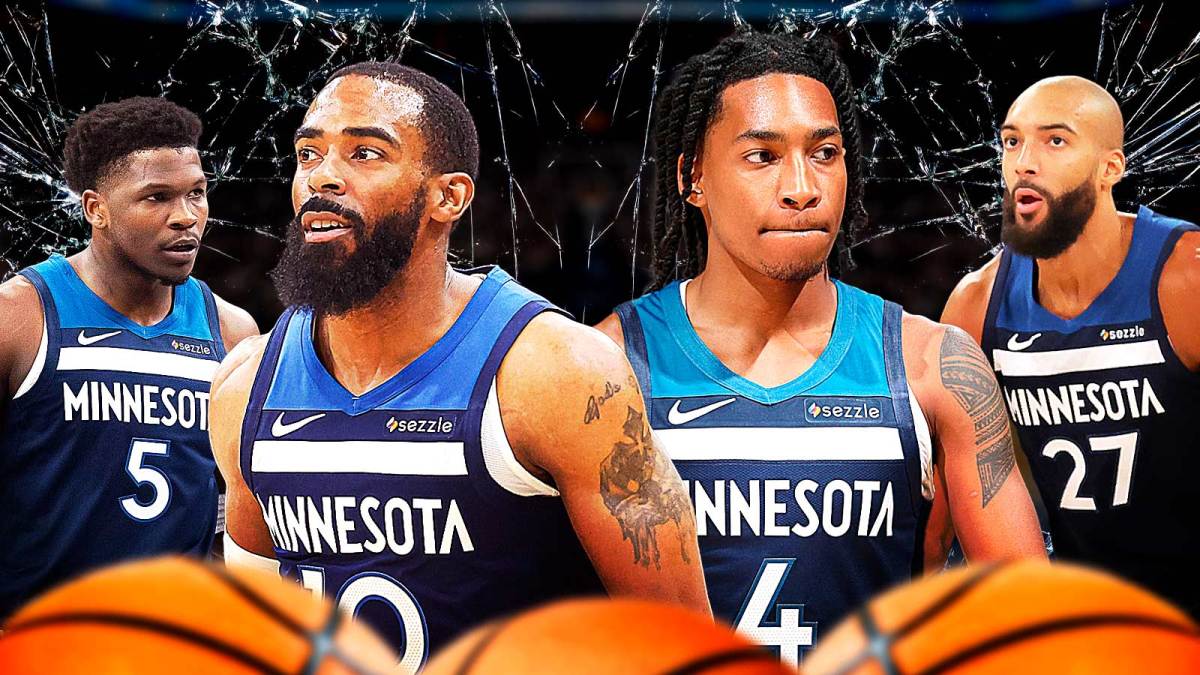
The Minnesota Timberwolves are walking the tightrope. They approached the 2026 NBA trade deadline from a position most franchises envy. They were competitive, cohesive, and firmly planted in the Western Conference playoff race. Sometimes, though, the most consequential mistakes aren’t the loud, franchise-altering blunders. They’re the subtle moves rooted in opportunity cost, timing, and asset valuation. For Minnesota, the deadline wasn’t defined by what they did wrong on the surface. It was defined by the price they paid for marginal gains. At the same time, a far bigger strategic picture might have quietly slipped through their fingers.
Ascension and identity
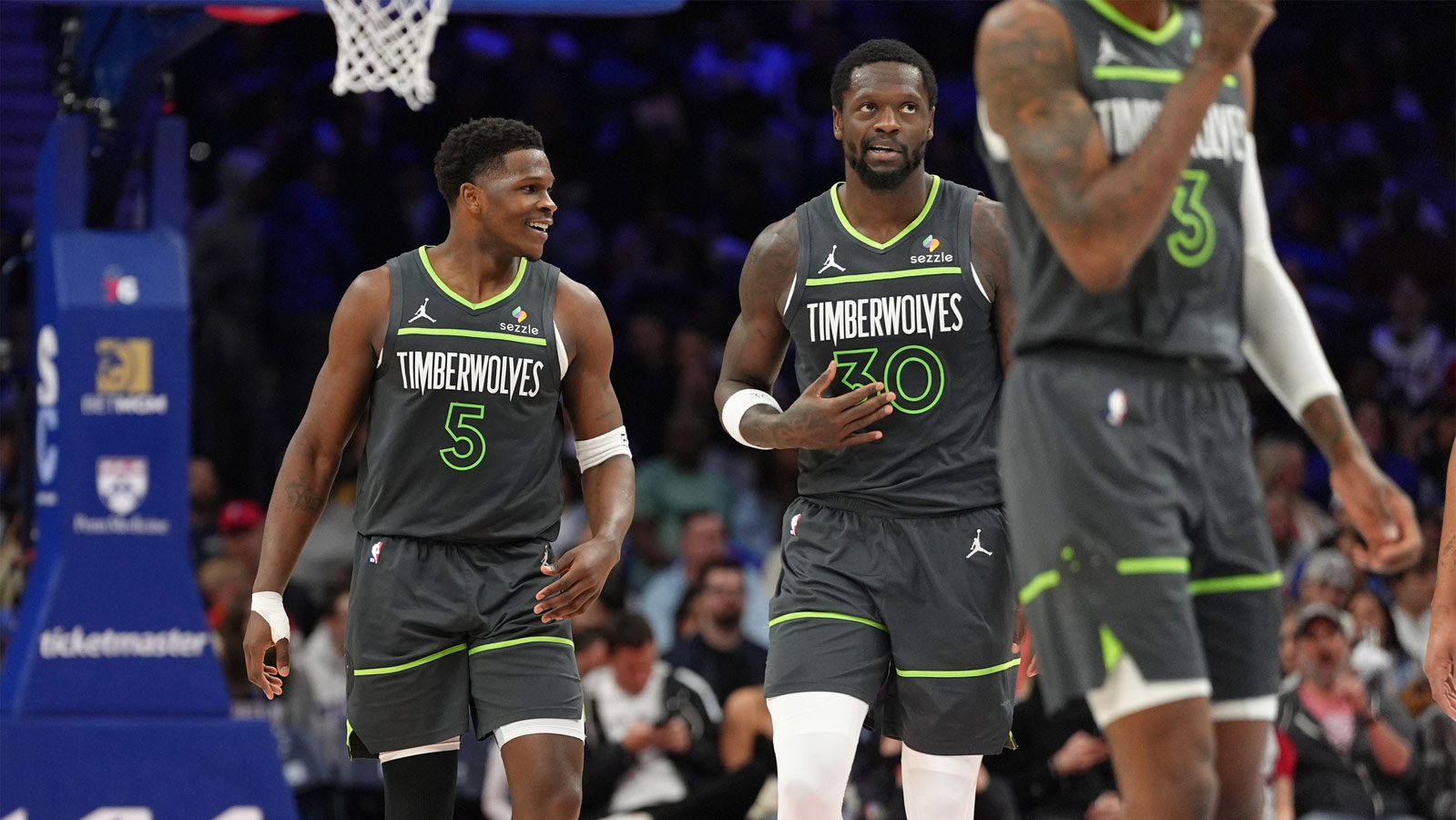
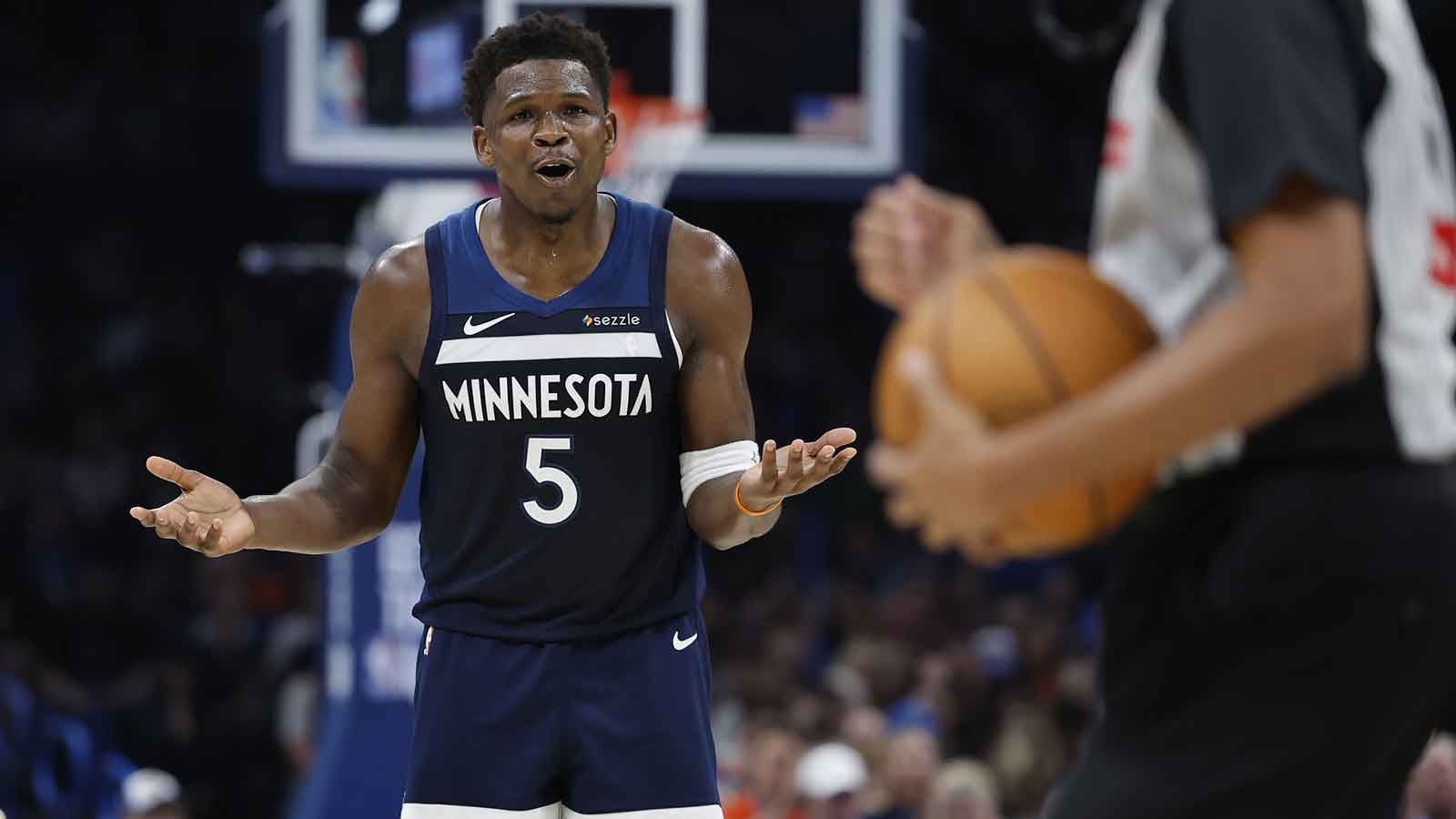
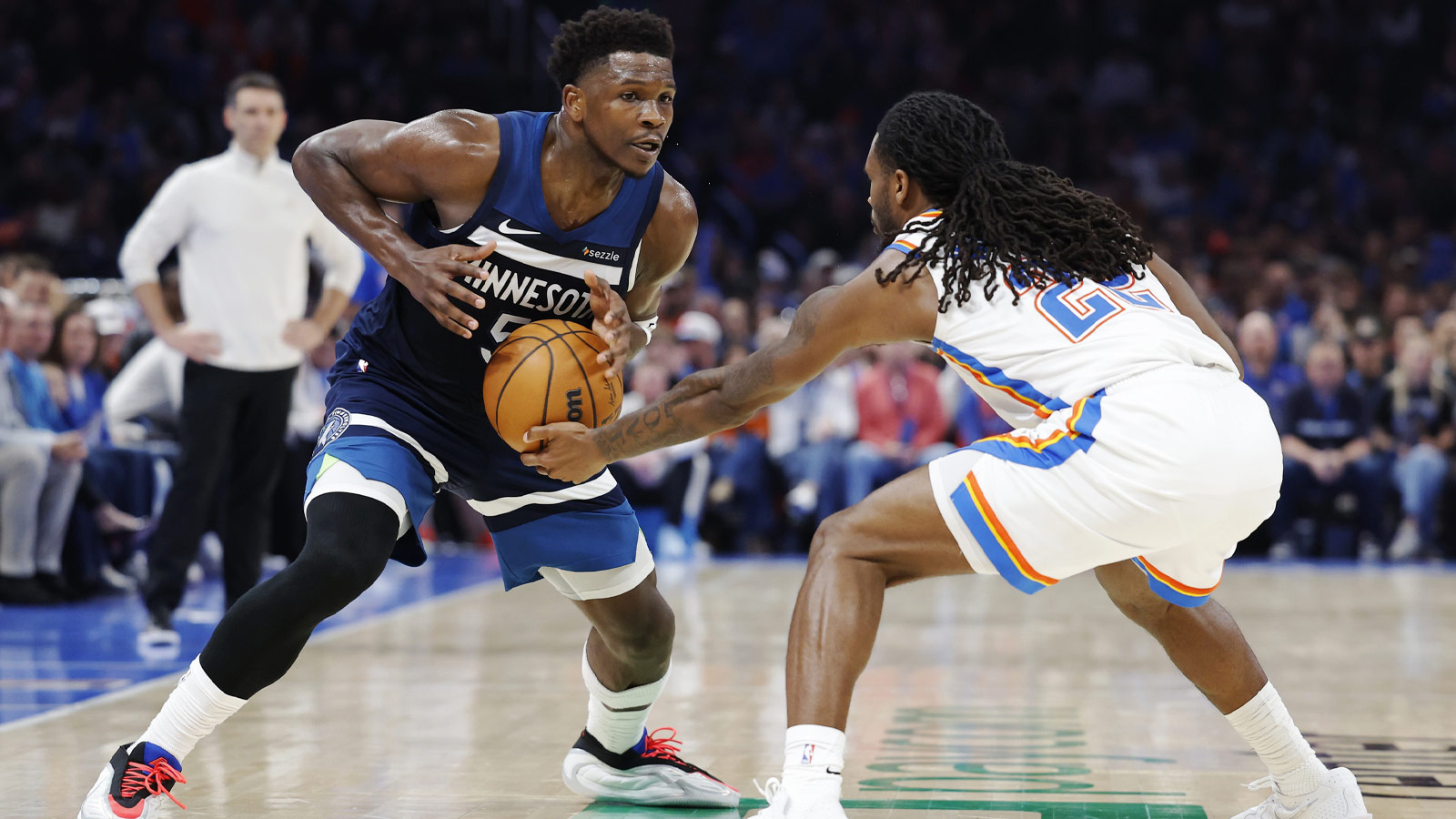
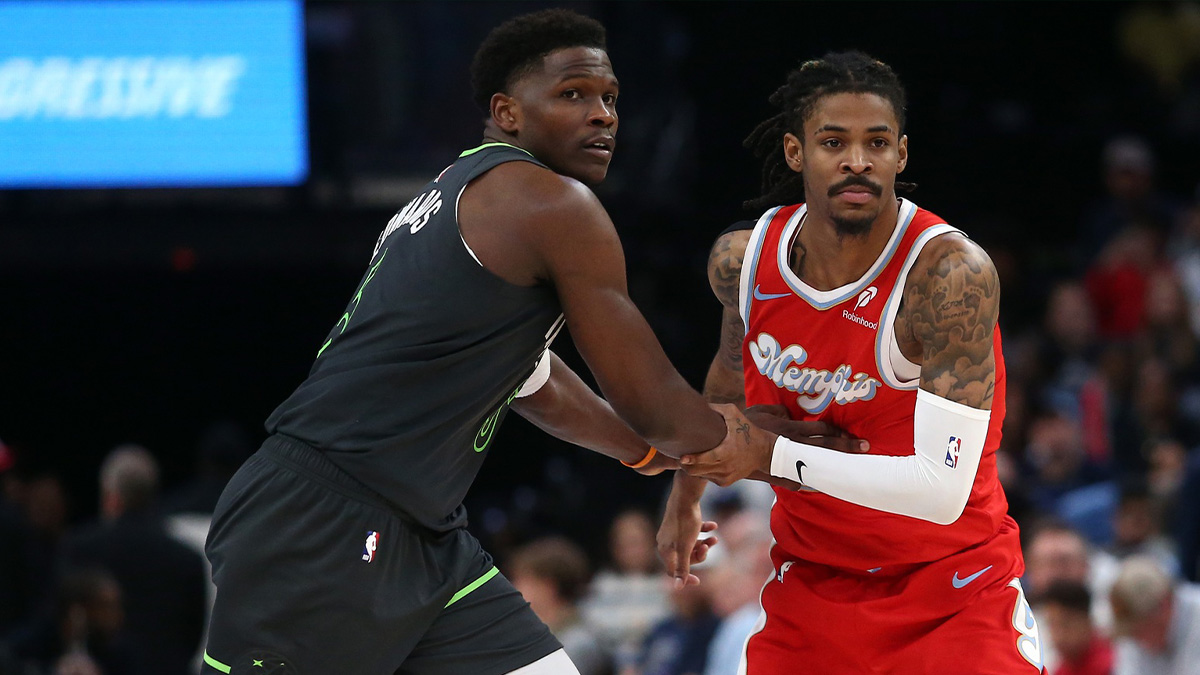
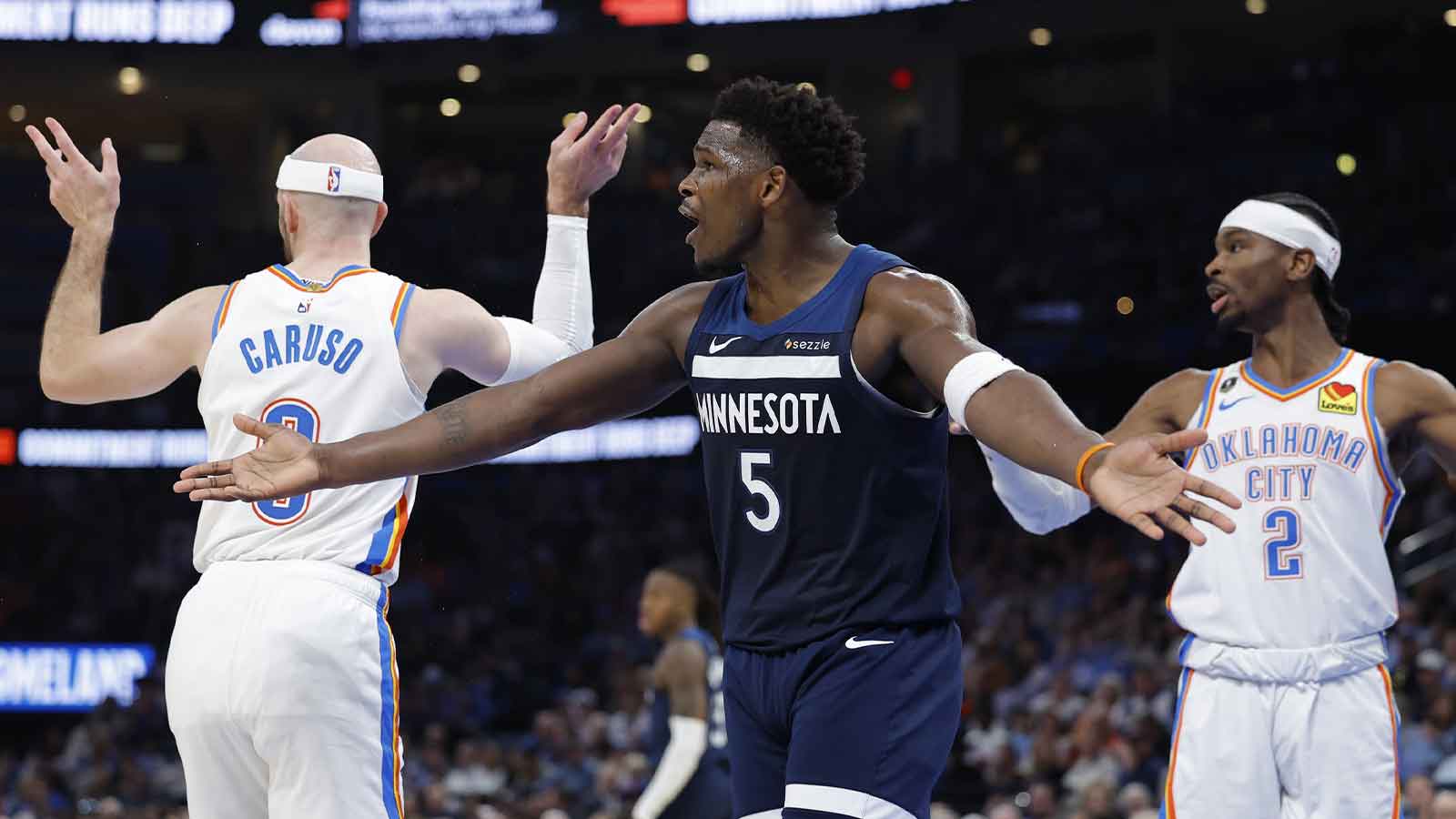
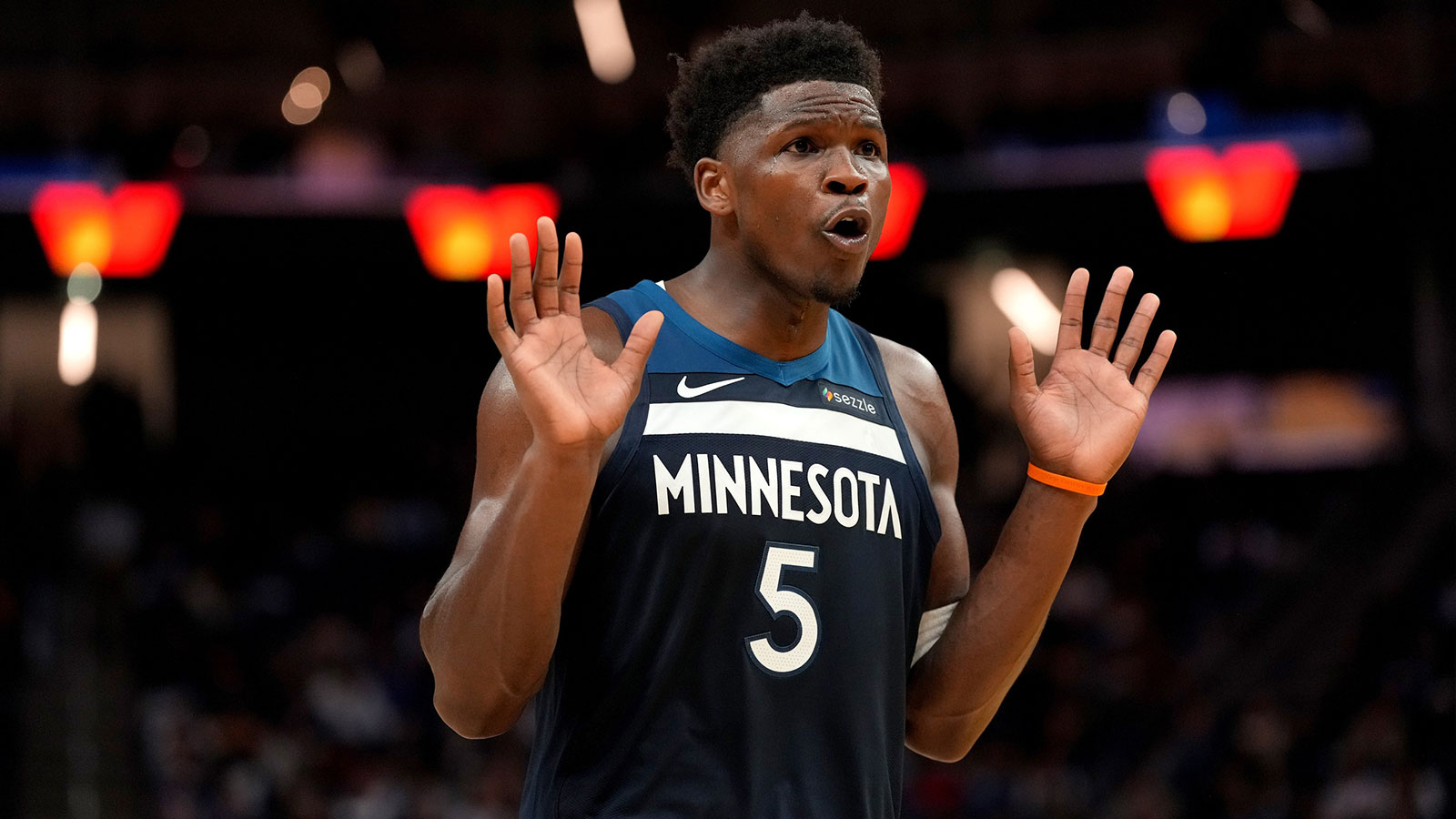
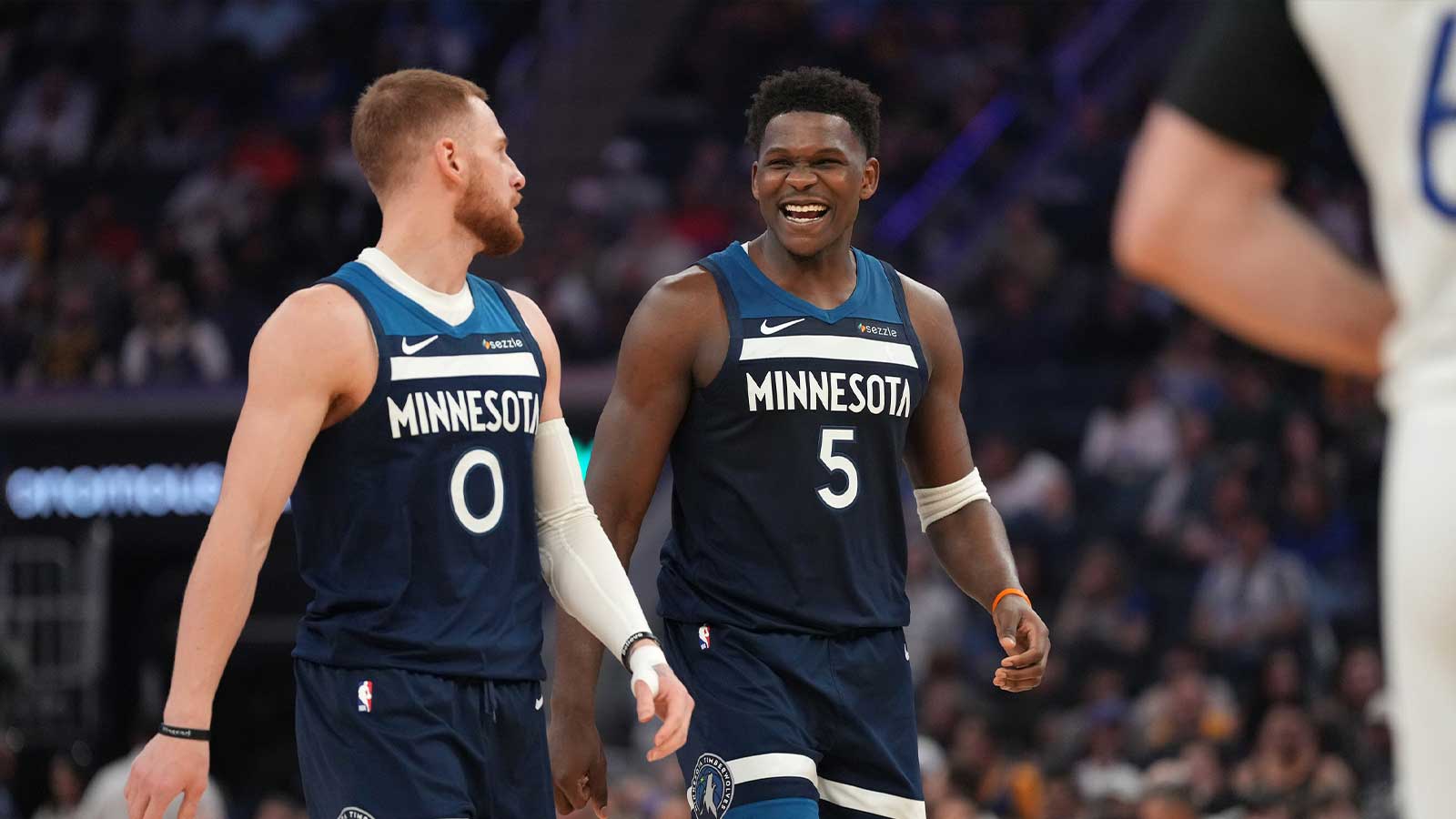
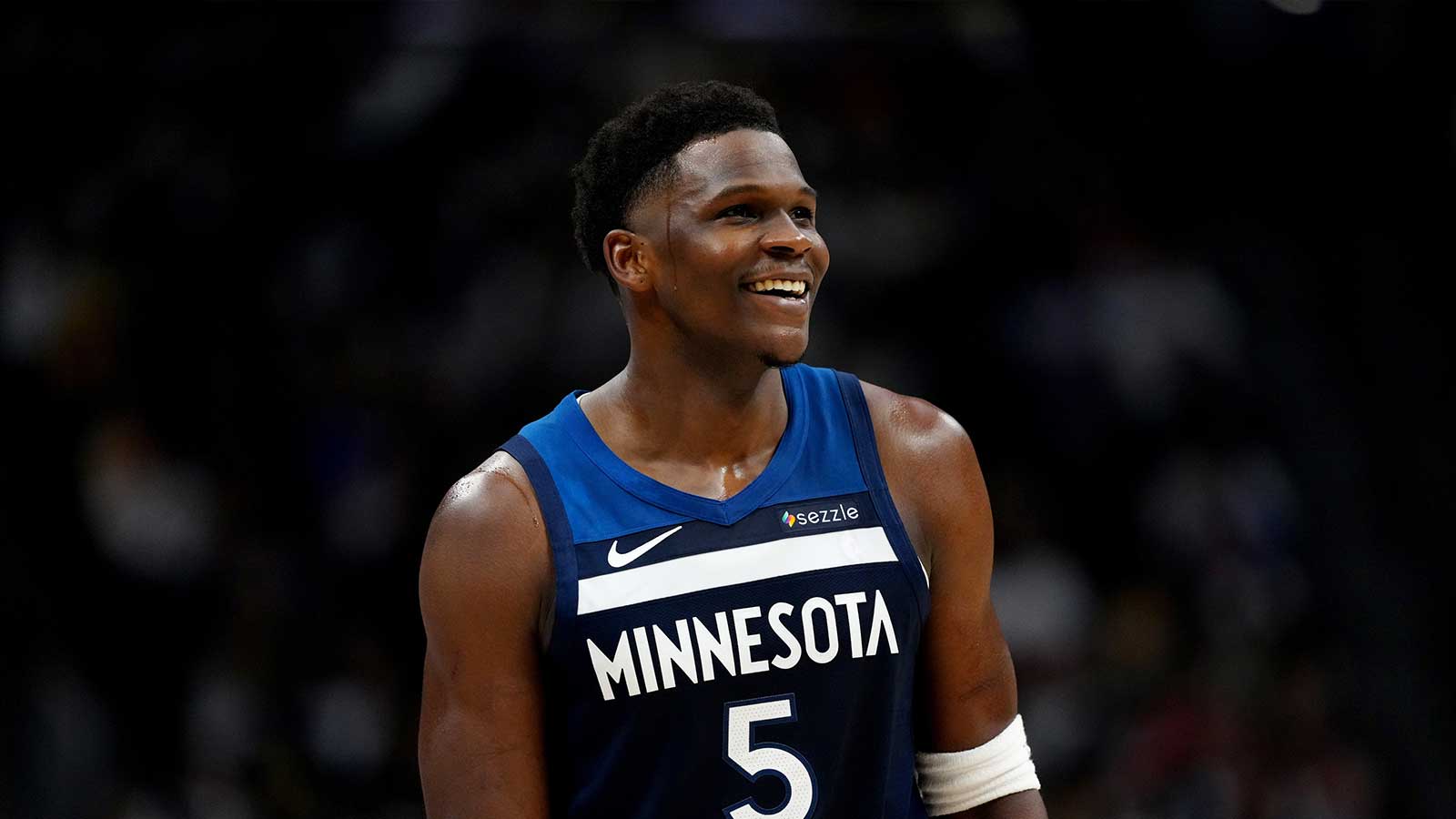
The Timberwolves enter the final stretch of the 2025-26 season with a 32-21 record. That places them 6th in the Western Conference. The campaign has been fueled by Anthony Edwards’ continued ascension into the league’s elite tier. He leads the team with a staggering 29.8 points per game on career-best efficiency. Edwards has transformed from rising star to nightly offensive engine. He can carry Minnesota through scoring droughts and late-game pressure.
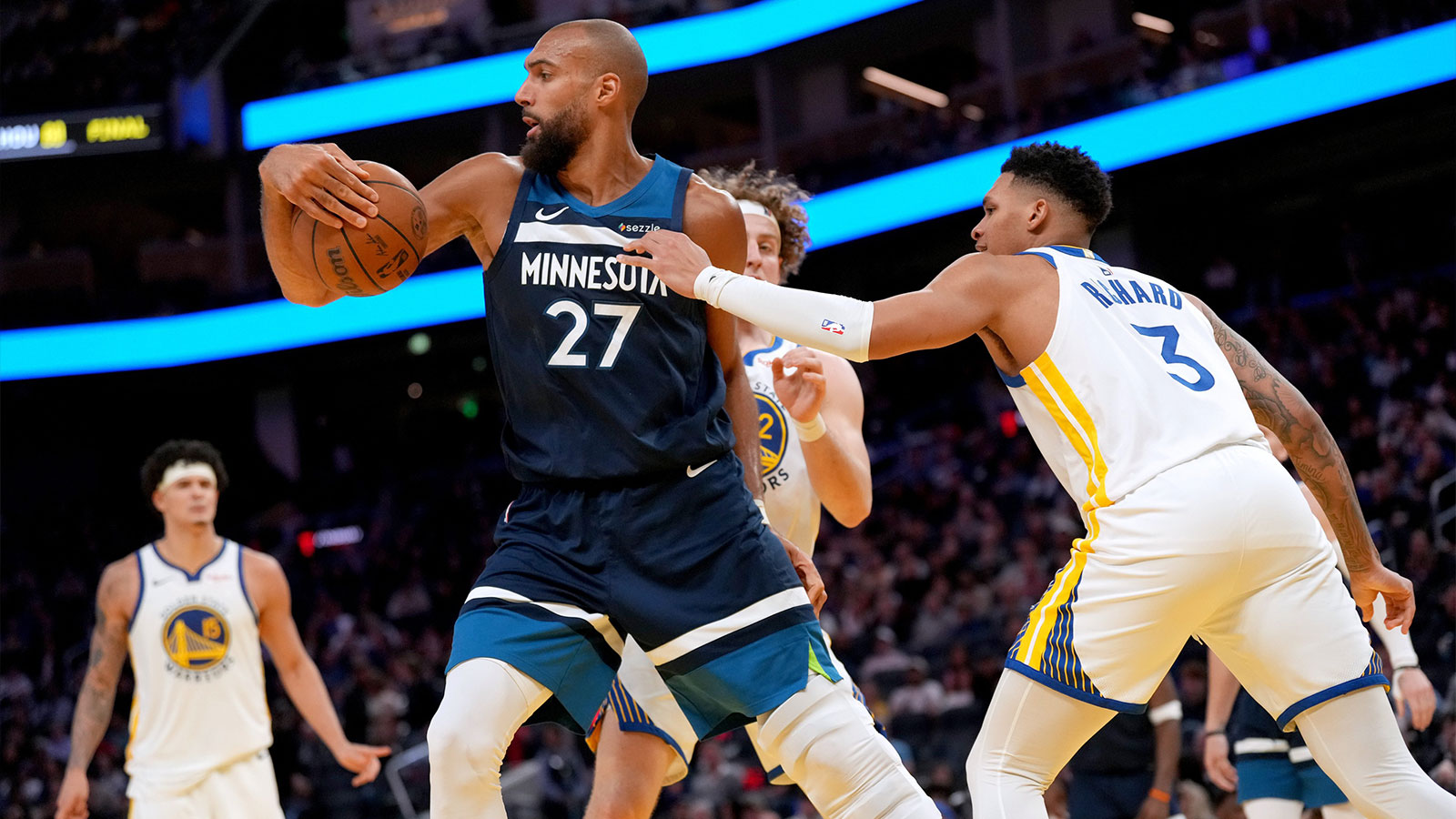
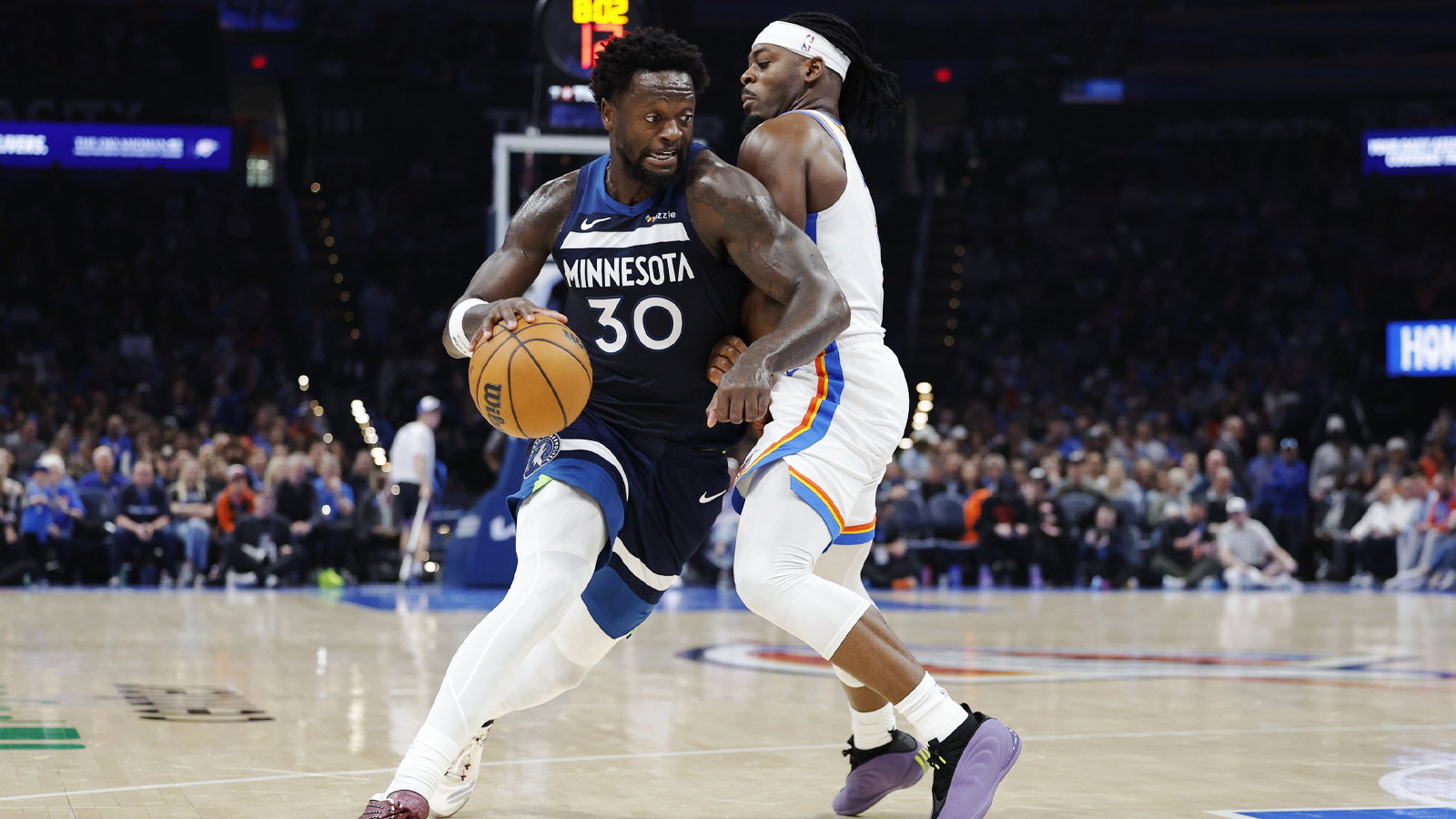
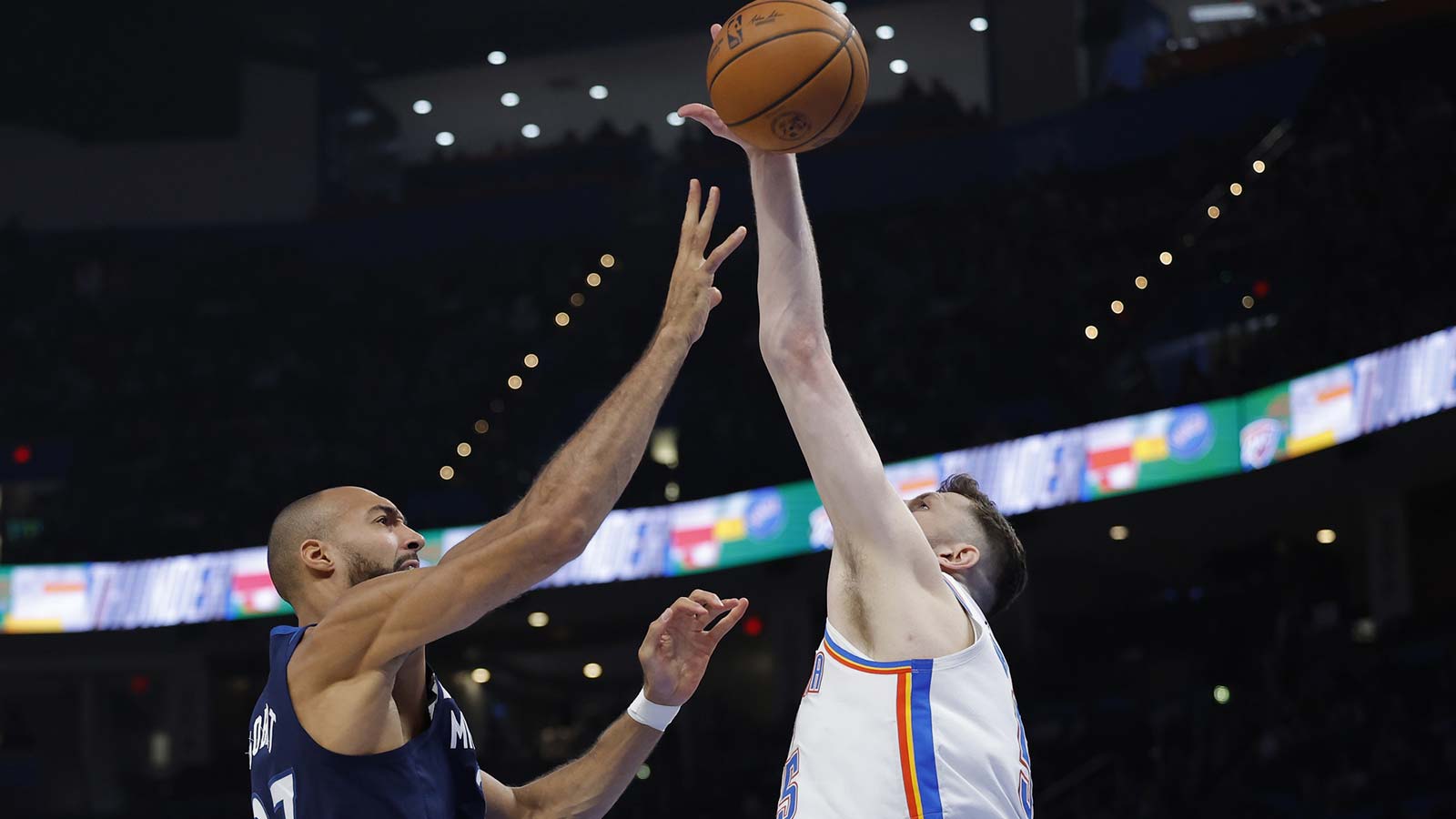
Alongside him, the frontcourt pairing of Julius Randle and Rudy Gobert has given the Wolves structural stability. Randle’s 22.2 points per game have provided physical downhill scoring. Gobert continues to anchor the defense with elite rim deterrence. Together, they’ve forged an identity built on size, rebounding, and interior control.
Still, the road hasn’t been seamless. A long-term foot injury to Terrence Shannon Jr thinned the wing rotation. Also, a mid-season slump with five losses in 10 games exposed bench inconsistency and playmaking fatigue behind Edwards. It was clear Minnesota needed reinforcement, particularly within its second unit.
Deadline pivot
In response, the Timberwolves were active at the February 5 deadline. They acquired Ayo Dosunmu and Julian Phillips from the Chicago Bulls. The move signaled a win-now shift. It also prioritized defensive depth and rotational reliability ahead of a postseason push.
The cost, however, has sparked debate. Minnesota parted ways with Rob Dillingham, the 8th overall pick in 2024, along with Leonard Miller and four second-round picks. For a team already light on tradable draft capital after previous blockbuster deals, the outflow of young assets raised eyebrows.
On paper, the trade strengthens Minnesota’s rotation. In practice, it may have sacrificed long-term upside for short-term steadiness.
Chasing Giannis, losing the bench
The Timberwolves’ deadline can’t be evaluated in isolation. It unfolded under the shadow of the Giannis Antetokounmpo sweepstakes.
Minnesota entered February aggressively linked to the superstar pursuit. Front-office focus, trade modeling, and asset preservation were all geared toward potentially landing a transformational piece.
When that blockbuster failed to materialize, the Wolves redirected resources toward a depth play that may have cost more than intended.
The result: a roster slightly improved for May, but potentially weakened for the next five years.
Dillingham disposal
The most jarring element of the deadline was Minnesota’s admission of defeat on Dillingham. Less than two years ago, the Wolves paid a steep price to draft him. They moved a 2031 unprotected first and a 2030 swap to climb into lottery position. He was envisioned as a microwave scorer and long-term backcourt heir to Conley.
Dillingham, however, struggled to crack the rotation consistently. Flashes of shot creation and bench scoring remained evident, though. Moving a 21-year-old lottery talent, who is still on a cost-controlled deal, for role-player upgrades represents a steep depreciation of asset value.
In essence, Minnesota sold low on a player they once paid premium capital to acquire. This is a second-apron team starving for young, affordable contributors. With that, this move pushes a dangerous precedent.
Opportunity cost
The Wolves’ biggest mistake wasn’t necessarily trading for Dosunmu. It was the time they lost chasing a different prize. By remaining tethered to Giannis negotiations deep into deadline week, Minnesota delayed alternative roster upgrades, particularly in the frontcourt. That hesitation proved costly.
In the immediate post-deadline stretch, vulnerabilities surfaced. A home loss to a sub-.500 Pelicans squad highlighted interior defensive fatigue. Randle struggled to contain Zion Williamson in isolation and transition.
Had Minnesota pivoted earlier, attainable big-man reinforcements such as Ivica Zubac or Mason Plumlee were available at modest acquisition costs. Instead, the Wolves reinforced guard depth while leaving their frontline insurance thin behind Gobert and Randle.
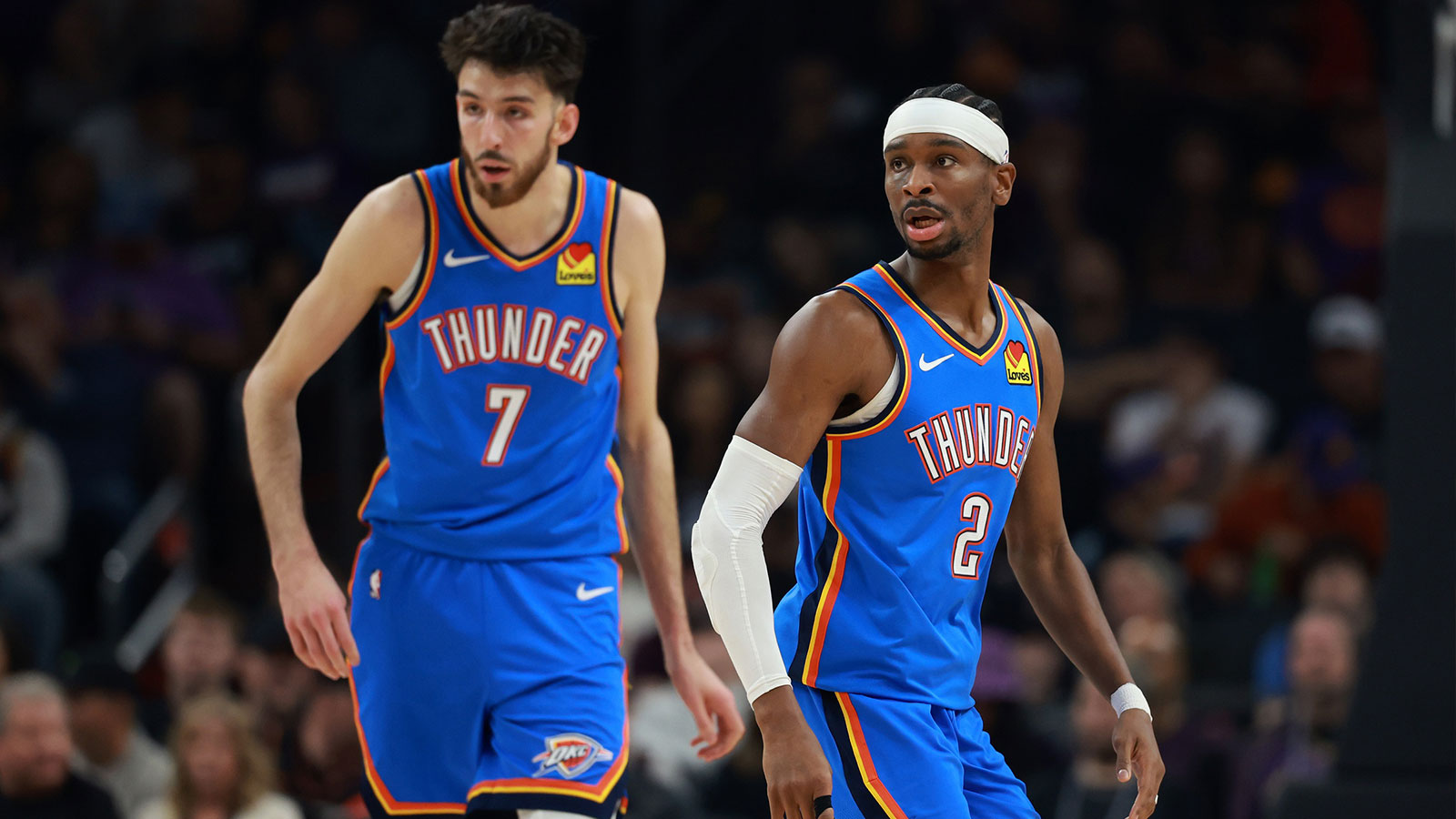
In a playoff gauntlet featuring Nikola Jokic, Chet Holmgren, and Victor Wembanyama, that imbalance looms large.
Financial gamble
Then came the most fascinating wrinkle of Minnesota’s deadline maneuvering: the Mike Conley round-trip.
In a tax-saving move, the Wolves dealt Conley to Chicago. They cleared roughly $11 million in salary. The Bulls subsequently routed him to Charlotte. The Hornets waived him. Now, Conley will likely re-sign with Minnesota on a veteran minimum deal this week.
From a cap-management standpoint, it was brilliant. The maneuver slashed Minnesota’s luxury tax bill from approximately $24 million to $3.8 million. Culturally and competitively, however, it carried risk.
The Wolves briefly left themselves without a stabilizing lead guard. They are now banking on a 38-year-old Conley to reintegrate seamlessly after transactional whiplash. Fans are eager to see how this plays out.
Depth gained, upside lost
There’s no denying Dosunmu helps Minnesota now. His perimeter defense, secondary playmaking, and transition energy fit seamlessly alongside Edwards. Phillips also adds wing athleticism. The bench is more playable. The playoff rotation is tighter.
Still, championships aren’t won solely in the present. They’re sustained through asset layering.
By offloading Dillingham, Miller, and multiple seconds, Minnesota narrowed its developmental pipeline. Future trade flexibility shrank. Cheap scoring upside disappeared.
For a franchise operating deep into the tax and apron structure, young contributors are currency. Minnesota spent that currency on incremental upgrades.
Final word
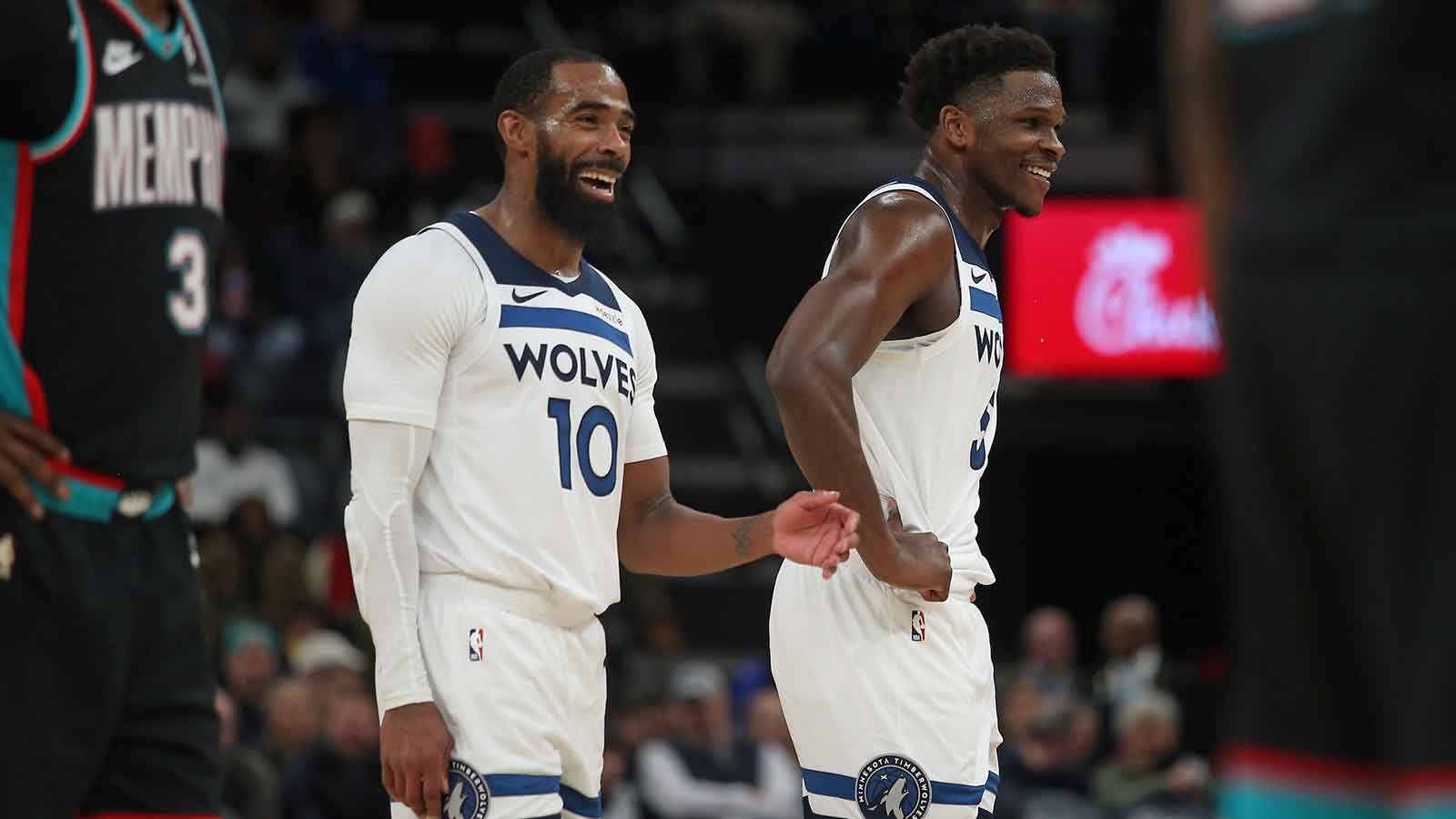
The Timberwolves didn’t implode their future at the 2026 trade deadline. They may have chipped at it, though.
Chasing Giannis cost them time. Pivoting late cost them value. Moving Dillingham cost them upside. The Conley loophole saved money but risked rhythm.
Individually, each move is defensible. Collectively, they could represent a subtle but significant miscalculation. Minnesota is paying premium assets for marginal elevation. Of course, they remain dangerous this season. When the bill for this deadline comes due, though, Minnesota won’t pay for it in wins or losses. They might pay for it in what they no longer have left to trade.