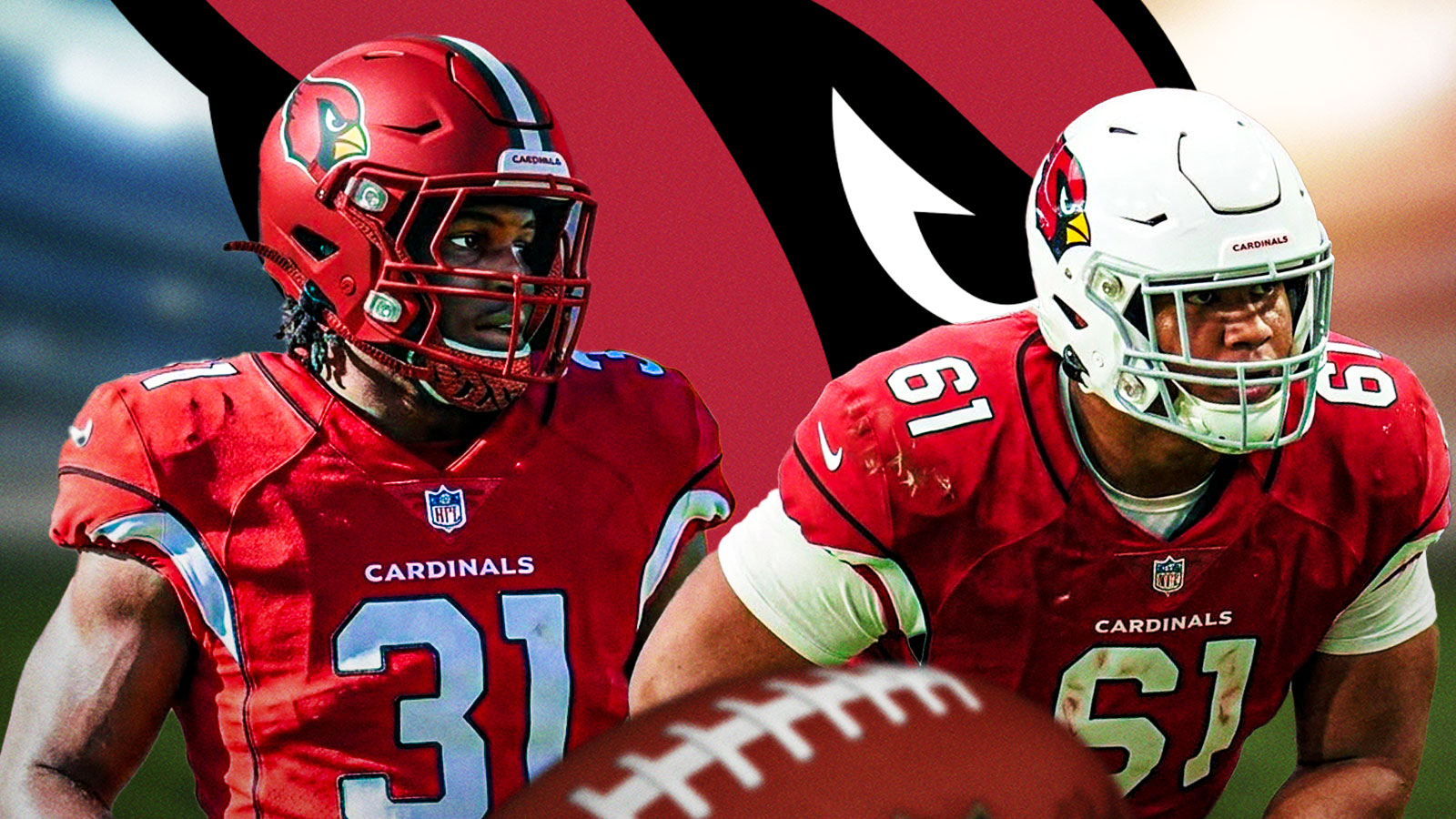
Draft season always carries intrigue. In Arizona, though, it feels existential. The Cardinals are charting the course of an organizational overhaul that could reshape the franchise for the next decade. They hold the No. 3 overall pick after a catastrophic 2025 campaign. As such, Arizona sits at the epicenter of the 2026 NFL Draft conversation. Every mock projection, front-office rumor, and scouting whisper circles the same core question. Will the Cardinals build protection, ignite the pass rush, or pivot toward a full quarterback succession plan? The early consensus paints a clear picture. Arizona should prioritize foundational trench talent as it begins constructing Mike LaFleur’s long-term vision.
Injury-ravaged collapse
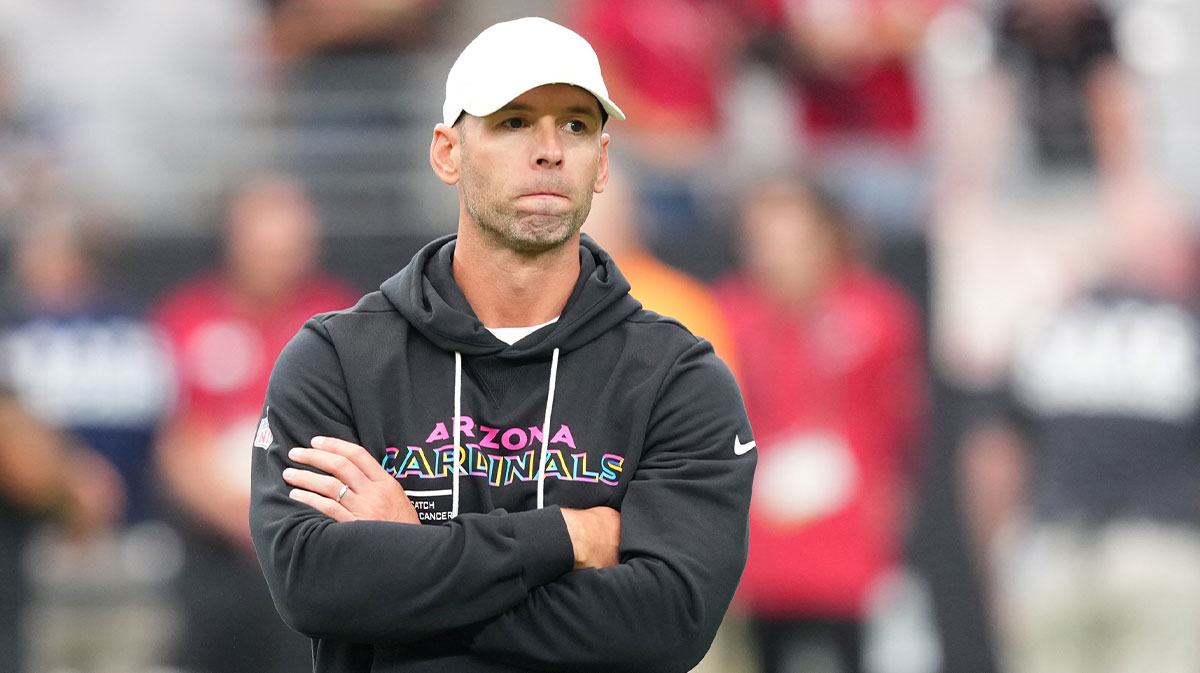
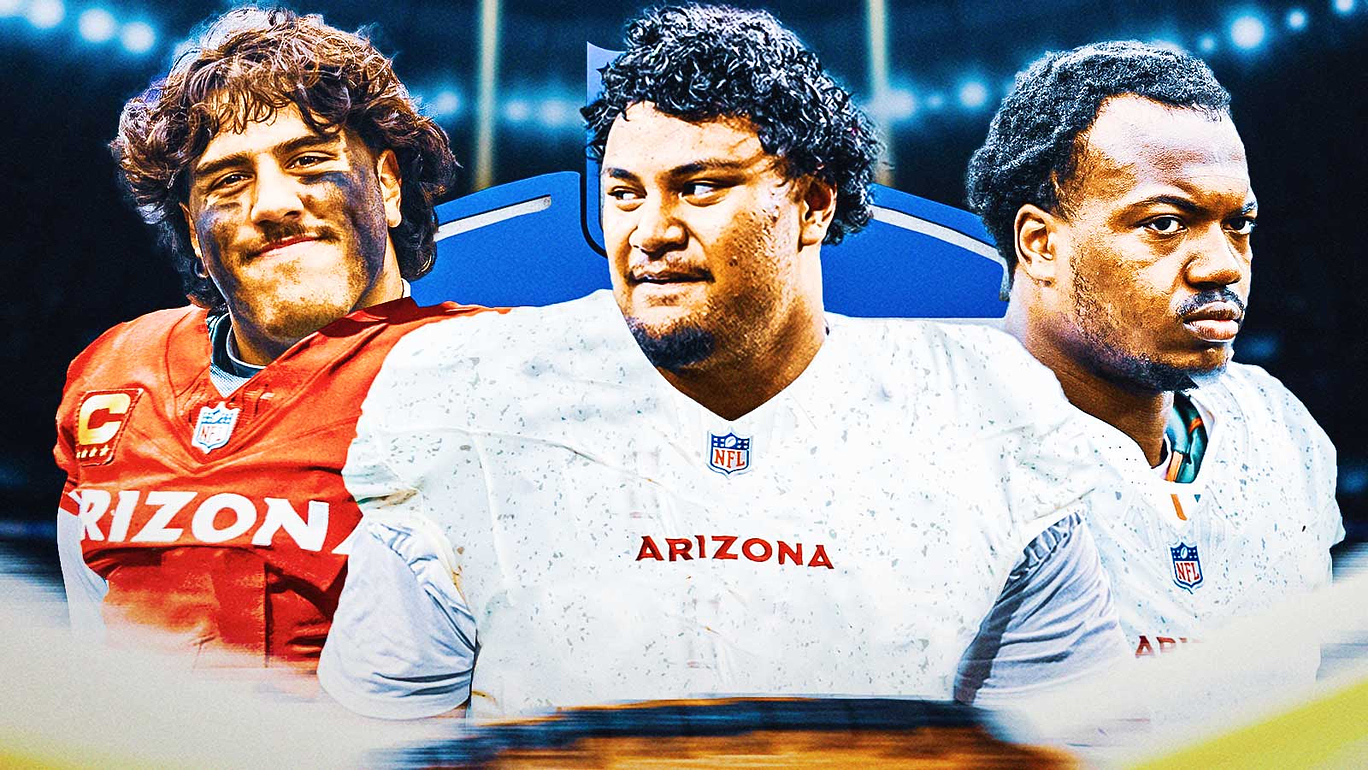
The Cardinals’ 2025 campaign began with a glimmer of hope that quickly dissolved into a franchise-altering collapse. After a promising 2-0 start, the team went a disastrous 1-14 over the remainder of the season. A relentless wave of injuries served as the season’s primary antagonist. This claimed Kyler Murray, James Conner, and rookie Walter Nolen III for extended periods. Amidst the carnage, Trey McBride solidified his status as an elite tight end. Michael Wilson also emerged as a legitimate WR1 threat by surpassing the 1,000-yard mark. However, the lack of depth and defensive consistency ultimately led to the dismissal of head coach Jonathan Gannon. That has left new hire Mike LaFleur to pick up the pieces as the organization enters a pivotal 2026 offseason.
Rebuild blueprint
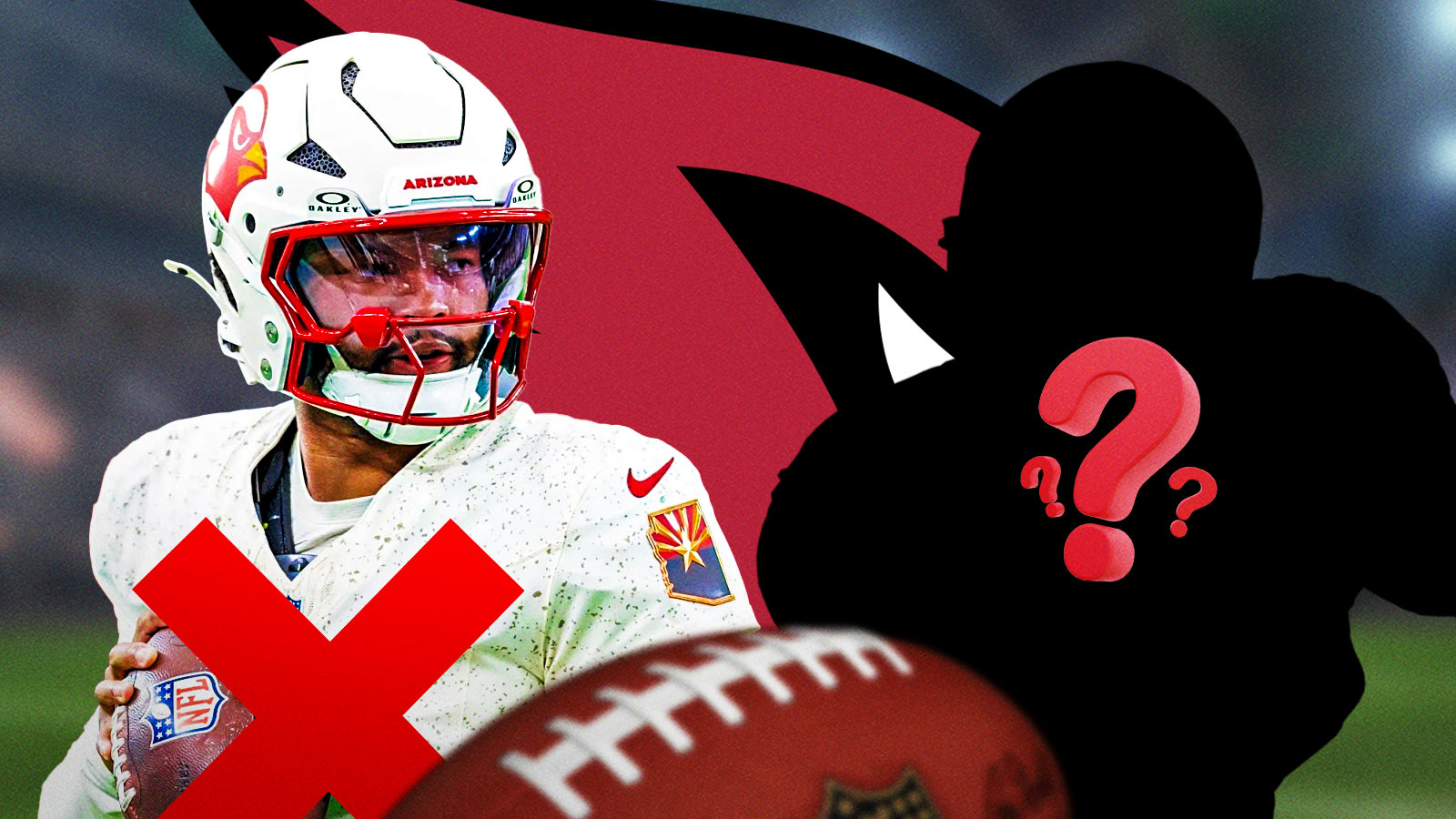
Heading into the 2026 NFL Draft, the Cardinals' roster is defined by a massive gap between their schematic ambitions and their current personnel. The primary objective is stabilizing the offensive line. As Jonah Williams hits free agency, finding a high-level run-blocking right tackle to bookend with Paris Johnson Jr is the consensus top priority. However, the needs extend deep into a defense that ranked near the bottom of the league in 2025. They need a game-wrecking edge rusher and a long-term solution at safety. Budda Baker and Jalen Thompson face uncertain futures. Perhaps most pivotally, the front office must decide whether to commit to a full rebuild by moving on from Murray. That choice would immediately make quarterback of the future the team’s most desperate-and expensive-requirement.
Here are some potential first-round picks based on pundits following the Cardinal.
OL Francis Mauigoa, Miami (FL)
Field Yates & Matt Miller, ESPN; Chad Reuter, NFL.com; Nate Tice·Charles McDonald, Yahoo! Sports; Garrett Podell, CBS Sports
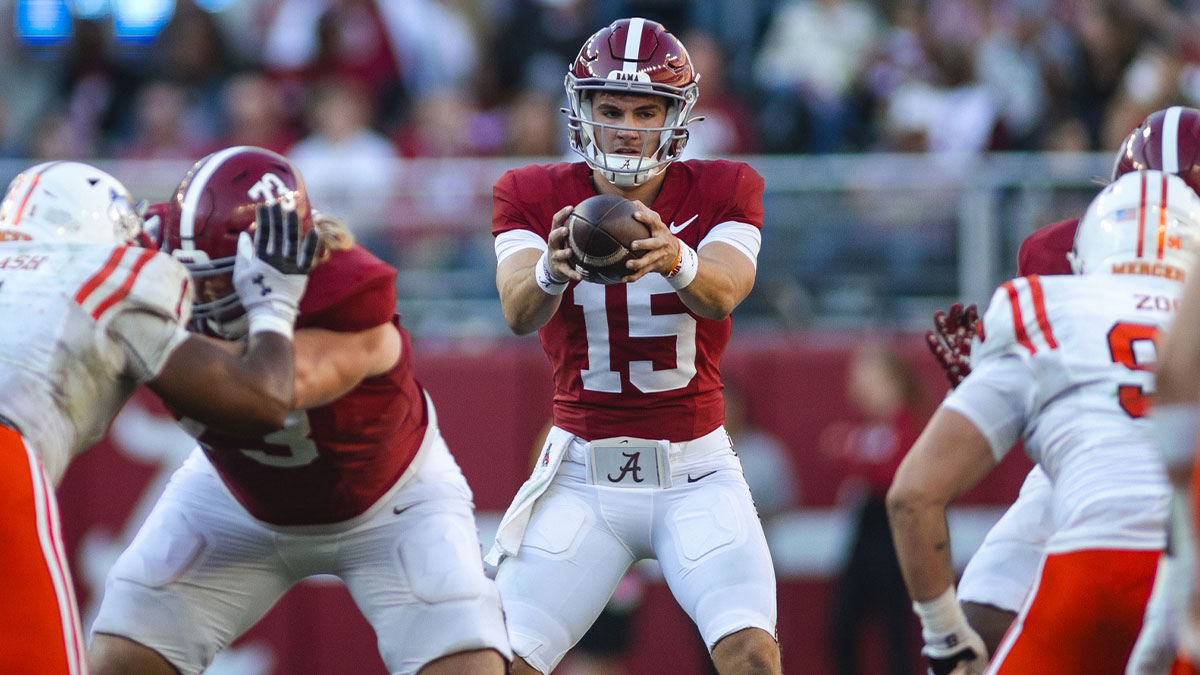
If early mock draft momentum is any indicator, Miami offensive tackle Francis Mauigoa currently sits atop Arizona’s draft board projections. He appears in a majority of expert mocks at No. 3 overall. As things stand, Mauigoa represents the cleanest philosophical alignment with LaFleur’s incoming offensive identity.
At 6-foot-6 and roughly 335 pounds, Mauigoa blends rare mass with three full seasons of starting experience at right tackle. His power profile makes him a devastating force in downhill and zone-run concepts alike. He can seal edges and create rushing lanes essential to LaFleur’s outside-zone structure.
The broader narrative driving this projection is rooted in organizational pragmatism. Whatever happens at quarterback in 2027, stabilizing the offensive line becomes non-negotiable. Pairing Mauigoa with Johnson Jr would give the Cardinals two former top-tier tackle investments as bookends. That kind of protection-first infrastructure can accelerate any offensive transition.
OL Spencer Fano, Utah
Brent Sobleski, BleacherReport; Daniel Jeremiah, NFL.com
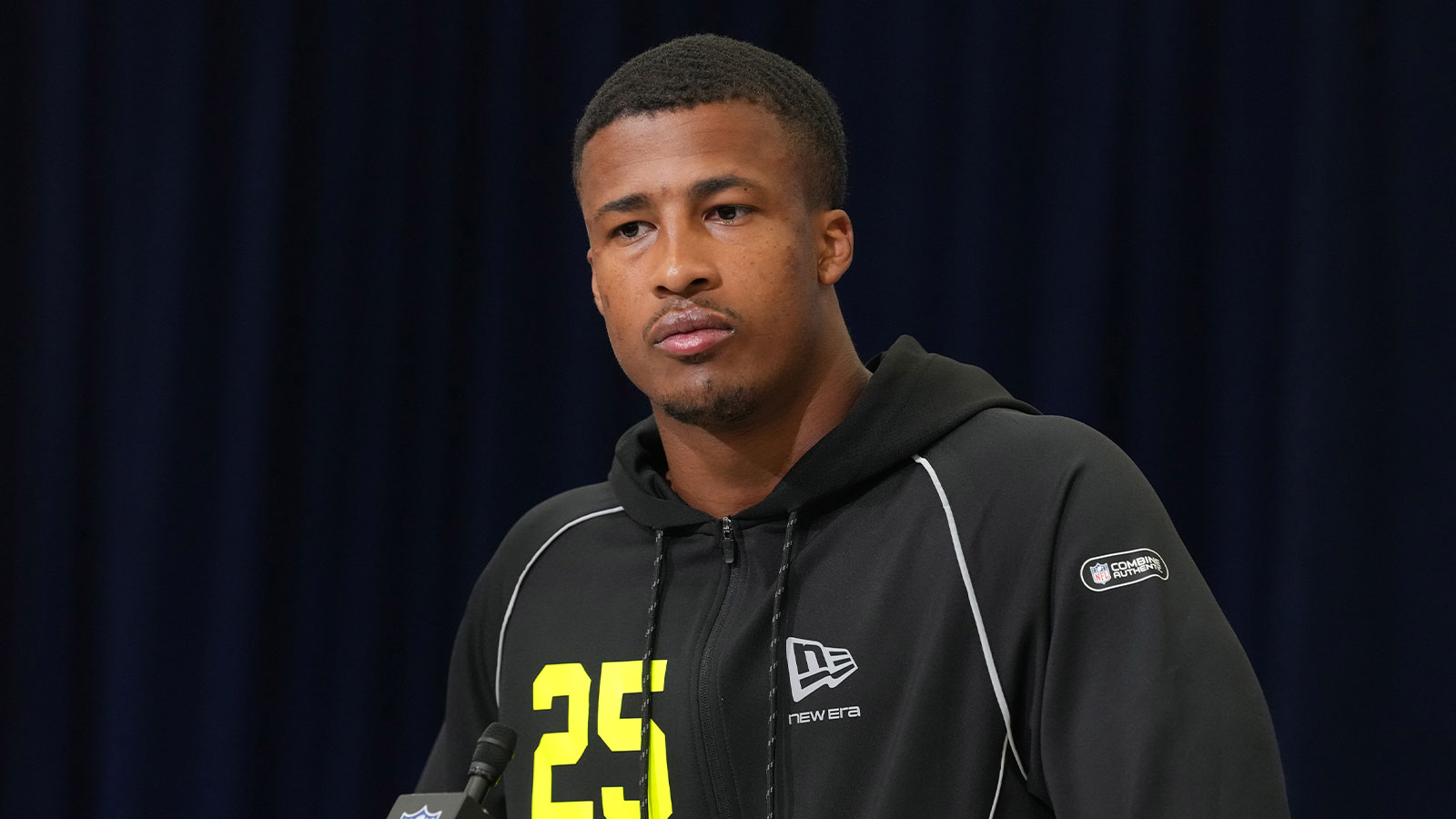
Should Arizona prioritize mobility and schematic versatility over sheer power, Utah tackle Spencer Fano looms as the most viable alternative at No. 3. Sure, Mauigoa wins with force. Still, Fano thrives on movement efficiency and spatial control.Those traits are tailor-made for LaFleur’s system.
Scouting models consistently highlight Fano’s footwork and processing speed as elite. His ability to mirror edge rushers in pass protection makes him one of the most complete tackles in the class. Advanced grading metrics reinforce that profile. Several analytics platforms even cite his outside-zone blocking grade among the highest in college football.
From a projection standpoint, Fano is widely viewed as the “safer” technical prospect. If pre-draft evaluations tilt toward pass-protection reliability and lateral agility rather than raw trench displacement, he could easily leapfrog Mauigoa as Arizona’s preferred selection. In many ways, the decision between the two tackles reflects philosophical nuance rather than talent disparity. It's power versus precision in shaping the Cardinals’ offensive future.
EDGE Rueben Bain Jr, Miami (FL)
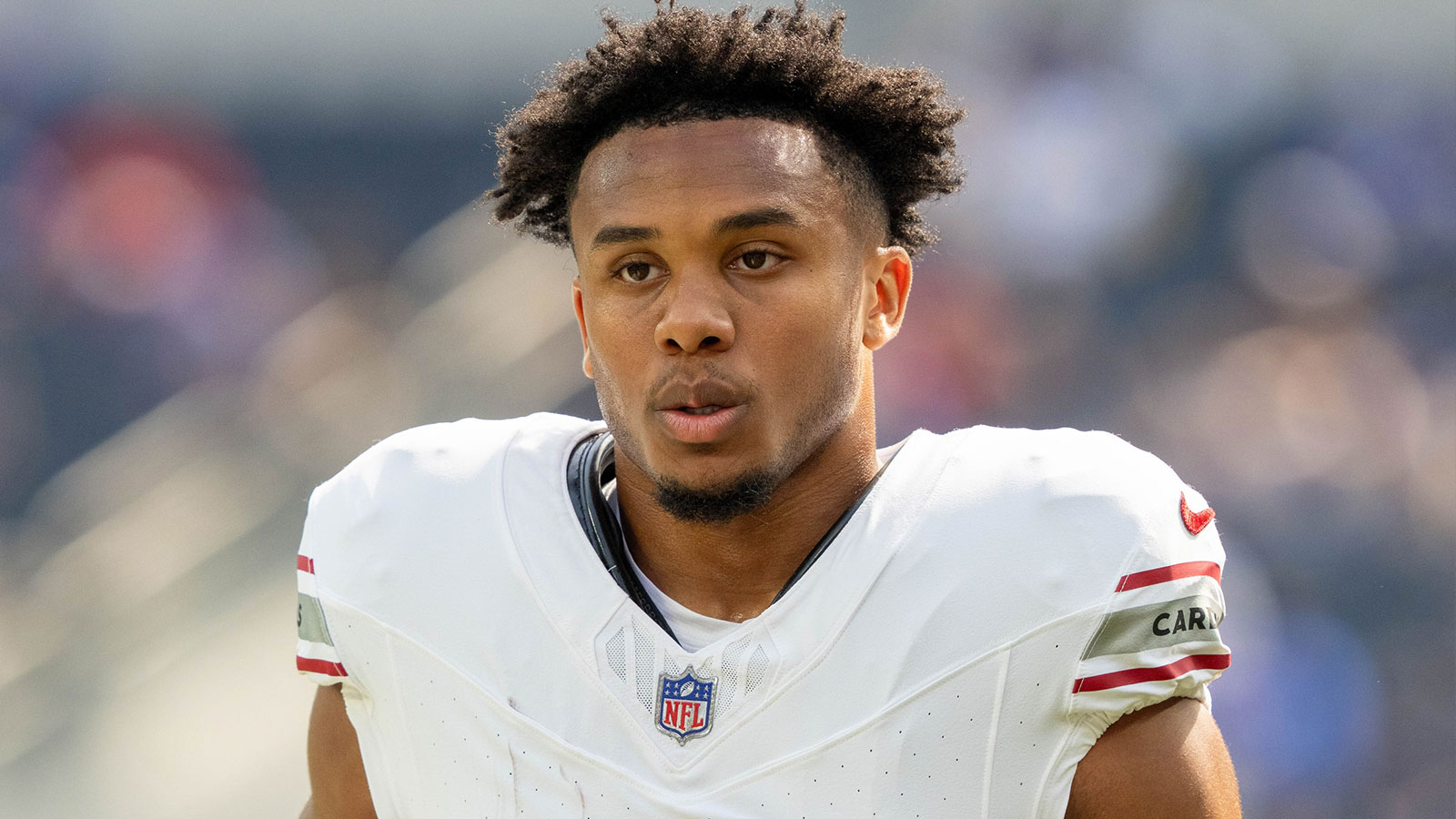
Yes, offensive line dominates Arizona’s mock draft discourse. That said, the defensive argument remains compelling. That's particularly true if the front office anticipates a transitional offensive year. Miami edge rusher Rueben Bain Jr has increasingly surfaced as the premier defensive alternative at No. 3 overall.
Bain profiles as the type of foundational pass rusher capable of redefining a defensive front. His combination of leverage, burst, and hand violence allows him to collapse pockets consistently. For the Cardinals, his arrival would represent an immediate identity shift.
The logic behind this projection extends beyond scheme fit. If Arizona ultimately moves on from Murray, defensive competitiveness becomes the franchise’s short-term survival mechanism. In a division featuring high-powered offenses, acquiring a game-wrecking edge defender could stabilize weekly game scripts.
Defining Arizona’s timeline
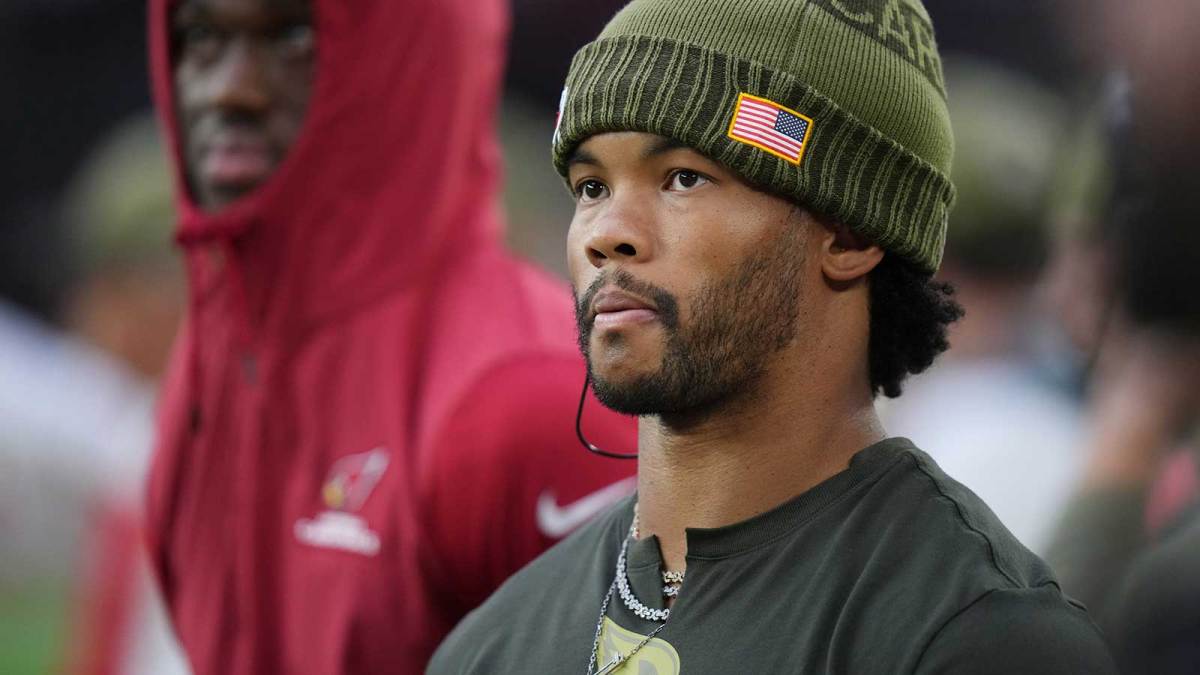
As draft season accelerates, the Cardinals’ positioning transforms them into one of the league’s most influential decision-makers. Whether selecting Mauigoa’s power, Fano’s athleticism, or Bain’s defensive disruption, Arizona’s choice will ripple across the entire draft board.
More importantly, it will signal philosophical intent. A tackle selection reinforces long-term offensive infrastructure and quarterback investment. A defensive pick signals patience and identity reconstruction. A trade-down scenario could also amplify asset accumulation for a full rebuild.
What remains undeniable is the magnitude of the moment. The Cardinals are not drafting for depth but for direction. When Commissioner Roger Goodell announces the No. 3 pick in April, it will not simply introduce a prospect to the desert. It will introduce the blueprint for Arizona’s next era.