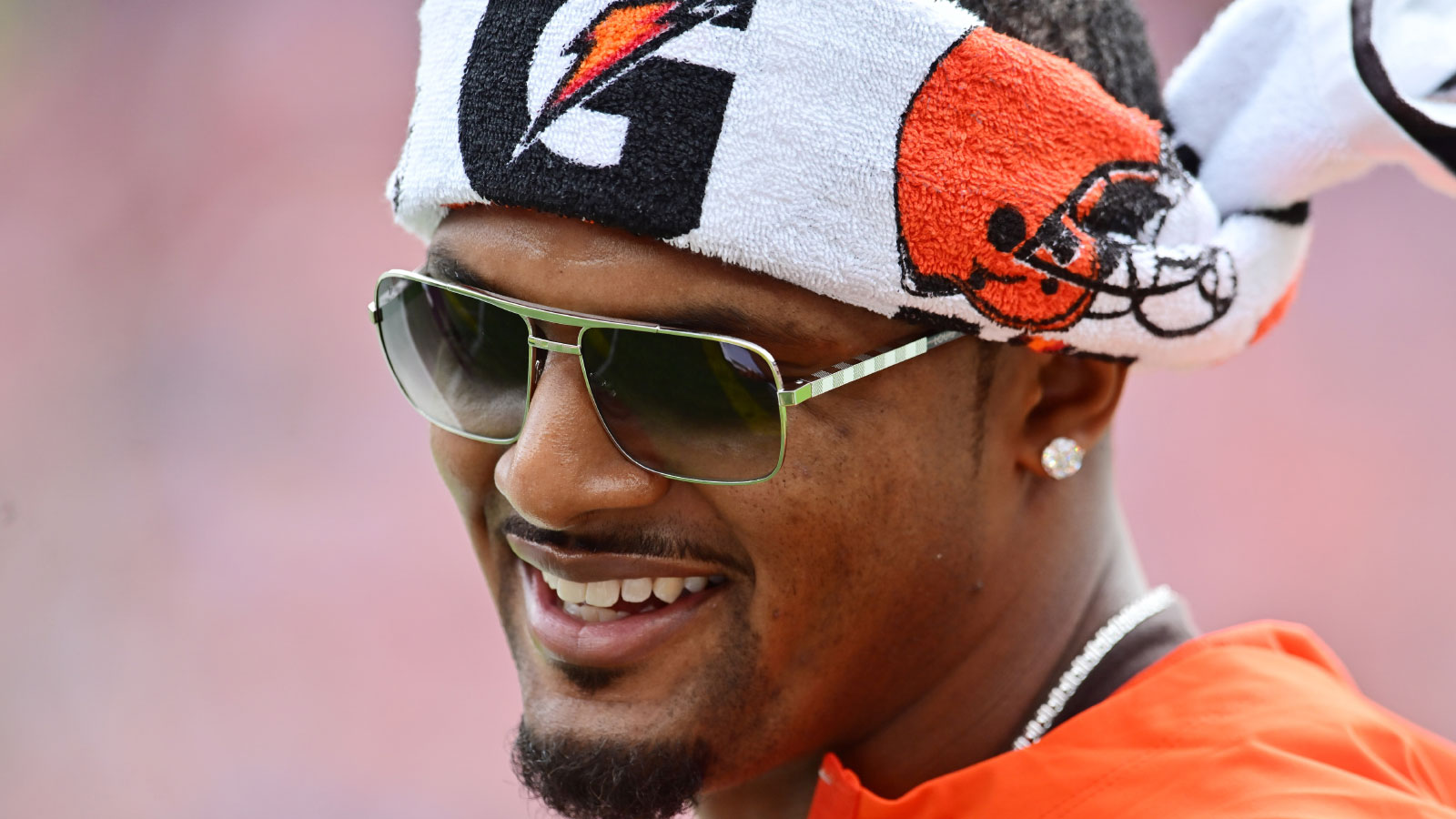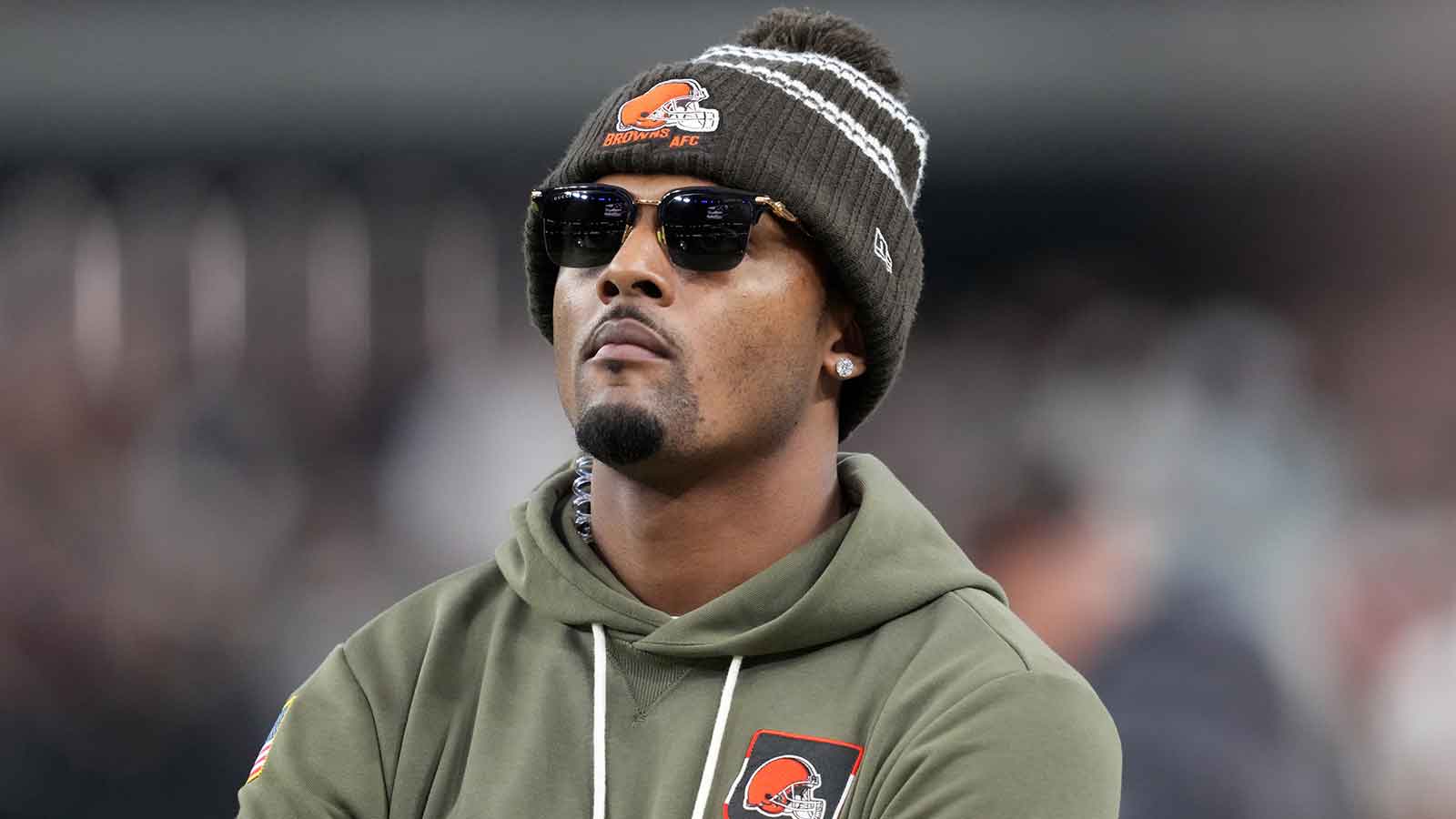
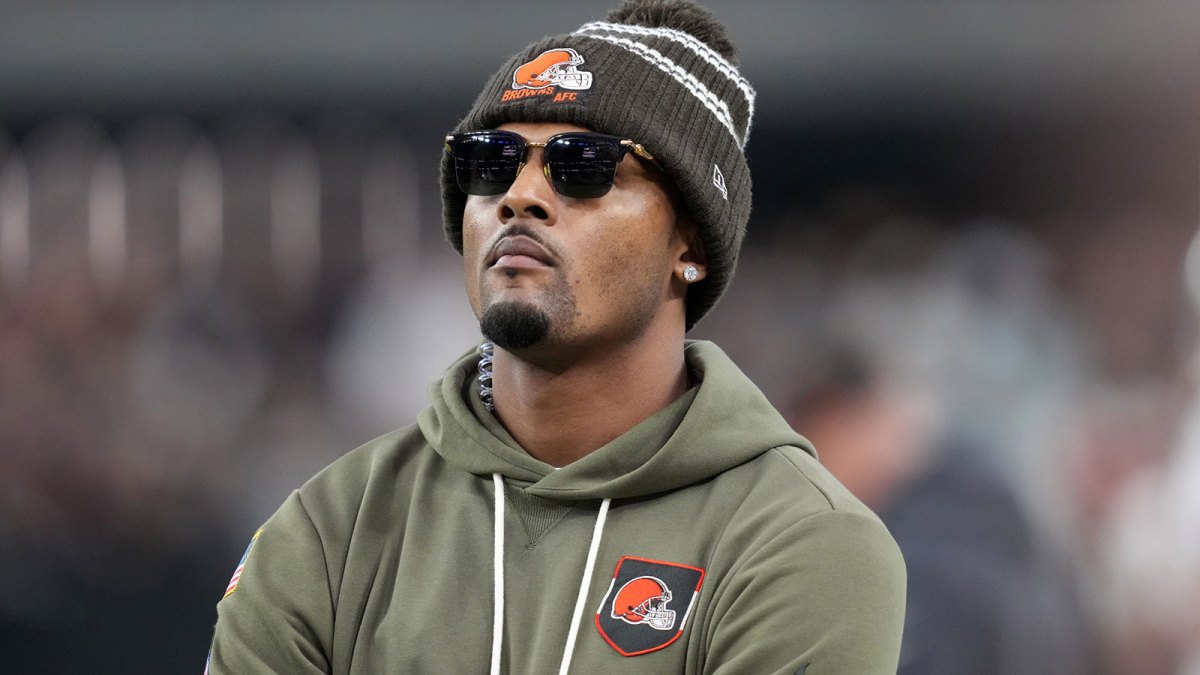
Deshaun Watson's practice window is officially open, meaning the Cleveland Browns will have a decision to make in the next few weeks. It should be a rather easy decision, though.
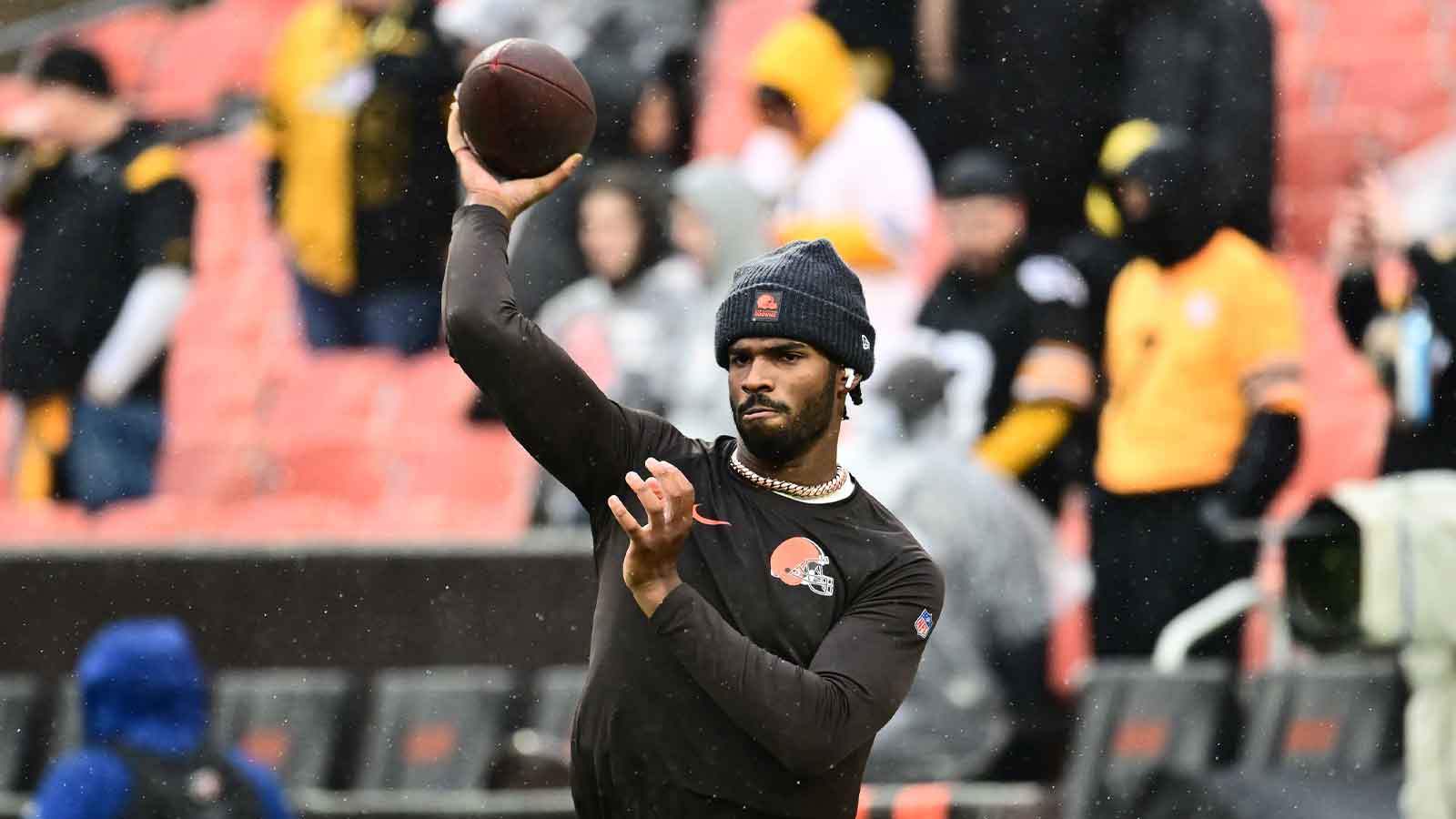
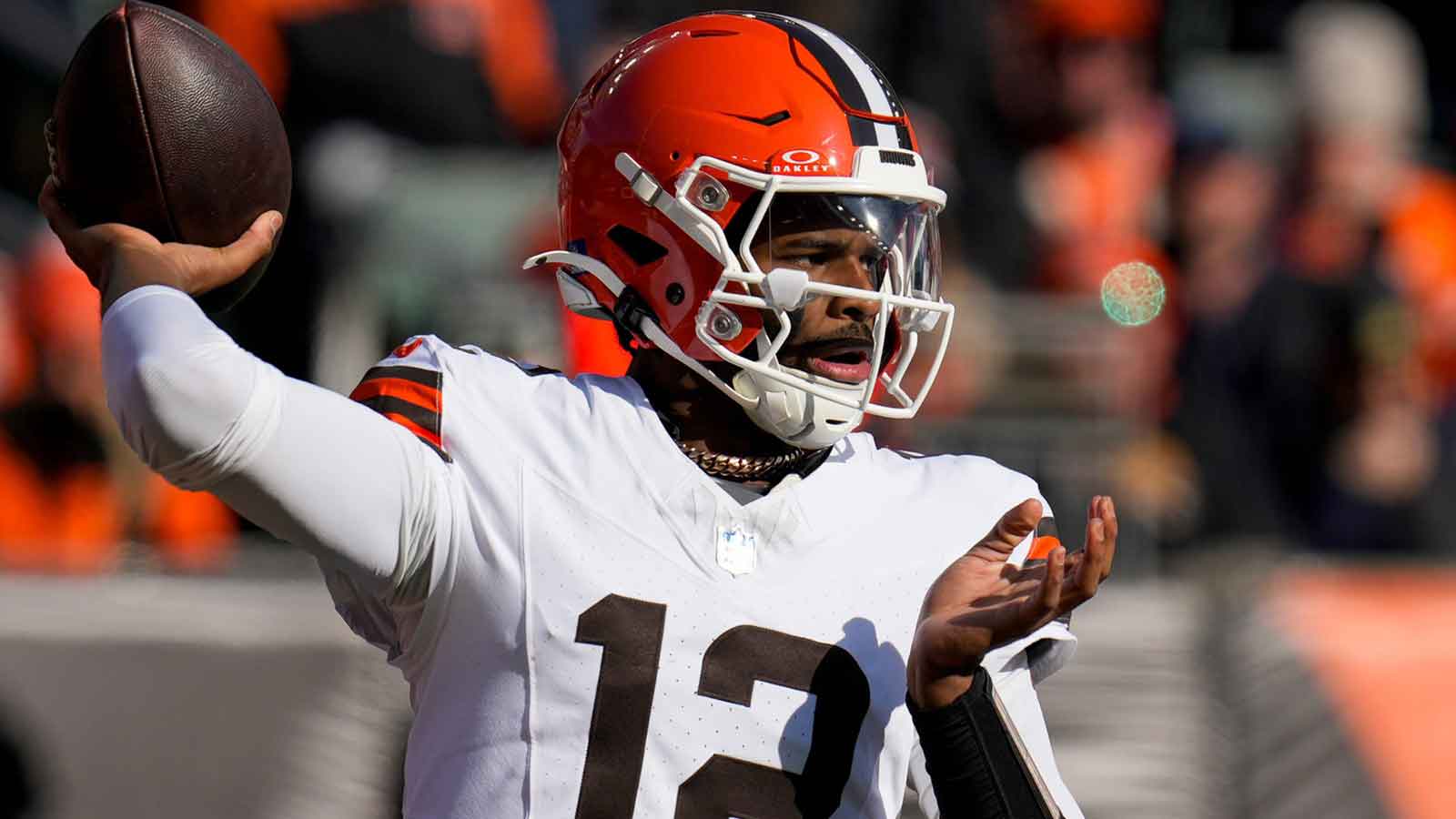
Whether Watson, who tore his Achilles tendon last October and then re-tore it less than three months later, will be physically able to play remains to be seen. But even if he is, the Browns cannot, for any reason, let him see the field this season at the expense of Shedeur Sanders.
Let's be clear: Sanders, a fifth-round draft pick, isn't likely to be a great NFL quarterback. Despite projections that he could be one of the first picks in the draft, just about every team in the NFL passed on him several times in April, including Cleveland, and even after having him in the building, the Browns only elevated Sanders, a fourth-stringer during training camp, on the depth chart as a result of trades and injuries.
Still, he is undoubtedly a more worthwhile time and energy commitment for the Browns if Watson is the alternative because Cleveland has already spent years and hundreds of millions of dollars trying to make Watson work. The result has been an unmitigated disaster from day one — or even before that.
Accused by more than 20 women of sexual misconduct, Watson didn't play at all during his final season with the Houston Texans before he was traded to the Browns in exchange for a ton of highly valuable draft picks and a fully guaranteed $230 million contract. Once in Cleveland, he was slapped with a suspension by the NFL, keeping him off the field for the first 11 games of the 2022 season.
Once he was actually able to play, he looked like someone who hadn't been an NFL quarterback in nearly two years; he posted career-worst marks in just about every passing statistical category in 2022, and even when he had a full offseason and training camp under his belt in 2023, Watson played poorly, albeit not poorly enough to derail a 5-1 start.
Then, the injuries began.
In arguably his best performance of his Browns tenure, a Week 10 win vs. the Baltimore Ravens, Watson suffered a season-ending injury to his throwing shoulder. The following season, amid a 1-6 start, Watson went down with an Achilles tear in October vs. the Cincinnati Bengals. He underwent season-ending surgery shortly thereafter, and he re-tore the tendon in January, necessitating another surgery.
In total, Watson has played 19 games in four seasons with the Browns, including 2025; in his starts, Cleveland went 9-10, and he threw for 3,365 yards, 19 touchdowns, and 12 interceptions and ran for three touchdowns.
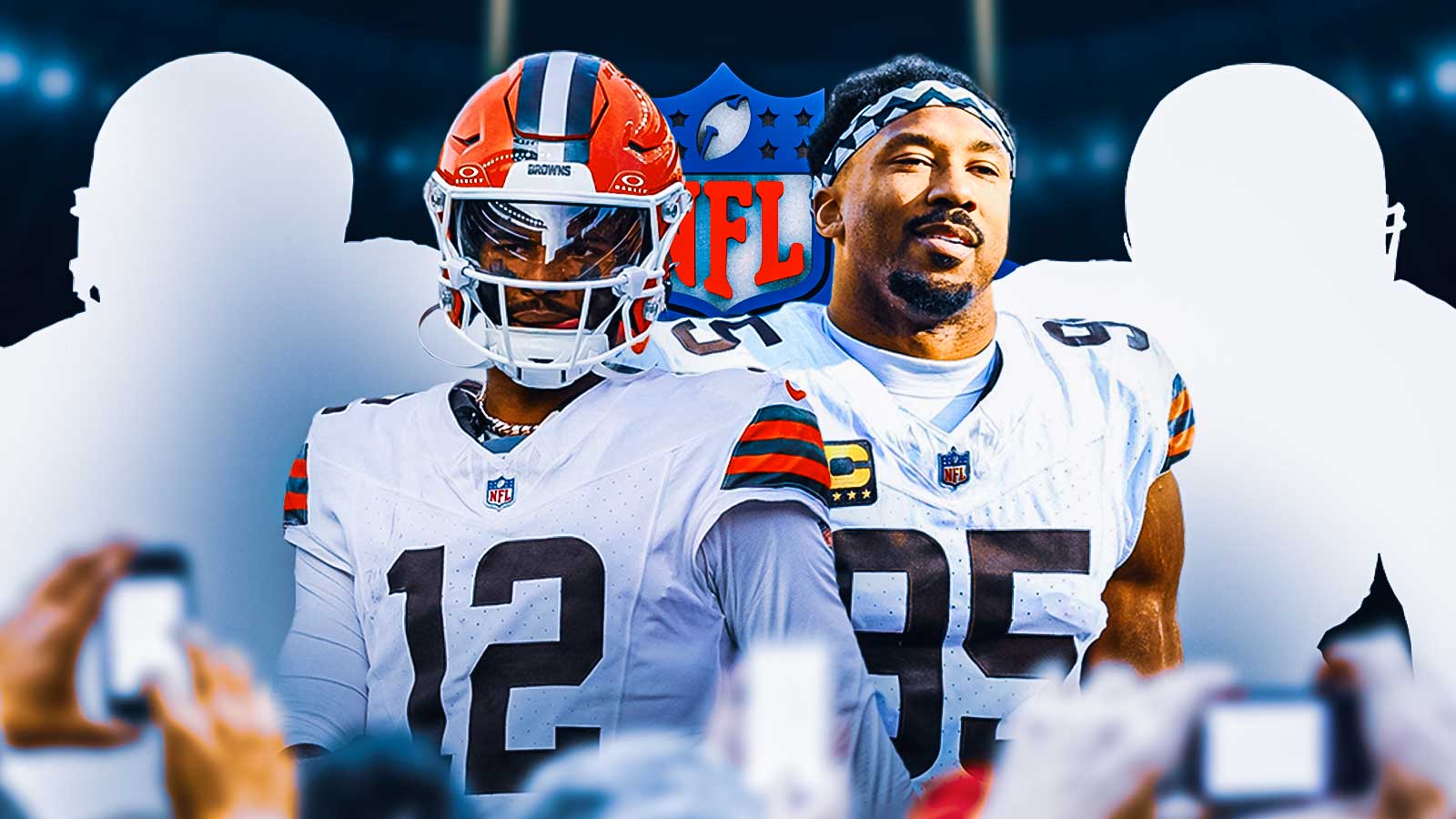
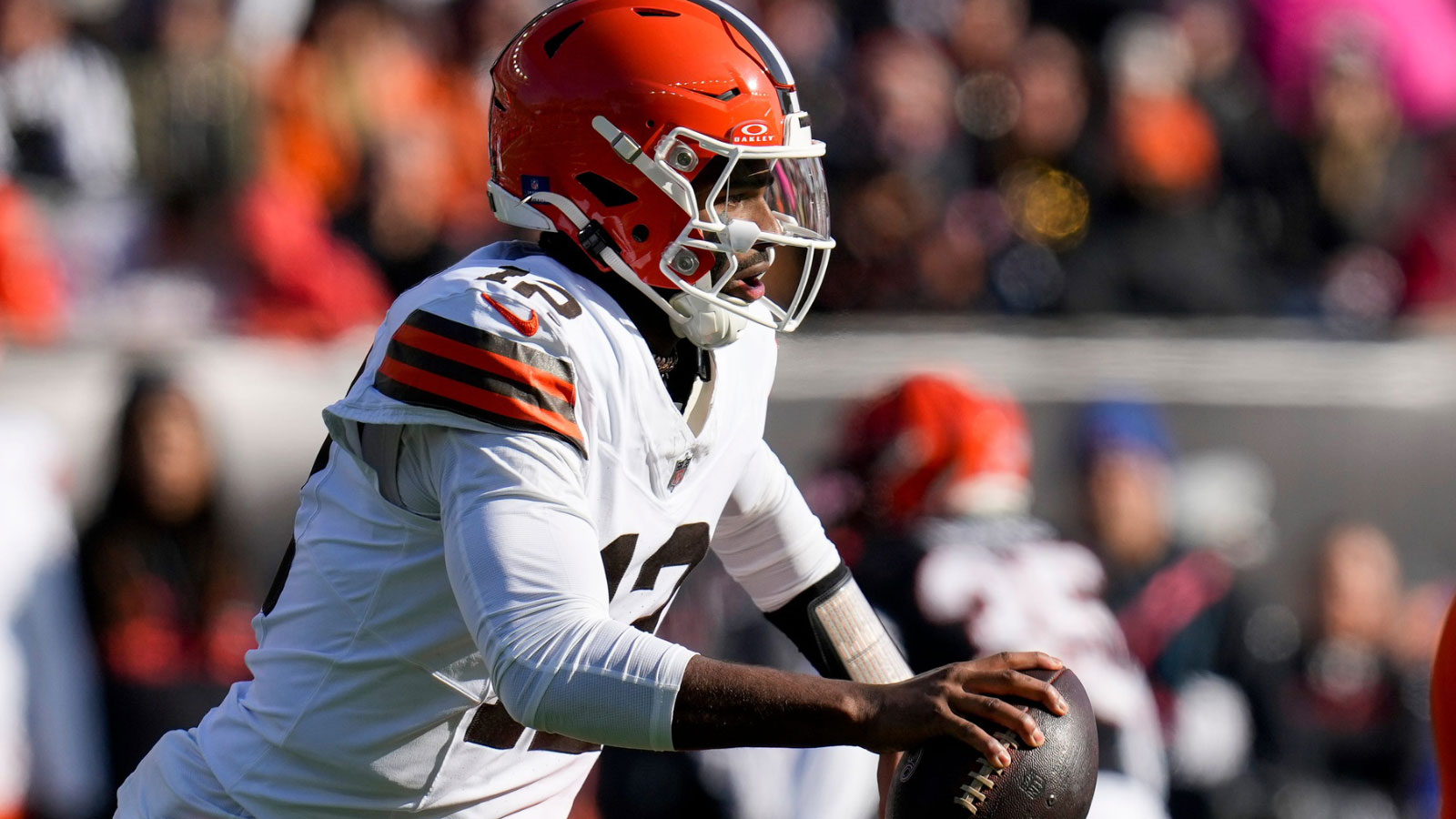
Those numbers indicate that even if the Browns were competitive, it wouldn't make sense to throw him back into the starting role. And the Browns, at 3-9, sure aren't competitive, so there's no reason for Watson to see the field again in Cleveland, especially with Sanders, the first rookie quarterback to win his first Browns start in 26 years, and fellow rookie Dillon Gabriel on the roster and in need of reps.
If Watson does play for the Browns again, though, that will be a decision made because of the money the team is paying him, as well as wishful thinking that a good showing or two by the 30-year-old former Pro Bowler will be enough to convince another team to trade for him.
Cleveland would eat $80.7 million and $50.4 million in dead cap in 2026 and 2027, respectively, if it released Watson after June 1 next offseason. The dead cap would fall to $34.7 million in 2026 if it somehow managed to find a trade partner.
Because the 21-day practice window has been opened, the Browns must either activate Watson to the 53-man roster or rule him out for the rest of the season by the end of the window. If he were to be activated three weeks from now, he would be on the roster for the team's final two games.