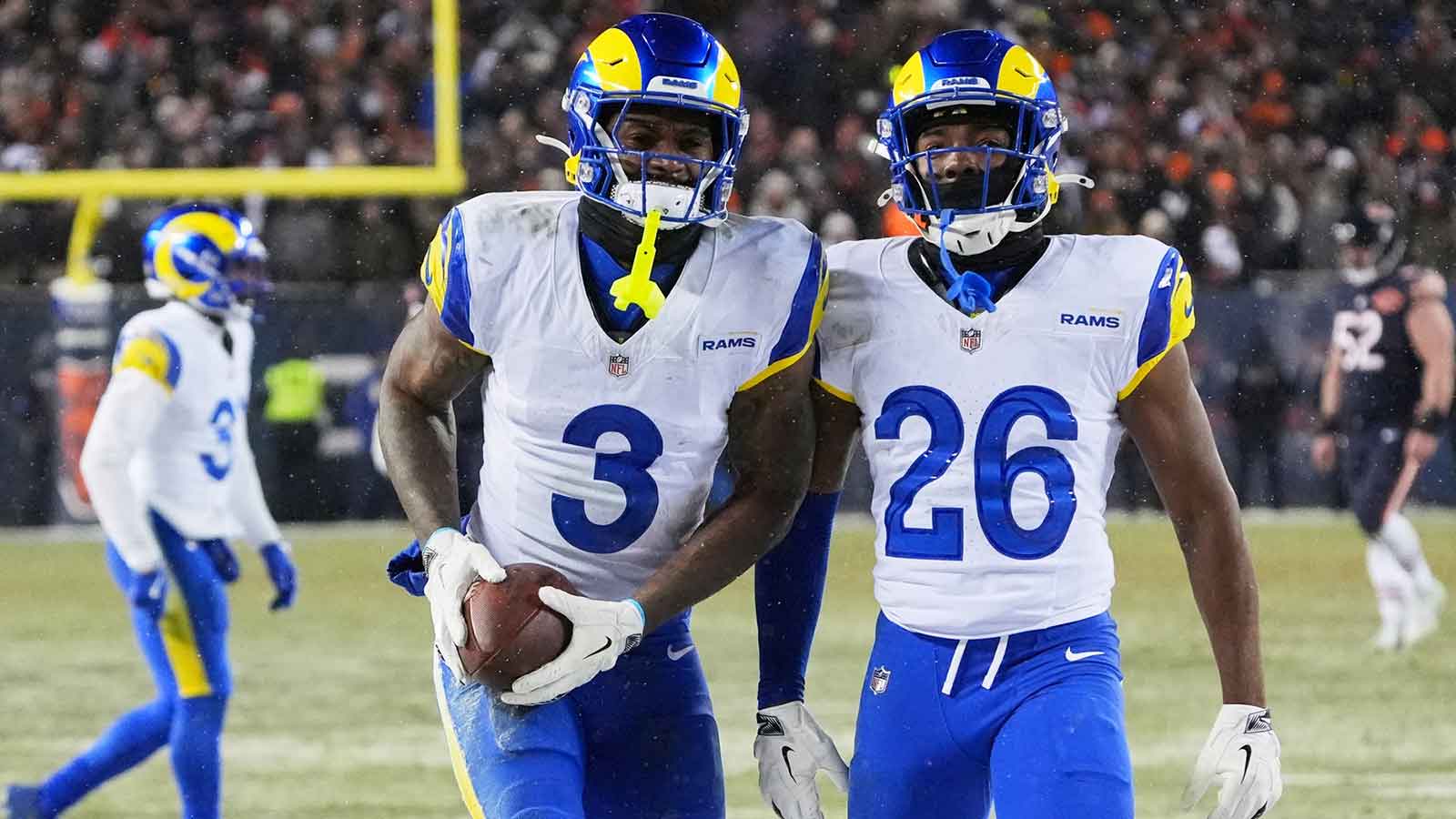

The Los Angeles Rams’ offense is elite. Their defense? It needs to finish. The Rams don’t need to overhaul their offense or question their quarterback. They were four quarters away from another Super Bowl appearance in 2025. What they need is sharper execution on the back end.
Because when you score 30.5 points per game and still fall short in January, the problem isn’t firepower. It’s finishing. If the Rams want to turn a resurgent 2025 into a championship 2026, the solution lies in stealing possessions.
Reigniting championship expectations
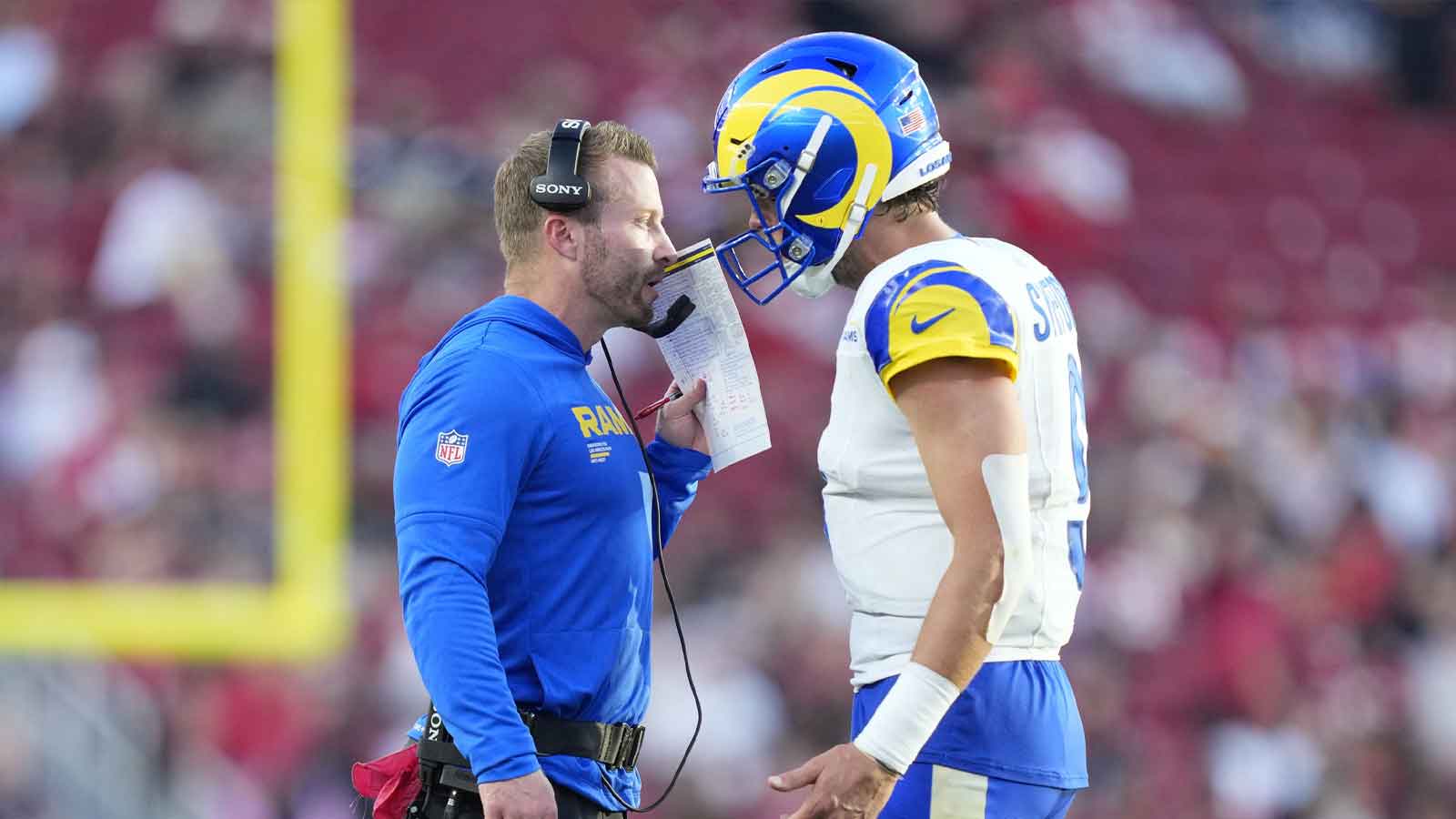
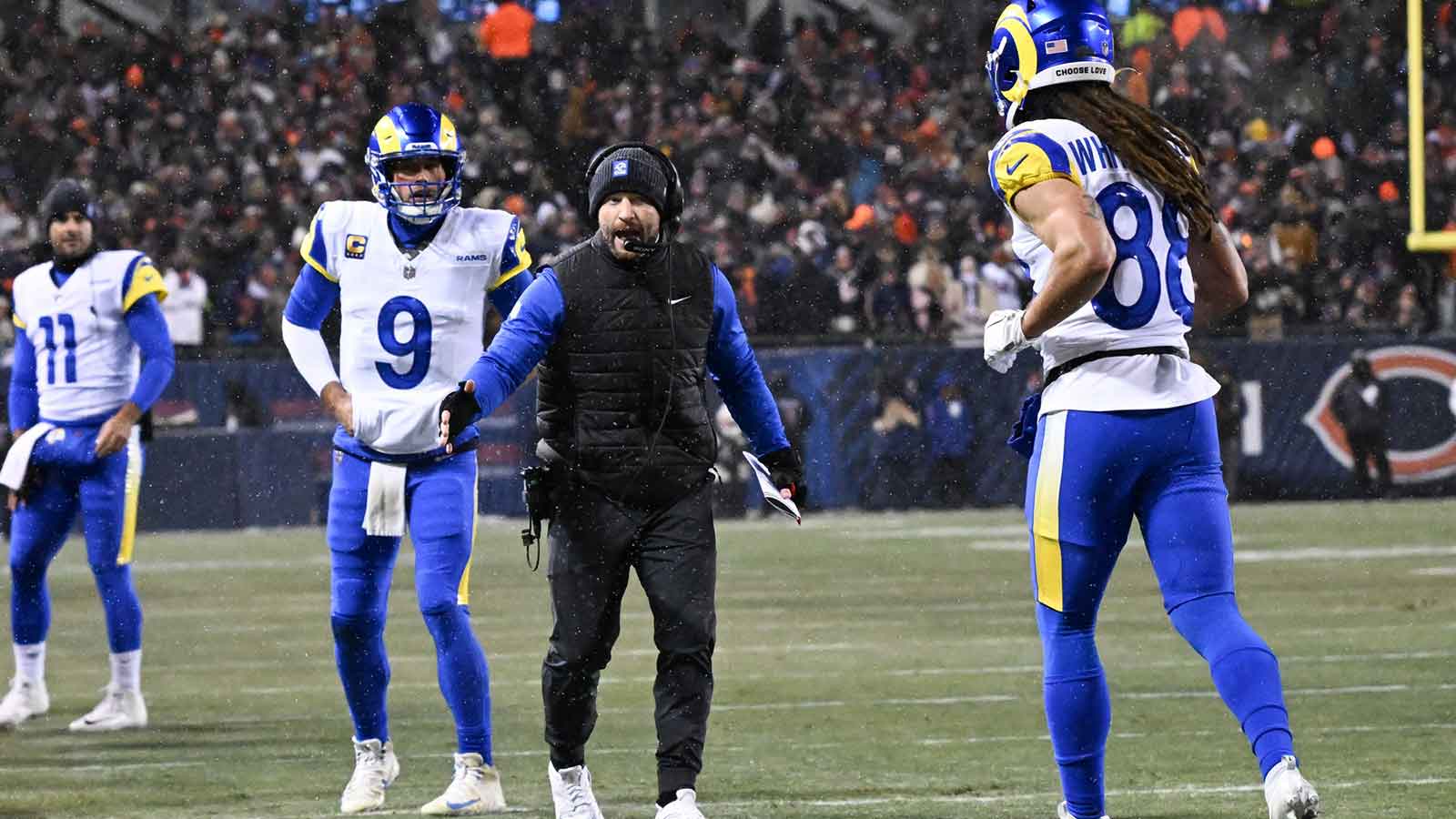
The Rams enjoyed a resurgent 2025 campaign. They finished 12-5 with the league’s No. 1 ranked scoring offense. Matthew Stafford delivered an AP First-Team All-Pro season. He led the NFL with 4,707 passing yards and 46 touchdowns. Puka Nacua matched him stride for stride, hauling in a league-leading 129 receptions. The Rams secured the No. 5 seed and gutted out playoff victories against the Panthers and Bears. The offense operated with surgical precision, powered by a creative “13 personnel” approach that kept defenses guessing.
In the NFC Championship, though, the magic stalled. Seattle’s explosive passing game dissected Los Angeles in a 31-27 loss that exposed a lingering vulnerability. The Rams’ were just unable to consistently create turnovers or hold up in coverage against elite quarterbacks.
By season’s end, the message was clear. The Rams were built to score. Now they must be built to close.
Secondary lacks bite
While the offense found rhythm, the defense showed cracks, specifically in the secondary. Los Angeles leaned heavily on Cover 3 principles throughout 2025. They often relied on disciplined spacing and pass rush pressure. Against average quarterbacks, it worked. Against top-tier receivers and layered route combinations, it was exploited.
The Rams ranked poorly in pass coverage efficiency. They struggled to generate consistent takeaways. Kamren Curl and Quentin Lake provided stability but not intimidation. Too often, explosive plays arrived at the worst possible time. The Rams clearly need a ball hawk who changes the math with one read and one break.
Rare financial flexibility
For once, the Rams enter the offseason without financial panic. With approximately $44 million in effective cap space, Los Angeles has room to maneuver. General manager Les Snead, long known for creative roster management, has both cap currency and draft capital to deploy.
There are internal priorities, of course. Nacua is extension-eligible after a record-breaking year. Stafford enters the final year of his deal with a $48.2 million cap hit. He will likely need a contract adjustment. Two first-round picks add youth but also financial commitments. Still, this is a “Super Bowl or bust” roster. The Rams should be aggressive.
The fix: Coby Bryant
The Rams don’t need big name splashes. They simply need precision. Coby Bryant is the quintessential Les Snead move.
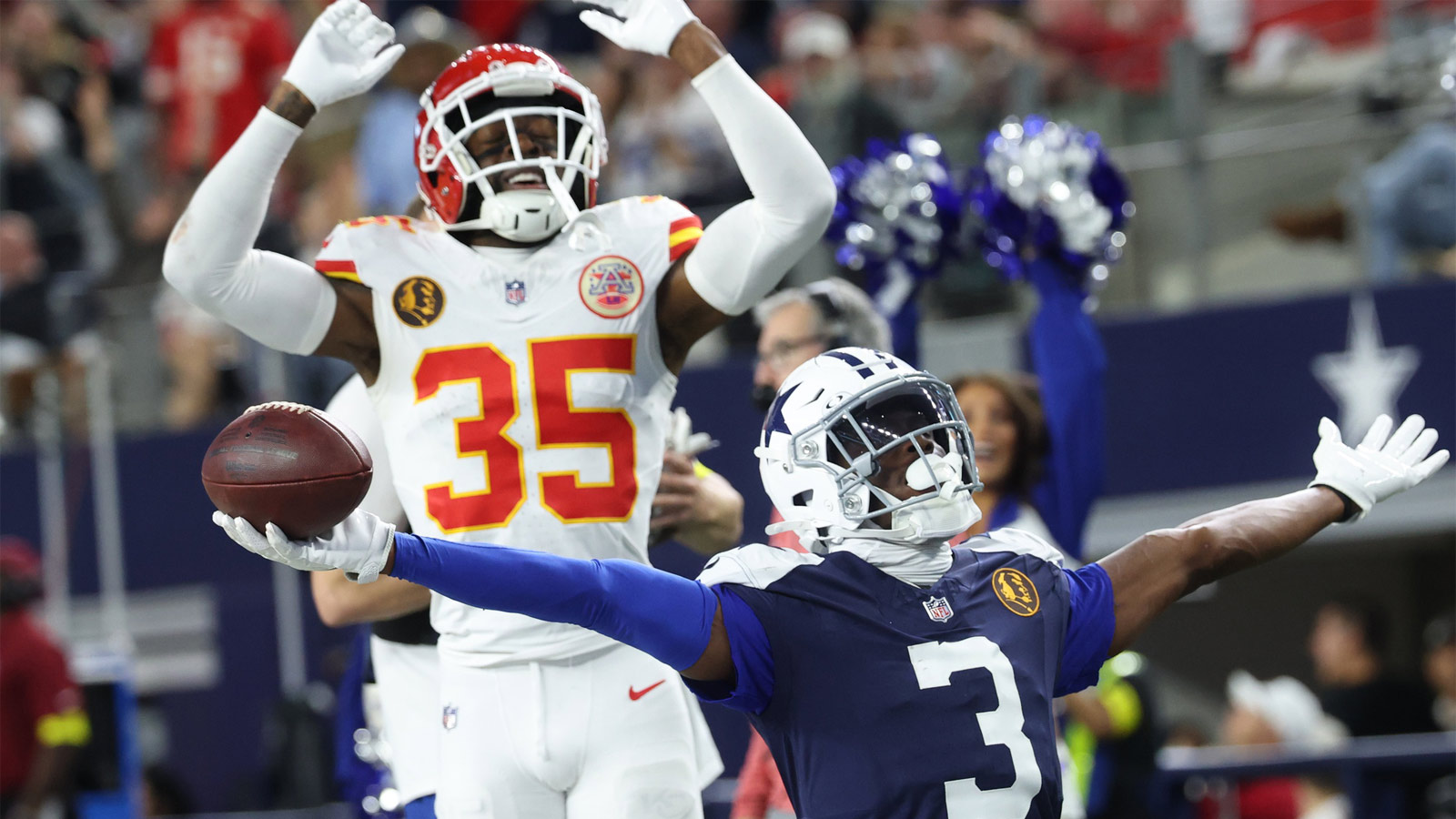
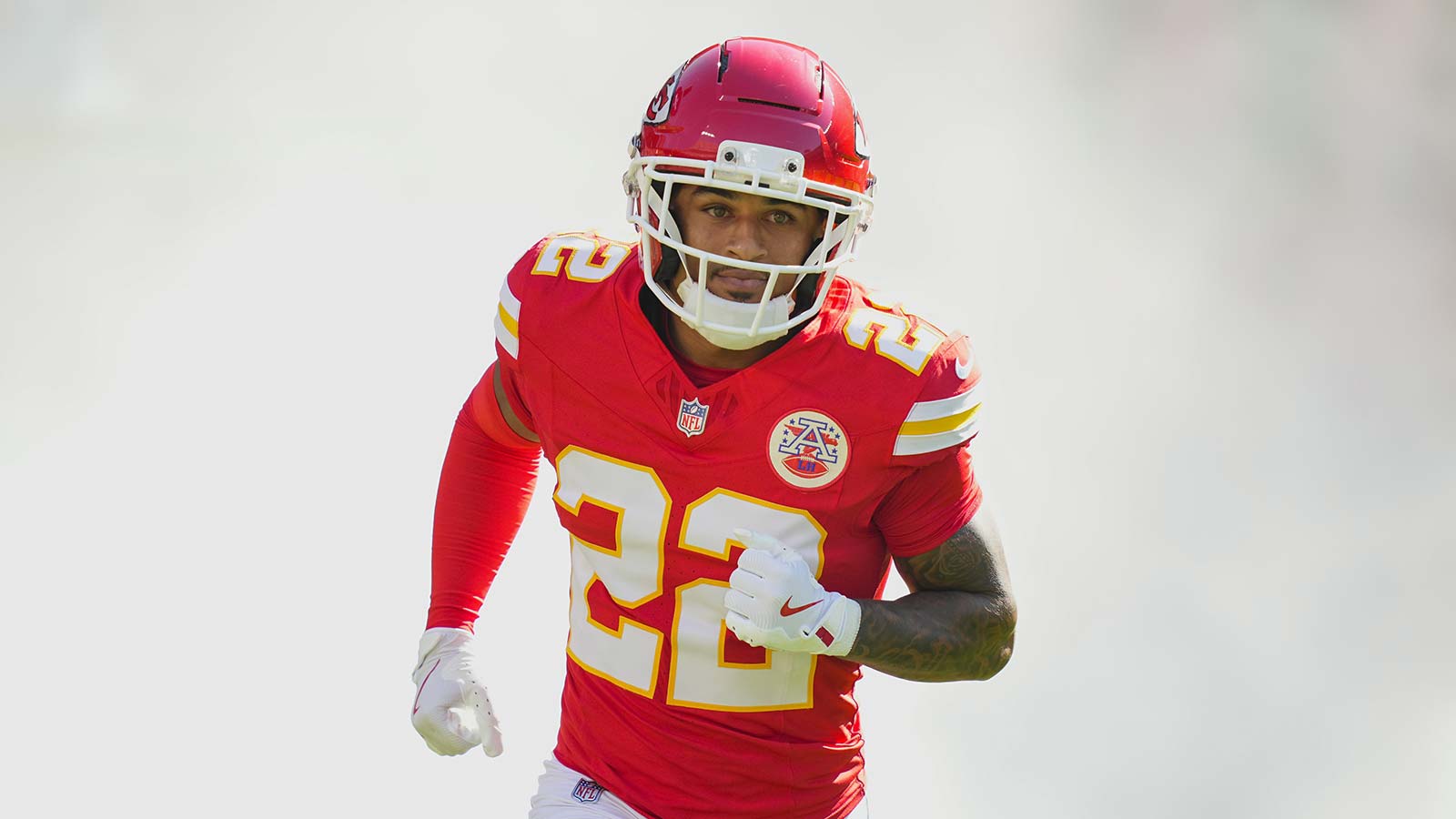
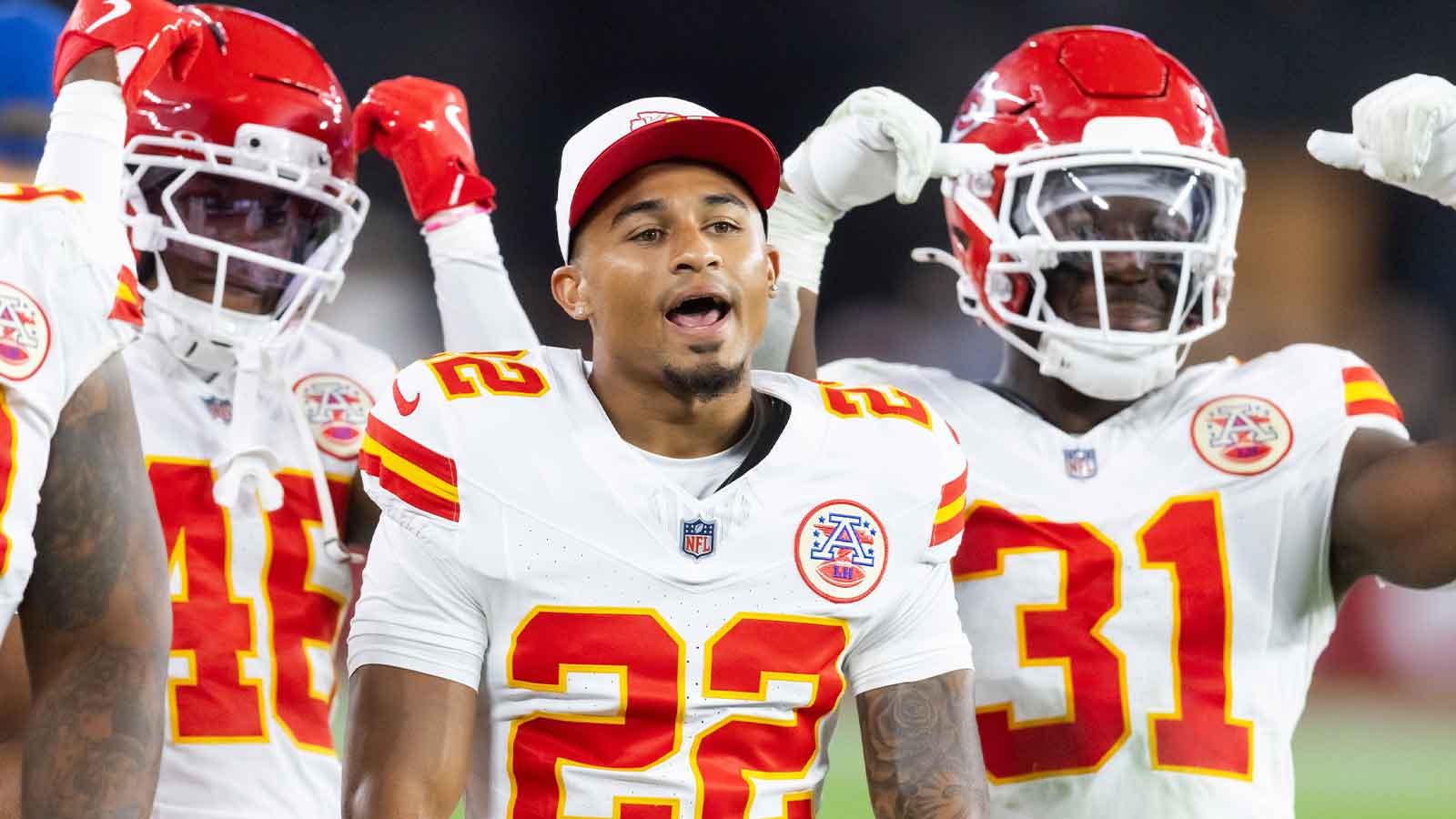
He thrived in Mike Macdonald’s defense in Seattle and helped end the Rams’ season. Now, Bryant enters free agency as one of the most intriguing safeties on the market. He is neither the most expensive option nor the flashiest. However, he’s exactly what Los Angeles lacks.
Why Bryant fits
First, there’s the divisional logic. Signing Bryant doesn’t just fill a hole. It also weakens a rival. The Rams watched firsthand how Seattle’s defense disguised coverages and baited quarterbacks. Bryant was central to that chess match.
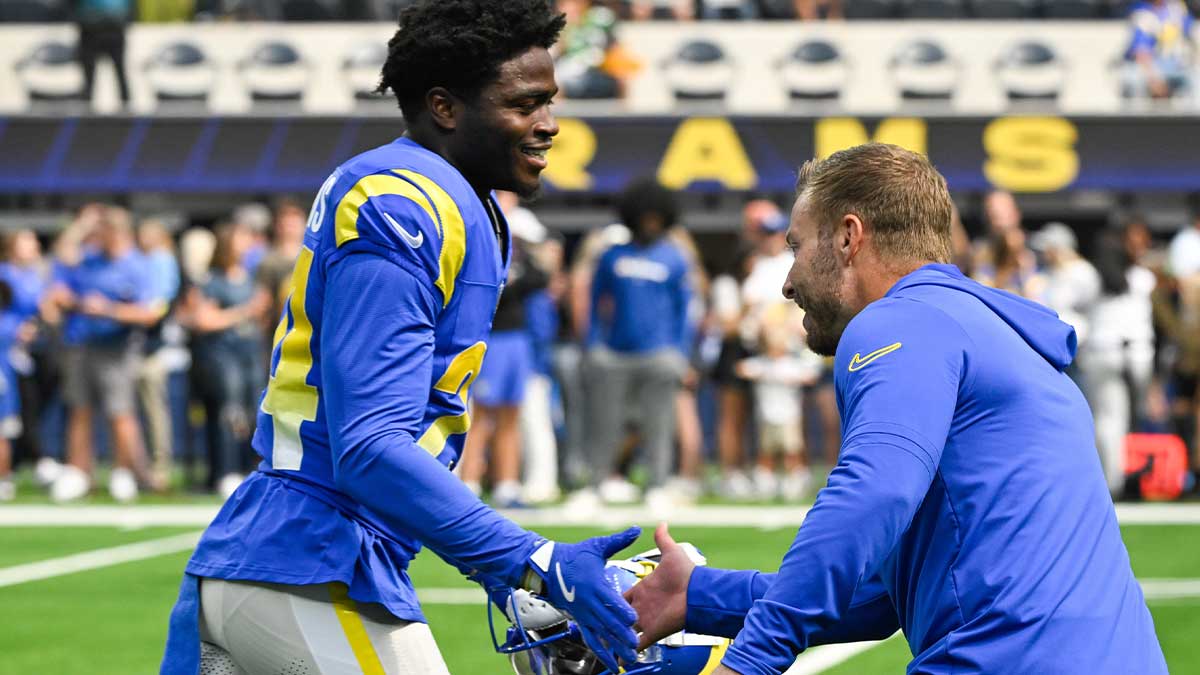
Second, there’s ball production. The Rams’ defensive identity under Sean McVay has long emphasized opportunistic turnovers. In 2025, that consistency faded. Bryant recorded four interceptions last season. That showcased instincts sharpened from his background as a cornerback before transitioning to safety.
That hybrid experience matters. Bryant reads route combinations like a corner but operates with the spatial awareness of a safety. In a defense that mixes zone principles with late rotations, that versatility is invaluable.
Third, he aligns with the Rams’ schematic evolution. Late in 2025, Los Angeles leaned more heavily into “big nickel” packages to counter tight ends and slot-heavy offenses. Bryant can play deep, rotate into the box, or match up in space. That flexibility allows the Rams to disguise intentions without sacrificing coverage integrity.
Turning close losses into turnovers
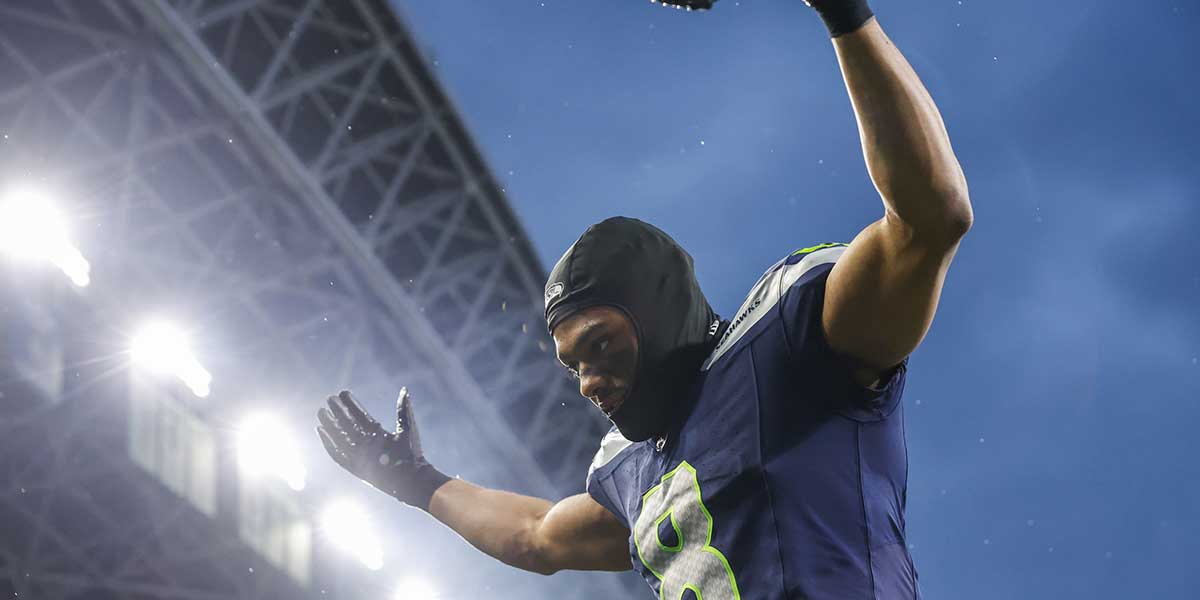
The NFC Championship loss wasn’t about effort but moments. On two key drives, Seattle converted third-and-long with layered route concepts that stressed the deep third. The Rams were in position, but they were not decisive. They lacked the instinctive defender who jumps a seam or undercuts a dig. Bryant changes all that.
He doesn’t need to overhaul the defense — just sharpen it. With Byron Young and Jared Verse generating pressure, adding a safety who capitalizes on hurried throws transforms pressures into interceptions. That’s how elite defenses are built, after all. They do not just collapse pockets. They also finish plays.
Secure the final piece
The Rams are refining for a stronger 2026. Stafford still plays at an MVP level. Nacua is ascending. The offense can score against anyone. What separates contenders from champions is one turnover in the fourth quarter, one red-zone stop, one deep ball intercepted instead of completed.
Coby Bryant will be an excellent calculated decision. For a team one possession away from another Super Bowl, that might be all it takes. The Rams don’t need to score more in 2026. They need to steal more. And that begins in the secondary.