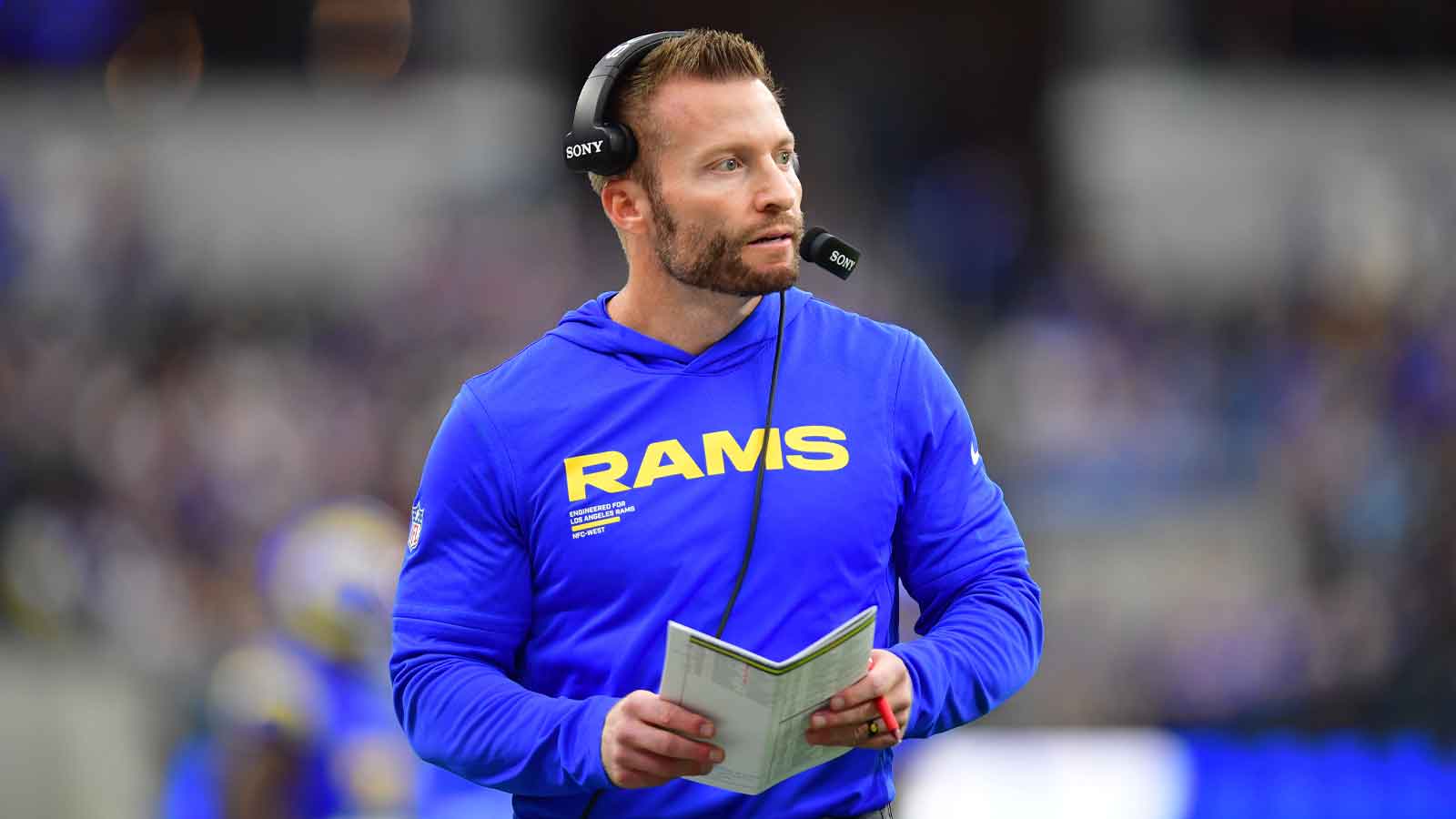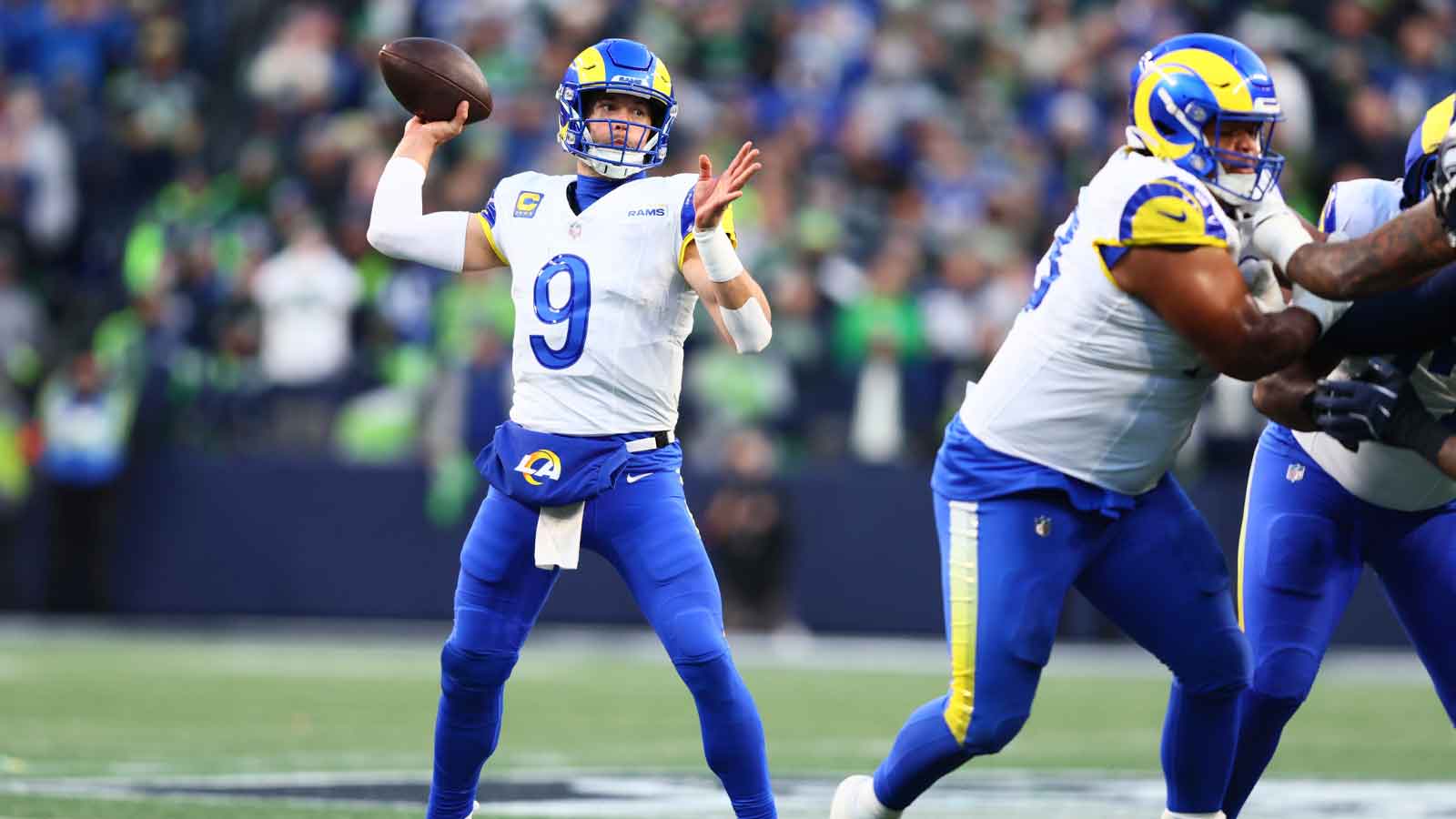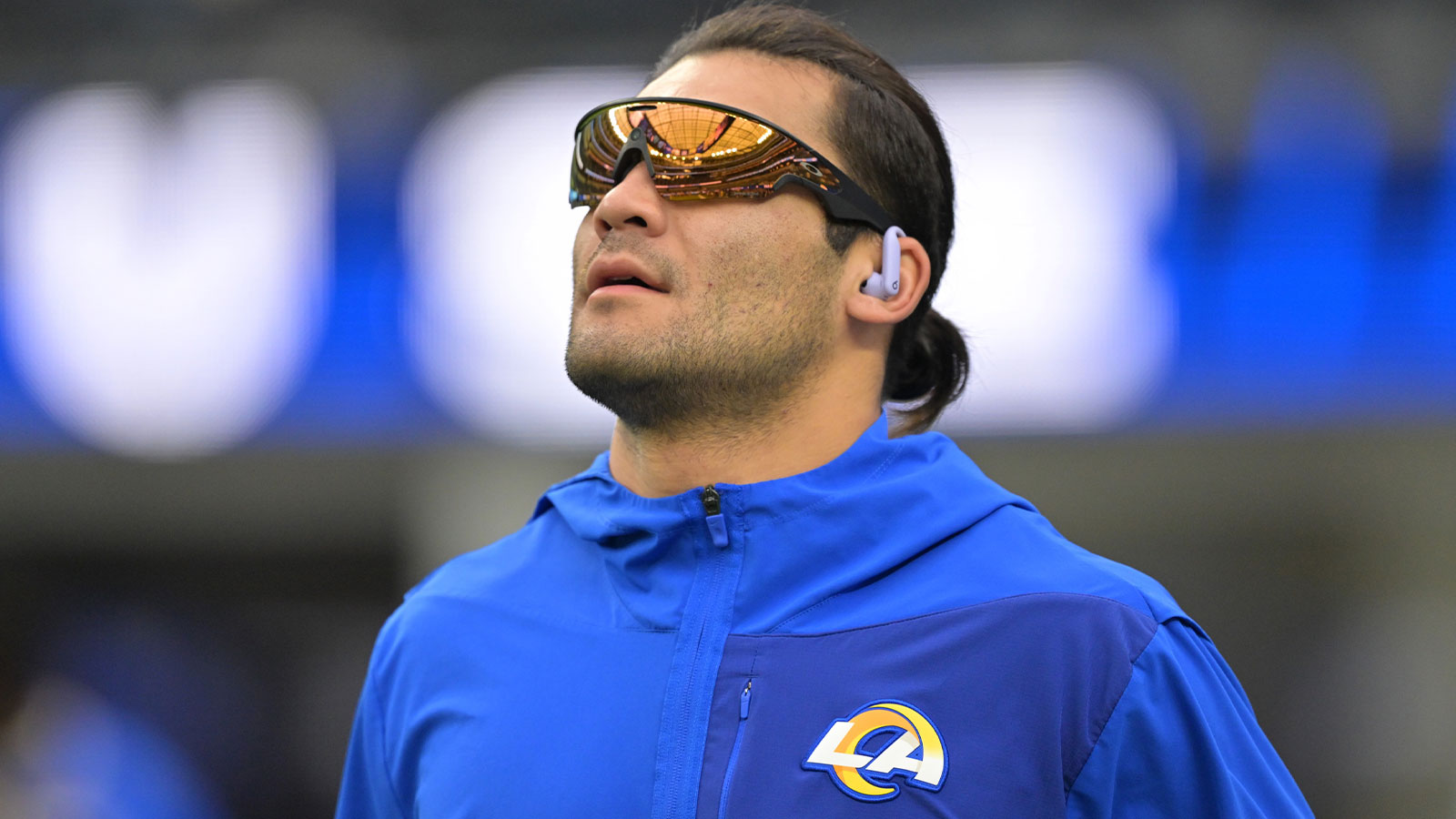
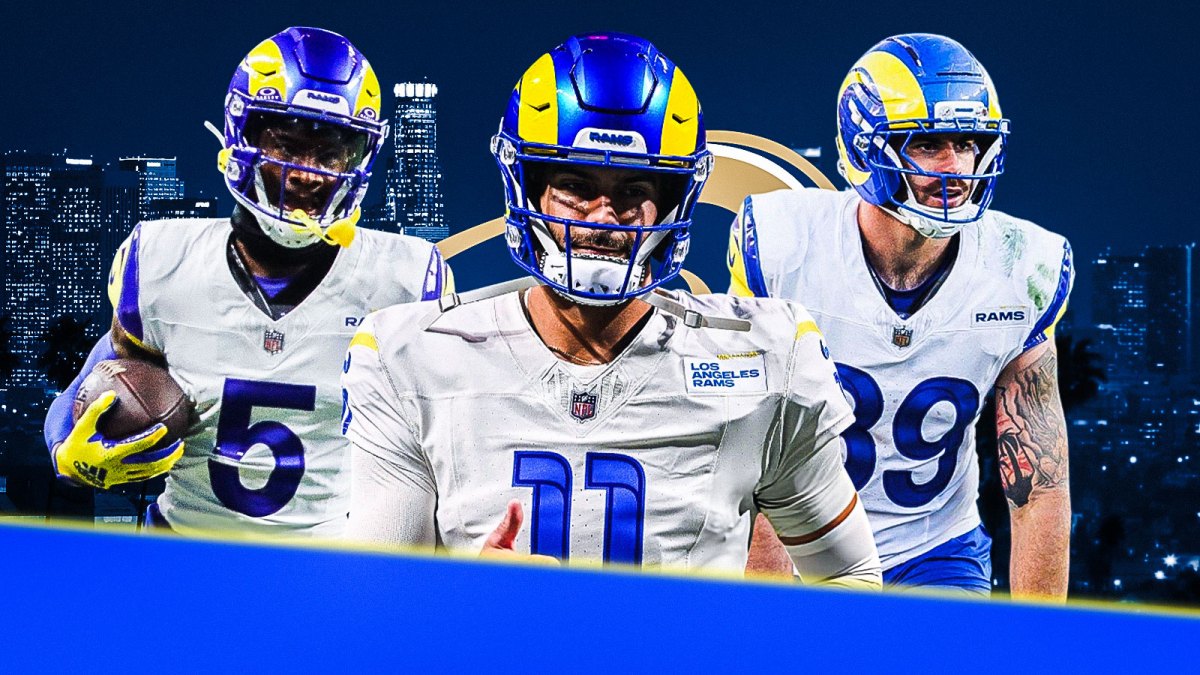
Sustaining a Super Bowl window is as much about subtraction as it is addition. For the Los Angeles Rams, the 2026 offseason is balancing between honoring the veterans who fueled their resurgence and making pragmatic roster decisions that preserve long-term competitiveness. Sean McVay’s group remains firmly planted in win-now territory. With an aging quarterback, emerging young defenders, and premium draft capital incoming, though, every cap dollar must be maximized. That means difficult goodbyes are inevitable. Letting certain veterans walk is a recalibration of priorities for a franchise trying to squeeze one more Lombardi run out of its current core.
Contender credentials
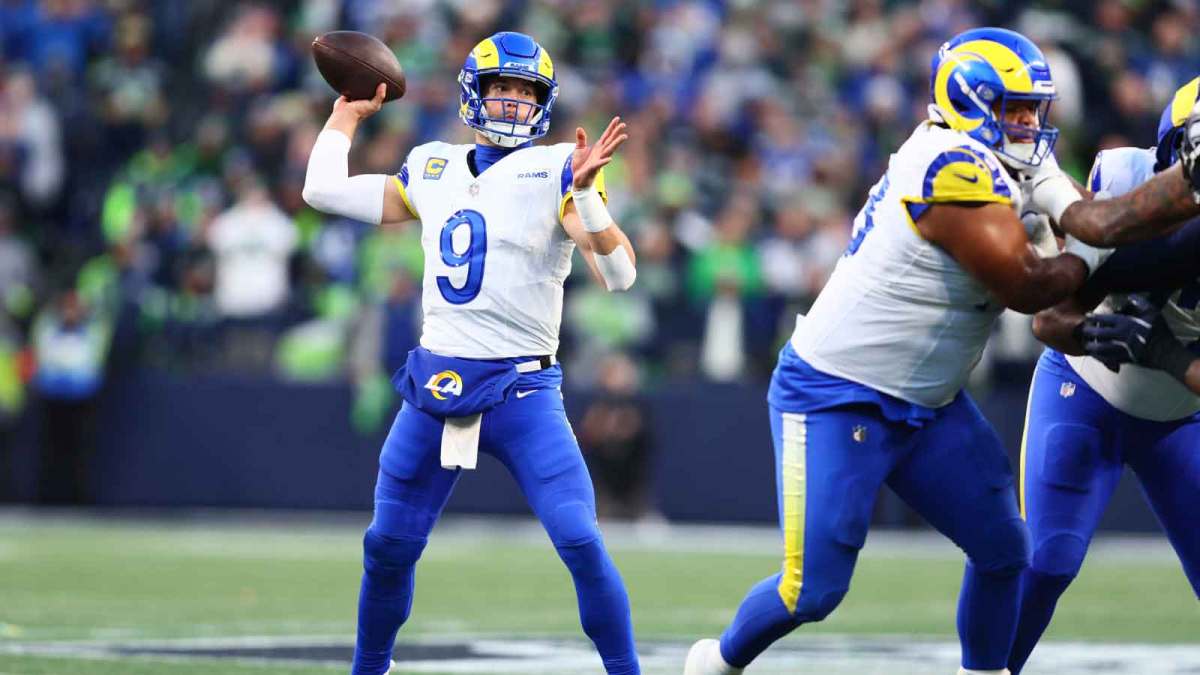
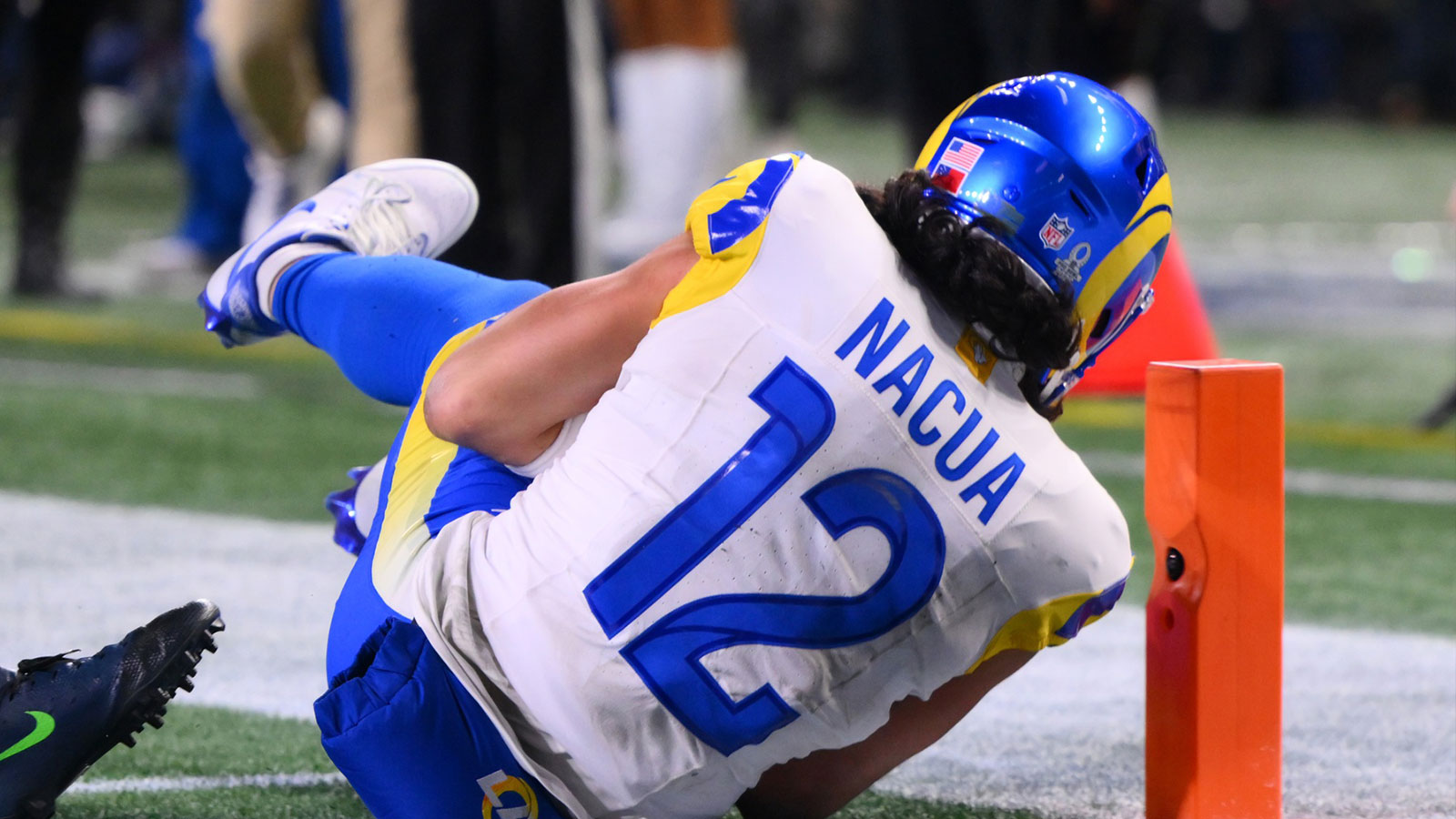
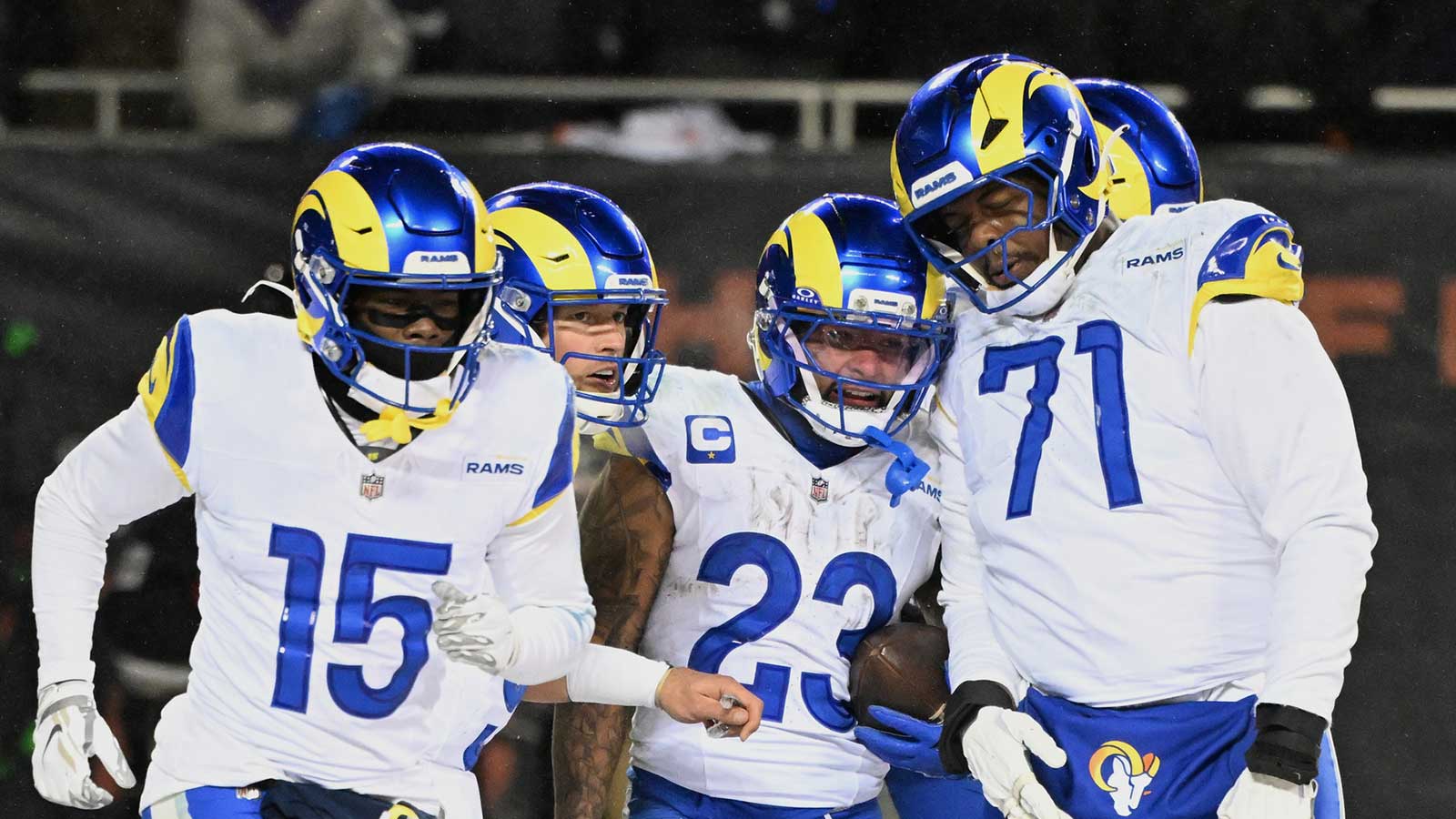
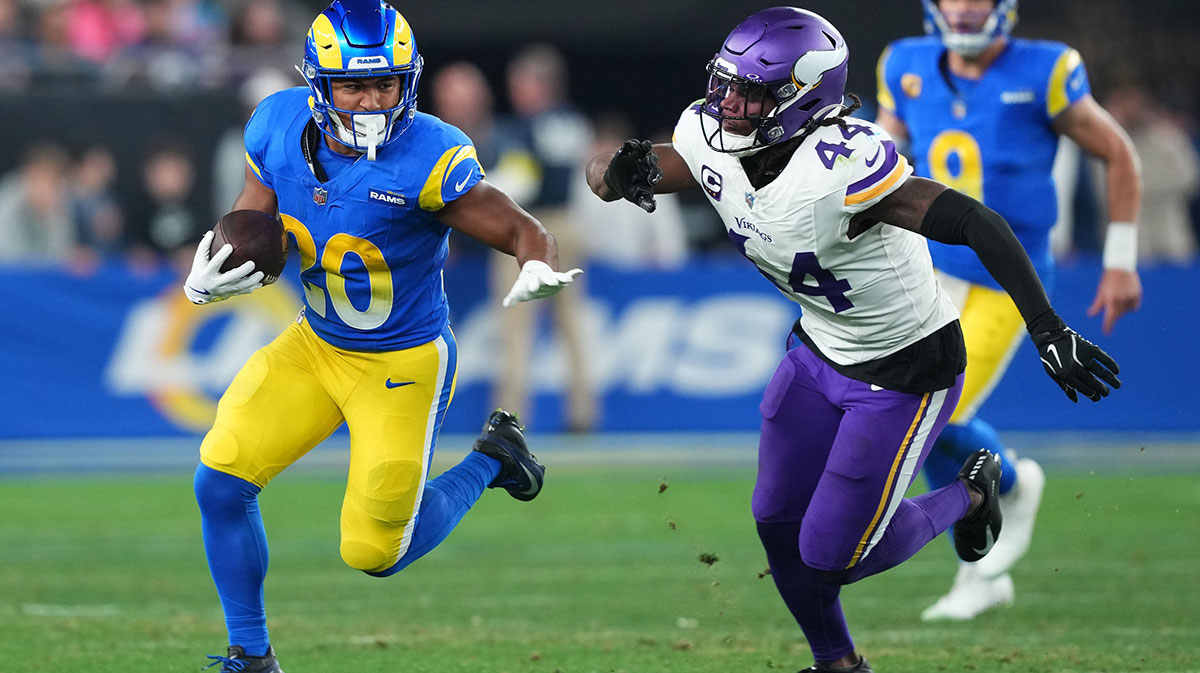
The Rams’ 2025 season was a high-octane offensive masterclass that saw them finish with a 12-5 record and the league's top-scoring offense. Fueling the campaign was Matthew Stafford's MVP form. In their first year without Cooper Kupp, the gamble to pair Puka Nacua with Davante Adams paid off immensely. That duo combined for historic production while Kyren Williams anchored a dominant ground game. Though they narrowly missed out on the NFC West title, the Rams battled through the playoffs with gritty road wins against the Panthers and Bears. Their Super Bowl aspirations ultimately fell just short in a 31-27 NFC Championship loss to the Seahawks. That has left the team with a clear mission to shore up a shaky special teams unit and refine a young, promising defense.
That mission demands resource reallocation. That begins with free agency decisions.
Roster priorities
The Rams head into the 2026 offseason with approximately $41 million in cap space and a rare pair of first-round picks (No. 13 and No. 29). Now, they must balance immediate win-now upgrades with long-term succession planning. The most glaring void lies at right tackle, following the retirement of franchise stalwart Rob Havenstein.
Defensively, the secondary is the top priority. Los Angeles struggled to contain explosive division rivals down the stretch. That exposed the need for a true shutdown cornerback and deeper safety rotation. Furthermore, while Stafford has confirmed his return, the Rams are expected to actively scout a future franchise quarterback. They also need to identify a developmental vertical receiver who can eventually succeed aging veterans.
All of those priorities require cap flexibility, which makes veteran departures unavoidable.
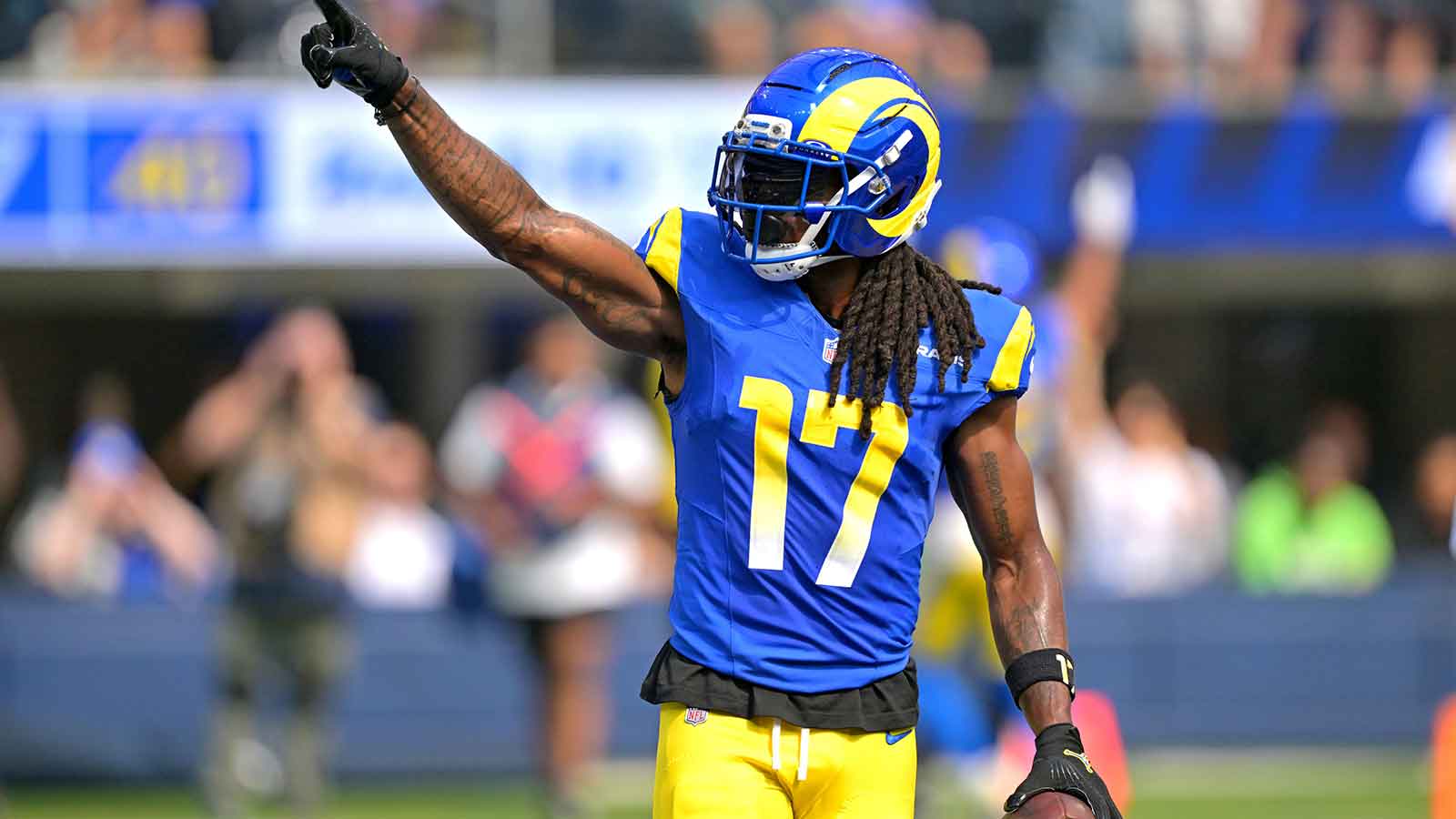
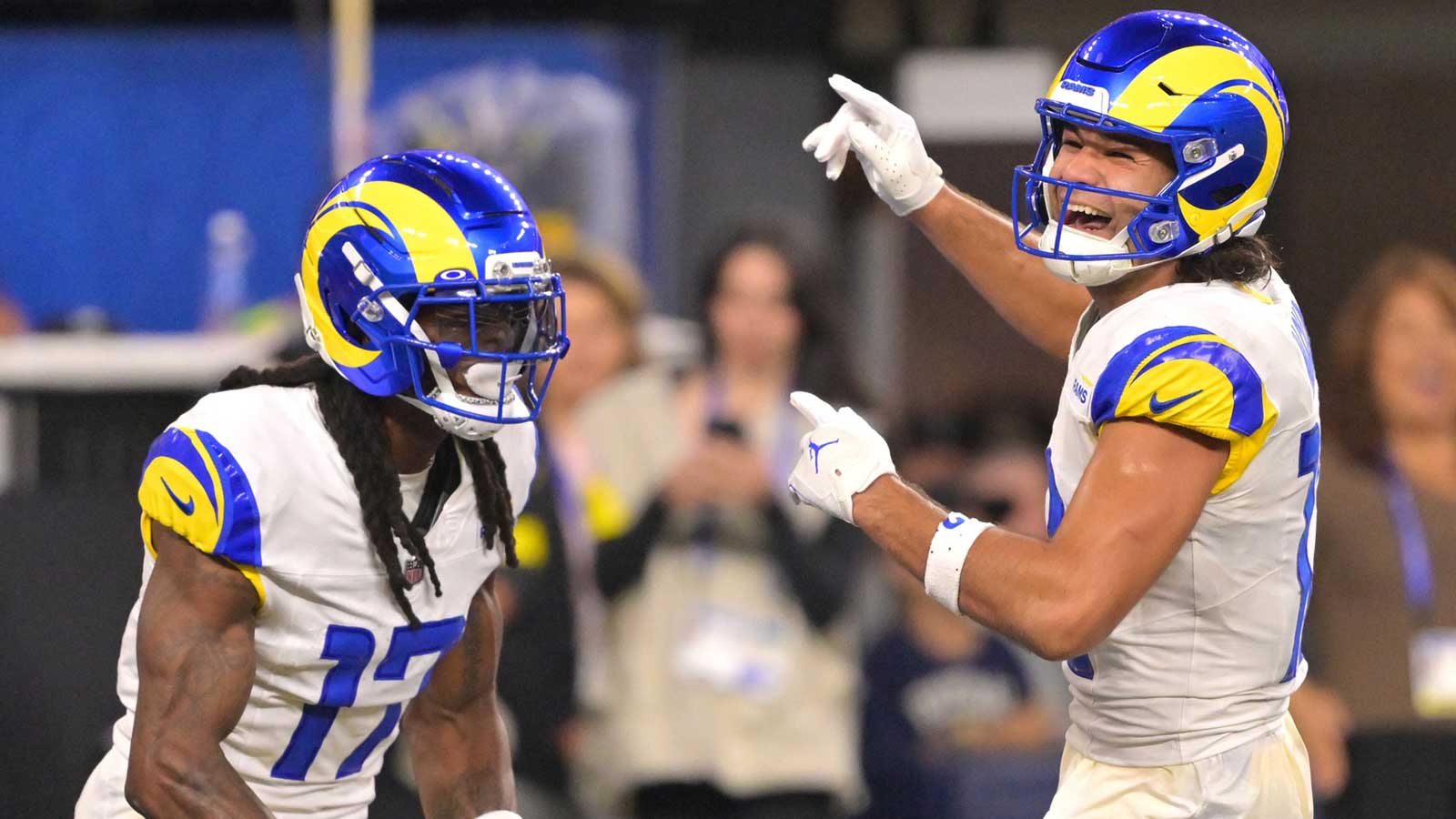
WR Tutu Atwell
Tutu Atwell’s tenure with the Rams has always been defined by explosive flashes rather than sustained volume. His vertical speed and gadget versatility provided McVay with a change-of-pace chess piece. Still, roster construction is about role efficiency, not highlight frequency.
With Nacua and Adams operating as the clear alpha pairing, Atwell’s offensive pathway narrowed significantly in 2025. His production never quite justified the financial trajectory he’s now positioned to command on the open market.
After playing on a one-year, $10 million deal, Atwell could realistically draw offers in the $10-12 million annual range from receiver-needy teams. For Los Angeles, matching that price simply doesn’t align with roster economics.
The Rams can replicate vertical stretch ability through the draft at a fraction of the cost. Letting Atwell walk is about refusing to overpay for specialization.
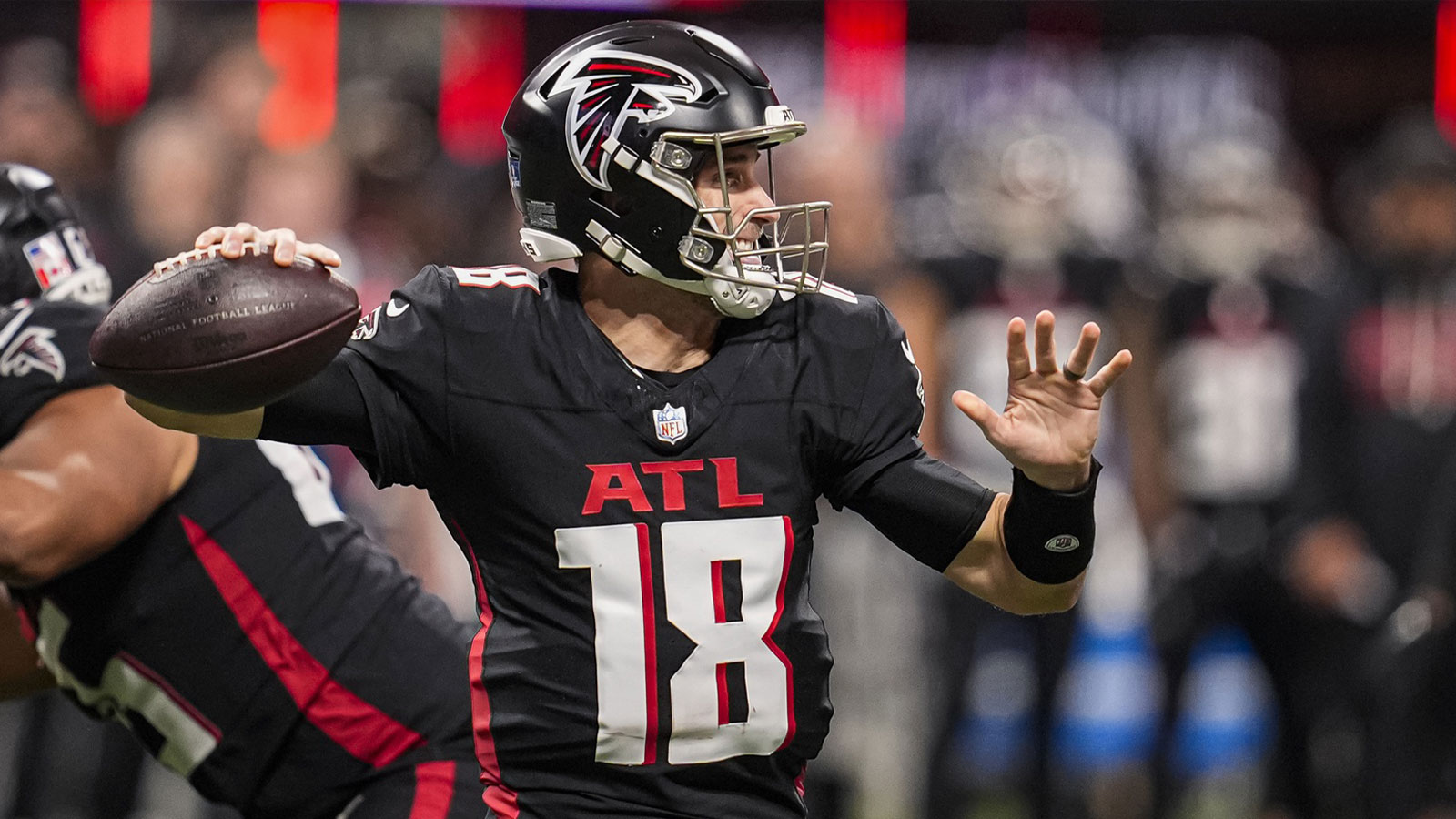
QB Jimmy Garoppolo
Jimmy Garoppolo’s role in 2025 was straightforward: insurance. As Stafford navigated another physically taxing season, having a proven veteran backup offered stability. However, the Rams’ organizational timeline is shifting.
With two first-round picks, carrying a high-priced veteran bridge quarterback becomes counterproductive. Development reps, preseason snaps, and QB room investment must pivot toward youth. Of course, Garoppolo’s experience still carries value league-wide. That's particularly true for teams lacking veteran quarterback depth. For Los Angeles, though, allocating several million dollars toward a backup who doesn’t factor into the post-Stafford roadmap is a luxury expense.
Right now, the Rams are better positioned financially and structurally by dedicating that roster spot to a rookie contract. In short, Garoppolo served his purpose. That purpose has now expired.
TE Tyler Higbee
Few players embody the McVay-era Rams culture more than Tyler Higbee. His blocking versatility, route reliability, and institutional knowledge made him a foundational offensive piece. That said, time is undefeated.
Higbee enters the 2026 offseason at 33 years old. He comes off a contract cycle where his snap share and production gradually declined. While still dependable, the athletic ceiling that once separated him from rotational tight ends has narrowed.
Meanwhile, the Rams’ tight end room has quietly undergone succession planning. Colby Parkinson offers size and red-zone utility. Meanwhile, Davis Allen’s development presents a younger, more explosive receiving profile. Both come at significantly lower cap hits.
This creates the archetypal roster dilemma. Should the Rams retain a respected veteran for continuity or pivot to younger, faster options aligned with long-term planning? The latter often prevails.
Letting Higbee walk would be emotionally difficult but strategically sound. It frees cap space, accelerates youth development, and aligns the offense with its evolving athletic identity. Sometimes culture pillars must give way to competitive recalibration.
Strategic exits
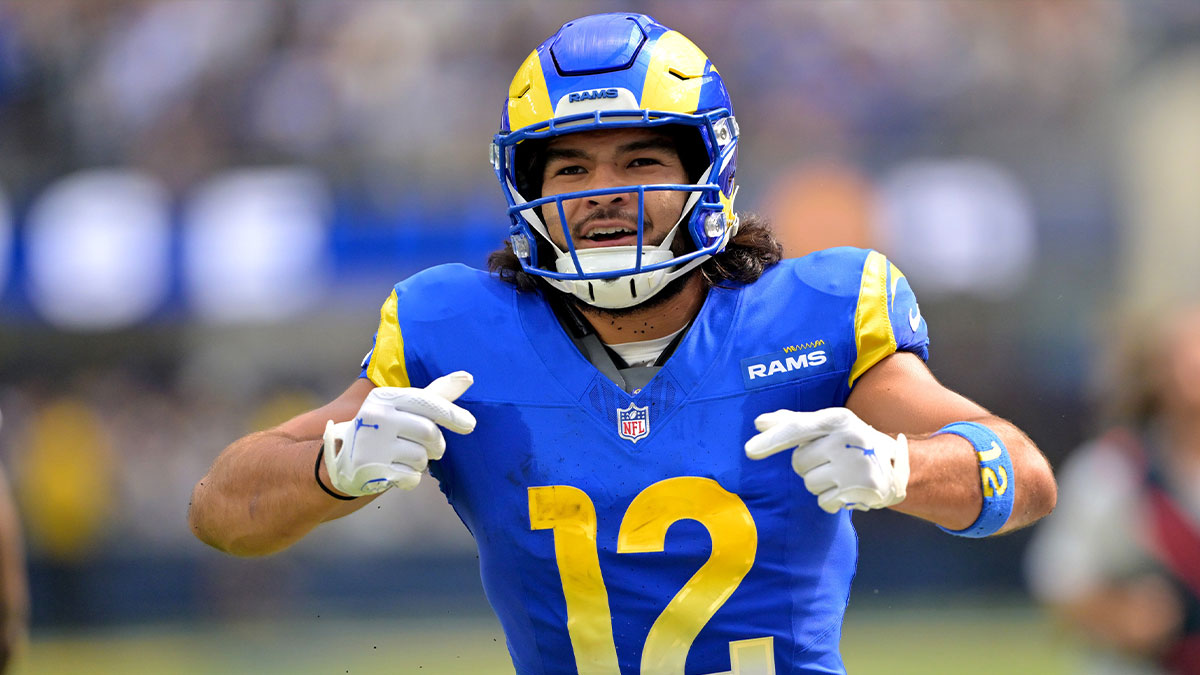
If the Rams allow Tutu Atwell, Jimmy Garoppolo, and Tyler Higbee to depart, the decisions will signal discipline.
Each move reallocates financial capital toward premium needs. Those include offensive line fortification, secondary reinforcements, and quarterback succession planning. Each reflects a franchise refusing to let sentiment override sustainability.
The Rams’ championship window remains open, but only if managed with precision. Stafford’s timeline, Adams’ veteran arc, and a rising defensive core all demand complementary roster engineering. In other words, they need addition by subtraction.