The confetti fell in Santa Clara, but none of it belonged to New England. Super Bowl LX was supposed to mark the Patriots’ triumphant return to football’s grandest stage. It was a new era, a new quarterback, a new championship window opening. Instead, it became a harsh reminder that the gap between contender and champion is still quite vast. The Seattle Seahawks didn’t merely beat the Patriots. They dismantled them, physically, tactically, and psychologically. It was a performance that echoed Seattle’s most dominant defensive showings of the past decade.
Of course, Seattle deserves immense credit. However, this was also a night where New England’s own flaws were laid bare under the brightest lights imaginable.
Seattle’s defense writes the script

In a defensive masterclass at Levi’s Stadium, the Seahawks claimed their second Lombardi Trophy with a commanding 29-13 victory over the Patriots in Super Bowl LX. Seattle’s “Dark Side” defense suffocated New England’s offense for three quarters. The Seahawks limiting the Pats to just 51 total yards in the first half while sacking Drake Maye six times total by endgame.
Jason Myers accounted for much of Seattle’s early scoring. He drilled a Super Bowl-record five field goals as drives repeatedly stalled but still yielded points. Sam Darnold added the game’s lone passing touchdown for Seattle. He connected with AJ Barner to make history as the first USC quarterback to throw a Super Bowl scoring strike. Yes, the Patriots found the end zone late through Mack Hollins and Rhamondre Stevenson. Still, the damage had long been done. It was punctuated by Uchenna Nwosu’s 45-yard pick-six that slammed the door on any comeback hopes. The win capped a dominant 17-3 championship season for Seattle while avenging their Super Bowl XLIX heartbreak against New England.
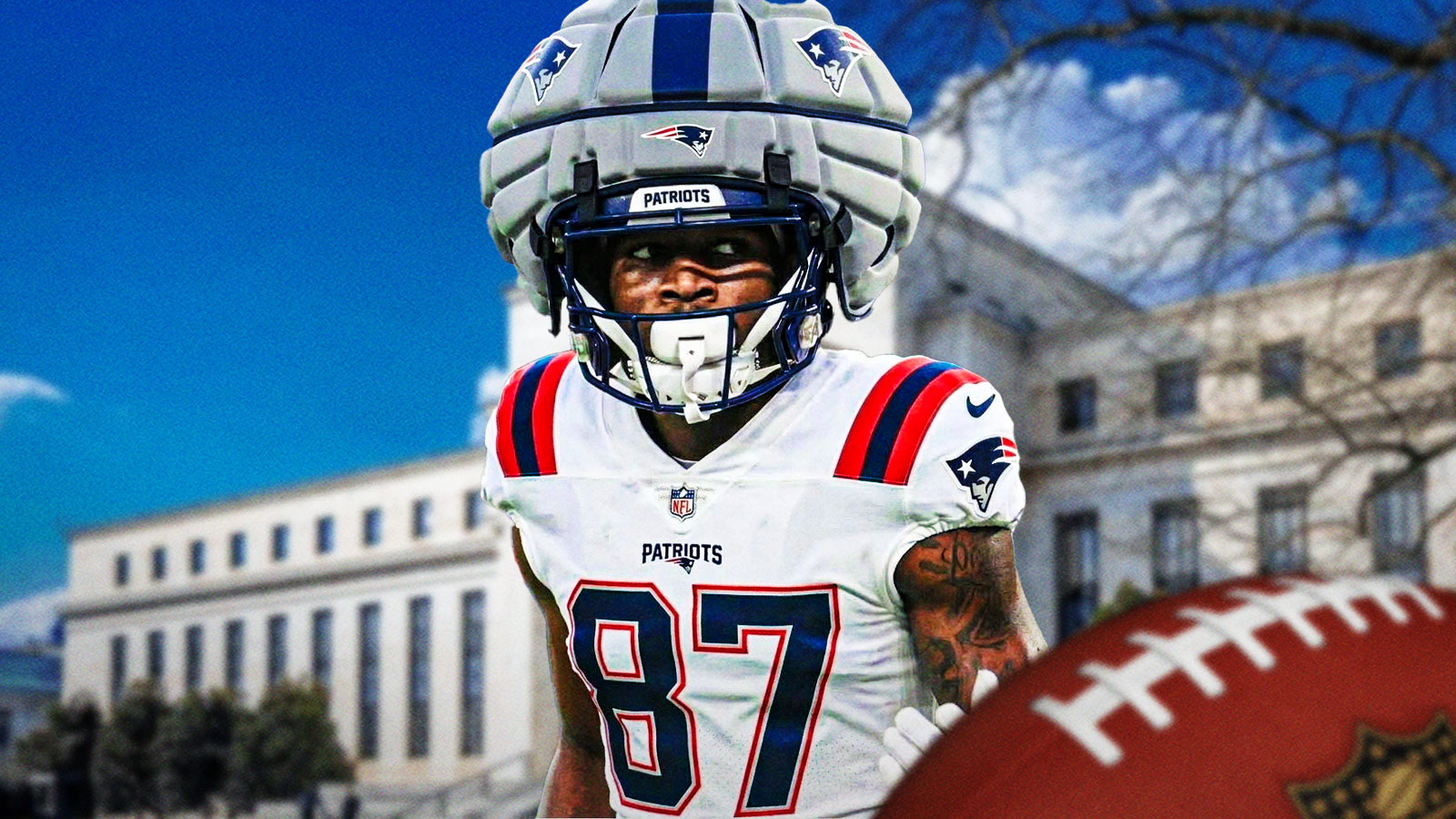
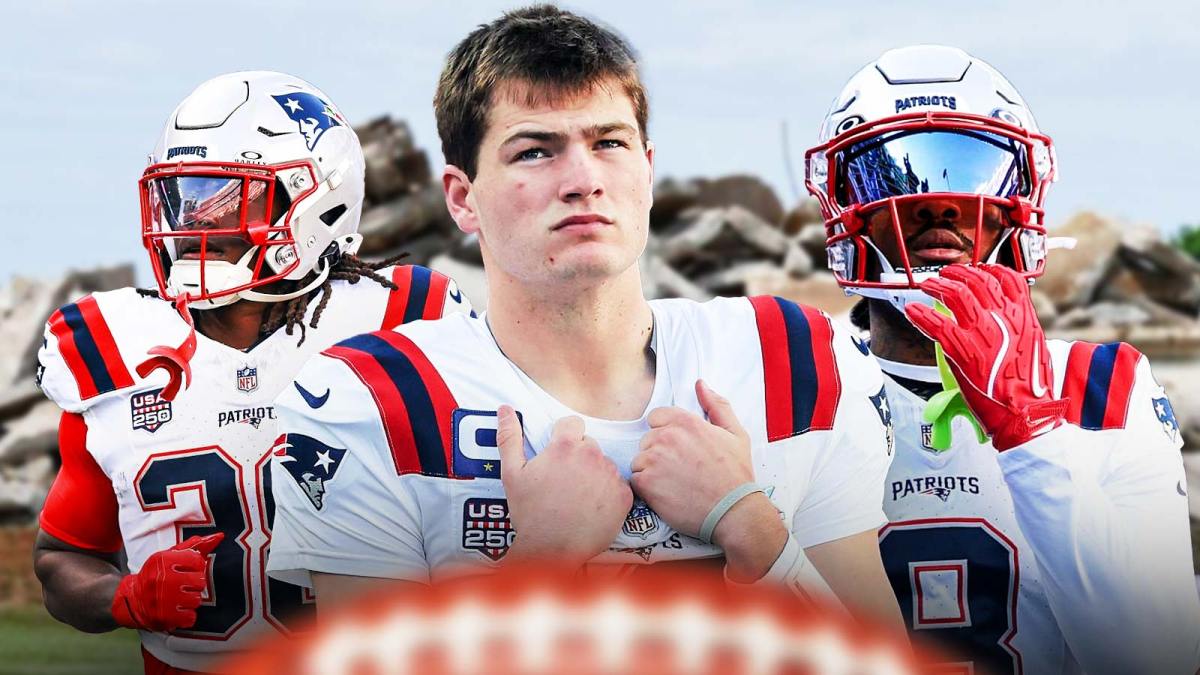
Here we'll try to look at and discuss the Patriots most to blame for their blowout loss to the Seahawks in the Super Bowl LX.
Offensive line
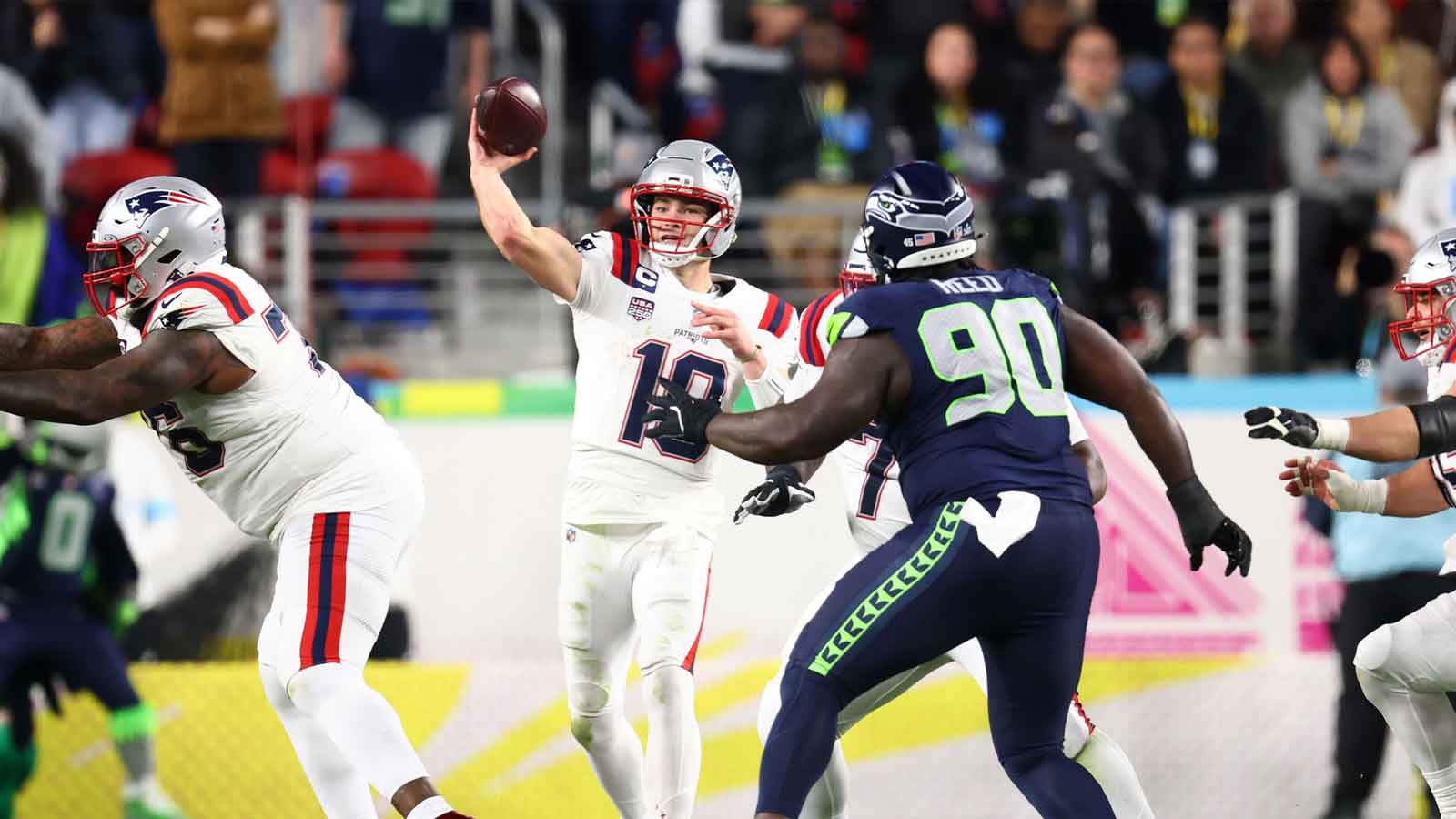
If there was a single root cause behind New England’s unraveling, it began up front. The Patriots’ offensive line simply had no answers for Seattle’s pressure packages. Maye was sacked six times on the night. The raw number, though, doesn’t even capture the chaos. Pockets collapsed almost instantly. Edge rushers arrived untouched. Interior pressure forced Maye off his launch points before routes had time to develop. Seattle recorded 11 QB hits. Ouch.
Derick Hall and Rylie Mills were relentless. They consistently won one-on-one battles. Meanwhile, Mike Macdonald dialed up timely blitzes that preyed on protection miscommunication. A corner blitz from Devon Witherspoon eventually led to a strip that turned into a back-breaking turnover.
Zoom out to the broader postseason picture, and the problem becomes even more glaring. Maye was sacked 18 times across the Patriots’ playoff run. That's just one shy of the all-time postseason record. That’s not a one-game anomaly but systemic failure. You cannot win a Super Bowl when your quarterback is under siege every snap.
QB Drake Maye
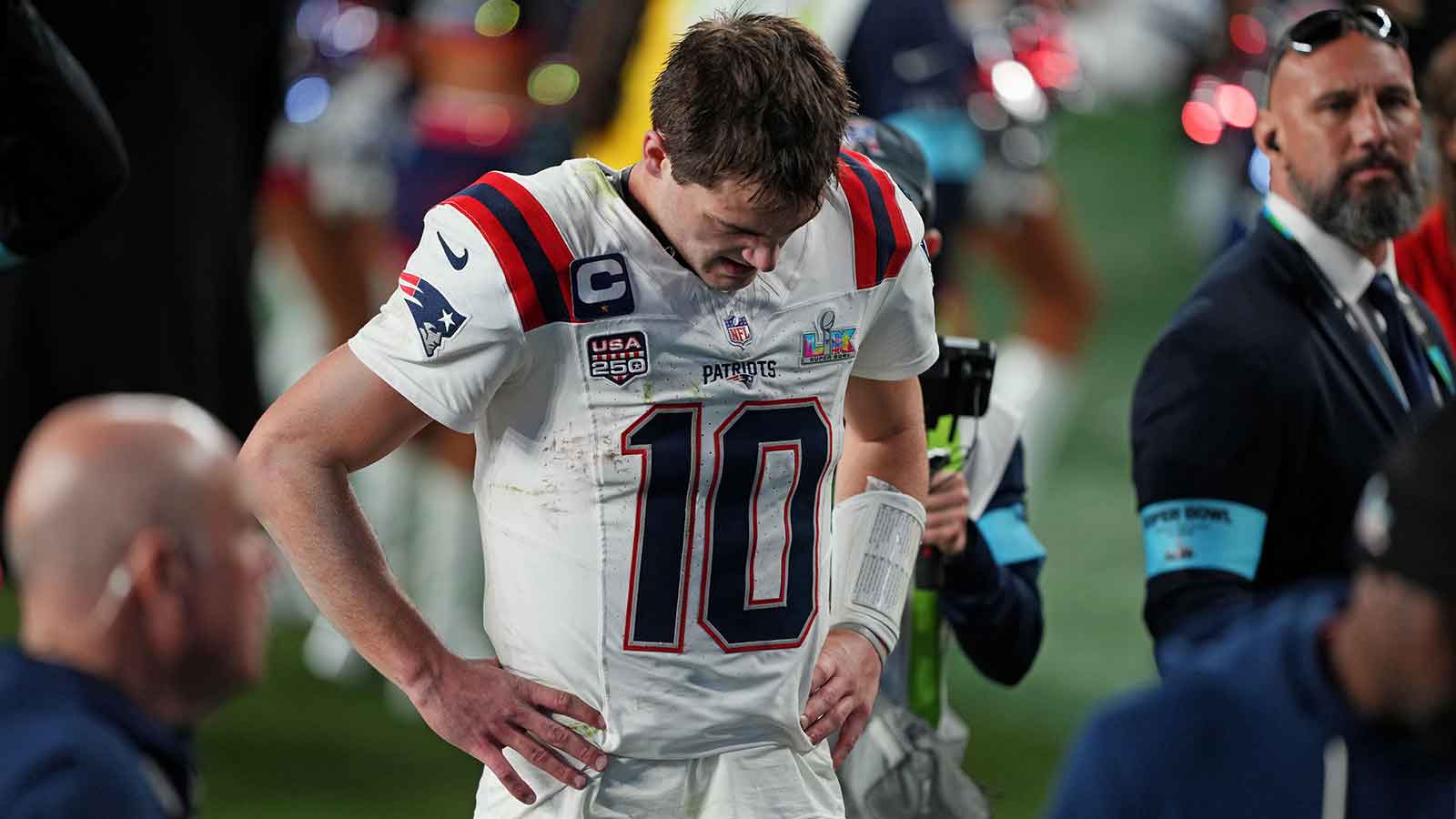
Protection issues aside, Maye owns his share of the blame. The young quarterback showed resilience late. He tossed touchdowns to Hollins and Stevenson in the fourth quarter. By then, however, the game script was already written. The Patriots needed composure early. Instead, they got volatility.
Maye committed three turnovers, each one more damaging than the last. A strip-sack late in the third quarter halted a drive that could have shifted momentum. An ill-advised deep shot in the fourth quarter was intercepted by Julian Love. And the pick-six by Uchenna Nwosu erased any lingering belief in a miracle comeback.
To Maye’s credit, he never stopped competing. That said, Super Bowls are unforgiving classrooms. Every mistake is magnified. Every turnover tilts the field. On this stage, ball security isn’t optional. It means survival.
Historically slow start
The Patriots didn’t lose this game in the fourth quarter. They lost it in the first half.
New England became the 15th team in Super Bowl history to be shut out through two quarters. That group now holds a 0-15 record in those games. The Patriots generated just 51 total yards before halftime. They averaged a paltry 2.2 yards per play.
Drives rarely lasted. Third downs weren’t converted. Field position tilted heavily toward Seattle. Even when the Seahawks stalled offensively, Myers’ leg ensured points followed. That early stagnation had a domino effect. The Patriots’ defense, which initially held firm, eventually wore down under the weight of repeated short fields and extended time on the turf. No team can chase a championship after sleepwalking through two quarters.
Coaching adjustments
Mike Vrabel deservedly earned Coach of the Year honors for New England’s remarkable rise. On Super Bowl Sunday, though, he was outmaneuvered.
Seattle’s defensive disguises created confusion pre-snap and chaos post-snap. Blitz looks morphed into coverage shells. Simulated pressures baited protection calls. New England never fully solved the puzzle.
Perhaps most puzzling was the disappearance of the run game. This was a pillar of the Patriots’ playoff identity. TreVeyon Henderson found little daylight, and New England abandoned balance far earlier than ideal. That left Maye throwing into exotic pressure looks against the NFL’s top scoring defense.
Vrabel and his staff tried to make halftime tweaks. By then, however, the scoreboard and momentum were firmly tilted toward Seattle. Championship coaching is about counterpunching in real time. On this night, Vrabel & Co. were stuck reacting.
Painful but necessary perspective
This loss will sting, and it should. Super Bowl opportunities are precious, and New England let one slip away. This performance was defined by protection breakdowns, turnovers, and tactical mismatches. Yet context matters. This Patriots team arrived ahead of schedule. They reached the league’s summit behind a young quarterback, a physical identity, and a resurgent culture.
Seattle may have exposed their weaknesses, but they also clarified the blueprint forward. New England must fortify the offensive line, accelerate Maye's development, and deepen offensive flexibility.
Because if Super Bowl LX proved anything, it’s this:
The Patriots are close.
But close isn’t champion just yet.