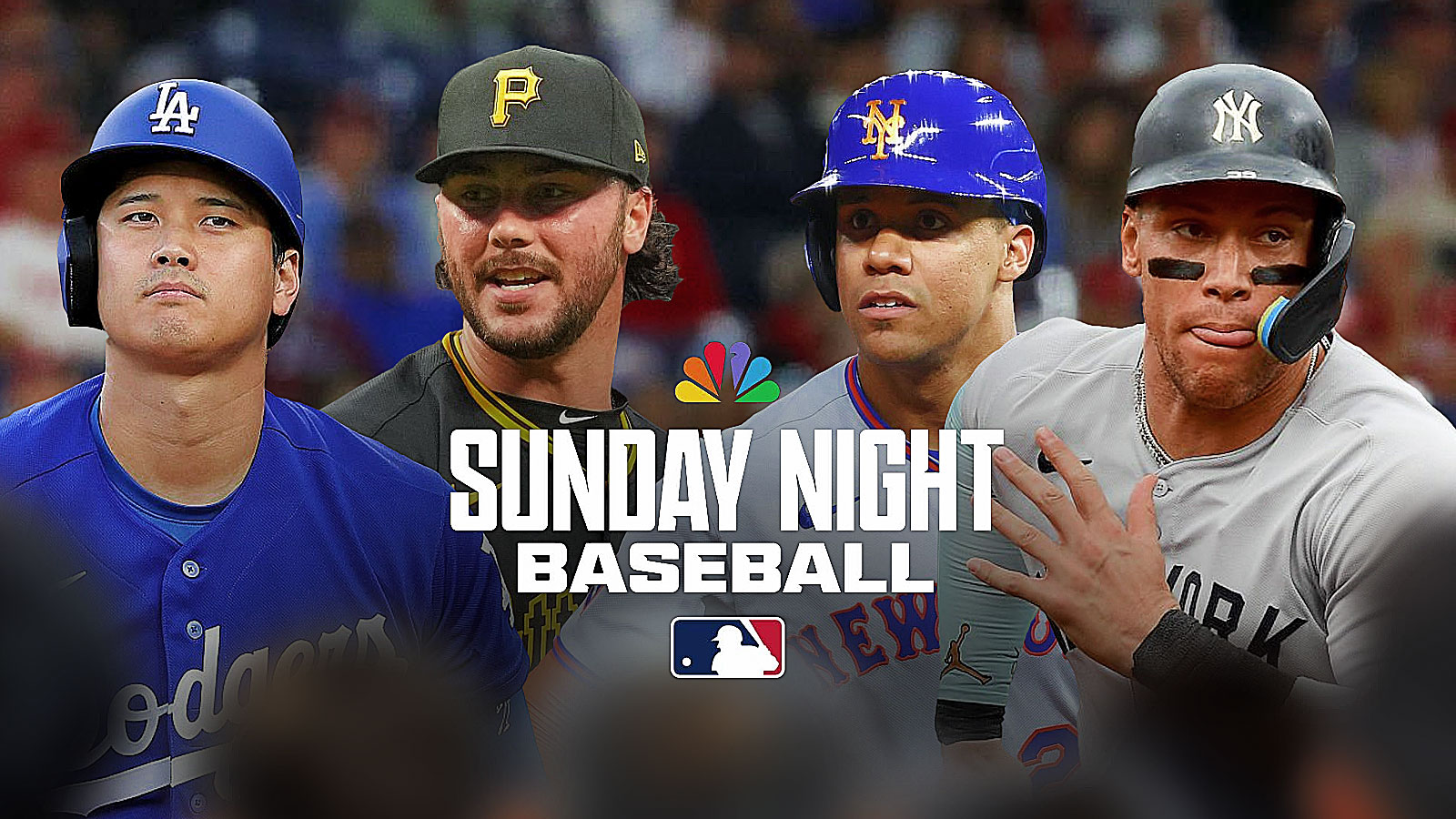

The Atlanta Braves entered the Winter Meetings with interest in Edwin Diaz, the Los Angeles Dodgers’ top closer target, hoping to strengthen a Braves bullpen that needed late-inning certainty. They monitored price points, weighed risk, and moved with caution while the Dodgers pushed with conviction. And in the end, the Braves never came close. The sneaky reason? A draft pick that mattered more than any reliever on the board.
The Braves valued their Prospect Promotion Incentive selection, the No. 26 pick, far more than outsiders expected. It was the highest second choice of any team, a reward earned through Drake Baldwin’s Rookie of the Year win. The Braves had seen what these picks could become. Hurston Waldrep turned into a 2.88-ERA rookie force. Cam Caminiti rose to the top of their pipeline. Tate Southisene followed the same path. Those successes shaped every conversation they held in Orlando.
Why the Dodgers pushed while the Braves backed away
The Dodgers didn’t hesitate. They already exceeded the luxury-tax threshold and knew they would lose multiple draft picks and international bonus pool money to sign Diaz. Yet, they still signed Edwin Diaz for three years and $69 million because elite closers rarely reach the market. Their window demands aggression. Their roster demands certainty.
The Braves live in a different reality. They didn’t exceed the tax last season. They would lose only one pick for signing a qualifying-offer free agent, but sacrificing No. 26 for a reliever felt wasteful. If they were going to lose that selection, they preferred it be for a position player or a frontline starter, not a ninth-inning arm.
So Atlanta backed out. The Dodgers closed the deal. And now the Braves search for another bullpen partner for Raisel Iglesias, considering names like Robert Suarez as the market shifts again.
Under the bright hotel lights of the Winter Meetings, one question lingers: will protecting that pick end up helping the Braves more than losing Edwin Diaz hurt them?