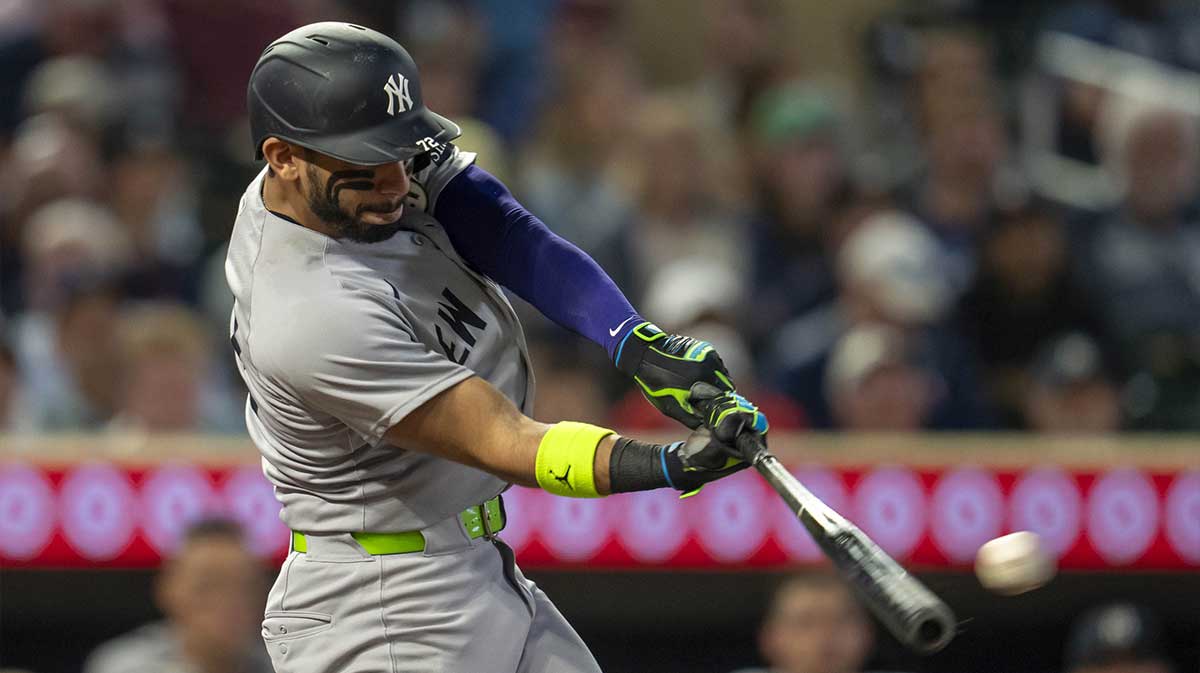
With spring training just over a month away, the New York Yankees further clarified their offseason direction. On Wednesday afternoon, the team brought back slugger Cody Bellinger on a five-year, $162.5 million deal to keep him in the Bronx. The move brings immediate clarity to the club, as it stabilizes the outfield, reinforces lineup balance, and signals organizational direction.
The emphasis now shifts to the Pinstripes' pitching staff.
The Yankees knew that their main concern wasn't offense headed into the offseason. Retaining Bellinger gives the outfield more flexibility on defense and makes it easier to find players who can play multiple positions, which means the club doesn't need to spend more money on the lineup. As a result, the front office is now focused on the starting rotation, which is what will determine whether the offseason is a success or a failure.
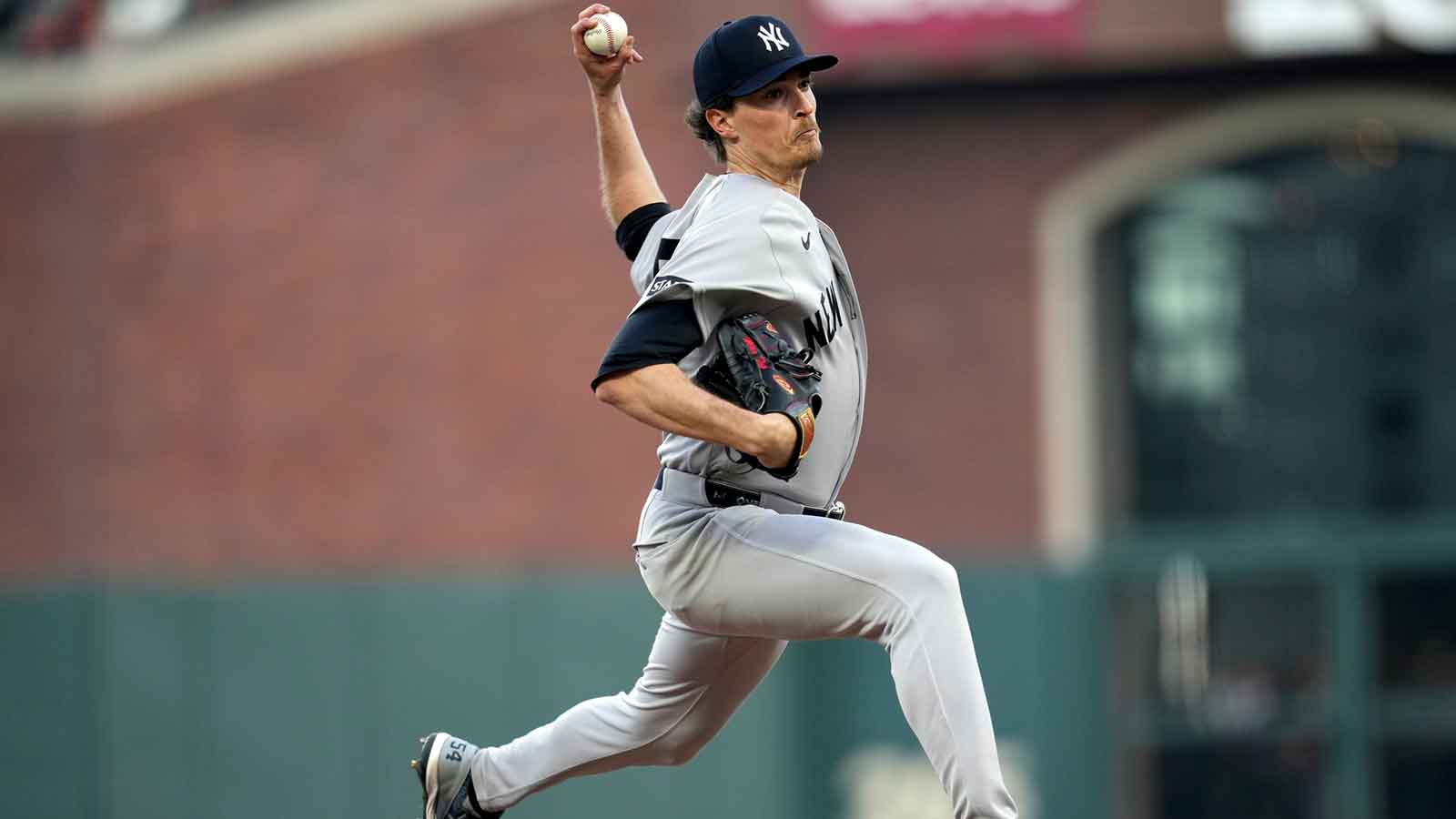
Injuries have forced the issue. Superstar Gerrit Cole and southpaw Carlos Rodon are both expected to miss the start of the 2026 season, leaving the Bronx Bombers without their two most established starters for Opening Day 2026. Ace Max Fried stands as the lone proven top-of-the-rotation arm available immediately. Behind him sit a collection of younger and less-tested options, who would be asked to absorb significant innings early. For a team with aspirations to make noise in October, that level of exposure carries substantial risk.
This is where Zac Gallen’s free agency becomes central to the Yankees’ plans. Gallen represents a rare blend of durability, experience, and upside in a market that offers few reliable alternatives. He has consistently handled heavy workloads and navigated competitive environments without breakdown. For a rotation facing uncertainty, those qualities matter as much as raw performance.
At first glance, Gallen’s stats from the 2025 season raise questions. His 4.83 ERA marked the highest of his career and led to mixed evaluations determining his value across the league. However, surface numbers do not fully capture the full context. Gallen made all 33 of his scheduled starts and logged 192 innings. For a staff already dealing with injury-related absences, that dependability alone carries considerable value.
The trajectory of his season is even more instructive. Over his final 10 starts, Gallen posted a 2.82 ERA while showing improved command and a rising strikeout rate. That late-season stretch suggested his early struggles were more corrective than indicative of decline. Evaluators tend to emphasize finishes, and Gallen’s closing performance restored confidence in his ability to pitch at the front of a rotation.
Market conditions further favor the Yankees. The right-handed pitcher declined a qualifying offer from the Arizona Diamondbacks, and his free-agent market has cooled. Draft-pick compensation concerns and recency bias have tempered aggressive bidding, creating an opportunity for a short-term or incentive-based deal. That structure aligns with the Yankees’ current needs by providing immediate stability without long-term inflexibility.
From a roster-construction perspective, the logic is clear. The Bellinger contract clarified outfield roles and reduced the need to pursue additional position players. Redirecting resources toward pitching addresses the roster’s most obvious weakness while avoiding the risk of forcing younger arms into roles they may not yet be ready to handle.
Postseason experience strengthens the case even further. Gallen played a key role in Arizona’s 2023 World Series run, pitching in high-leverage situations under intense scrutiny. In New York, where expectations are high and performance in October defines success, that experience holds significant weight. The veteran pitcher has already demonstrated an ability to operate under that pressure.
His addition would also provide structural benefits beyond his individual performance. Cole and Rodon would have more time to recover without pressure to accelerate their timelines. Fried would slot into a more balanced role rather than carrying the staff alone. Younger pitchers would gain insulation instead of immediate exposure. That layered impact is what separates a stopgap solution from a meaningful rotation upgrade.
There is also long-term logic at play. Gallen owns three top-10 Cy Young finishes and a career ERA well below four. His effectiveness is rooted in command, pitch sequencing, and adaptability rather than pure velocity. That profile often ages more favorably and reduces volatility over time. Even a partial return to form would deliver strong value.
Financially, the Yankees are positioned to act. The Bellinger deal clarifies the payroll structure without eliminating flexibility. Targeting an established starter coming off an uneven season fits the organization’s recent pattern of calculated bets rather than reactionary spending.
The alternatives are limited. Trade markets thin quickly, and internal options carry volatility. Leaving risks unaddressed and entering April with unanswered questions at the most critical position group on the roster would be difficult to justify for a team expected to contend every single season.
The offseason objective is now clear. New York addressed the lineup by committing to the 2020 World Series champion with the Los Angeles Dodgers. The next move must be to secure further rotational stability. Signing Gallen accomplishes that goal while preserving flexibility and mitigating risk.
Championship windows demand decisive action. The path forward points directly toward reinforcing the rotation. If the Yankees aim to transform a robust winter into a comprehensive one, Gallen is the key player who can complete the task.