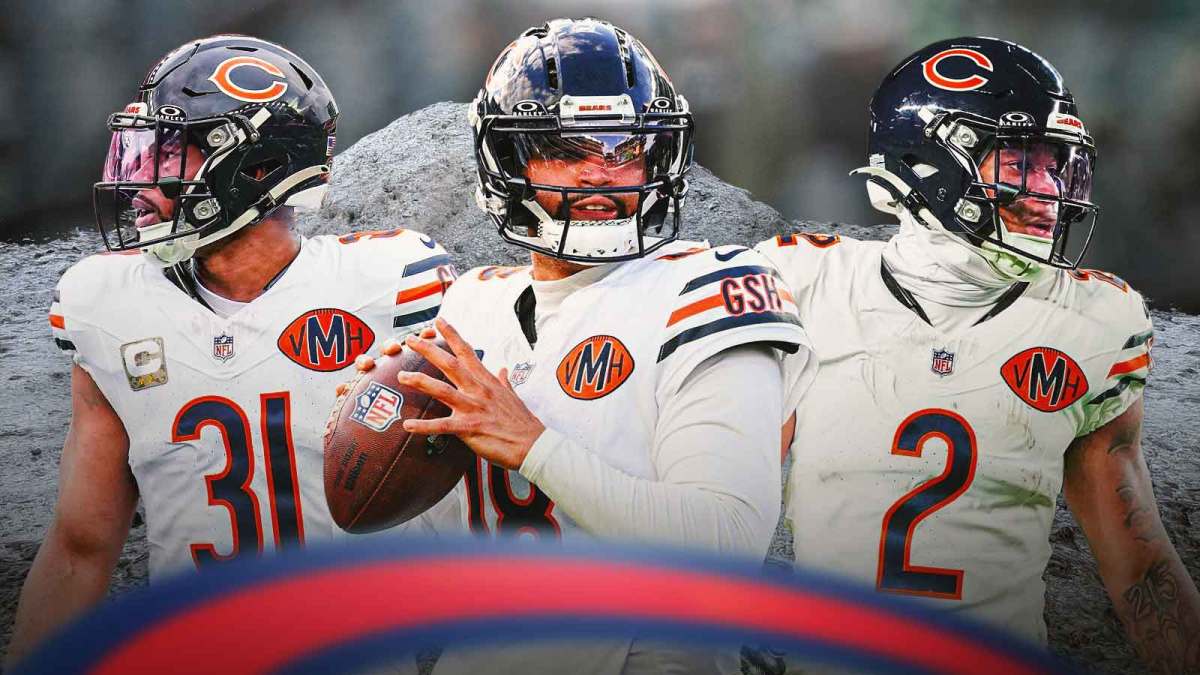
Some losses linger longer than others. For the Chicago Bears, Sunday’s 28–21 defeat at the hands of the Green Bay Packers will sit heavy for a long time. Blowing opportunities, squandering drives, and watching a late comeback evaporate with a red-zone interception? That’s the kind of loss that gnaws at a franchise fighting to build an identity. The Bears had their moments. However, their inconsistencies and lack of execution in the biggest spots proved costly once again. At 9-4, their playoff hopes are still alive. Still, the lessons from this loss will matter for the future they’re trying to build around Caleb Williams.
Bears fall short late despite second-half surge
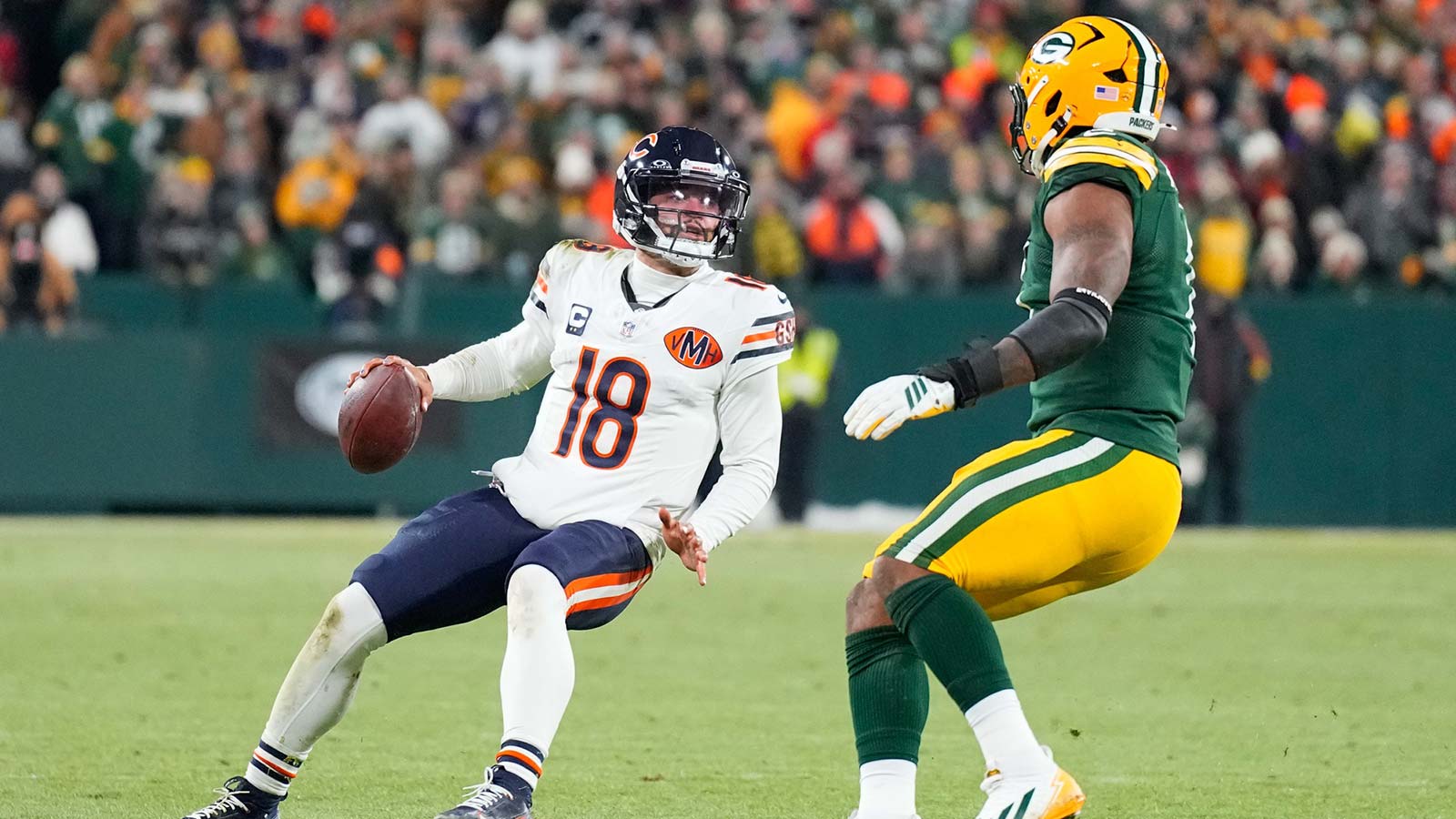
The Bears entered Week 14 knowing a win over the Packers could sustain momentum in a promising season. Instead, they walked out of Lambeau Field frustrated after a 28–21 defeat loaded with missed chances. The offense sputtered throughout the first half. They generated only three points as conservative play-calling, shaky protection, and limited involvement from star receiver DJ Moore. That left Chicago unable to match Green Bay’s early rhythm. At halftime, the Bears had gained only 71 total yards.
The second half, though, brought a spark. Williams pushed the ball downfield. He connected with Cole Kmet, Colston Loveland, and Luther Burden III on chunk plays that finally opened up the offense. The Bears tied the game late in the fourth quarter. For a moment, it looked like Chicago had wrestled momentum away from its oldest rival.
Then came the heartbreaking finale. On a potential game-tying or game-winning drive, Williams forced a throw in the red zone. Packers safety Keisean Nixon sealed the loss with an interception. The late-game turnover overshadowed Chicago’s second-half rally. It ensured yet another missed opportunity in a season full of them.
Here we'll try to look at and discuss the Chicago Bears most to blame for their primetime Week 14 loss to Packers.
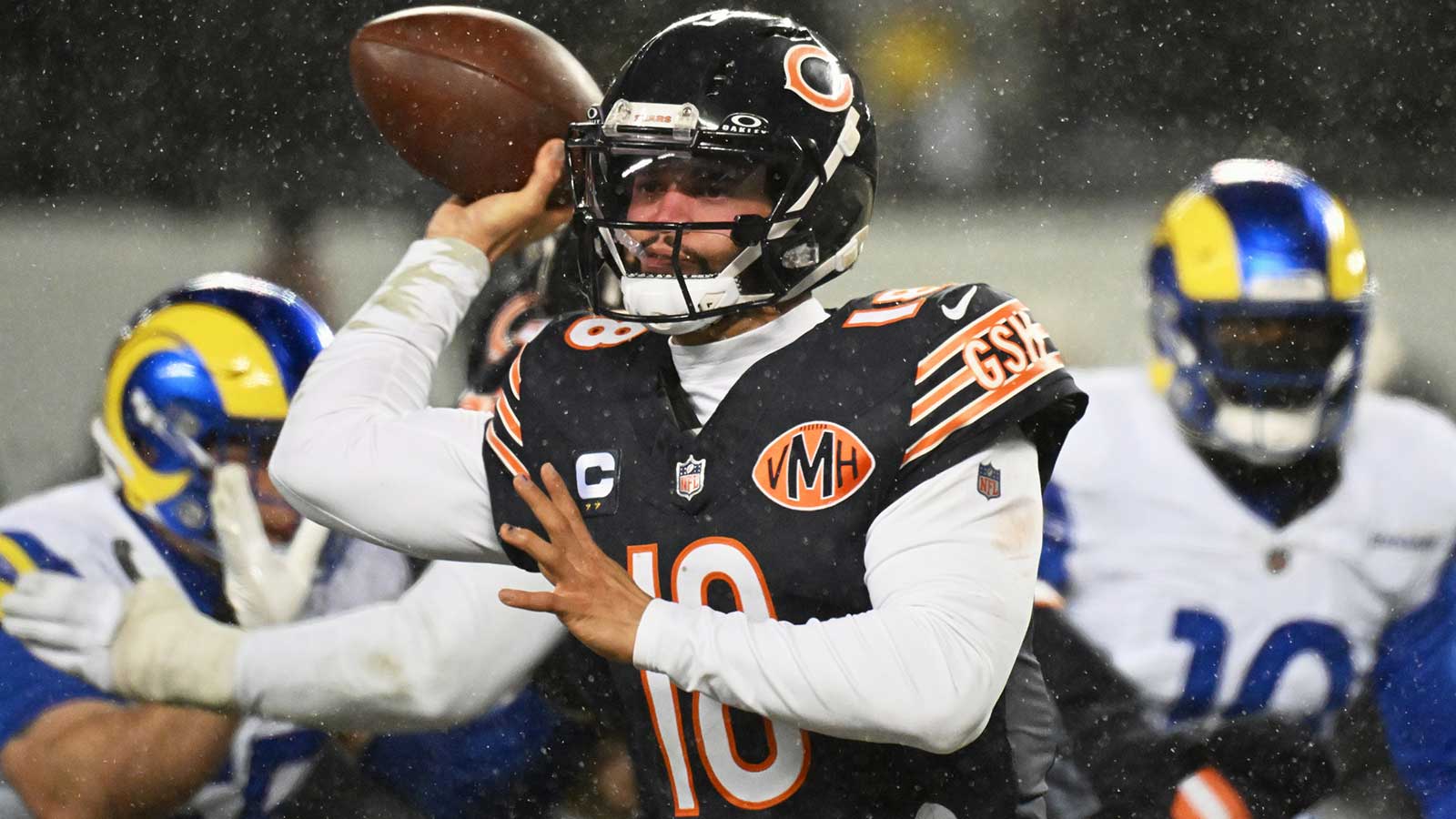
QB Caleb Williams
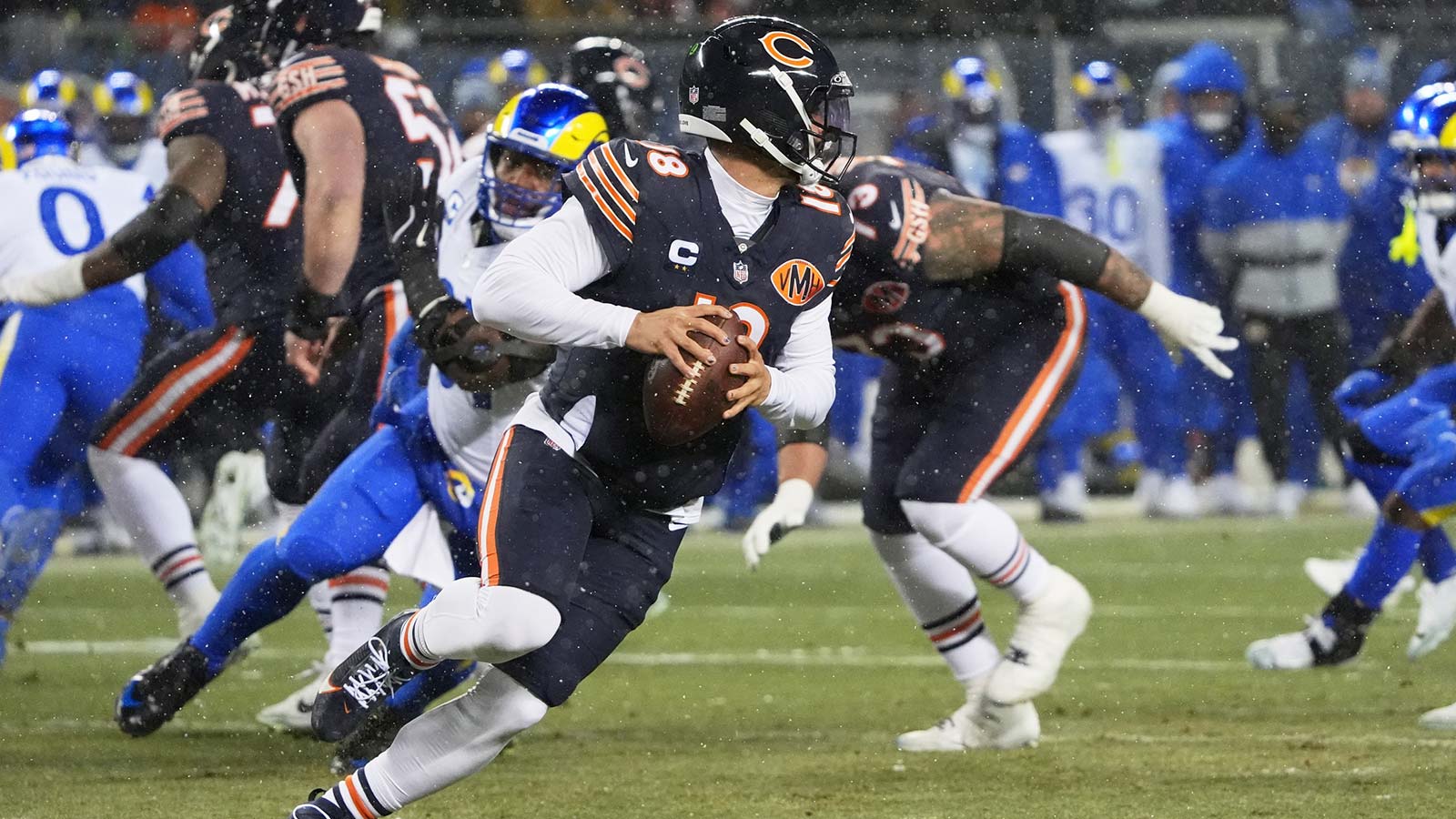
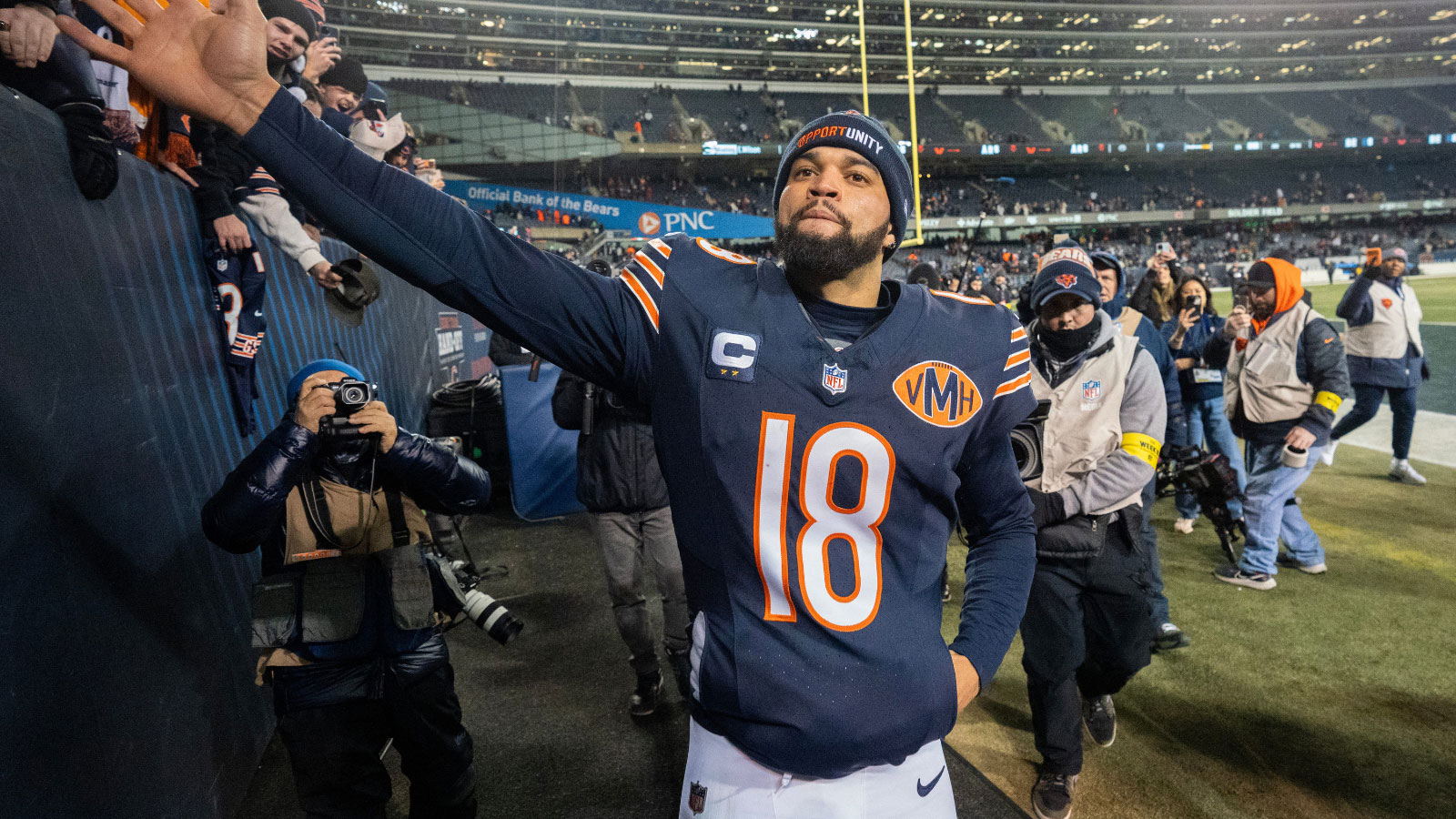
There is no denying the raw talent Williams brings to Chicago. On Sunday, he showed flashes of the precision and creativity that made him the face of the franchise. However, he also delivered a first half that put the Bears in a deep hole. The final-minute mistake ended any hope of a comeback.
Williams finished 19-of-35 for 186 yards, two touchdowns, and the game-sealing interception. His first-half struggles were glaring: only 32 passing yards and difficulty reading pressure or timing his throws. To his credit, Williams rebounded with three completions of 20-plus yards. He also orchestrated two scoring drives that brought Chicago back into the game. That said, the signature moment came with the ball in his hands and the Bears threatening to tie the score.
It wasn’t all on Williams, of course. The offensive line offered inconsistent protection, the receivers didn’t always separate, and the run game left little margin for error. Still quarterbacks are judged on defining moments. Williams simply didn’t finish the job when it mattered most.
Offensive line
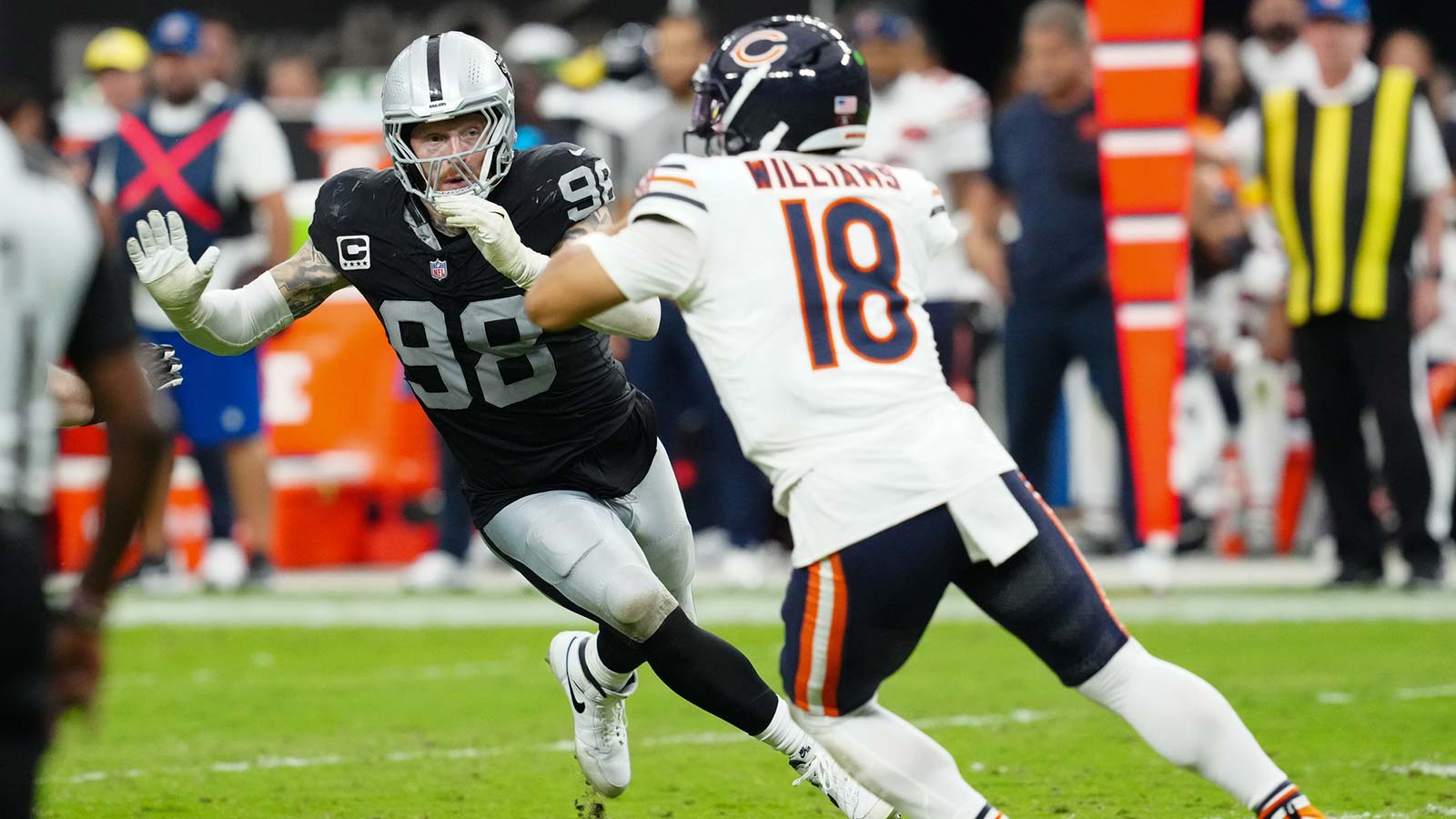
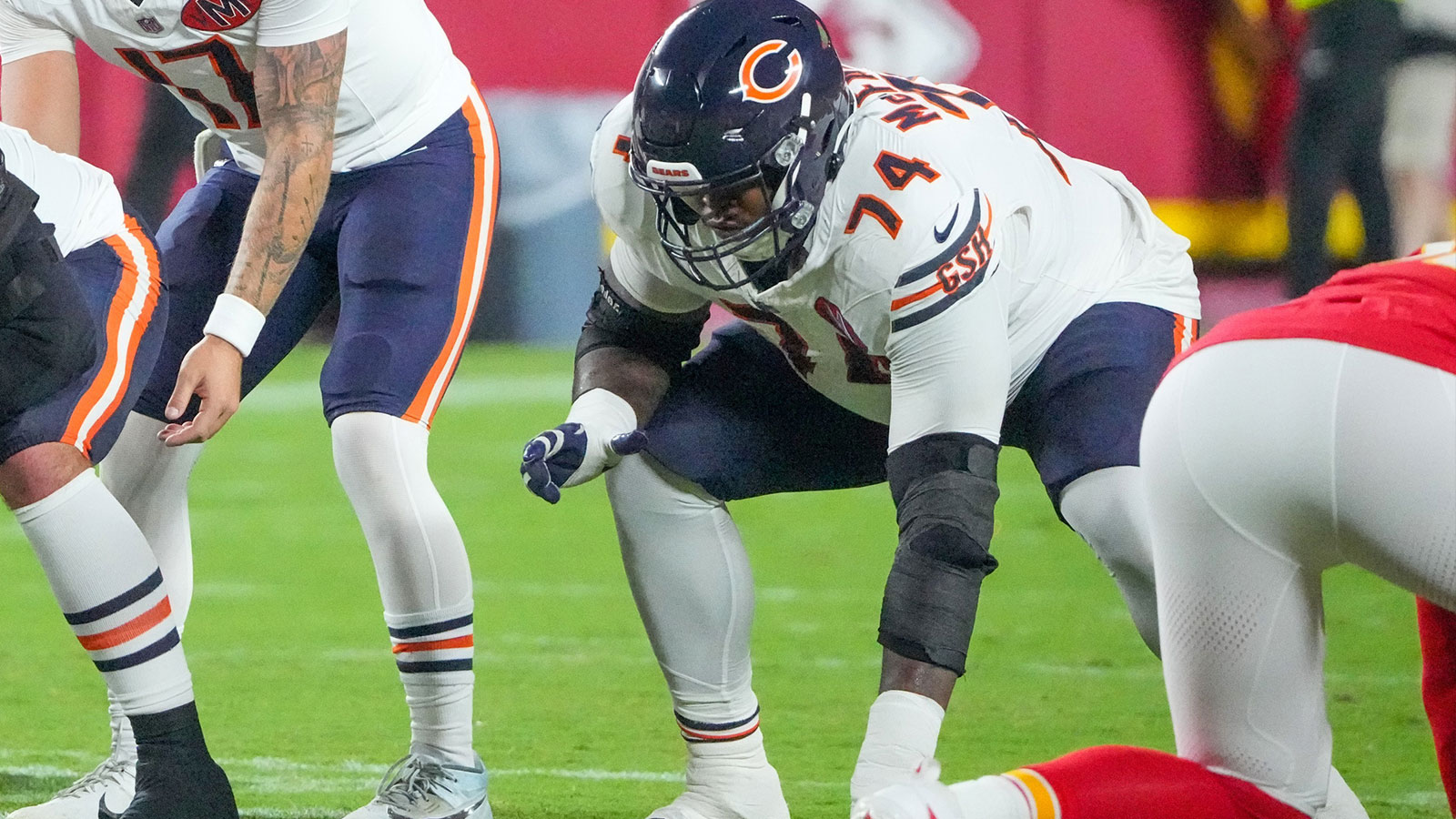
If one position group shoulders significant blame, it’s the offensive line. From the opening snap, Packers defenders swarmed the backfield. They collapsed pockets and disrupted timing before plays could even develop. Williams scrambled for survival.
Pass protection issues derailed drives early and often. Whether it was losing individual matchups or failing to handle Green Bay’s pressure packages, the Bears’ protection unit forced the offense into quick throws and stalled momentum. Even during Chicago’s second-half rally, Williams frequently delivered throws under duress.
The line did manage solid production in the run game. They created lanes and helped the Bears find some balance. Still, when the Bears needed clean pockets and steady protection in the fourth quarter, the line simply didn’t deliver.
WR DJ Moore
With Rome Odunze sidelined, this was supposed to be DJ Moore’s moment to reassert his status as Chicago’s No. 1 receiver. Instead, he delivered one of the most puzzling performances of the season.
One catch. Negative four yards. Three targets. Completely removed from the game plan.
Whether it was an issue of separation, play design, or timing, Moore’s lack of involvement was glaring and costly. The Bears needed a chain-mover and a stabilizing presence. They needed anything that forced the Packers’ defense to adjust. Instead, Moore vanished, and the Bears suffered for it.
For a player carrying a four-year, $110 million contract, games like these simply cannot happen.
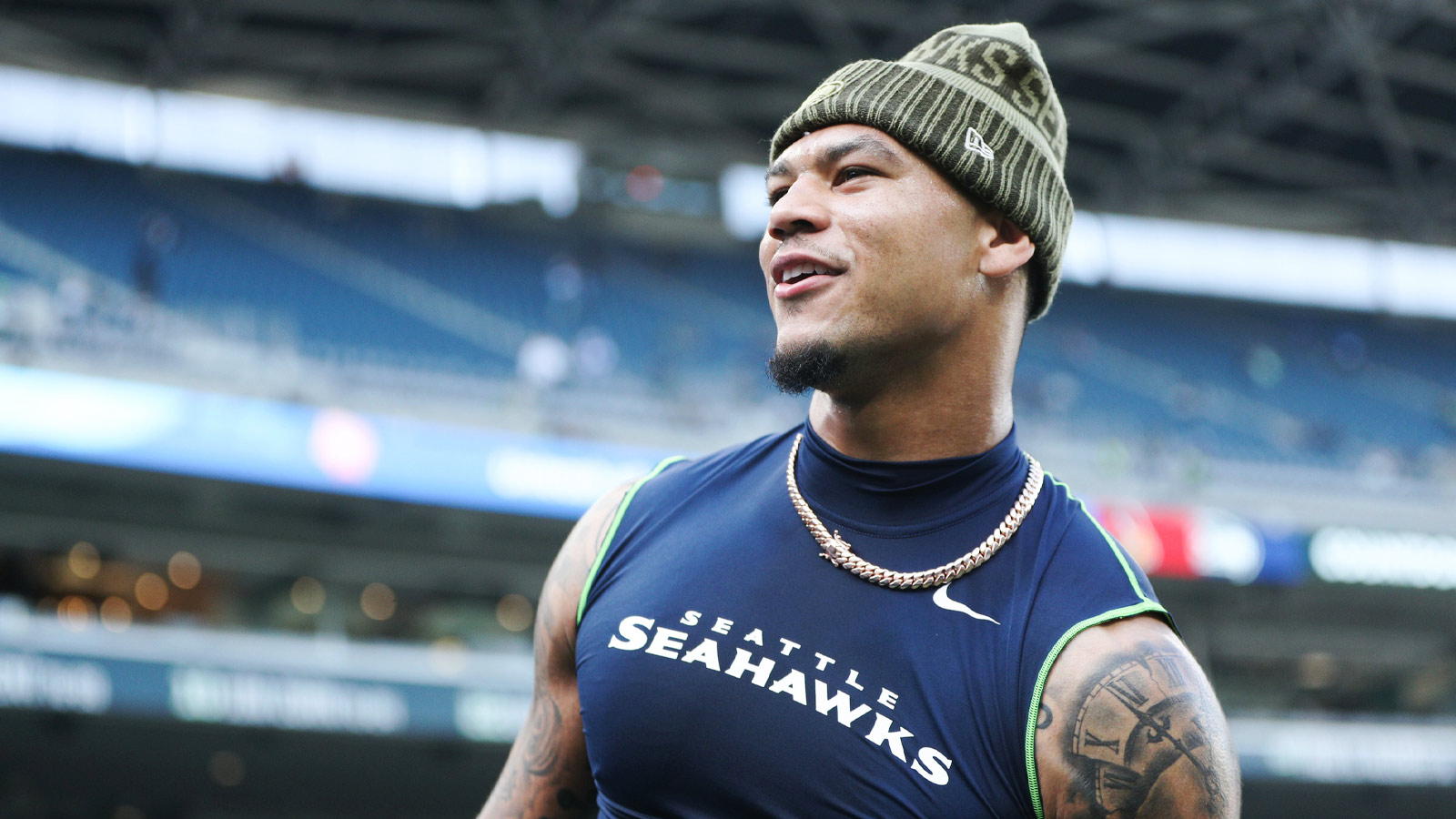
S Kevin Byard
Kevin Byard has been one of Chicago’s most consistent defensive performers all season. However, Sunday was not his day. Christian Watson found repeated success against Chicago’s coverage, finishing with 89 yards and two touchdowns. Too often, Byard was late breaking on routes or unable to keep pace with Watson’s burst.
Byard’s track record earns him grace. That said, his struggles were part of a defensive effort that faltered just enough to let Green Bay pull ahead.
Coaching
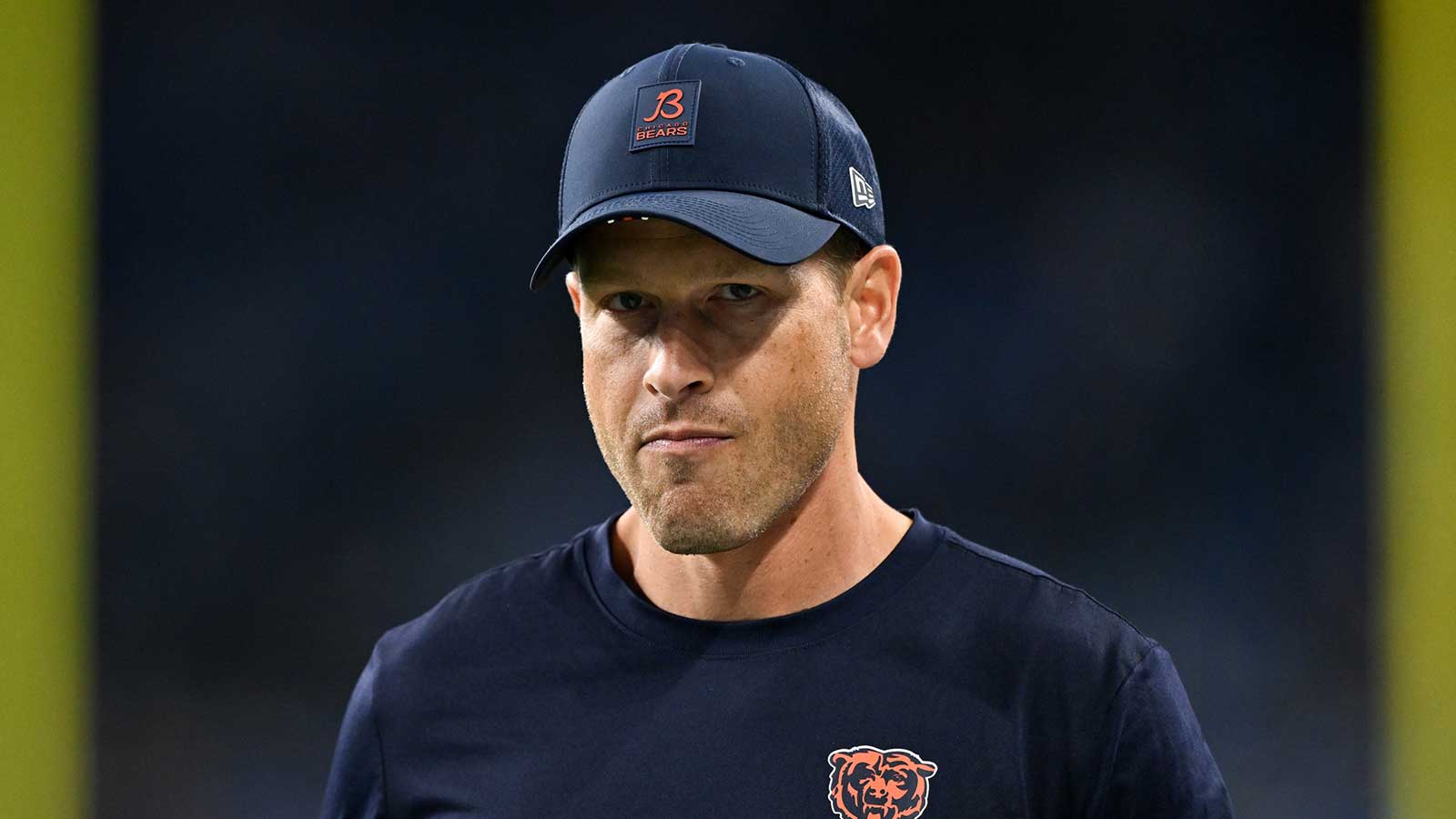
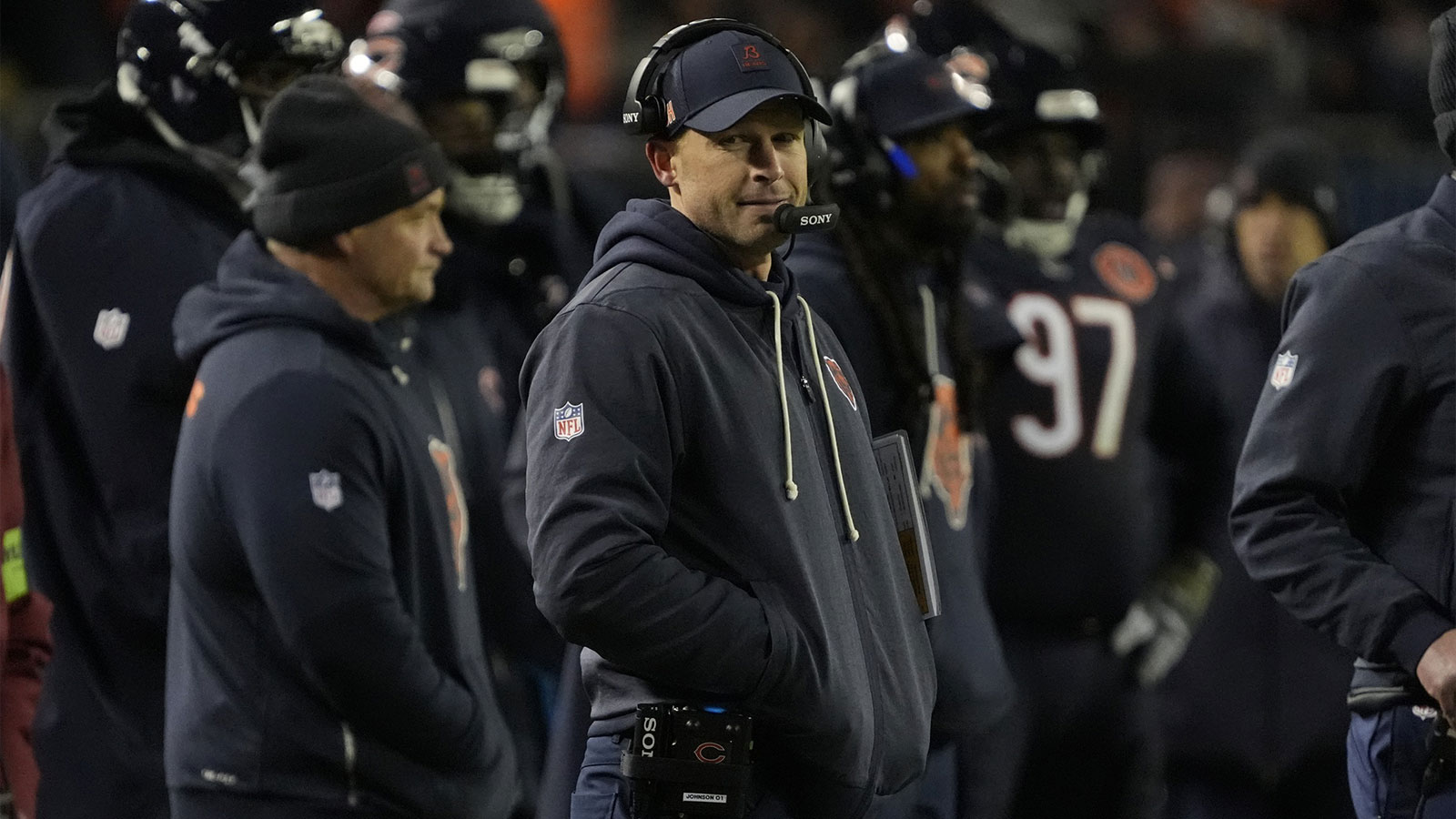
Ben Johnson’s second-half adjustments deserve praise. The offense found rhythm, the play design improved, and Chicago nearly stole the game late. The first half, though, looked disjointed, conservative, and uninspired.
The Bears didn’t involve Moore, didn’t stretch the field, and didn’t handle pressure cleanly. Johnson was reactive instead of proactive.
Defensively, Dennis Allen faced a tough matchup against Matt LaFleur’s offense. Allen was outmaneuvered at key points. Though the Bears held firm for stretches, too many coverage breakdowns and mismatches allowed the Packers to control momentum in critical moments.
Growing pains
This wasn’t just another rivalry loss. It was a reminder that while the Bears have promise, they also have glaring issues. These range from protection to play-calling to finishing games. Sunday showed both the team’s potential and its limitations. The future may still be bright, but this loss illuminated just how far the Bears still have to go.