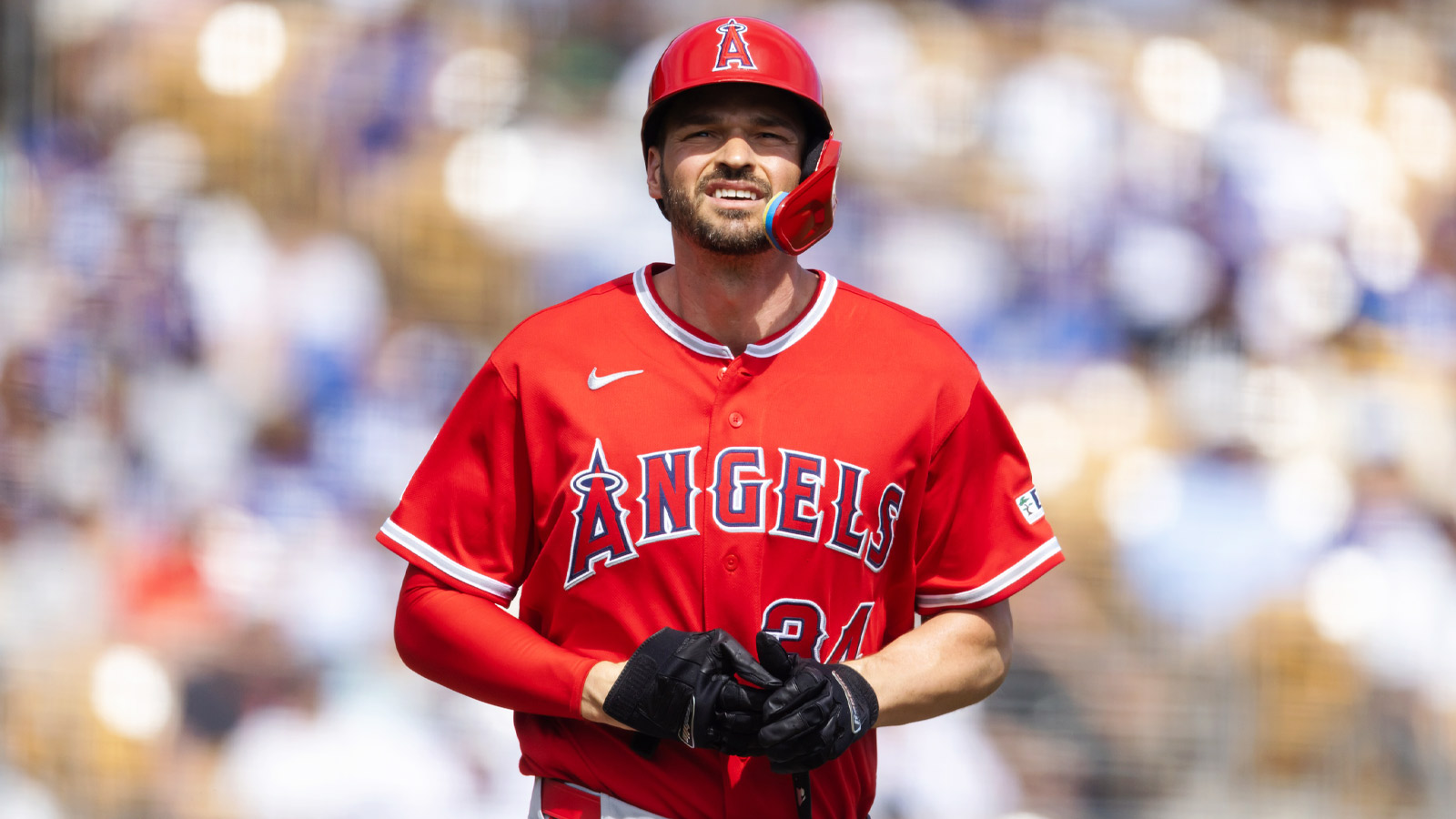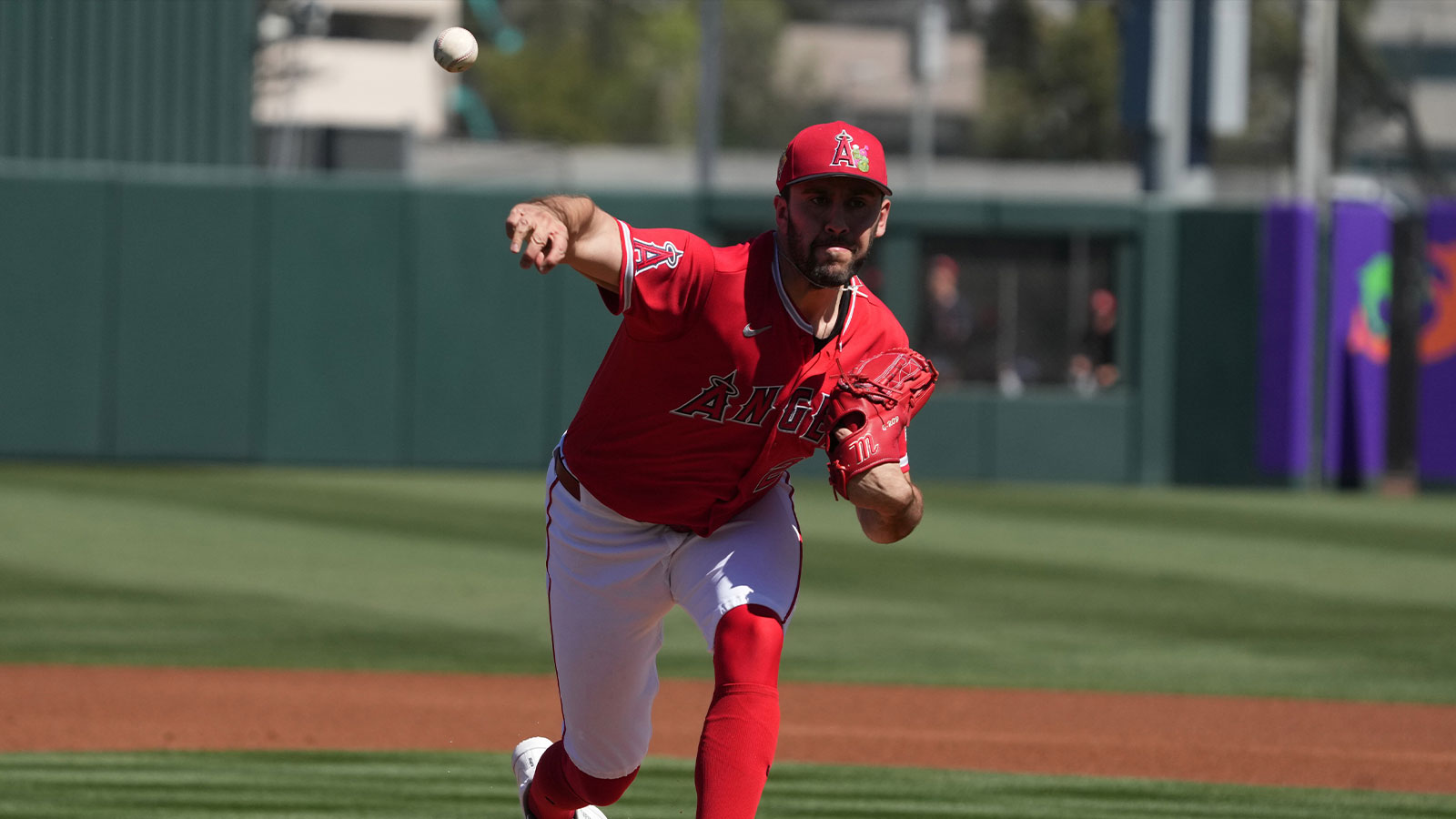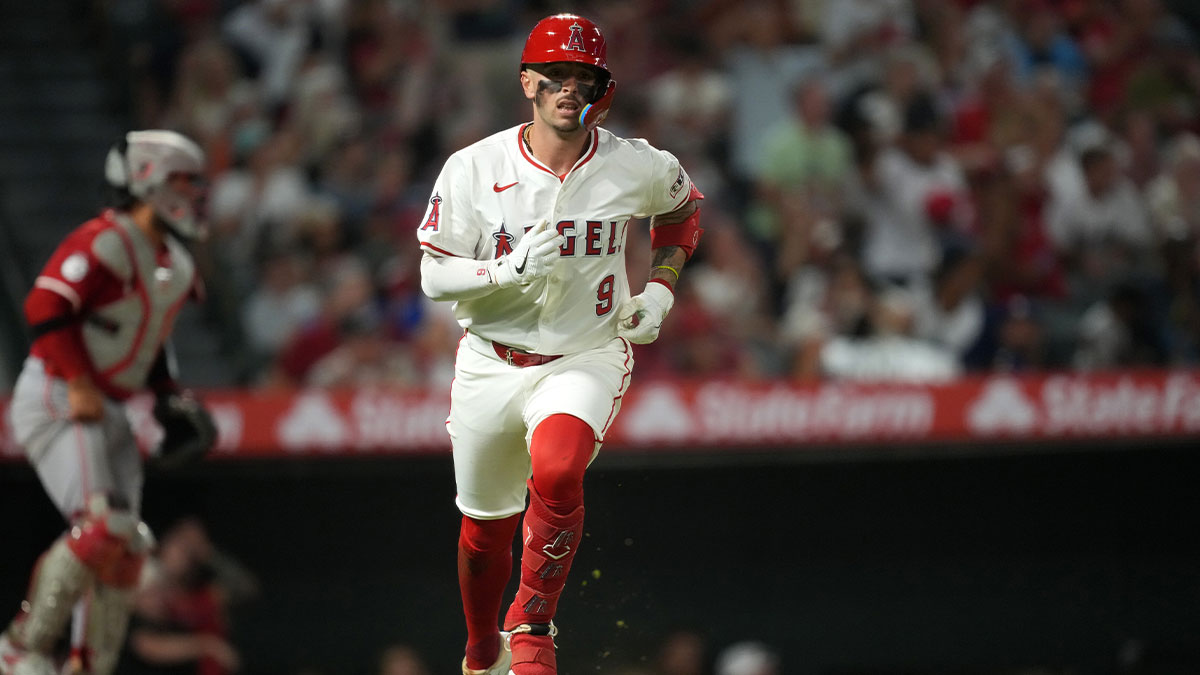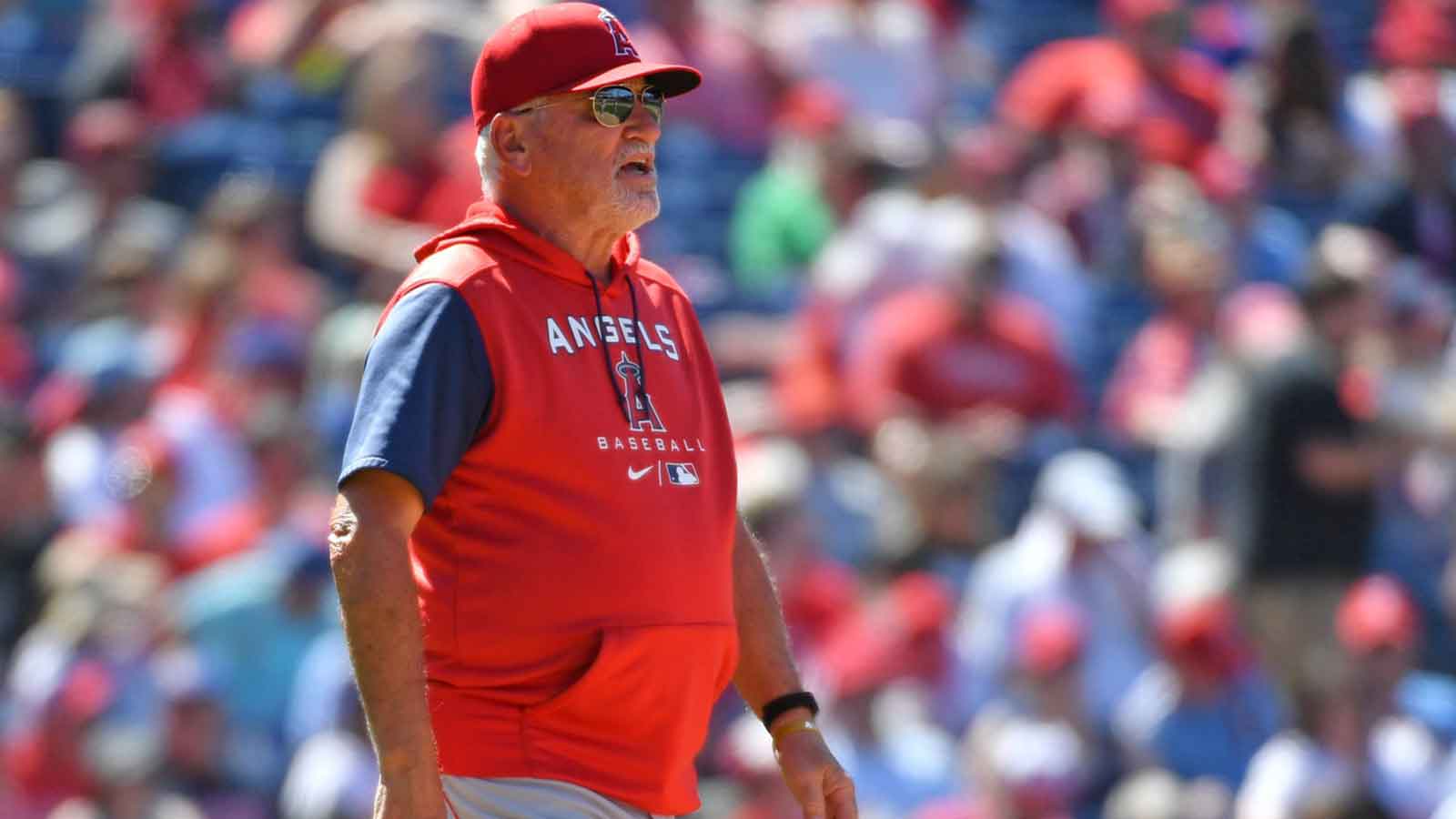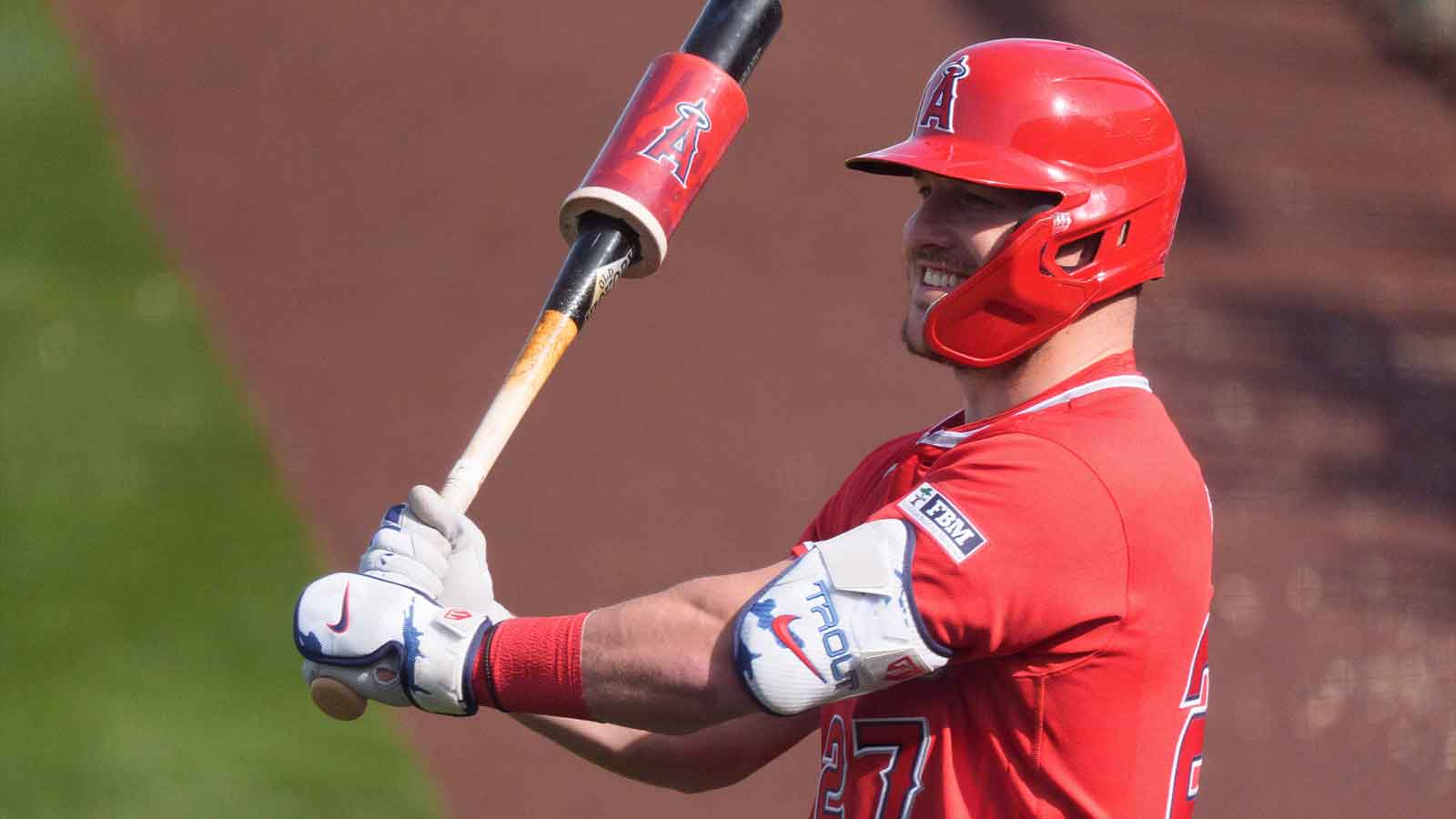
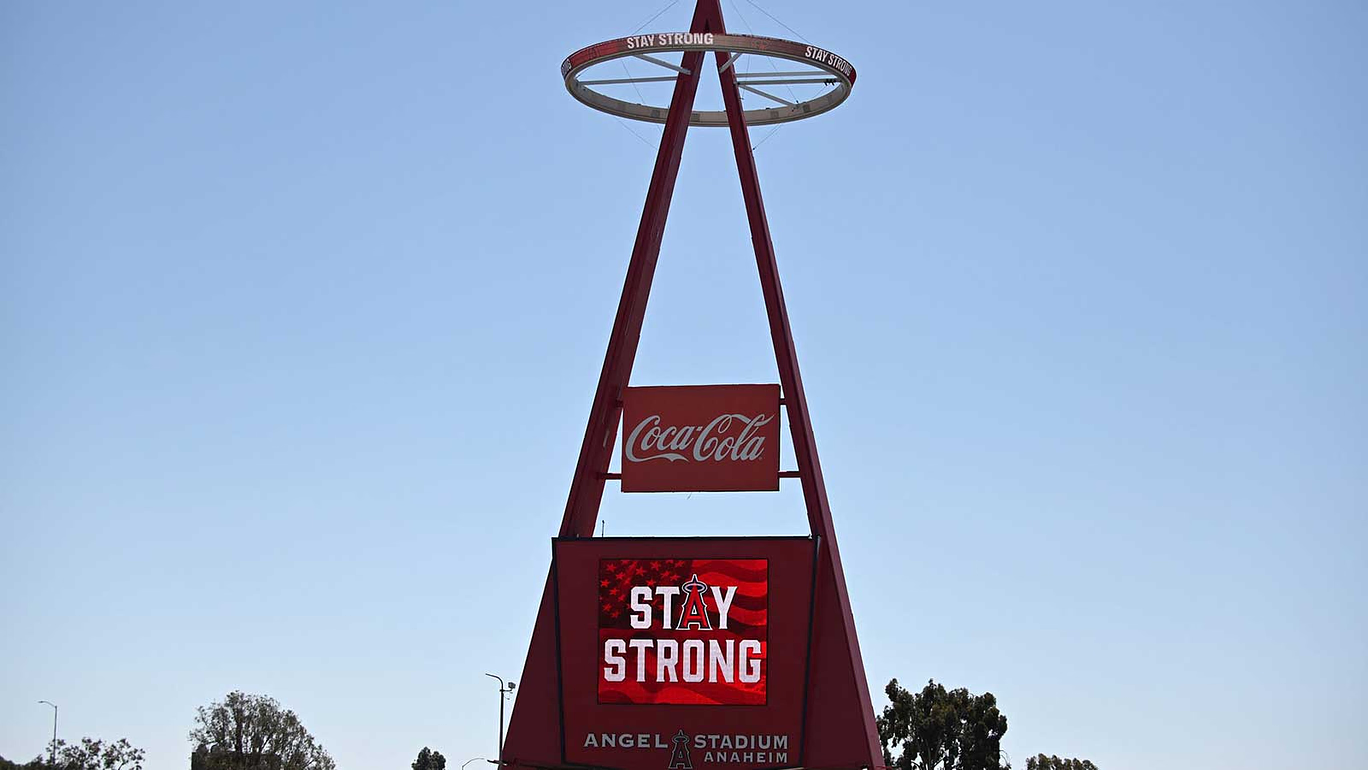
With February rapidly approaching, the Los Angeles Angels are no longer in a state of uncertainty. With the calendar nearing its final week of the month, the organization has shifted from evaluating options to actively exploring moves that can alter its short-term outlook without compromising long-term flexibility.
That posture places the Angels in direct alignment with a situation developing just north on the I-5. The Los Angeles Dodgers, already committed to multiple elite starters, are navigating difficult rotation decisions that extend beyond performance and into roster management. Bobby Miller has emerged as a natural point of discussion.
The Dodgers’ rotation reflects abundance rather than uncertainty. Shohei Ohtani is back on the mound. Yoshinobu Yamamoto remains entrenched near the top of the staff. Blake Snell is secured on a major contract. Roki Sasaki represents a significant international investment. Each piece strengthens Los Angeles in isolation while narrowing available opportunities for pitchers still seeking stability within the group.
Miller’s recent trajectory has complicated his standing. His 2023 debut positioned him among the most electric young starters in the sport, pairing elite velocity with overpowering results. Subsequent shoulder-related disruptions and mechanical inconsistency disrupted that momentum. In limited major league action during 2024, outcomes deteriorated, even as his fastball velocity remained intact. The gap between tools and execution widened.
From the Dodgers' standpoint, their patience yields diminishing results. Allowing a former frontline prospect to drift without a defined role limits roster efficiency and risks further erosion of value. Exploring a trade now reframes the 6-foot-5 pitcher as a reset candidate rather than a stalled asset, a pragmatic approach consistent with how L.A. has historically managed surplus during competitive cycles.
Timing drives the Angels' interest as much as need. Under general manager Perry Minasian, the front office has already shown a willingness to absorb risk in pursuit of upside, particularly within the rotation. The additions of Grayson Rodriguez and Alek Manoah reflect a strategy built around ceilings rather than safety. Miller fits that profile without forcing a financial compromise.
The presence of pitching coach Mike Maddux further informs the calculus. Maddux’s approach emphasizes mechanical simplicity and repeatable execution, particularly for power arms whose margins for error have narrowed. Miller’s struggles were rooted in timing and command rather than physical decline. Within the Angels’ structure, there is belief that clarity of role can restore consistency.
Cost control strengthens the appeal. Miller remains pre-arbitration with team control through the 2031 season. For a Halos roster increasingly built around Zach Neto and Logan O’Hoppe, that flexibility matters. It is usually difficult to acquire potential rotation impact without immediate payroll pressure on the open market.
The framework of a potential return reflects mutual priorities. Denzer Guzman offers the Dodgers a defense-first shortstop whose development timeline does not require immediate roster accommodation. His profile stabilizes long-term infield depth. Barrett Kent adds a power-arm project aligned with Los Angeles’ pitching development strengths.
For the Dodgers, the benefits are practical. The move eases roster constraints created by recent additions, distributes prospect risk, and reduces future arbitration exposure. In an environment shaped by competitive balance tax considerations, those margins carry real weight.
For the Angels, the upside is structural. A rotation anchored by Rodriguez, supported by Yusei Kikuchi, Miller, Manoah, and Reid Detmers establishes an identity built on velocity and swing-and-miss potential. Angel Stadium’s run environment complements that approach, while a bullpen led by Ben Joyce shortens games.
There is also a narrative layer that lingers in the background. Any high-profile Freeway Series matchup, with the right-handed pitcher facing his former organization, would carry natural intrigue. Baseball often rewards teams willing to act when perception trails reality.
The Angels are not operating from a position of urgency. Rather, they are responding to opportunity. The Dodgers are balancing a deep pitching group with limited roster space. A trade for Miller reflects that balance, emerging from circumstance rather than speculation.