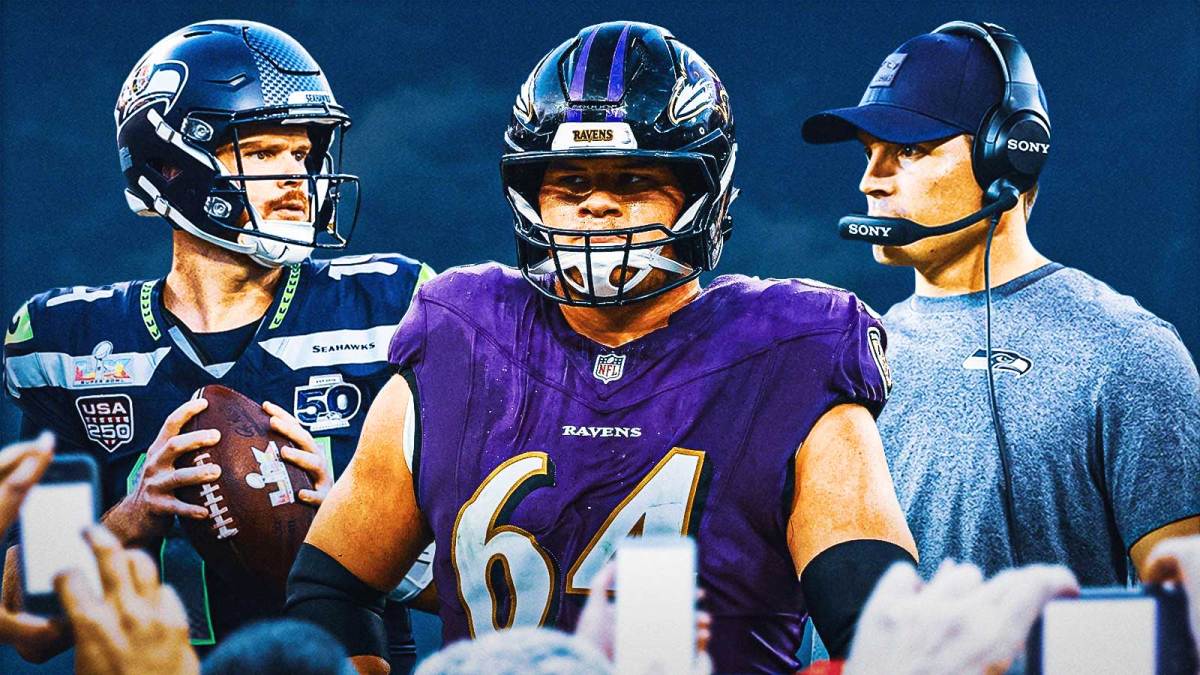
Of course, even champions have weaknesses. The defending champion Seattle Seahawks are no exception. When you lift the Lombardi Trophy, the league doesn’t give you a grace period. Rivals study you. They dissect you. They hunt the smallest cracks in your armor.
Seattle’s 2025 run was historic, bordering on mythical. That said, even fairy tales have fine print. The Seahawks may have dominated their way to a Super Bowl title, yet one persistent issue remains beneath the surface. If they want to repeat in 2026, they must address it before the rest of the NFC catches up.
Season for the ages
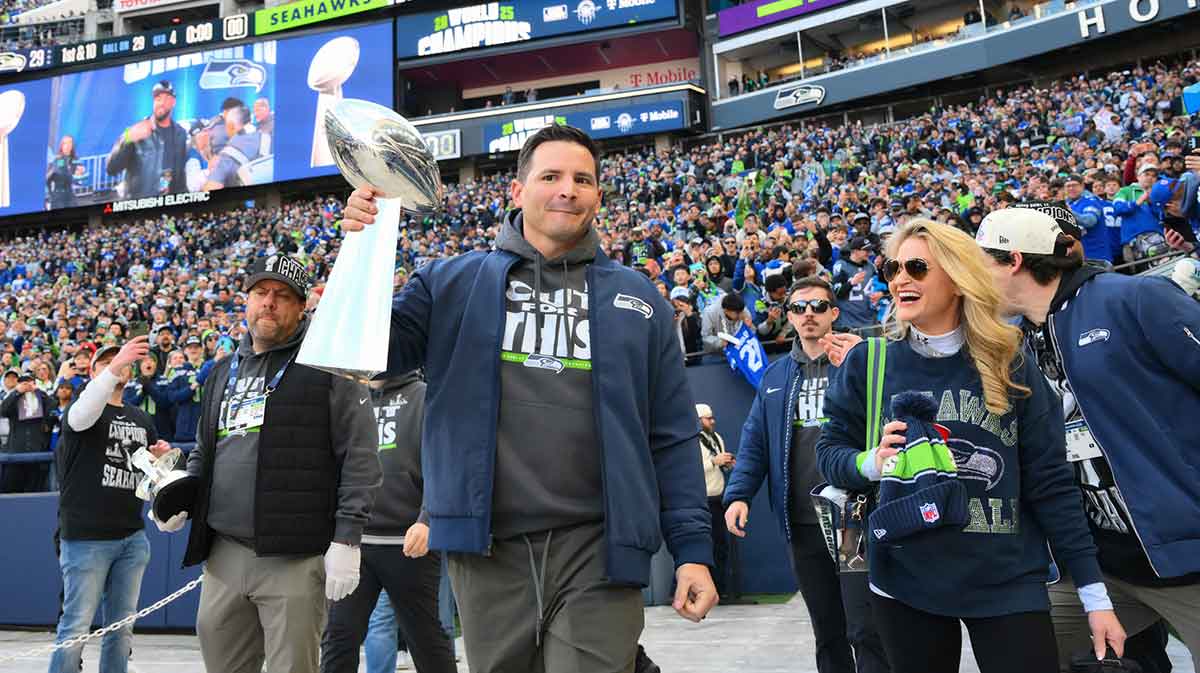
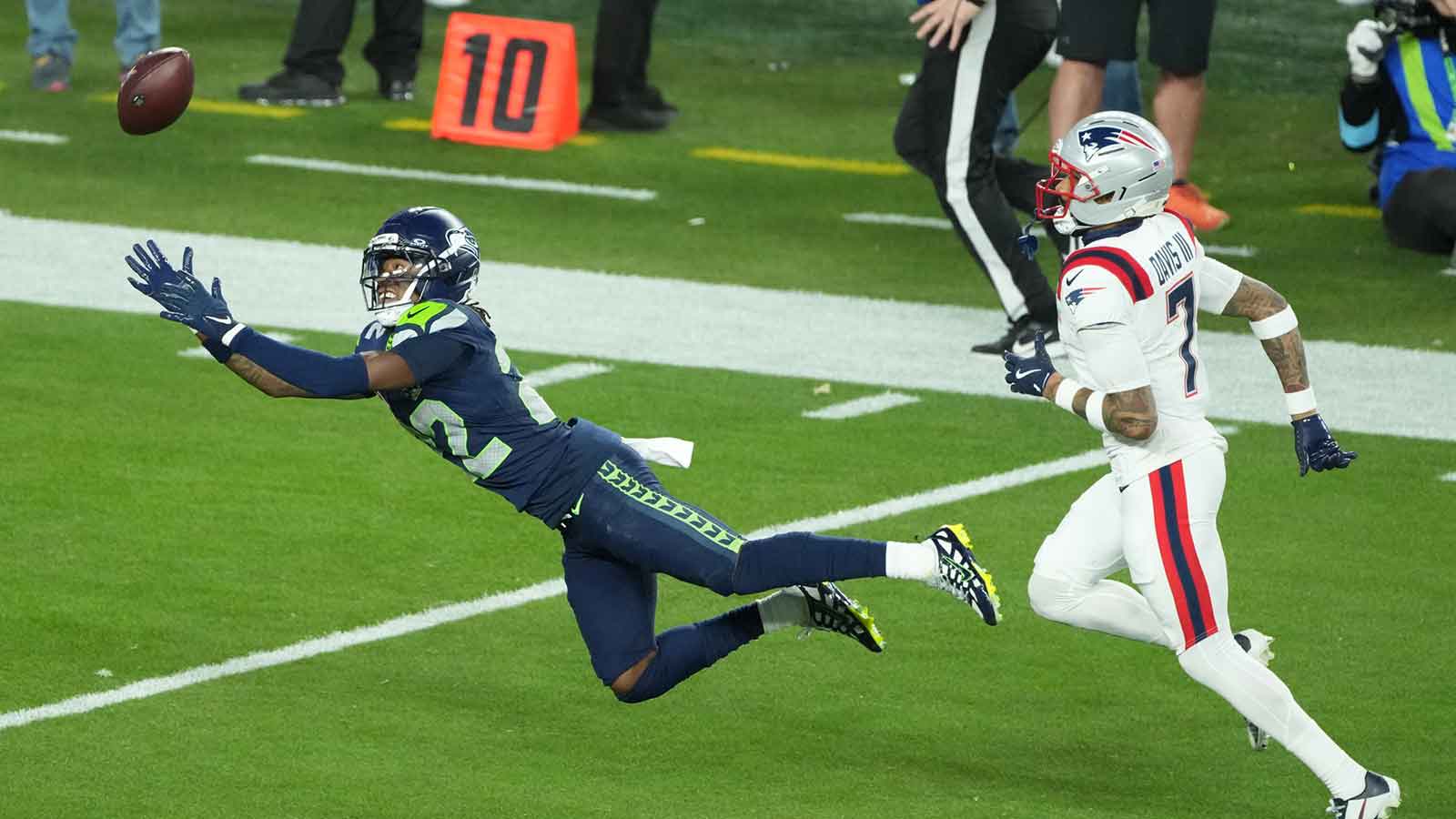
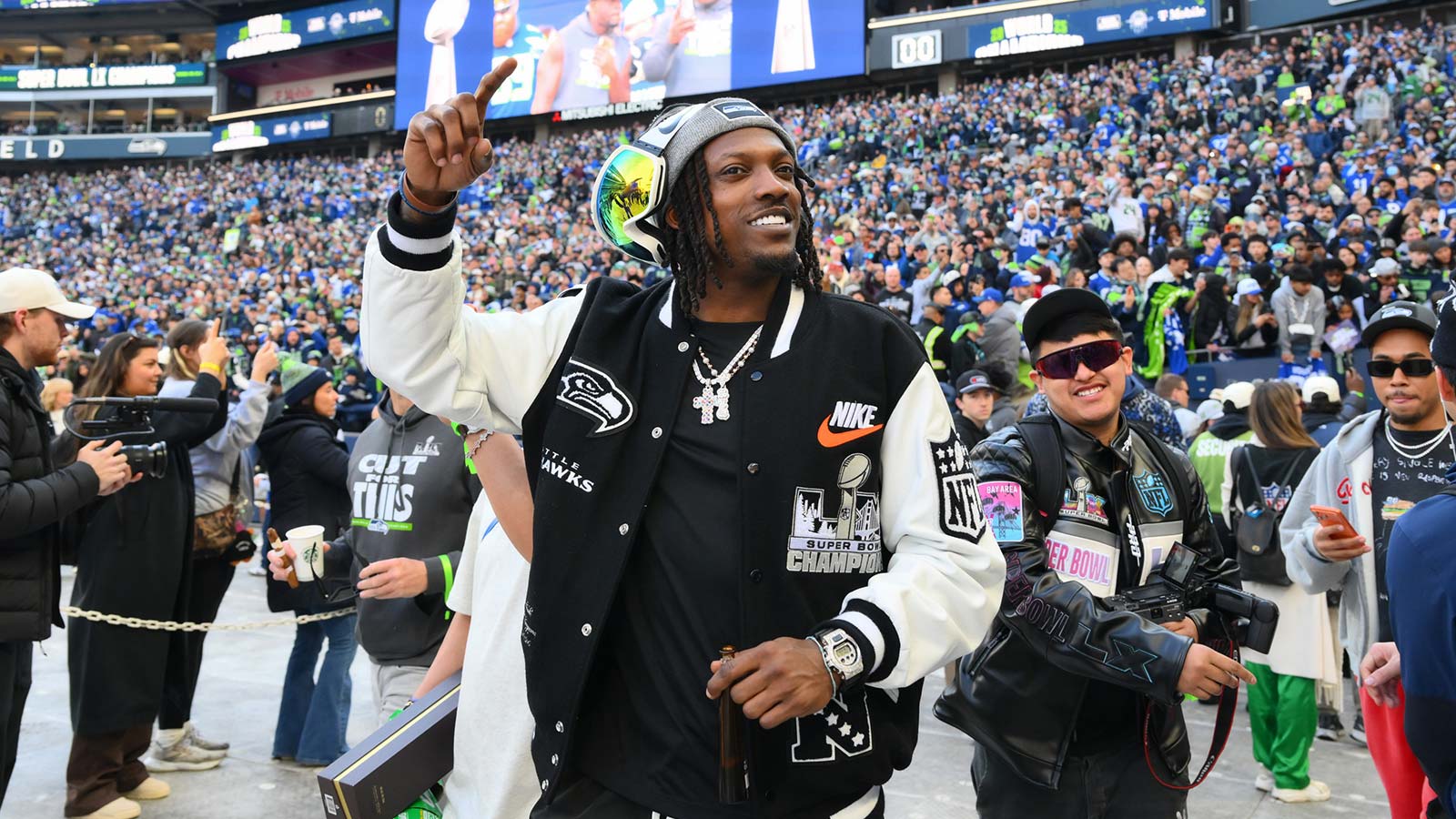
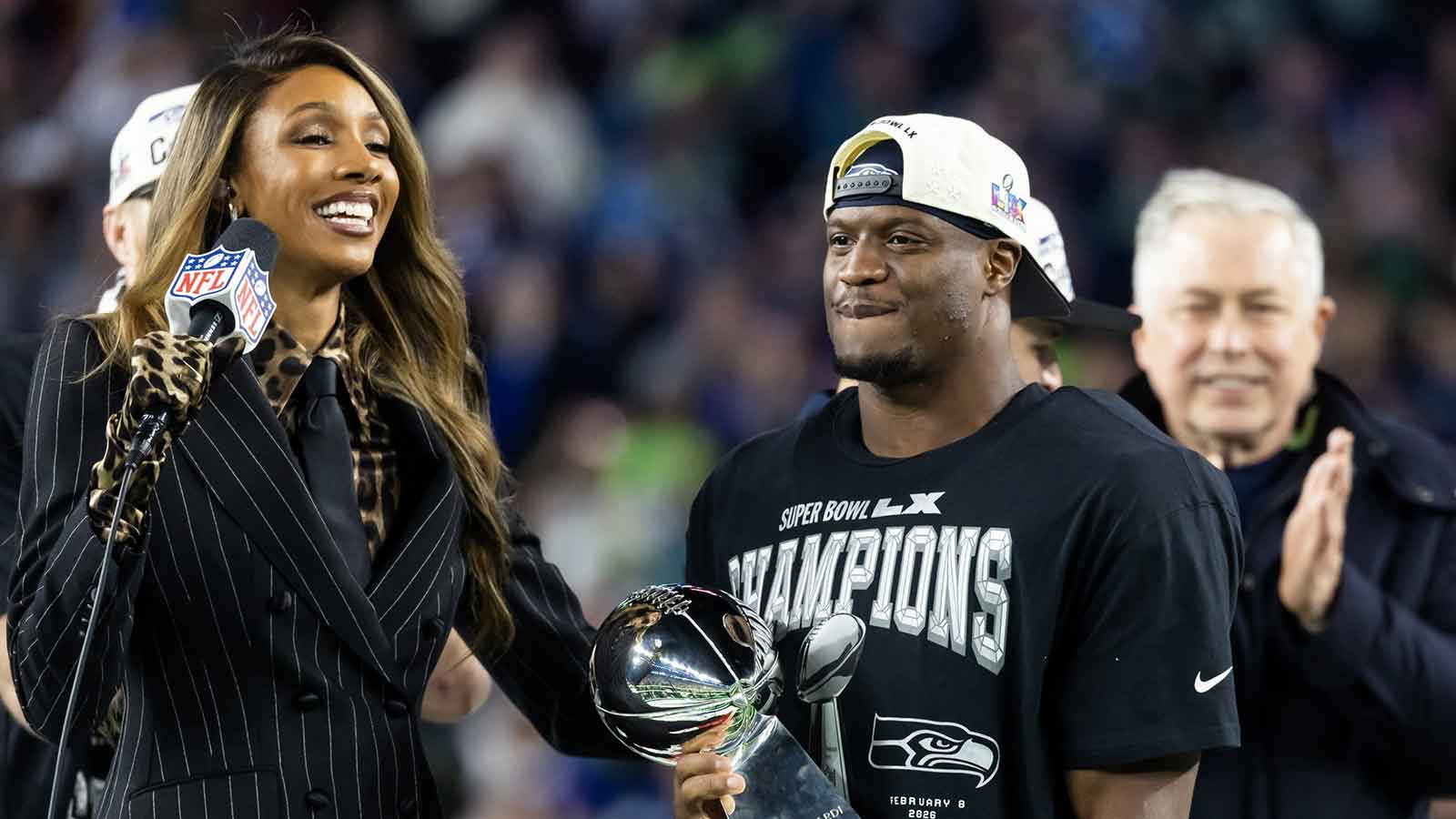
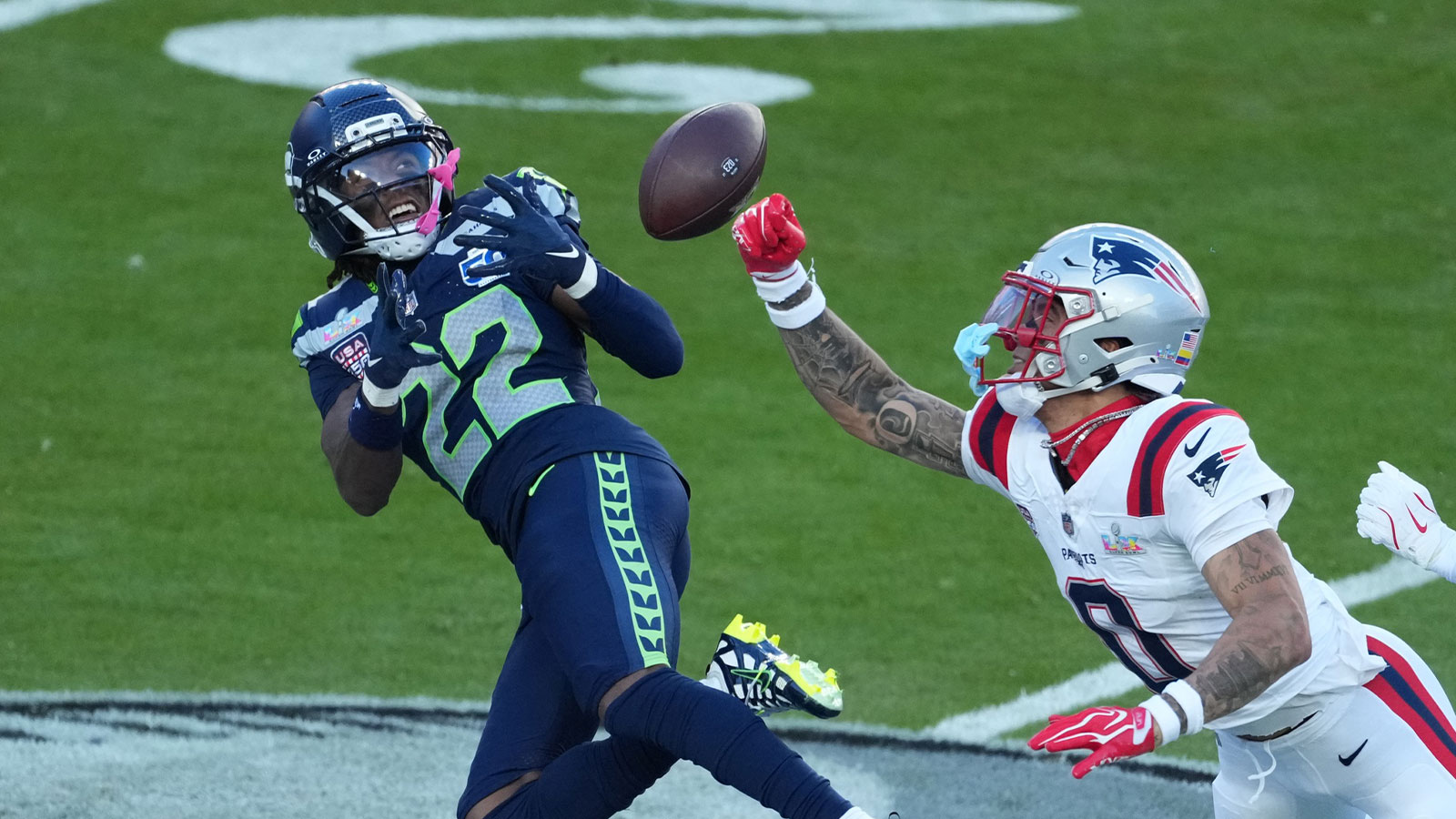
The 2025 Seahawks season was a historic, fairy tale campaign that culminated in the franchise’s second championship with a 29-13 victory over the New England Patriots in Super Bowl LX. Under head coach Mike Macdonald, Seattle captured the NFC West and earned the NFC’s No. 1 seed.
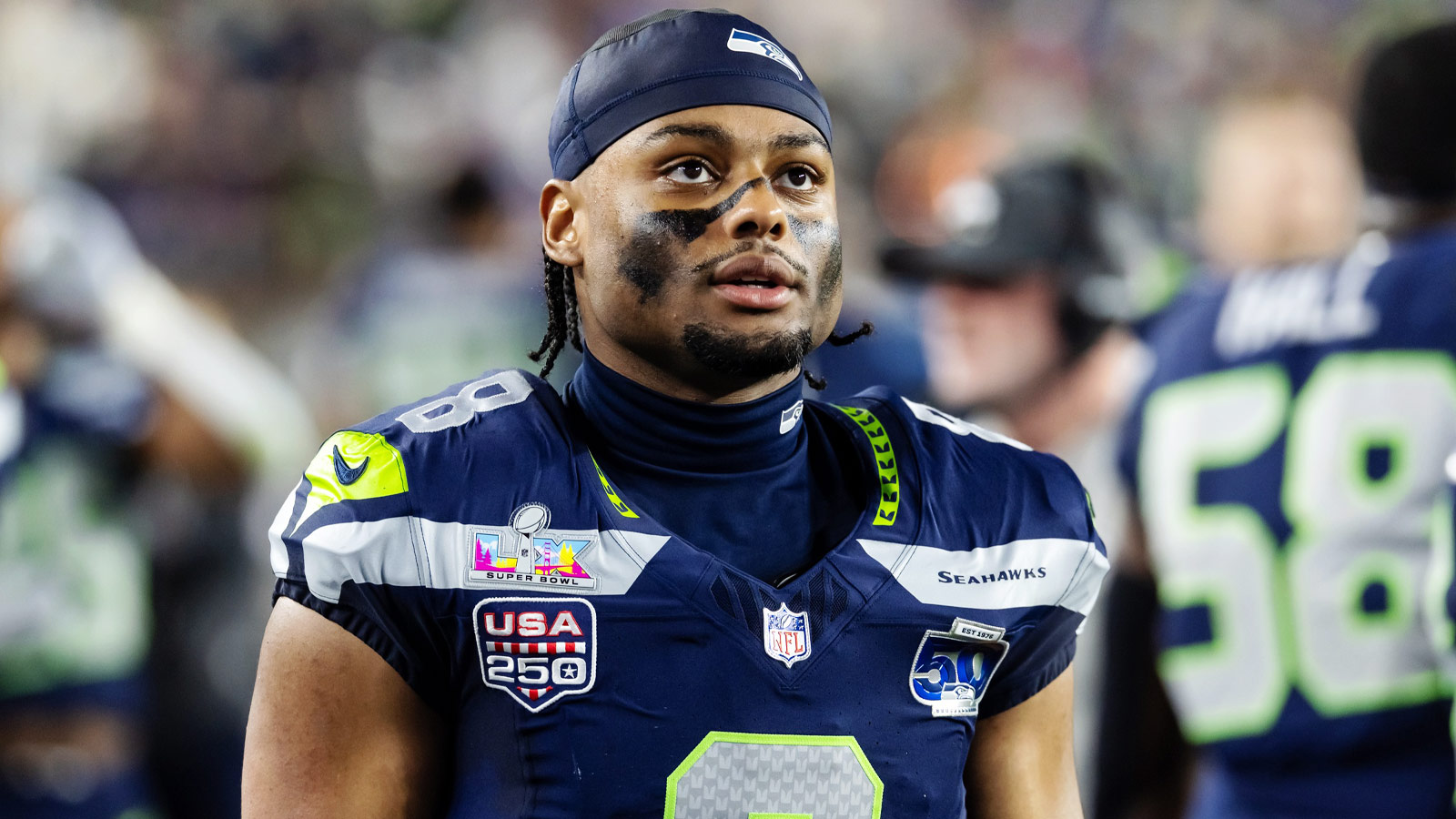
The defense set the tone. Leonard Williams and Devon Witherspoon anchored a unit that ranked among the league’s elite. They suffocated opponents weekly. Offensively, Jaxon Smith-Njigba emerged as a superstar. He shattered franchise records with 1,793 receiving yards. After moving on from Geno Smith and DK Metcalf, the Seahawks leaned into a new identity led by quarterback Sam Darnold and Super Bowl MVP Kenneth Walker III.
Seattle powered through the playoffs at Lumen Field. They defeated divisional rivals San Francisco and Los Angeles before making history as the first Super Bowl champion to complete an entire postseason without committing a single turnover. It was dominance with discipline.
Biggest flaw
Yet even during their championship run, a familiar issue flickered at times: interior offensive line inconsistency.
For years, Seattle has wrestled with leaky interior protection. The tackles have been serviceable. The skill players are explosive. However, the revolving door at center has prevented the Seahawks from fully stabilizing their offensive identity.
By 2026, that instability can no longer linger. A championship-caliber offense needs a brain in the middle of the line. They need someone who identifies blitzes, communicates protections, and neutralizes elite interior rushers. The NFC West features disruptive defensive tackles who can collapse pockets from the inside. In January, interior pressure is a season-ender.
Even during their Super Bowl run, there were moments when immediate A-gap pressure forced quicker throws. That flaw didn’t derail them in 2025. Still, betting on that luck again would be reckless.
Flexibility fuels opportunity
Fortunately for Seattle, this is not a roster constrained by scarcity. Heading into the 2026 offseason, the Seahawks rank among the league leaders with a projected $63.2 million to $73.2 million in cap space. The exploding league-wide cap has positioned general manager John Schneider with what amounts to a financial advantage.
Yes, expensive decisions loom. Extensions for Smith-Njigba and Witherspoon will command attention. Walker III’s future requires clarity. Sam Darnold’s contract will need strategic management.
However, Seattle’s ledger remains remarkably clean. By carefully structuring veteran deals and managing guarantees, Schneider has preserved the flexibility to be aggressive. If the Seahawks want to outbid rivals for elite trench talent, they have the resources to do it. Suffice to say that Seattle's money cannon is loaded.
Tyler Linderbaum is the answer
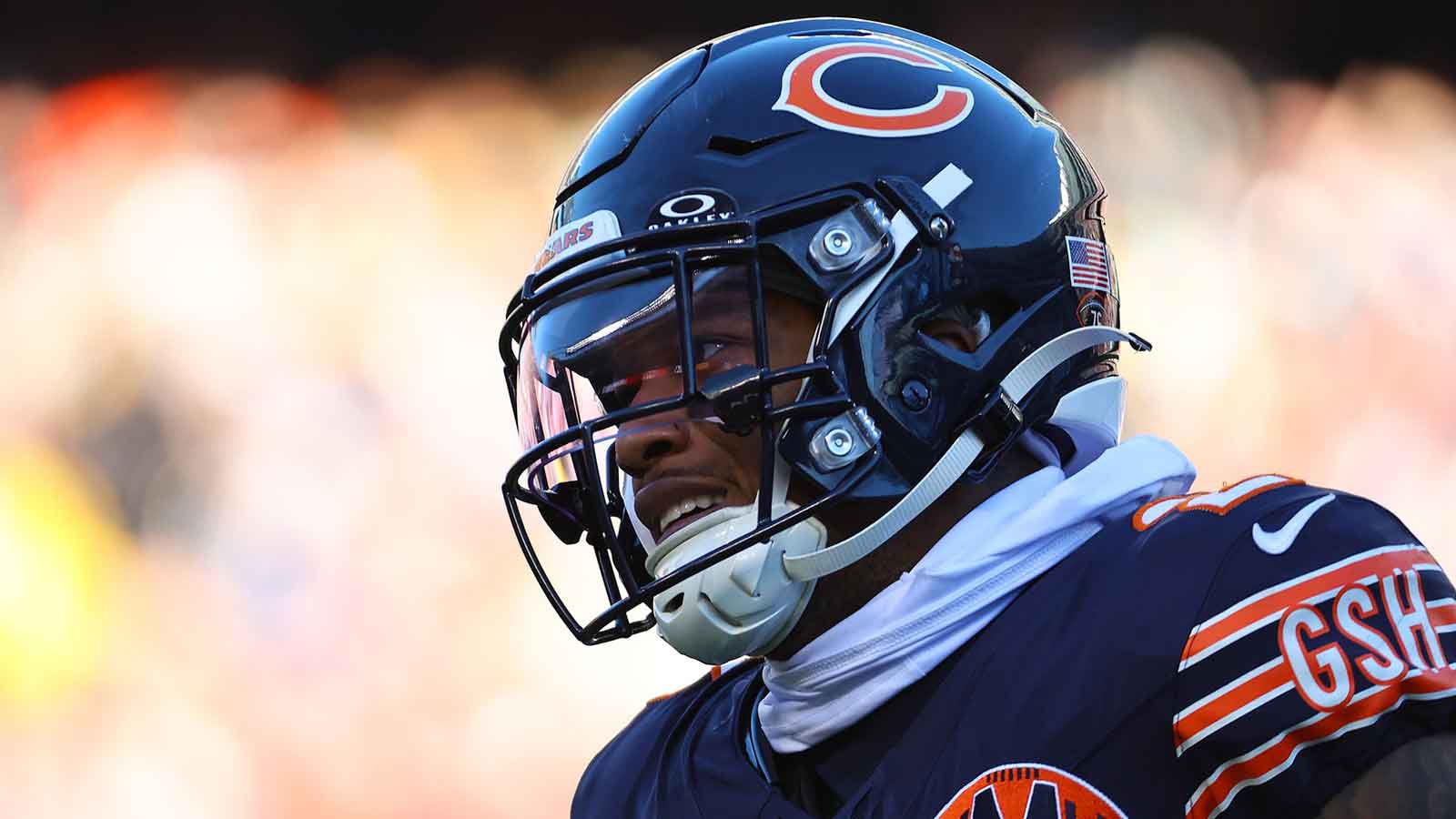
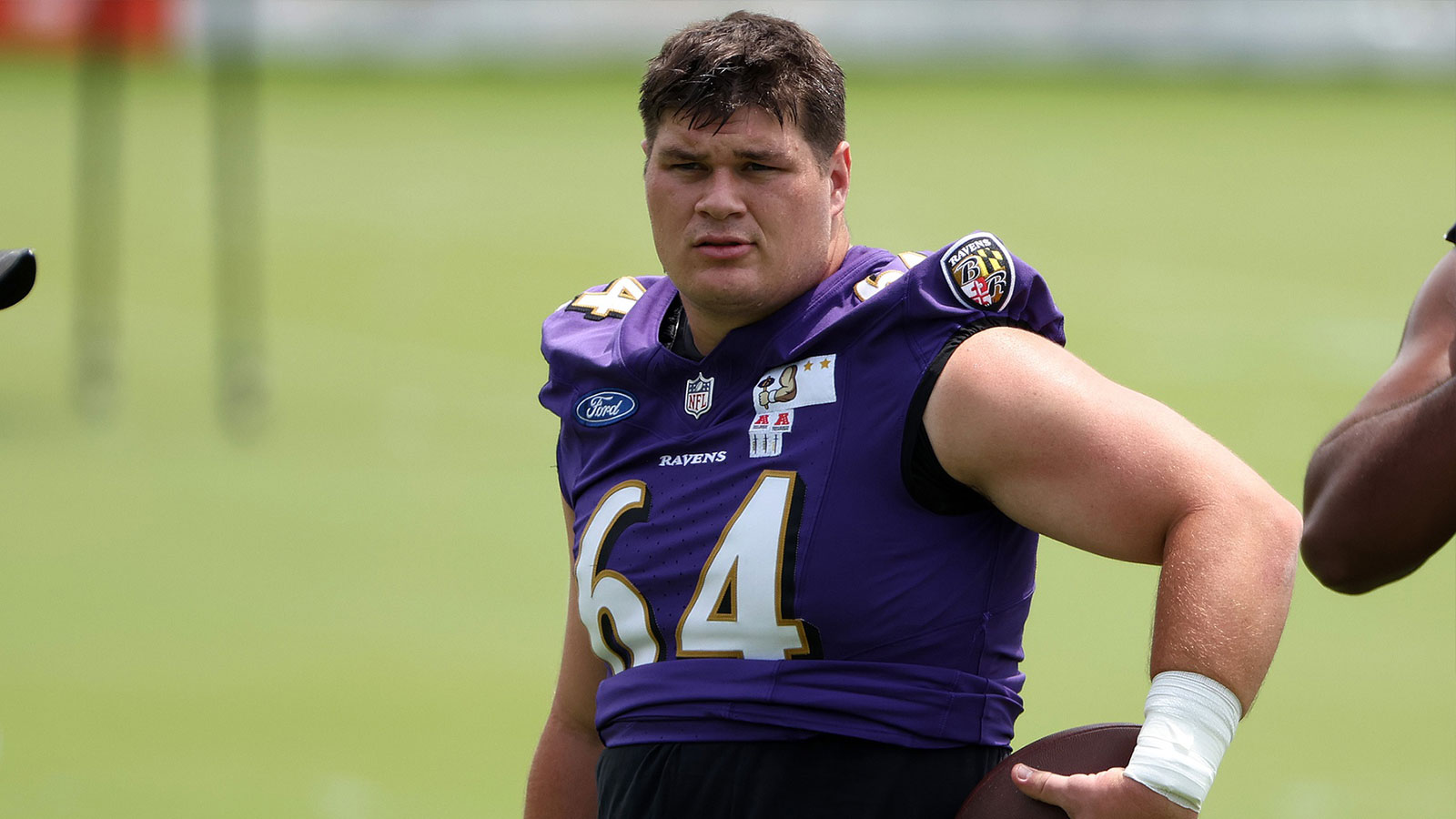
If Seattle is serious about eliminating its biggest flaw, Tyler Linderbaum is the target. Consistently ranked high on free agent boards, Linderbaum has established himself as one of the premier centers in football. With three Pro Bowl appearances in his first four seasons, he’s already proven durability, consistency, and technical excellence.
His skill set aligns perfectly with Seattle’s offensive philosophy. Linderbaum possesses elite lateral quickness and balance. That's ideal for zone-blocking schemes that rely on reach blocks and second-level engagement. He doesn’t just occupy space but moves it.
In Macdonald’s culture-driven program, toughness matters. Linderbaum was groomed in Baltimore’s physical, disciplined system. He has that “Ravens DNA” approach that prioritizes communication, leverage, and violence at the point of attack. That pedigree fits seamlessly with Seattle’s identity shift toward grit and precision. Of course, the real value is structural.
Impact on Seattle’s offense
With Linderbaum at center, Seattle’s run game reaches another tier. Walker III thrives on decisive cuts and acceleration through interior gaps. Linderbaum’s ability to climb to linebackers and seal off pursuit angles would create cleaner second-level lanes. That matters not only for Walker’s production but for sustaining drives late in games.
Protection-wise, the benefit is even clearer. For a QB like Darnold, having a center who commands protections and stabilizes the A-gaps is invaluable. Quarterbacks step up, not sideways, when they trust the middle of the pocket.
Interior protection consistency unlocks deeper route concepts. It allows play-action to develop fully. It prevents the kind of internal chaos that derails championship defenses when facing elite pass rushers in the playoffs. Seattle’s offense was explosive in 2025. With Linderbaum, it becomes fortified.
Protect the crown
Flashy names will dominate headlines. Edge rushers like Trey Hendrickson offer sizzle. Skill-position stars tempt with immediate impact. That said, defending a championship requires prioritizing sustainability over spectacle.
Seattle’s path to another trophy runs through the trenches. Paying a premium for Linderbaum is not excess but insurance. It’s acknowledgment that even champions must evolve. It’s recognition that protecting what you built matters as much as building it in the first place.
The Seahawks have the defense. They have the skill players. They have the cap flexibility. What they need now is permanence in the middle.